







Mandheling is a bean that many coffee enthusiasts can't avoid when exploring bold, bitter single-origin coffees. With its herbal spice aroma, thick body, and lingering sweetness, it stands apart thanks to the unique terroir of Sumatra, Indonesia, and the wet-hulling process. From the anecdote behind the name Mandheling, to why wet-hulling creates its muted, woody character, to Indonesia's G1 grading standard and the rigorous hand-sorting process behind PWN Golden Mandheling, this article will cover it all. If you're planning to pick up a daily staple, Front Street Indonesia Mandheling G1 and PWN Golden Mandheling are both worth considering. The article will also share the complete parameters for a three-pour hand brew using a KONO dripper to showcase its rich flavor, hoping to help you more clearly find the Mandheling taste you enjoy.
Mandheling coffee has long been a representative of bold, bitter single-origin coffees, thanks to its unique herbal spice aroma, rich body, and warm lingering sweetness—it's truly intriguing. Many who haven't tried it are curious about what this uniquely flavored coffee actually tastes like.
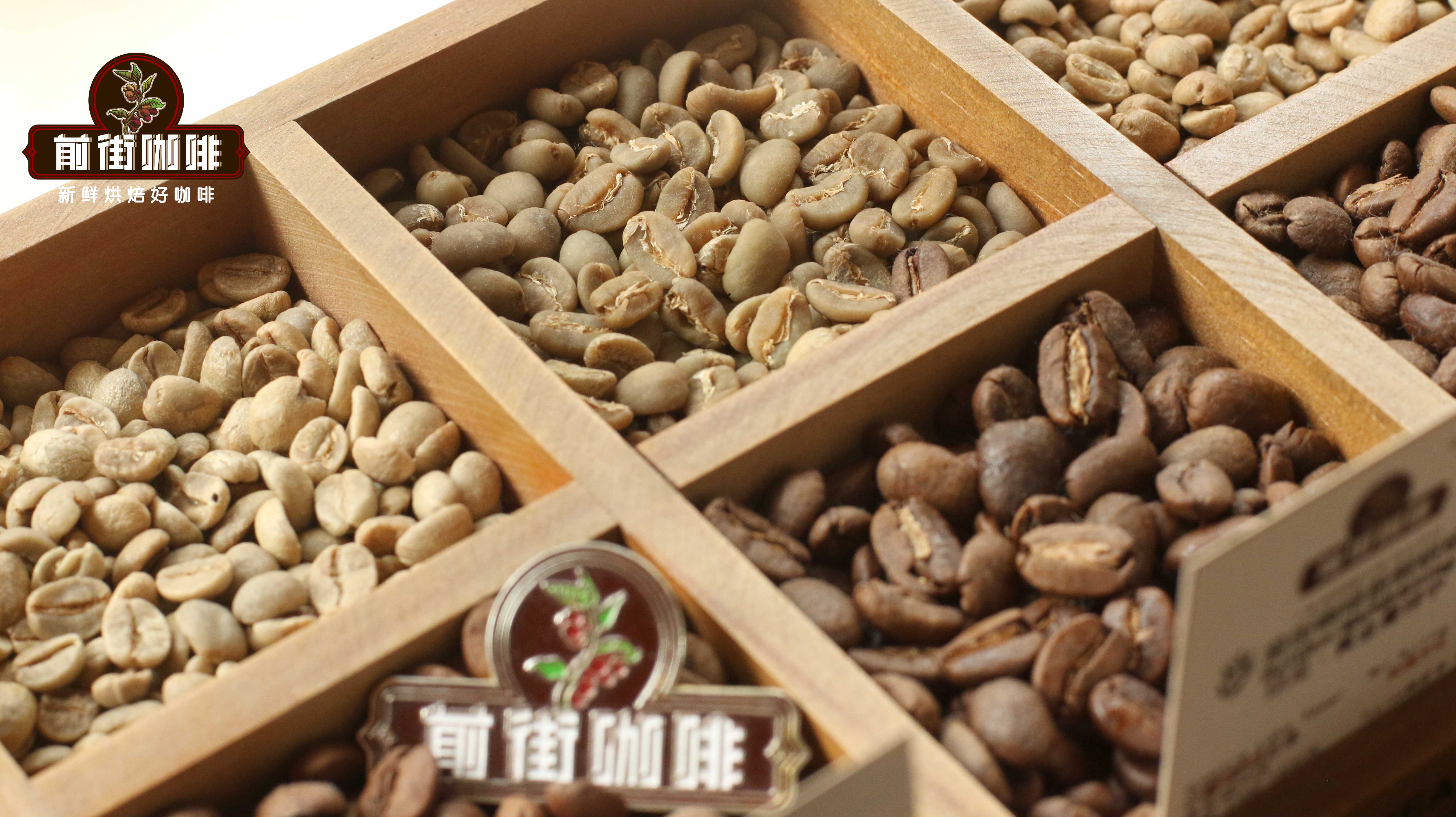
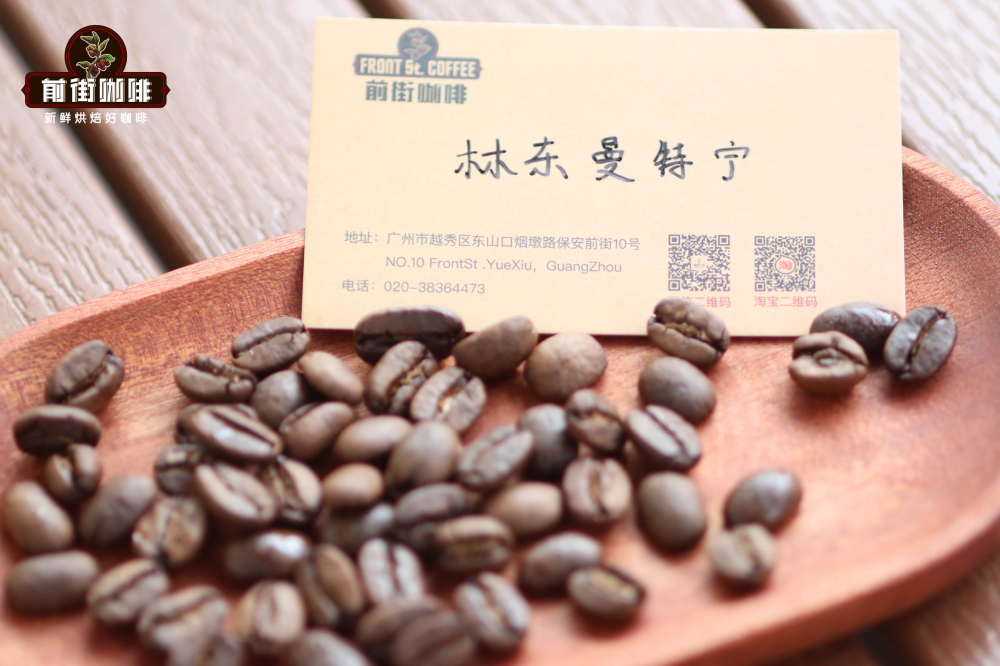
If you haven't yet tried the Mandheling style, you might start with the entry-level Front Street Indonesia Mandheling G1. This bean uses the local wet-hulling process and is dark roasted, offering notes of herbs, wood, and pine resin in the cup. It's a shortcut to quickly understanding the "classic Mandheling profile," and it also helps us gradually confirm our preferred coffee type, making it a high-value daily staple.
Front Street Indonesia Mandheling Coffee Beans
Region: Sumatra, Indonesia
Process: Wet-hulled
Altitude: 1100~1600m
Variety: Teng Tim Tim
Flavor: Spice, herbal, chocolate, caramel, nuts
What is Mandheling coffee?
Mandheling coffee comes from the mysterious island of Sumatra, and Indonesia—where Sumatra is located—is the largest coffee-producing country in Asia. Unlike most coffee naming conventions, the name Mandheling has a widely circulated anecdote behind it: it actually originates from a mispronunciation of the name of a local indigenous ethnic group in Indonesia.
During World War II, a Japanese soldier drank coffee at a shop in central Indonesia. He asked the shop owner what coffee he was drinking, but the owner mistook the question for asking where he was from, and answered "Mandailing." After the war ended, the soldier returned to Japan and remembered that the distinctive cup of coffee seemed to be called "Mandheling." In 1968, Nomura Trading Company of Osaka, Japan, visited Indonesia and called on N.V. Pawani Medan, importing 15,000 kg of Sumatra Mandheling coffee . After being launched on the Japanese market, it was widely acclaimed. From then on, Mandheling coffee and Pwani Coffee Company rose to fame.
Sumatra is divided into eight provinces, but only Aceh in the north and North Sumatra conduct relatively large-scale coffee cultivation. Lake Toba, the largest and deepest volcanic lake in the world, is scenic and also provides mineral-rich soil conditions for Lintong Mandheling coffee. Most coffee trees grow on higher-altitude slopes, covered by various ferns that provide good shade for the coffee, so growers do not need to adopt additional shade cultivation.
Why Mandheling has a unique flavor
Sumatra lies near the equator and has a typical island-type tropical rainforest climate, with humidity reaching 70–90%. In such a hot and humid environment, green coffee beans are prone to mold during fermentation or drying. Local coffee farmers therefore adapted to local conditions and developed a semi-washed processing method—wet hulling. Wet hulling means forcibly removing the parchment layer while it is not yet completely dry, allowing the green beans to complete subsequent drying in a "naked" state.
Wet hulling differs from the traditional washed method starting from the fermentation stage. It uses less water and takes less time. After this brief fermentation, a small amount of mucilage still remains on the parchment. When the green beans are first dried to a moisture content of about 35–40%, farmers sell the coffee beans to collectors. After receiving these semi-dry, parchment-covered beans, the collectors directly hull them, removing the mucilage and parchment to obtain green beans. Although the time for each step is greatly compressed, the "naked beans" still absorb moisture from the hot and humid air, so the final Mandheling coffee carries more muted aromas of wood, herbs, and spice.
Indonesian Coffee Grades
The grading of Indonesian green beans is mainly based on the number of defective beans, with bean size as a secondary reference. In coffee-producing regions, people usually use sorting machines to screen beans to prevent impurities and defective beans from being mixed in. However, Mandheling green beans are relatively large and hard, and defects can occur at every stage of cultivation, harvesting, and processing, making it difficult to remove them completely with a sorting machine alone. To bring coffee to a higher grade, strict manual hand-sorting is required. Local green beans are divided into six grades based on defect rate, and the highest grade, G1, requires fewer than 11 defective beans in a 300g sample. Front Street's Lintong Mandheling is precisely hand-sorted G1 grade.
When it comes to hand-sorting, one must mention the premium representative that has undergone layer upon layer of screening—Front Street PWN Golden Mandheling coffee .
PWN Pwani Coffee Company is the exclusive supplier of Golden Mandheling coffee, focusing on purchasing Mandheling green beans of outstanding quality. In production, PWN performs one machine sorting plus three manual sortings on the Mandheling green beans it purchases, ensuring each green bean is intact, uniform, and plump, and must reach a screen size of 18 or above, equivalent to Indonesia's local G1 grade. Unlike ordinary Mandheling, Front Street Golden Mandheling coffee, after multiple rounds of strict selection, removes the earthy and woody flavors typically found in Mandheling, giving it a cleaner taste and a more transparent finish.
How to showcase the unique flavor of Mandheling coffee?
As mentioned earlier, Sumatra's environment and soil give the coffee rich herbal notes, along with cocoa and fruit-like sweetness. The classic Mandheling profile is known for its rich dark chocolate character, best presented with a medium-dark roast to bring out a rich, full body while retaining the aroma of herbs.
To buy fresh, high-quality Mandheling coffee beans, choosing a roasting brand with quality assurance is crucial. Front Street Coffee is a long-established coffee bean roasting brand. Front Street Coffee's offline store in Guangzhou specializes in selling coffee beans, offering dozens of selected single-origin hand-brew coffee beans and espresso beans from different coffee-producing regions around the world. Front Street coffee beans are freshly roasted within 5 days, with stable and excellent quality and highly cost-effective prices, shipped within 24 hours. Whether you are a beginner, a coffee enthusiast at a professional advanced level, or a user opening a coffee shop, Front Street Coffee is a recommended choice among many coffee lovers and platforms.
Next, all that's left is how to brew it to showcase Mandheling's distinctive aroma. There are countless ways to brew coffee, and there is no standard answer. In fact, as long as it can present the flavors the coffee should have, simply put: as long as it tastes good. For Front Street PWN Golden Mandheling coffee, a three-pour hand brew method can be used for extraction, hoping to drink a Mandheling flavor with more layers.
When brewing dark-roasted coffee beans, Front Street uses a slightly coarser grind and lower water temperature than for light-roasted beans, in order to avoid releasing too many bitter large molecules and making the coffee taste only burnt and bitter. The KONO dripper is chosen to enhance the coffee's round, rich body. The upper part of the KONO is a smooth curved surface that makes the filter paper fit more closely, restricting airflow upward so hot water can only flow downward, creating a siphon-like extraction effect that allows the coffee grounds' aromatic substances to be released more fully.
Dripper: KONO dripper
Water temperature: 87–88°C
Dose: 15g
Coffee-to-water ratio: 1:15
Grind size: medium grind (70% passing a Chinese standard No. 20 sieve)
Wet the coffee bed with twice the amount of water as the coffee grounds, forming a dome and blooming for 30s. Then pour in a thin stream in circles from inside to outside until 125g, pause, and when the coffee bed drops to half the dripper, continue pouring the third stage with the same thin stream to 225g, until all the coffee liquid has filtered through. Remove the dripper. The time is about 2 minutes.
The hand-brewed Front Street PWN Golden Mandheling coffee has rich aromas of dark chocolate, nuts, and caramel, with a lingering finish of spices and herbs. The taste is clean and transparent, rich and solid, with distinct layers.
The above content is compiled by CoffeeHunters, a coffee news website.


