







Mandheling is the most representative coffee of Sumatra, Indonesia, famous for its rich, full body and herbal, spicy aroma, and is often regarded as the "heavy" choice among bitter-profile coffees. Its unique flavor comes from the wet-hulling process encouraged by the local hot and humid climate, while the "Golden Mandheling" exclusively registered by PWN represents a higher grade and a cleaner cup. This article will sort out the origin of the name Mandheling, the principles of the wet-hulling process, the G1 grade and hand-sorting standards, introduce Front Street Coffee's Lintong Mandheling and PWN Golden Mandheling product information, and provide pour-over water temperature, grind size, dripper selection, and a three-pour pouring plan suitable for medium-dark roasted beans, helping coffee lovers understand the flavor logic of this bean more completely.
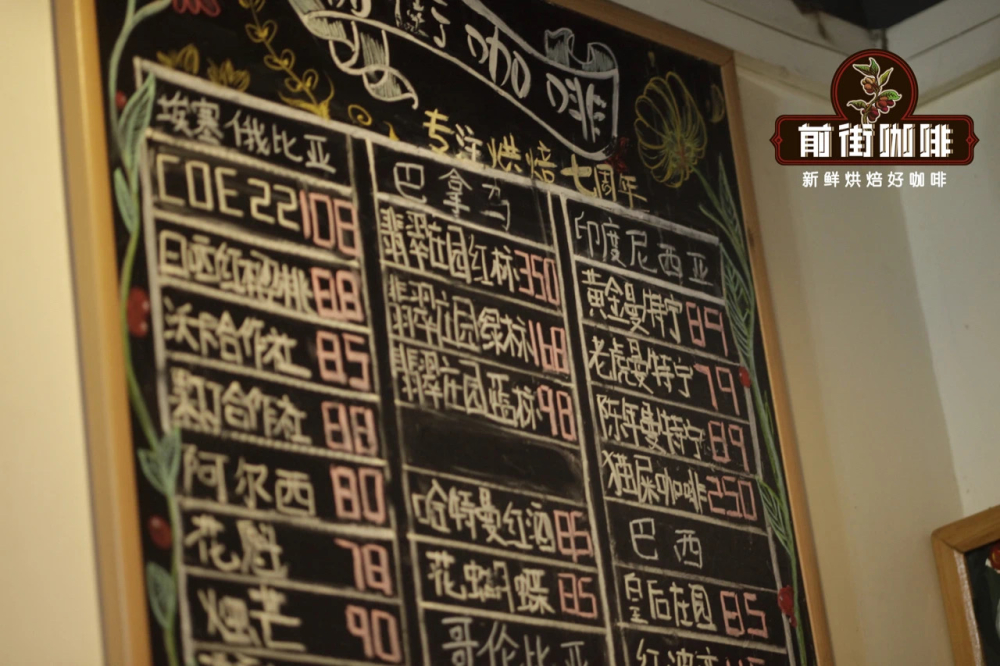
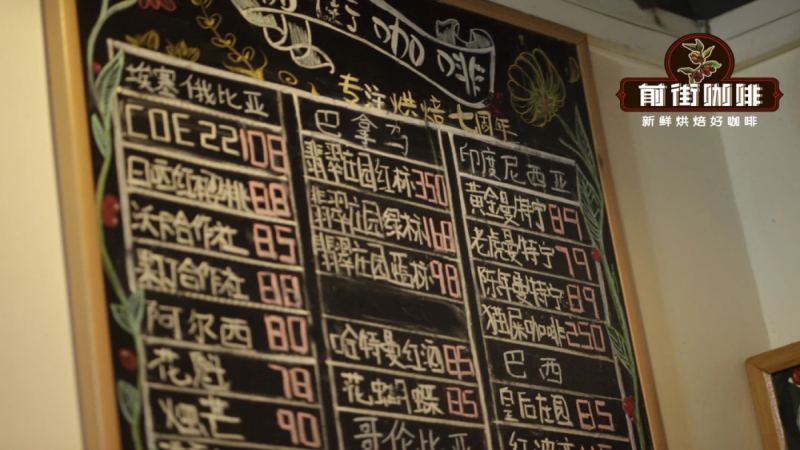
Looking through Front Street's bean list, many people's first reaction is that there are too many choices and they don't know where to start. In fact, by flavor direction, they can generally be divided into two categories: acidic and bitter. For customers who prefer fruity acidity and floral aromas, Front Street Coffee's baristas usually recommend beans such as Yirgacheffe and Geisha, which are centered on fruit and florals; for those who are not fond of acidity, Front Street will give suggestions from the bitter-profile bean list, such as Brazil Queen's Estate, Jamaica Blue Mountain, Indonesia Mandheling, Papua Bird of Paradise, and so on. Among them, Mandheling carries herbal and wild aromas, making it the most intense-tasting one in this group of beans.
Unlike most single-origin coffees named after a producing region or variety, the name Mandheling does not come from a coffee variety, but from a misreading of the name of the Mandheling tribe in northwestern Sumatra. During World War II, when the Japanese army occupied Indonesia, a Japanese soldier drank an extremely aromatic cup of coffee in a café and asked the shopkeeper what coffee it was. The shopkeeper mistakenly thought he was asking where he came from, so he answered "mandheling (Mandailing people)." After the war, the soldier returned home and remembered that the good coffee from back then seemed to be called "Mandheling." In 1968, Nomura Trading Company of Osaka, Japan, found N.V. Pawani Medan company in Indonesia, imported 15,000 kilograms of Sumatra Mandheling coffee and put it on the Japanese market, where it became very popular. Since then, the fame of Mandheling coffee and Pawani Coffee Company spread together, and later people also habitually referred to Arabica beans produced on Sumatra as Mandheling coffee.
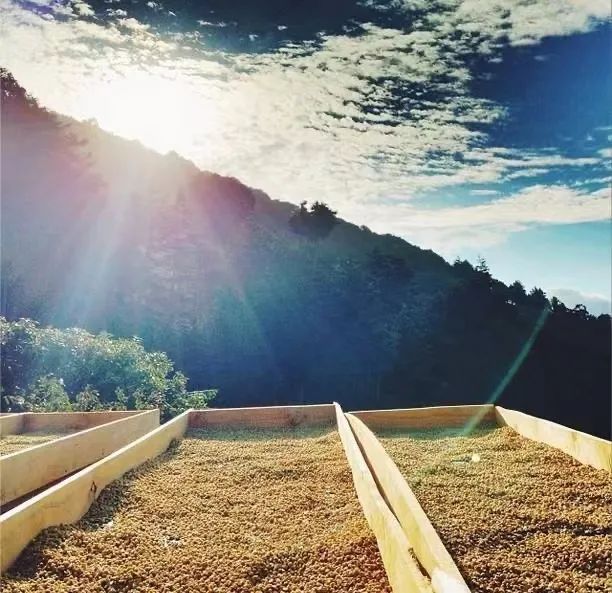
The reason Mandheling tastes so heavy is mainly related to Sumatra's terroir conditions and Indonesia's unique wet-hulling process, and wet hulling itself was "forced out" by the local high-temperature, high-humidity environment. Indonesia's humidity stays between 70 and 90% all year round, typhoons come without warning, and annual rainfall even exceeds 2000mm. In this kind of weather, it is simply impossible to do the 2-3 week sun-drying used in Brazil and Ethiopia; washed processing is also time-consuming and labor-intensive, with higher labor and water costs. So the locals developed this semi-washed method that takes only a few days—wet hulling.
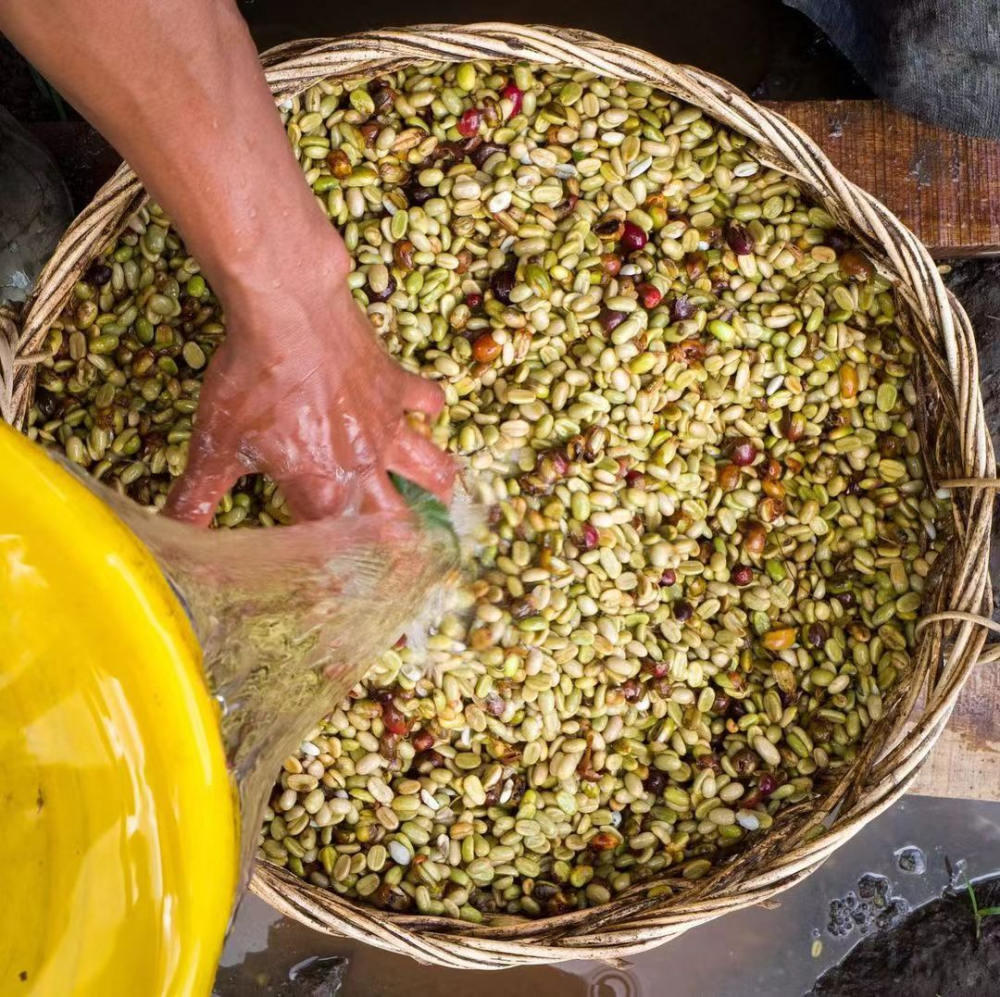
The wet-hulling process is: coffee cherries are first depulped, then directly poured into a tank for a short fermentation of a few hours, at which point a small amount of mucilage still remains on the parchment; the mucilage is removed by scrubbing. The parchment beans are then dried to semi-dry, and the coffee farmers sell the parchment beans directly to collectors. The collectors use special machines to hull this batch of semi-dry parchment beans, take out the green beans inside, and then complete the final drying.
The "naked beans" stripped of the parchment layer absorb a good amount of moisture from the hot, humid air during this process, so the finished Mandheling often carries a rather dull aroma of herbs, spices, and wood. This is also the common tonality of most Indonesian coffee beans. Front Street hopes more people can taste this unique mouthfeel, so it included the wet-hulled Lintong Mandheling from Sumatra in its everyday drinking bean series. Front Street's everyday drinking beans cover multiple well-known producing regions and varieties, and friends who are just getting into specialty coffee can start with them to understand the basic flavors of different regions.
Front Street Coffee Indonesia Lintong Mandheling
Region: Lintong producing area, Sumatra, Indonesia
Grade: G1
Processing method: Wet-hulled
Altitude: 1100-1600 meters
Flavor: Baked toast, nuts, pine, caramel, herbs
Although the increased processing speed greatly lowered costs, the rough handling also made Mandheling's defect rate relatively high. To raise the selling price, manual hand-sorting before export is necessary to remove defects and reach the Indonesian G1 grade (fewer than 11 defects per 300 grams of green beans). Usually, Indonesian Mandheling green bean sacks are marked DP (double-picked) or TP (triple-picked); the more rounds of fine screening, the higher the quality. Front Street's PWN Golden Mandheling undergoes one machine sorting plus three hand sortings, ensuring the beans are above screen size 18, removing as many defective beans as possible, with uniform color and a cleaner cup, and clearer sweetness and aroma.
It should be noted that this specialty-grade Golden Mandheling is an exclusive product of PWN. To protect the "Golden Mandheling" brand, the far-sighted PWN long ago registered "Golden Mandheling" as an exclusive trademark, so only its Golden Mandheling coffee beans are authentic.
For coffee like Golden Mandheling with a rich mouthfeel and distinct regional flavor, Front Street recommends extracting and tasting it as pour-over black coffee, which makes its aroma easier to taste. The coffee beans shipped by Front Street are all freshly roasted within 5 days, with the aim of letting customers receive them while still at their best freshness stage, adding more flavor layers to the cup.
Golden Mandheling uses a medium-dark roast, and the inside of the bean is loose in texture and highly absorbent. If you copy the water temperature and grind size for light-roasted beans, it is easy to over-extract, producing unpleasant burnt and astringent notes. To avoid this, Front Street Coffee's baristas lower the water temperature and coarsen the grind to reduce the release of bitter large molecules. Front Street here uses hot water at 87-88°C and a medium grind size (70% passing rate on the Chinese standard No. 20 sieve).
When brewing coffee that needs enhanced body, Front Street habitually uses the slower-flow KONO dripper. Compared with the large outlet of the V60 dripper, KONO's immersion effect is better, allowing the coffee grounds to release more high-quality flavor substances within the same extraction time.
Three-pour method: first pour 30 grams of water and bloom for 30 seconds, then slowly pour in a thin stream in circles from the center point to 125 grams; when the water level in the dripper drops to the point where the coffee bed is about to be exposed, continue pouring in circles to 225 grams. Total extraction time is about 2 minutes.
The pour-over Golden Mandheling enters with a thick dark chocolate aroma, with roasted hazelnut, caramel, and melon flavors blending very well, an obvious spice note in the mouth, and a lasting finish.
For professional coffee knowledge exchange and more coffee bean information, please follow Coffee Craft (WeChat public account cafe_style)
For more specialty coffee beans, please add the private WeChat of Front Street Coffee, WeChat ID: qjcoffeex
The above content is compiled by CoffeeHunters, a coffee news website.


