







Search Results for: ground coffee beans
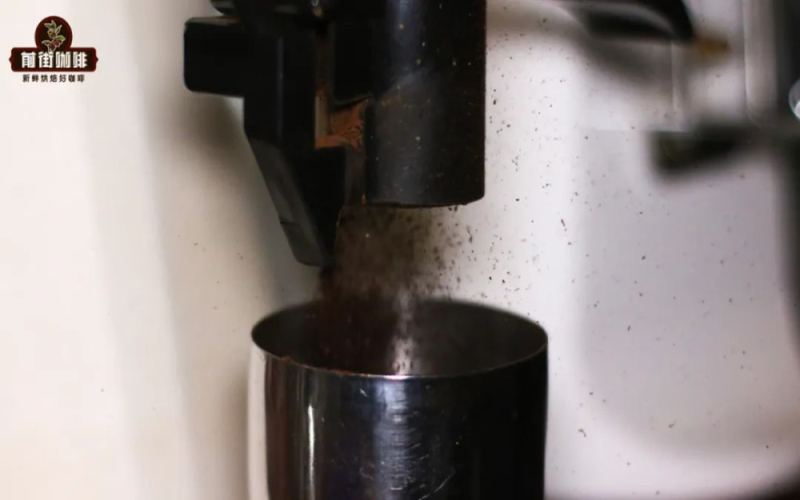
Why Does a Coffee Grinder Cause Flying and Sticking Grounds? Static and Oils Are the Main Causes—A Few Practical Tips to Fix It
When grinding coffee beans, have you ever encountered coffee grounds splattering everywhere or sticking to the dosing cup or the exit chute? There are usually two reasons behind this: the oils seeping out of dark-roasted beans, and static electricity in a dry environment. Dark-roasted beans have a loose structure, and as carbon dioxide is released, oils seep out along with it, making the ground particles prone to clinging to the cup walls; static electricity, meanwhile, causes fine particles to stick to the grinder's exit chute, reducing the actual amount of grounds you get. Some newer electric grinders come with anti-static plates, but many small electric grinders and hand grinders don't have this design. The Little Fuji grinder that Front Street Coffee once used had long-standing problems with flying grounds and retained grounds, and the bottom of hand grinder burrs often end up covered in coffee grounds. In addition to analyzing the causes, this article will also share a simple anti-static method of stirring coffee beans with a wet spoon, and remind you of the risks and precautions involved, helping you reduce waste and improve your grinding experience. [more…]
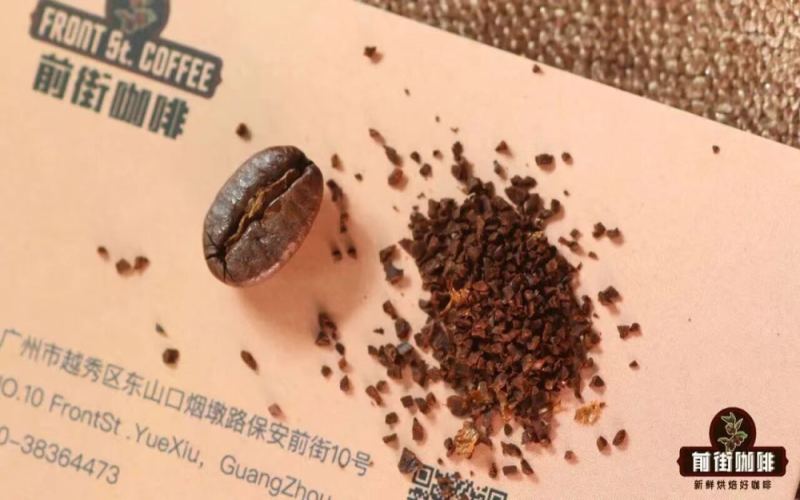
Coffee Bean Peak Flavor Window | Can Washed Yirgacheffe Pour-Over Coffee Grounds Be Stored in the Refrigerator? Is There a Big Flavor Difference Between Roasted Coffee Beans and Freshly Ground Coffee?
Freshly ground coffee brews up more aromatic—this is already a well-worn topic, and we also know well how important freshness is to coffee flavor. But sometimes, to avoid hassle, many friends have the merchant grind the coffee beans into powder before shipping when buying beans, because then when it comes time to brew, there's no need to worry about what grind setting to use, nor [more…]
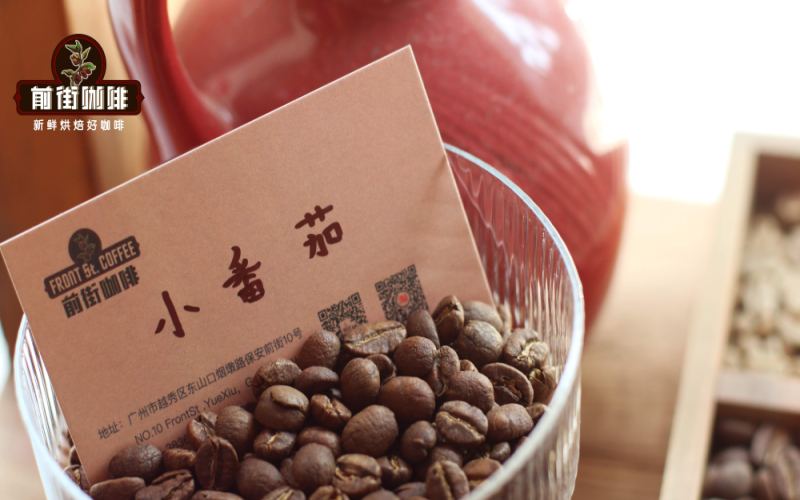
How to Store Ground Coffee | Can Ground Coffee Be Put in the Fridge? How Long Does Ground Coffee Last? How Do the Flavor and Taste Change After Coffee Beans Are Ground into Coffee Powder?
It's a well-worn topic that freshly ground coffee brews up more fragrant, and we're also well aware of how important freshness is to coffee flavor. But sometimes, to avoid hassle, many friends have the merchant grind the coffee beans into powder before shipping when buying beans, because then when it's time to brew, there's no need to worry about what grind setting to use, nor [more…]
Is freshly ground coffee powder really better? Flavor differences between pre-ground and freshly ground coffee and key storage points
In the specialty coffee world, "use only freshly ground coffee" is almost treated as gospel, but does this rule hold true in every situation? This article takes an in-depth look at the differences between pre-ground and freshly ground coffee in terms of flavor, aroma, and extraction performance, analyzes why coffee grounds deteriorate faster once exposed to air, and offers practical storage tips such as sealing, vacuuming, and keeping them away from light. At the same time, we'll also explore an easily overlooked fact: if all you have is a poor-quality blade grinder, pre-ground coffee from the shop may actually come out ahead. The article also cites practical insights from Ken Selby, 2018 U.S. Cup Tasters champion, and Alex Choppin, technical specialist at Baratza, to help you make a smarter choice based on your own equipment. [more…]
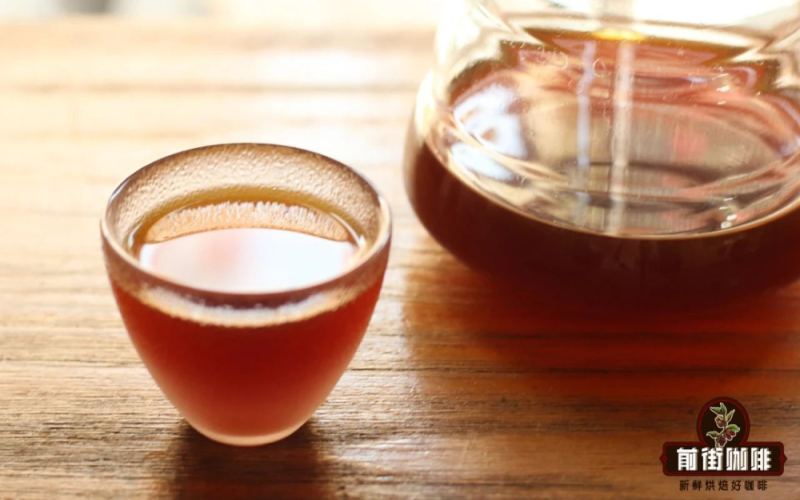
Coffee Beans or Ground Coffee? Front Street Explains the Brewing Methods and Storage Tips for Freshly Ground Coffee
Enjoying a good cup of coffee at home involves careful consideration at every step, from selecting beans and grinding to brewing equipment. In this article, Front Street Coffee answers questions for those who are new to coffee: How should you brew coffee after grinding the beans? Why is buying pre-ground coffee not a wise choice? We will outline five common methods for brewing ground coffee—decoction, pressure, gravity, infusion, and cold brew—and share practical tips on bean resting, storage, and using drip bag coffee. Whether you prefer the rich body of a French press or the layered complexity of pour-over, you will find an option that suits you here. [more…]
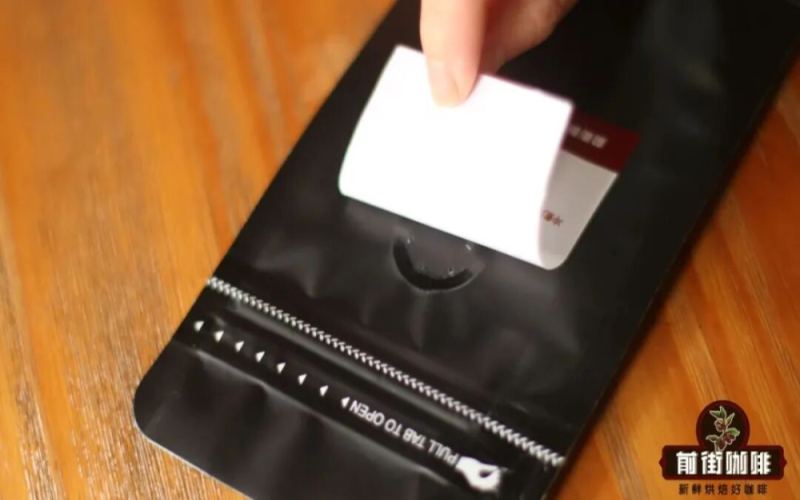
Should coffee beans be ground in advance? Examining the flavor differences between freshly ground and pre-ground coffee through a freshness experiment
Many friends, to save effort, ask the merchant to grind the coffee beans into powder directly when buying. But after grinding, how long can the coffee's flavor be preserved? And how should it be stored properly? Drawing on long-term experience and comparative experiments, Front Street starts from the coffee beans' flavor window, analyzes the loss patterns of carbon dioxide and aromatic compounds after grinding, and uses a bag of washed Yirgacheffe for day-by-day testing, recording the dry aroma, blooming performance, and flavor changes from freshly ground to after several days of storage, helping you judge whether pre-ground coffee powder is worth buying, and how to retain that fresh aroma as much as possible. [more…]

Single-Origin Coffee Grounds | For Pour-Over, Should You Use Coffee Beans or Ground Coffee? Which Is Better: Freshly Ground Coffee Beans or Pre-Ground Coffee? How Do You Brew Coffee with Ground Coffee?
For more specialty coffee knowledge, please follow: Front Street Coffee (Frontsteet Coffee). From the perspective of coffee flavor, pre-grinding coffee beans will accelerate the loss of coffee flavor. This is also the reason why most coffee shops, including Front Street, recommend freshly ground coffee. For domestic pour-over [more…]
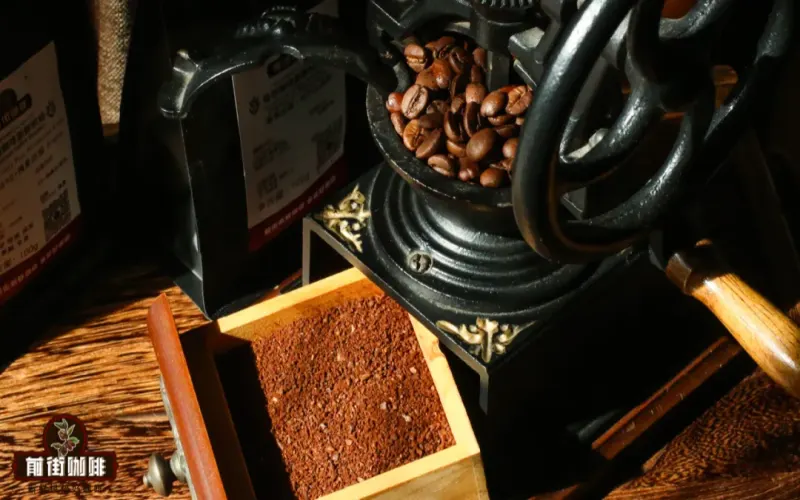
After coffee beans are ground into powder, how long is the remaining flavor period? Coffee powder storage methods and the truth about flavor loss
Many people care about the shelf life of ground coffee, but what truly deserves attention is its peak flavor window—the optimal time for enjoying it. Once coffee beans are ground, aroma molecules volatilize more rapidly, and flavor loss occurs far faster than with whole beans. Through experiments, Front Street Coffee found that the peak flavor window of ground coffee is about two-thirds that of whole beans; if beans have a 45-day window, ground coffee has only about 30 days. This article provides a detailed analysis of how the peak flavor window of ground coffee is calculated, why flavor loss occurs, and shares Front Street Coffee's recommended method of sealed portioned storage, helping you enjoy a cup of coffee with full flavor before the aroma fades. [more…]
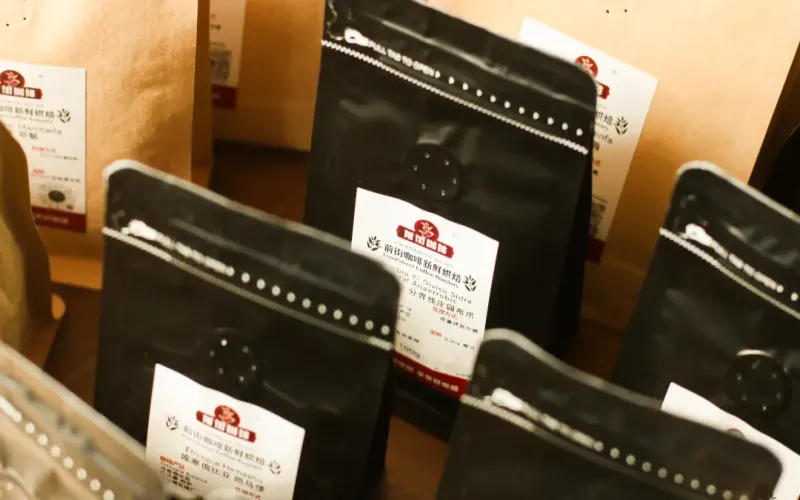
Coffee Beans vs. Ground Coffee Buying Guide: Why Pre-Ground Coffee Loses Flavor and Key Storage Tips
As the Spring Festival approaches, many coffee lovers are starting to stock up on their everyday beans. It is widely agreed that freshly ground coffee smells better, but to save effort, many people have the vendor grind it for them. This article focuses on the choice between whole bean and ground coffee, and drawing on Front Street's practical experience, it explains in detail the optimal flavor window of coffee beans, how long flavor lasts after grinding, and exactly how the taste of coffee changes when it is ground in advance. Through comparative experiments and real-world tests, it helps readers understand why pre-ground coffee doesn't taste good when brewed, and offers proper storage advice, so you can easily enjoy a good cup of coffee even during the holiday. [more…]
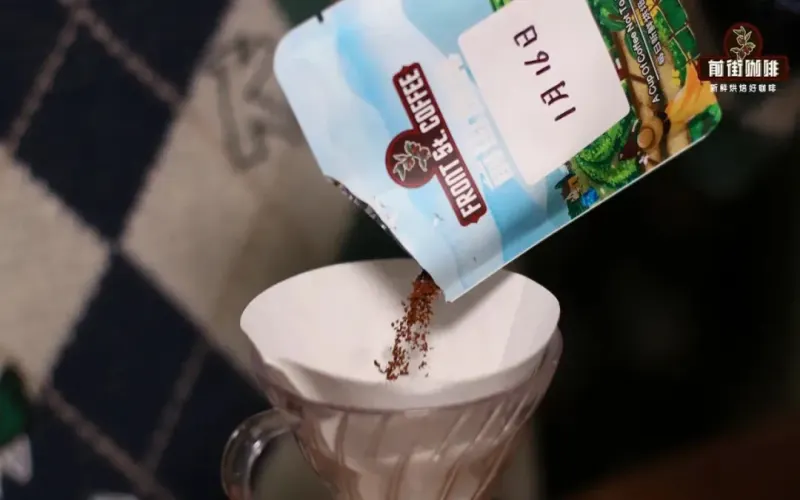
How Long Can Coffee Beans Retain Their Flavor After Being Ground into Powder? An Analysis of Aroma Changes and Preservation Methods in an Unsealed State
Once coffee beans are ground into powder, their intact structure is destroyed, the surface area increases nearly a thousandfold, and the rate at which flavor compounds are lost accelerates dramatically. Even with proper storage, the shelf life of ground coffee falls far short of that of whole beans—usually less than half. Front Street Coffee has previously shared content on how long ground coffee can be kept under sealed conditions, and afterward a reader raised a question in the comments: if ground coffee is not sealed, how will its aroma change over a short period? To answer this question, Front Street Coffee decided to conduct an experiment to observe the differences between coffees brewed from grounds produced at different times—in other words, to investigate how long coffee beans, once ground, can actually be kept without sealing. [more…]
How Long Can Ground Coffee Be Stored? Is Refrigeration Feasible and an Analysis of Proper Storage Methods
Freshly ground coffee always has a superior aroma, but to save the step of grinding, many friends choose to have the merchant grind the coffee beans into powder in advance. So, how long can coffee grounds actually be kept? How many days is the peak flavor period? Is storing them in the refrigerator really reliable? This article will start with the optimal flavor period of coffee beans, combine Front Street Coffee's comparative experiments, and provide a detailed analysis of how the flavor of ground coffee changes over time, along with correct storage recommendations to help you preserve that precious fresh aroma as much as possible. [more…]
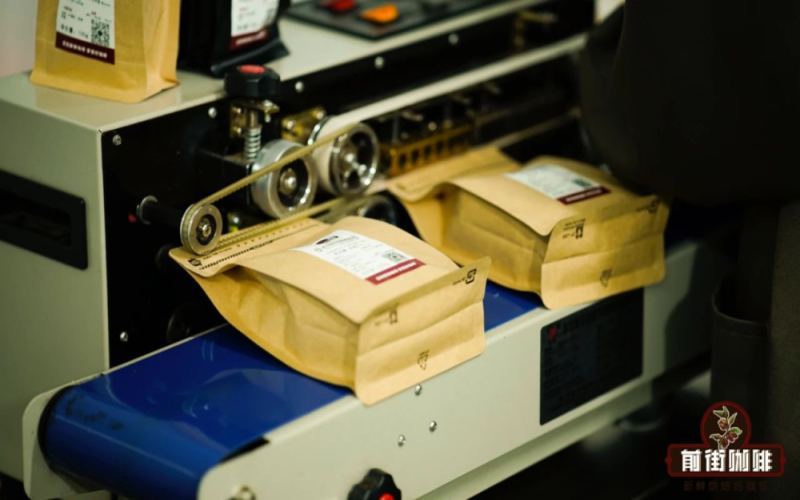
Must-Read for Coffee Beginners: Correct Storage Methods and Optimal Flavor Period for Freshly Roasted Coffee Beans and Freshly Ground Coffee
Friends who have just gotten their hands on freshly roasted coffee beans are often puzzled: the one-way valve on the coffee bag is clearly meant to release carbon dioxide, so why seal it off once the beans are ground? In fact, this comes down to the logic of preserving coffee flavor—whole beans release gas slowly, but once ground, flavor loss accelerates dramatically. Front Street Coffee has accumulated extensive experience in daily roasting and packaging. This article will systematically walk beginners through the key points of storing fresh coffee—from the function of the one-way valve, whether ground coffee needs resting, the difference between shelf life and peak flavor period, to the storage methods best suited to whole beans and ground coffee respectively—to help you enjoy a full-flavored cup within the optimal window. [more…]
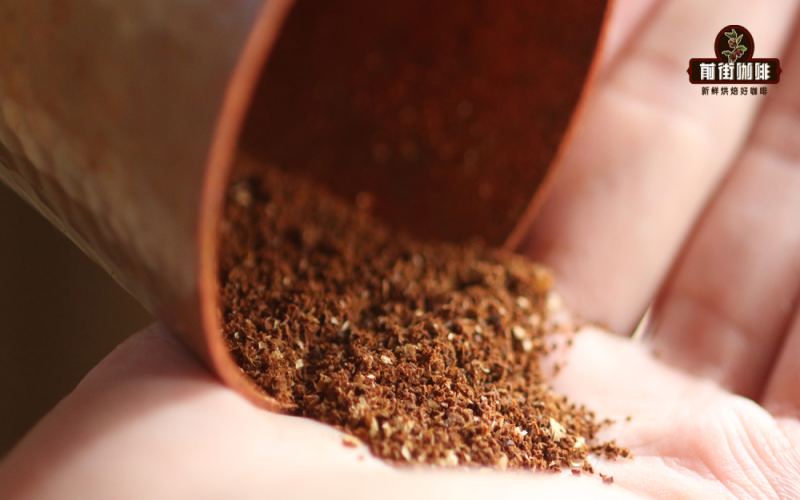
Three Major Causes of Coffee Ground Quality Decline and Practical Storage Tips to Extend Freshness
The freshness of ground coffee directly determines the quality of the flavor in your cup. Starting from the gas release patterns of coffee beans after roasting, this article provides a detailed analysis of how the three major factors—oxygen, moisture, and high temperature—accelerate the deterioration of ground coffee quality, and shares Front Street Coffee's storage recommendations. At the same time, through Front Street's comparative experiments and day-by-day flavor tests of Yirgacheffe, it reveals the timeline of aroma loss after coffee is ground into powder, helping you retain as much of coffee's essential aroma as possible in your daily brewing. [more…]
Should Coffee Beans Be Ground Fresh or Ground by the Seller? From Peak Flavor Window to Flavor Changes, Explained Clearly
Many coffee enthusiasts choose to have the shop grind their beans into powder when buying, for the sake of convenience—no need to adjust the grinder settings or do the grinding themselves. But once coffee is ground into powder, the aroma dissipates at a noticeably faster rate, and its peak flavor period shrinks significantly as well. Through practical comparative testing, Front Street Coffee found that well-sealed ground coffee can still maintain decent flavor within three weeks after grinding, but beyond a month, only a flat coffee taste remains. This article will start with the optimal flavor period of coffee beans, combine specific brewing experiments to analyze how coffee flavor changes after pre-grinding, and offer practical storage advice to help you decide whether to buy beans or ground coffee. [more…]
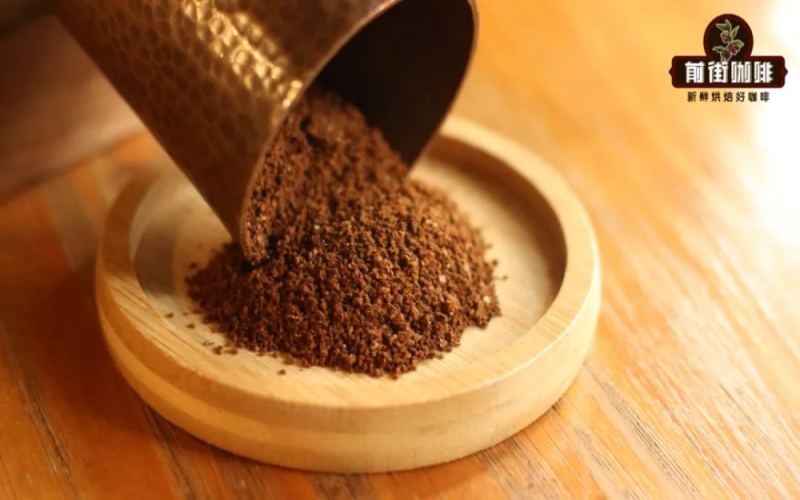
How Long Is the Shelf Life of Ground Coffee? An In-Depth Look at the Causes of Flavor Loss After Grinding and Practical Ways to Extend Freshness
Once coffee beans are ground into powder, their optimal flavor period is significantly shortened to less than a month, whereas whole beans can maintain good flavor for two months. The key reason behind this lies in the accelerated loss of carbon dioxide. Front Street Coffee has verified this phenomenon through dedicated experiments and summarized practical suggestions such as sealed packaging, reducing the number of times the package is opened, and a reasonable storage environment, to help coffee enthusiasts retain the aroma of ground coffee as much as possible in daily brewing. This article will analyze in detail the mechanism of flavor degradation after grinding and provide specific, actionable preservation methods. [more…]
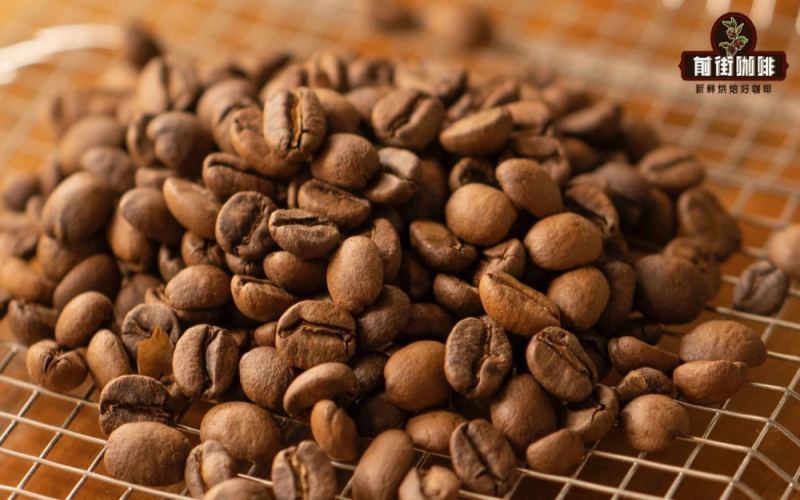
A Detailed Guide to the Freshness Differences Between Whole Coffee Beans and Ground Coffee, and How to Store Them
The flavor of coffee is closely tied to its freshness, and there is a significant difference in how long coffee beans and ground coffee stay fresh. Whole coffee beans, with their smaller surface area, generally maintain their freshness longer than ground coffee. This article will cover common questions about the storage life of coffee beans versus ground coffee, how to choose storage containers, and whether refrigeration or freezing is suitable, while sharing practical storage tips from Front Street Coffee to help coffee lovers preserve the aroma and taste of their coffee as much as possible from purchase to brewing. [more…]
Moka Pot Tutorial Illustrated | Comparison of Coffee Ground Coarseness Between Moka Pot and Espresso Machine What Kinds of Coffee Beans Are Suitable for Moka Pot
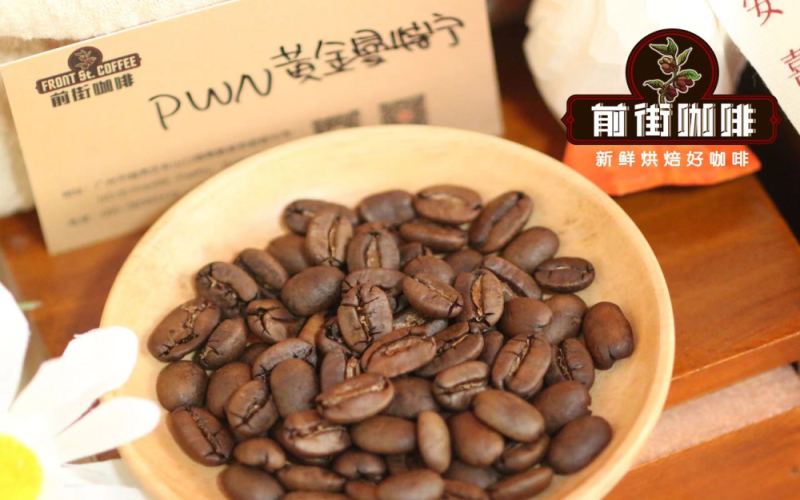
The moka pot is the most affordable type of machine for brewing espresso coffee, and it is commonly used in Italian households. It was invented in 1933 by the Italian Alfanso Bialetti, and it brews coffee by heating the base, making it a type of steam-distillation method. The moka pot and 19 [more…]
Reasons and Solutions for Water Separation from Coffee Grounds in Pour-Over Coffee: A Comprehensive Analysis from Bean Density, Grind Fines, and Freshness to Pouring Technique
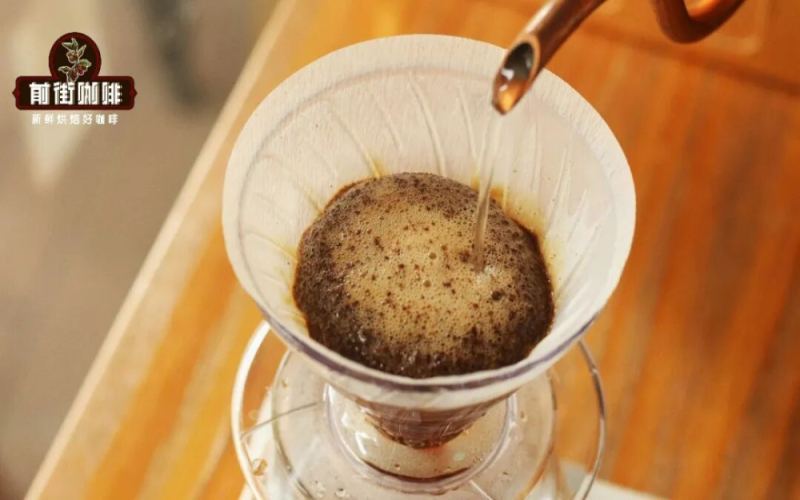
After the bloom, an ideal pour-over should show the water flow churning the coffee grounds, a golden foam layer on top, and an orderly wall of grounds forming along the edge of the dripper. Yet many coffee enthusiasts notice that in the middle and later stages of brewing, all the coffee grounds sink to the bottom while the hot water floats on top, and once dripping finishes, only a flat bed of grounds remains—this is what is often called "ground-water separation." This article focuses on this phenomenon, analyzing one by one the four causes: high-density light-roast beans, over-fine grinding with too many ultra-fine particles, stale coffee beans, and improper pouring technique. Drawing on several high-altitude beans from the Front Street Coffee brand, it offers specific ways to diagnose the problem and ideas for adjustment, helping coffee enthusiasts understand the root of an imbalanced extraction rhythm and find actionable solutions for improvement. [more…]
Why Isn't It Recommended to Have Espresso Beans Pre-Ground? An In-Depth Look at Coffee Grounds Shelf Life and Grind Precision
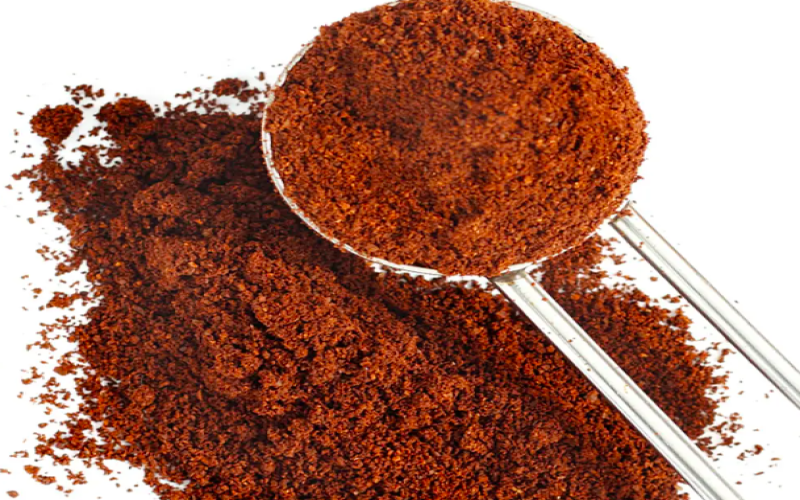
Many merchants who sell coffee beans offer a grinding service, but if you plan to use that ground coffee to extract espresso, Front Street suggests you think twice. This article explains in detail, from three angles—the speed of flavor loss, the impact of carbon dioxide loss on crema, and the demanding precision requirements of espresso grinding—why espresso beans are not suitable for grinding into powder in advance, while also telling you just how short the shelf life of ground coffee really is. If you care about crema and flavor in coffee, this key information is not to be missed. [more…]
Coffee Grounds Drive Coffee Roasting: Japanese Company Teams Up with University to Develop Biochar Fuel, Claims Zero Carbon Emissions
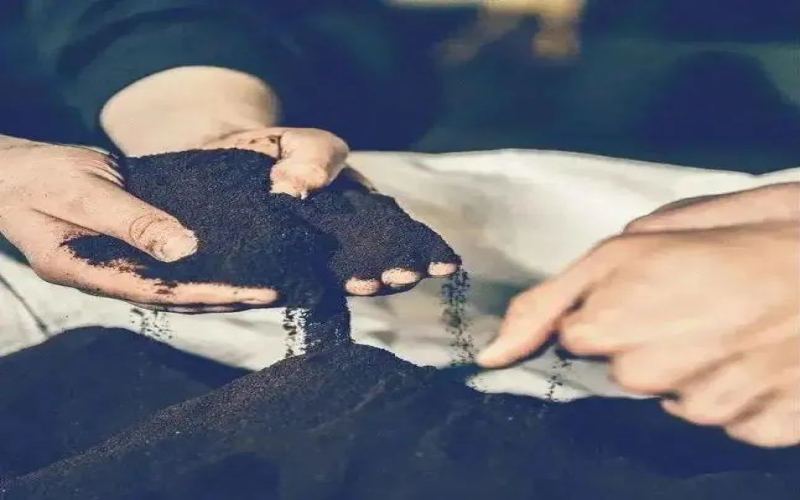
As the most common waste product in coffee shops, coffee grounds generate over 8 million tons globally each year, and their disposal not only consumes energy but also pollutes the environment. Over the past decade, researchers have continuously explored ways to reuse coffee grounds, from blended fuels to eco-friendly boards, from clothing fabrics to food utensils, coffee grounds are transforming into a new eco-friendly favorite across multiple industries. A Japanese coffee roasting company has teamed up with a research team from Kindai University to develop a biochar fuel made from coffee grounds, and claims that the carbon dioxide released during combustion can be offset by the amount absorbed during the growth of coffee plants, thereby achieving zero carbon dioxide emissions. This "fighting magic with magic" environmental approach—how exactly is it achieved? [more…]