







How should freshly roasted coffee beans be stored for full flavor?
Freshly roasted whole beans release carbon dioxide slowly, but once ground, aroma loss speeds up sharply, so ground coffee should be sealed right away, including taping over the one-way valve. The valve exists to let carbon dioxide escape without letting air back in, protecting beans from oxidation. If you want to know how to eat coffee beans, storage comes first.
Resting is only useful for whole beans, letting them shed some internal gas before brewing. Shelf life and peak flavor period are not the same thing: a bag may be safe to use long after its flavor has faded. For coffee beans for hand brew, buy in small amounts, grind just before use, and keep the container sealed, cool, and away from light and strong odors.
Friends who have just gotten their hands on freshly roasted coffee beans are often puzzled: the one-way valve on the coffee bag is clearly meant to release carbon dioxide, so why seal it once the beans are ground? In fact, this involves the logic of preserving coffee flavor—whole beans release gas slowly, but after grinding, the flavor loss accelerates dramatically. Front Street Coffee has accumulated rich experience in daily roasting and packaging. This article will systematically walk beginners through the key points of preserving fresh coffee—from the function of the one-way valve, whether ground coffee needs resting, the difference between shelf life and peak flavor period, to the suitable storage methods for coffee beans and ground coffee respectively—helping you enjoy a full-flavored cup within the optimal time window.
Recently, a friend asked Front Street: "After coffee beans are ground, why should the one-way valve be sealed instead? Wouldn't that prevent carbon dioxide from escaping the packaging?"
The function of the one-way valve on coffee packaging
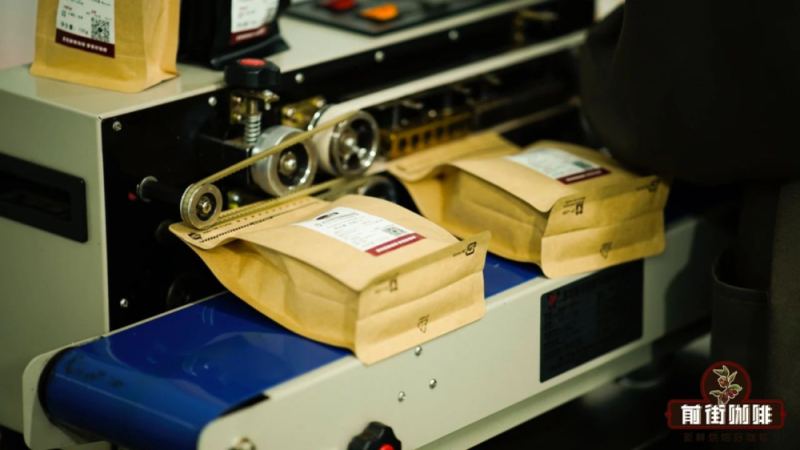
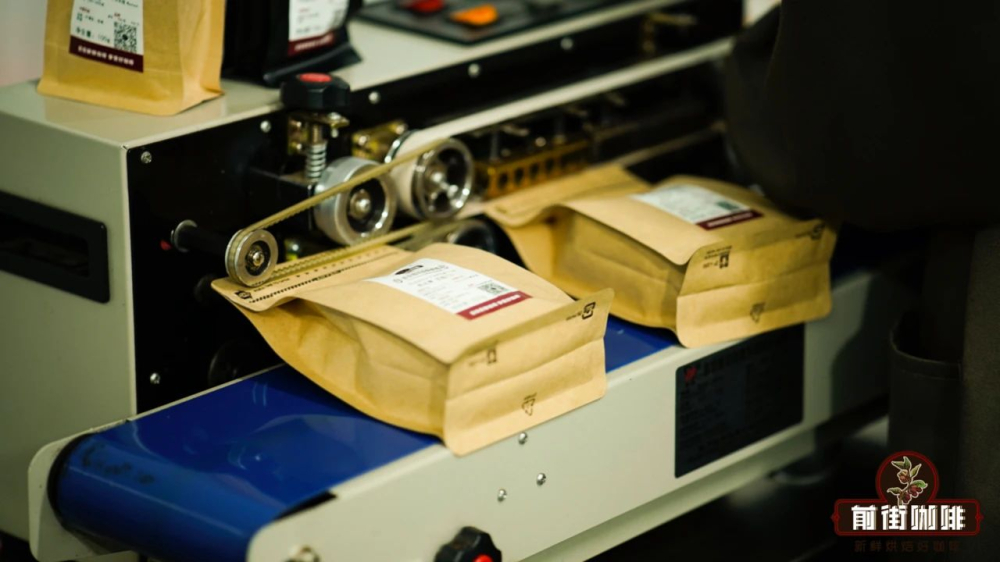
After roasting and cooling, Front Street immediately seals the coffee beans in bags to minimize the loss of flavor compounds. However, freshly roasted beans generate a large amount of carbon dioxide internally, and these gases continue to be released after roasting. Without a channel to let them escape, the pressure inside the packaging would keep rising and easily burst the bag.
That small hole is actually a one-way degassing valve: it allows carbon dioxide to escape while blocking outside air from flowing back in through the opening, thereby slowing down the oxidation of the coffee beans. But since this device lets carbon dioxide out, the coffee's aromatic compounds can also escape through the valve.
Why seal the one-way valve after grinding?
The answer is to lock in flavor. When coffee is still a whole bean, carbon dioxide and aromatic compounds are released quite slowly; but once ground, they seem to break free of their restraints, and the rate of loss becomes astonishingly fast. Therefore, after grinding, coffee grounds need to be immediately sealed in packaging, and that air hole—which would let flavor escape—must be sealed shut.
Do freshly roasted coffee beans still need resting after being ground?
No!
The purpose of resting is to let coffee beans release some of their internal carbon dioxide: on one hand, it takes away the roastiness right after roasting, making the flavor rounder and fuller; on the other hand, it reduces carbon dioxide interference with extraction during brewing. If the coffee has already been ground, there is no need to rest it, because during transport the pressure from carbon dioxide inside the packaging also softens the flavor. So once you receive ground coffee, you can brew a cup and enjoy it right away.
Shelf life and peak flavor period of freshly roasted coffee beans after grinding
Theoretically, freshly roasted coffee beans can have a shelf life of up to one year, but since aromatics gradually dissipate along with gas release, the peak flavor period is usually only 40 to 50 days. Once coffee beans are ground, the decline in aroma accelerates, and flavor loss happens even faster. Based on Front Street's practical experience, after freshly roasted coffee beans are ground, the peak flavor period is within 20 days.
How to store freshly roasted coffee beans after grinding?
/Keep in a cool, ventilated, and dry place
Whether coffee beans or ground coffee, avoid placing them where they are exposed to direct sunlight, because high temperatures accelerate the release of coffee flavor and greatly shorten the peak flavor period. Also pay attention to whether the storage environment is humid—humidity easily breeds bacteria, which not only gives the coffee a musty smell but may also harm your health.
/Store completely sealed
Coffee beans can be kept sealed in their original packaging, but ground coffee is best stored in a fully sealed container. There are two reasons: first, ground coffee oxidizes far faster than coffee beans; second, if the original packaging is not sealed tightly enough, the flavor will desperately escape, so storing it in a completely sealed container offers better protection.
A final little reminder
Although freshly ground coffee is convenient to use, Front Street still recommends grinding coffee beans right before brewing. It is also advisable to finish one bag before buying the next when purchasing coffee—after all, the freshness of coffee beans or ground coffee really is crucial!
The above content is compiled by CoffeeHunters, a coffee news website.


