







Freshly ground coffee tastes more aromatic when brewed—this has long been a well-worn topic, and we also deeply understand the importance of freshness to coffee flavor. However, sometimes to avoid hassle, many friends ask the merchant to grind the coffee beans into powder before shipping when purchasing, because then when brewing, there's no need to worry about what grind setting to use, nor the effort of slowly hand-grinding—it's truly time-saving and labor-saving.
As more and more people request pre-grinding, Front Street has also received a series of related questions, such as how long can coffee beans last after being ground into powder? How many days is the shelf life of coffee powder? How should ground coffee powder be properly stored? OK! OK! Front Street knows you're anxious, but please don't rush—let's crack these one by one starting from the shelf life~
The Best Shelf Life of Coffee Beans
During the roasting process of green coffee beans, the internal structure continuously absorbs heat and expands, storing a large amount of carbon dioxide. These gases have pros and cons: the downside is that too much can hinder the extraction of flavor compounds by hot water, while the upside is that they prevent the loss of volatile aromas.
Based on past experience, these gases will rapidly release 60%–70% of the carbon dioxide within 4–7 days after roasting (at this time, blooming most easily forms a nice burger shape). After only 30–40% of the gas remains in the bean body, their release rate will noticeably slow down, which means the coffee beans begin to enter a stable phase. The brewing flavor will reach its optimal state within 30–45 days after roasting, and this period is what we often call the best shelf life.

Of course, besides looking at the roast date, the flavor performance of coffee beans is also related to the storage environment. Generally speaking, after receiving fresh coffee beans, we recommend storing them in a sealed, cool, dry, and dark place, and reducing the number of times the seal is opened during use. Just imagine, if a bag of beans is opened several times a day, or frequently exposed to moist air, then even if it's still within the recommended shelf life, the coffee powder has likely already "gone stale."
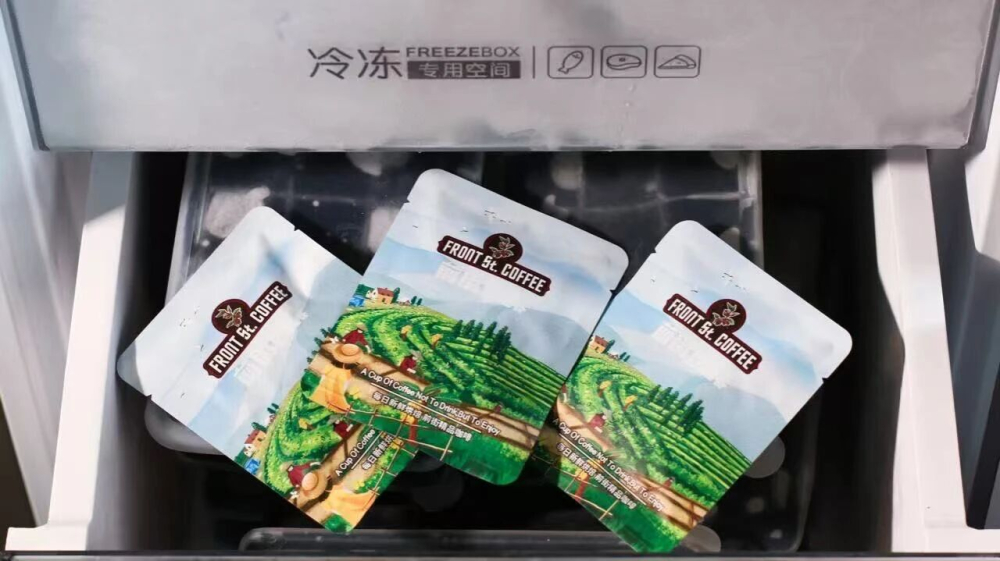
Some friends think of putting coffee powder in the refrigerator for cold storage. This can indeed inhibit aroma loss to some extent, but because coffee undergoes liquefaction during the warming process, small water droplets form inside the packaging, causing the coffee powder to become damp and thus affecting the final flavor, so Front Street does not recommend this operation. For freshly received coffee beans, Front Street believes the flavor is best when consumed within 2 months. But if already ground into powder, because the contact area with air increases, it needs to be consumed as soon as possible—the aroma is best within 20 days.
After Coffee Is Ground, How Long Can the Flavor Be Preserved?
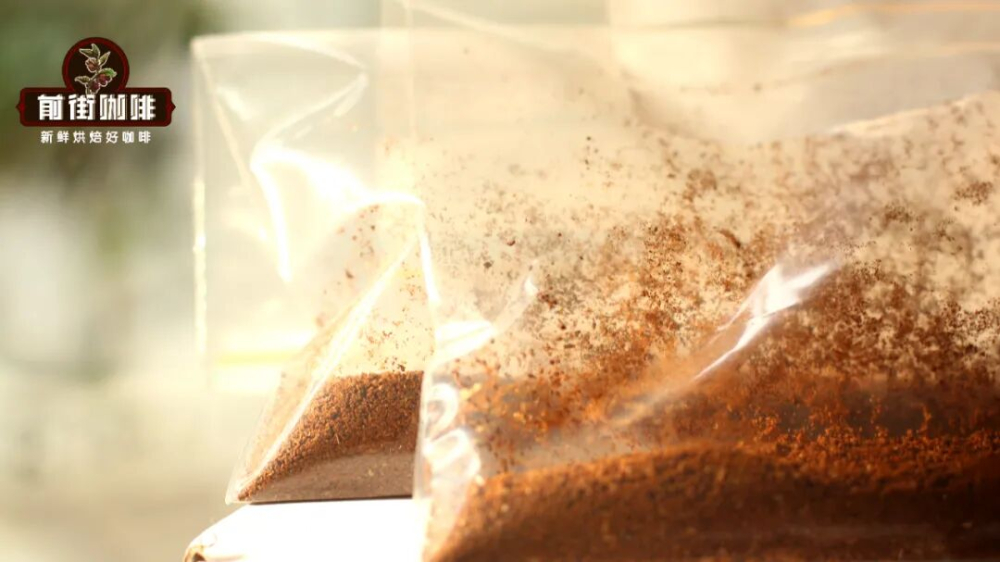
As is well known, when coffee beans are freshly ground into powder, the aroma is at its richest. These coffee aromas are actually volatile flavor compounds dispersing through the air, which allows us to smell them. Before grinding, coffee beans are a complete structure, and carbon dioxide can only be slowly released through the surface layer. When the beans are ground into powder, it means the surface area in contact with air expands, and at this time a large amount of carbon dioxide will accelerate the loss along with aromatic compounds, so the shelf life will inevitably be shortened.
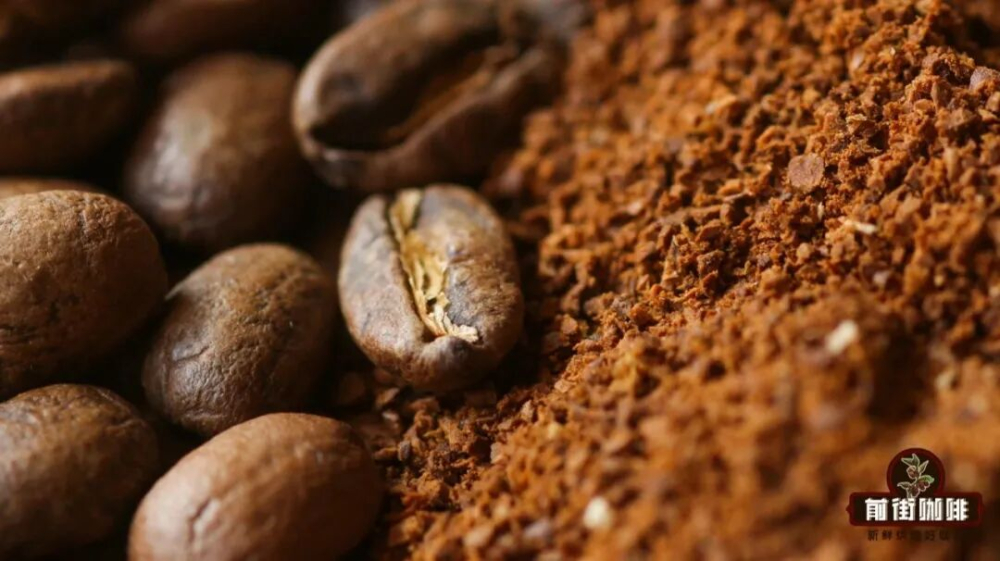
In order to find the best shelf life for ground coffee, Front Street once conducted a comparative experiment, grinding Front Street Panama Boquete Geisha coffee beans roasted on the same day into powder 30 days, 21 days, and 14 days prior, then storing them separately sealed, and brewing them simultaneously for comparison.
In the end, we found that under the premise of sealed storage and few openings, coffee ground into powder can still deliver a decent flavor within 3 weeks, but it diminishes day by day. When stored for more than one month after grinding, the aroma completely dissipates, leaving only a bland "coffee taste."

Therefore, if you stock up a relatively large amount at once and the frequency of coffee consumption is not high, then Front Street suggests that after receiving pre-ground coffee powder, immediately divide it into multiple sealed jars or sealed bags for storage, opening only as needed. This way, you don't have to worry about the remaining coffee aroma slipping away due to frequent opening.
What Changes in Taste Occur with Coffee Ground in Advance?
Out of curiosity, last week Front Street ground a bag of idle washed Yirgacheffe (roast date: December 29, 2024) into powder, then tested its flavor state every day to see what connection there is between the storage time of coffee powder, the brewing state, and the final flavor performance.

Freshly ground and brewed: Rich dry aroma, with obvious white floral and citrus fruit notes, as well as honey sweetness. Blooming puffs up normally, and the coffee bed continues to bubble; Flavor: fresh orange peel, light floral, lemon, snow pear, plum acidity. After the temperature drops, there are notes of melon seeds, caramel, and green tea, with a light and bright acidity.
First day after grinding: The dry aroma has obvious fresh notes of citrus and lemon peel, the floral scent weakens, with some nutty and milk candy aromas. During brewing, rich bubbles are released; Flavor: sweet orange, pomelo, tea-like, lively acidity, with a noticeable sweet aftertaste.
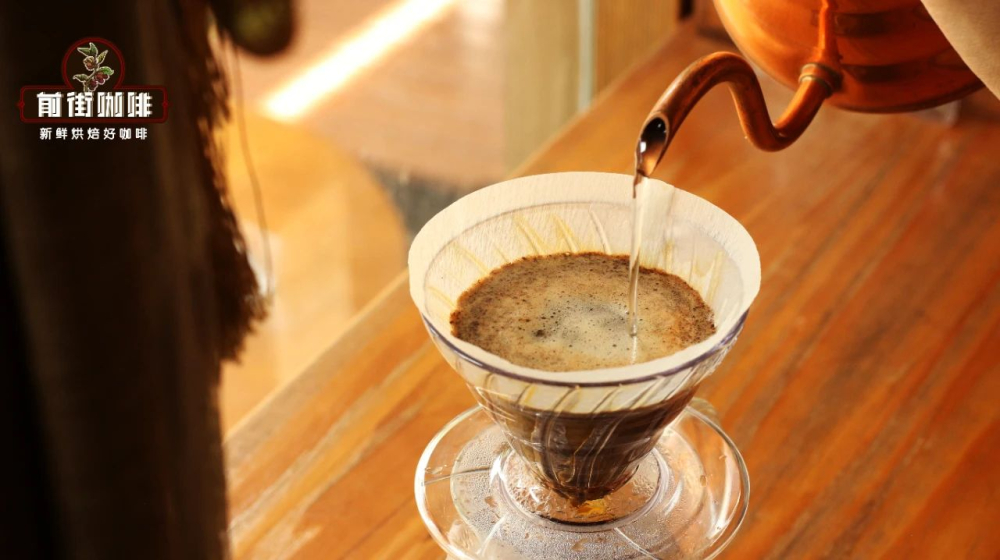
Second day after grinding: The dry aroma slightly fades, with a citrus freshness. Blooming does not puff up, and during extraction, a small amount of bubbles emerges from the coffee bed; Flavor: mainly citrus and pomelo sweet-sour notes, with a flavor profile similar to the previous day, a caramel sensation on the palate, and a green tea finish.
Third day after grinding: The dry aroma is honey, citrus, and nutty. Bubbles during blooming and extraction decrease; Flavor: pomelo, lemon, tea-like, with acidity less bright than the previous day, and a heavier caramel sensation.
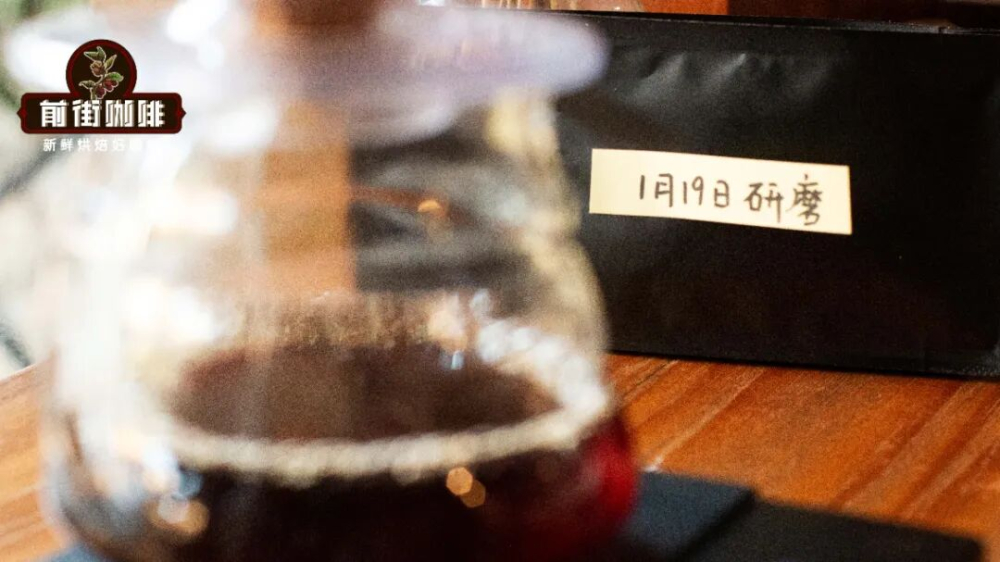
From this, it can be seen that after coffee beans are ground into powder, not only does carbon dioxide continuously dissipate with storage time, but the aroma of the brewed coffee also gradually diminishes. Taking Front Street's light-roasted Yirgacheffe this time as an example, when freshly ground, it exhibited a refreshing and bright profile. As the coffee powder is exposed to air more frequently and stored longer, the coffee's profile slowly evolves from fresh fruit sweet-sourness to a fuller caramel sensation. At this point, no matter how you adjust other parameters, it's hard to achieve the flavor performance of when it was just ground.
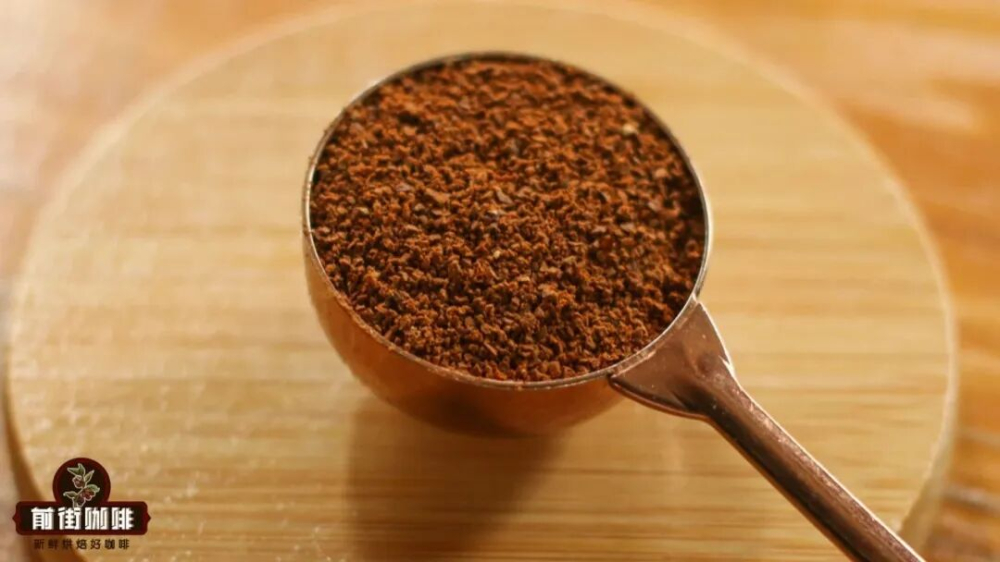
In fact, this type of medium-light roast coffee inherently emphasizes floral and fruity notes. A few hours after being ground into powder, much of the essential aroma is already lost. So if you pursue this kind of flavor, and conditions permit, Front Street recommends equipping a coffee grinder, so you can experience the aroma brought by freshly roasted, freshly ground coffee.
The above content is compiled by CoffeeHunters, a coffee news website.

