







Search Results for: full-bodied taste
Where Does the Rich, Full-Bodied Taste of Mandheling Coffee Come From? A Complete Guide to Dark Roast Brewing Techniques and the Secret to Avoiding Bitterness
Why does Mandheling coffee taste so full-bodied? And how should dark-roasted beans be brewed to avoid a burnt, bitter taste? This article systematically examines the key factors affecting coffee body—from coffee variety, growing altitude, and processing method to roast level, brewing equipment, and technique—and offers recommendations from the Front Street Coffee bean list for full-bodied beans at different roast levels. Whether you're a dark-roast lover who prefers an intense body or a single-origin coffee enthusiast trying to understand where body comes from, you'll find practical ideas for choosing beans and brewing. [more…]
Rich and Syrupy Body: Regions Beyond Mandheling
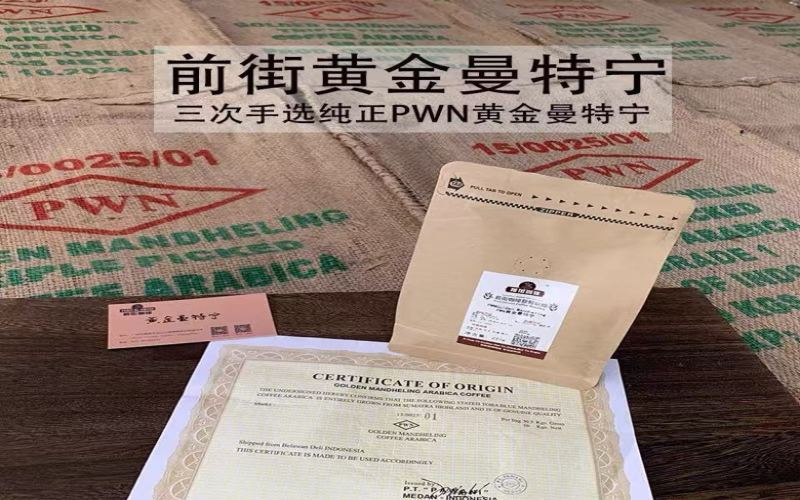
For a rich, full-bodied taste and a beautiful crema, many people's first choice is Mandheling. Mandheling is indeed the representative of the full-bodied style, but it's far from the only origin that offers that rich body and crema—getting to know a few more directions will give you a much wider range of choices. First, let's look at Mandheling. Sumatra Mandheling from Indonesia is the long-established representative of the full-bodied style—Front Street PWN Indonesia [more…]
What Exactly Is the Full-Bodied "Body" of Coffee? An In-Depth Analysis of Full-Bodied Coffee Types and Brewing Adjustment Techniques
People often describe a cup of coffee as "rich, mellow, and sweet," but what exactly do "rich" and "mellow" mean? This article starts from the roast level of coffee beans, analyzing how the full-bodied mouthfeel manifests in the mouth, and recommends several Front Street Coffee beans with a full-bodied flavor, including Golden Mandheling, Queen's Estate, and Colombia Huila. At the same time, it offers practical adjustment solutions across four dimensions—coffee-to-water ratio, brewing time, dripper selection, and pouring technique—to make dark-roasted coffee taste thicker, helping coffee enthusiasts solve the problem of brewed coffee turning out too thin. [more…]
Recommendations for Full-Bodied Coffee Beans: Balancing Budget and Drinking Frequency
When it comes to full-bodied coffee beans, first consider how you plan to drink them every day. When buying beans for daily use, you need to think about how quickly you'll go through them, how much to buy at once, and whether you'll mainly make black coffee or milk-based coffee at home. If you mainly drink black coffee, you can pay more attention to aroma and aftertaste; if you often add milk, then you need to consider whether the intensity and body can hold up, which will directly [more…]
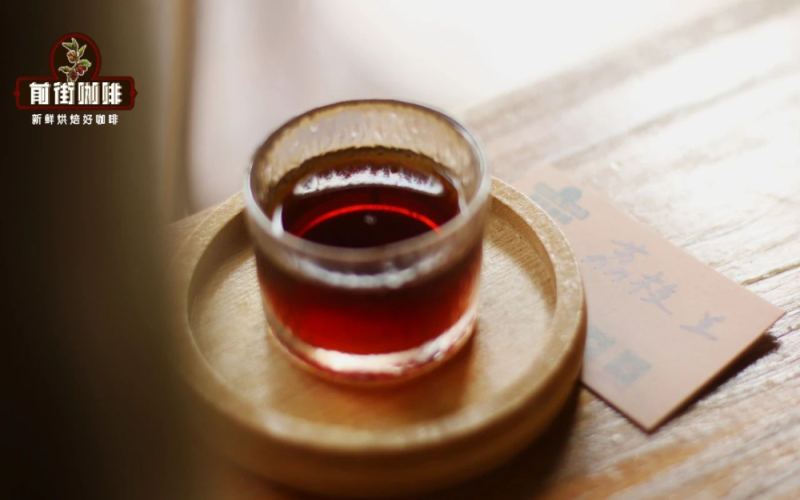
Why is Indonesian Mandheling coffee so full-bodied? A complete analysis from its naming story to wet-hulling processing and pour-over techniques
Mandheling coffee is famous for its rich, full-bodied character with caramel and dark chocolate flavors, and is a classic representative of Indonesian coffee. It has low acidity and a distinct bitterness, making it a favorite among coffee lovers who prefer a heavy mouthfeel. Have you ever wondered about the origin of the name Mandheling? Behind it lies an amusing anecdote from the Japanese occupation period. And its signature goat-hoof-shaped bean appearance stems from Sumatra's unique wet-hulling process. From the perspective of Front Street Coffee, this article walks you through the naming origins of Mandheling, the characteristics of the Lintong growing region, as well as Front Street's recommended pour-over parameters and three-stage pouring method, helping you brew a rich, full-bodied Mandheling that balances caramel sweetness with nutty flavors. [more…]

Coffee Body | How to brew a rich, full-bodied pour-over coffee? Recommended single-origin pour-over coffee beans that are neither sour nor bitter and have a sweet aftertaste
People always like to describe the beauty of a cup of coffee as rich and sweet, but what is "rich"? What is "mellow"? Wherein lies the difference? The coffee bean roast levels commonly seen on the market can be roughly and simply divided into three categories: light roast, medium roast, and dark roast. To highlight a rich and full-bodied coffee taste, roasters generally [more…]
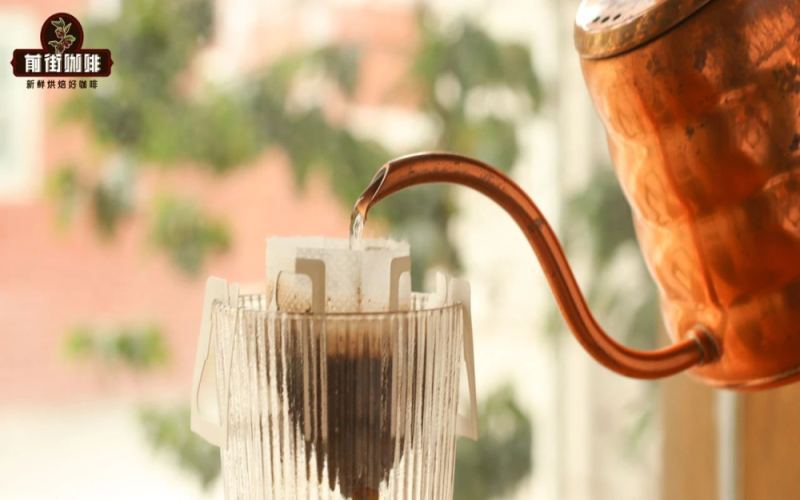
A Guide to Buying Low-Acid, Full-Bodied Drip Bag Coffee: Three Key Points on Roast Level, Origin, and Flavor, Plus Brewing Tips in Detail
Love coffee but not the sourness? This guide is made especially for coffee lovers who pursue a rich, mellow taste without acidity. When choosing drip bag coffee that is non-acidic and full-bodied, three key points matter: the roast level should mainly be medium-dark, the origin determines the bean's character, and the flavor description is the most direct basis for consumers to judge. This article recommends several of Front Street Coffee's everyday drip bag coffees, all guaranteed to be freshly roasted within 5 days and shipped within 24 hours. In addition, brewing drip bag coffee also requires attention to technique—the amount of water, water temperature, and flow rate all affect the final flavor. For a 10-gram packet of grounds, it is recommended to pour 150 grams of water, with the water temperature best controlled at 88 to 93 degrees, and never reuse the grounds for a second brew. Master these key points, and you can easily brew a rich, mellow cup of good coffee even in the office. [more…]
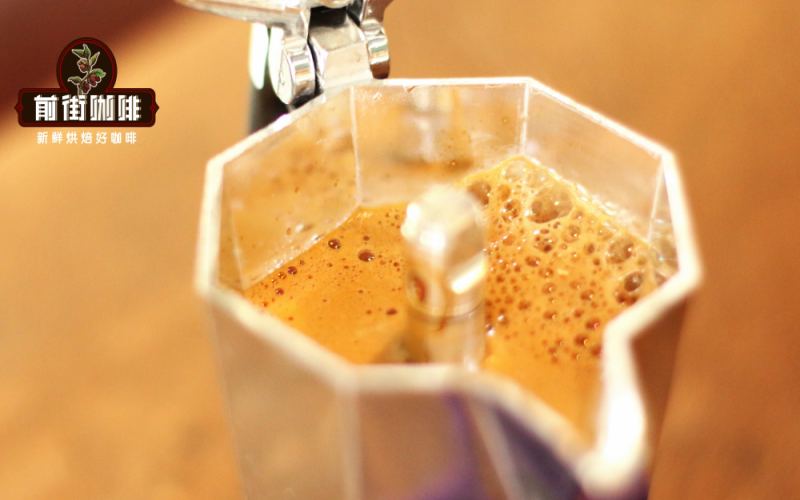
Moka Pot Non-Acidic Coffee Bean Recommendations: From Beginner to Advanced
Friends who brew coffee with a moka pot almost always struggle with one question: how do you pick a bean that isn't sour? After all, coffee made in a moka pot is highly concentrated, so any sourness becomes very obvious once it appears. The good news is that as long as you stick to the directions of "full-bodied, low-acid, rich in oils," there are excellent choices from beginner to advanced levels. [more…]
Where does coffee body come from? Master the coffee-to-water ratio, brewing time, and dripper choice to brew a rich, full-bodied cup.
When tasting coffee, we often describe a good cup as "rich" or "sweet," but what exactly is richness? What is mellowness? And where does the difference between the two lie? In fact, this is closely related to the coffee's "body." Body refers to the sense of weight that the coffee liquid presents in the mouth—is it light as water, or thick as milk? This article will systematically explain how to brew a rich, full-bodied cup of coffee from five aspects: choice of roast level, coffee-to-water ratio, brewing time, dripper selection, and pouring technique, and will recommend a number of dark-roast coffee beans suited to those pursuing a heavy, substantial flavor. [more…]
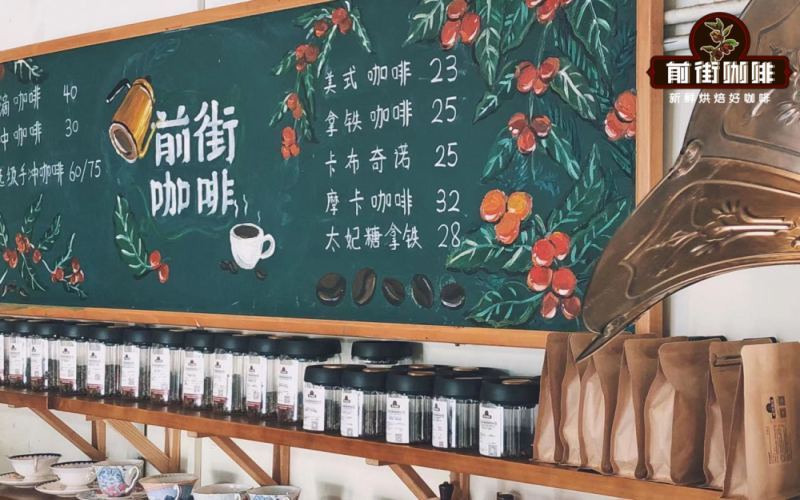
Espresso Flavor Analysis: Is Espresso Bitter, How to Taste It, and a Guide to Choosing Espresso Beans
Espresso is the drink least frequently ordered on its own in coffee shops, and many cafes even keep it hidden off the menu, making it only when a customer specifically asks. This article revolves around several core questions about Espresso: Is it actually bitter? How should you taste it? What makes it unique? Why do most cafes prefer to use espresso blends to make it? At the same time, Front Street Coffee has also put together several espresso bean recommendations suitable for stable extraction, covering a delicate winey type, a slightly acidic and full-bodied type, a balanced rich-aroma type, and a classic full-bodied type, for friends who want to recreate the espresso flavor at home. [more…]
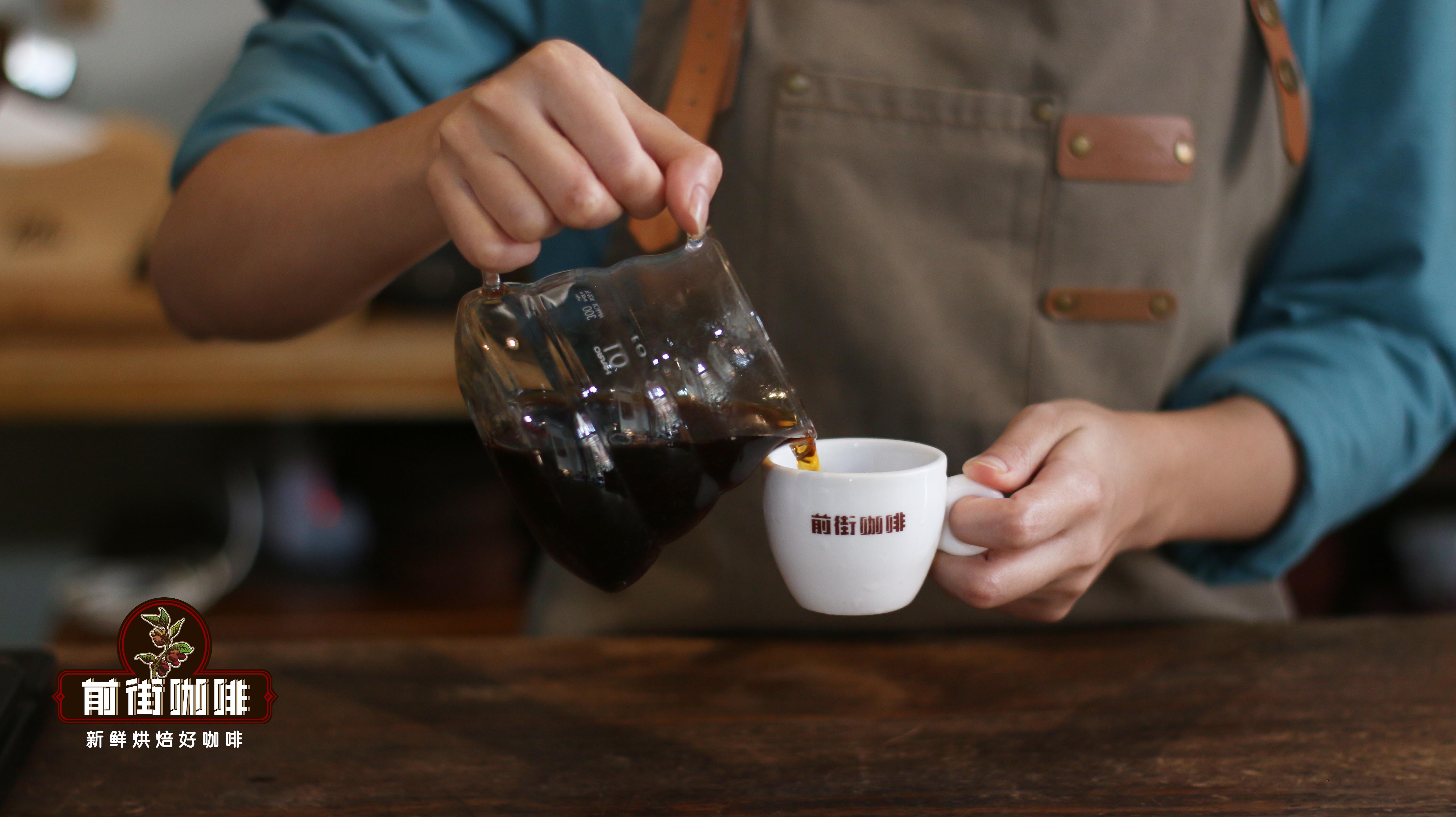
Indonesian Sumatra Golden Mandheling G1 Grade Analysis: Pour-Over Flavor Characteristics and Brewing Tips
Indonesian Mandheling coffee has always won over the taste buds of many seasoned coffee lovers with its solid, full-bodied flavor. Some people mistakenly believe that full-bodied equals bitter, but in fact, once coffee reaches a certain level of body, a sweet aftertaste reminiscent of sucrose or brown sugar emerges in the mouth. The Golden Mandheling produced by Front Street Coffee is a typical example, with rich flavor layers that have reshaped many beginners' understanding of the word "full-bodied." This article will focus on this PWN Golden Mandheling, analyzing it one by one from the producing region background, PWN's screening standards, Indonesia's green bean grading system, the characteristics of the Ateng variety, and the principles of the wet-hulling process, to Front Street's roasting curve recommendations and the three-pour hand-brew parameters for the Kono dripper, along with a complete brewing flavor description, to give you a comprehensive understanding of this Sumatra representative. [more…]
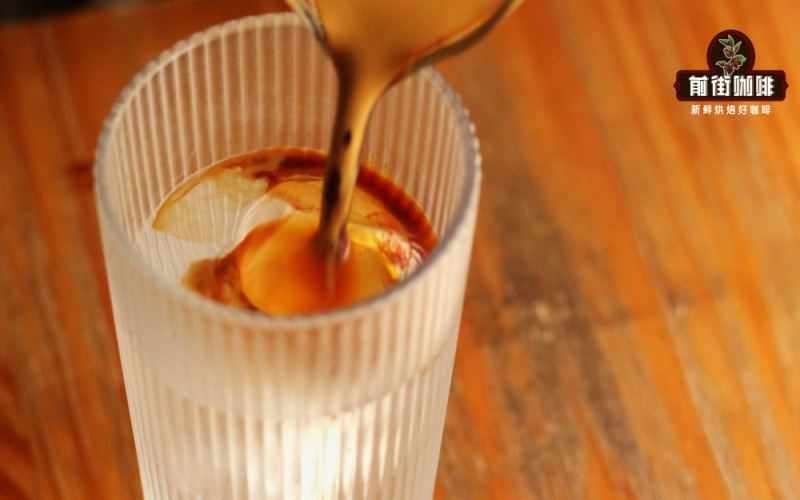
Moka Pot Americano Weight Loss Guide: Low-Acid, Rich Coffee Bean Selection and Front Street Brand Recommendations
Want to use Americano to help with fat loss, but always put off by the bitter and sour taste? The key actually lies in choosing the right beans and brewing method. This article starts with the detailed steps for making an Americano with a moka pot, helping you easily extract a low-acid, non-bitter espresso base, then add water to make a refreshing Americano. Next, it focuses on recommending several espresso blend coffee beans suitable for moka pots, including Front Street Coffee's Classic, Commercial, Black Cocoa, and Strawberry Candy series, covering nutty balance, rich and full-bodied, mildly acidic and full-bodied, and floral-fruity notes, to satisfy different tastes. Finally, it shares the correct timing for drinking black coffee after meals and before exercise for weight loss, and reminds you that relying on coffee alone for slimming is not advisable—it must be paired with a healthy diet and regular exercise. [more…]
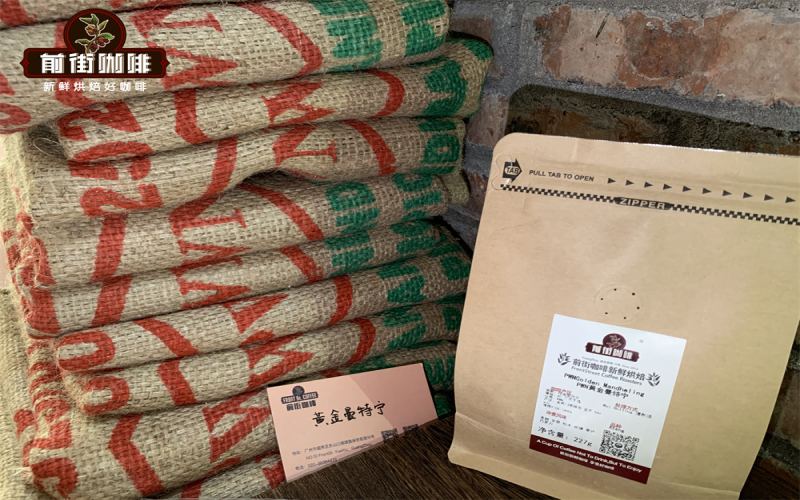
Indonesian Coffee from Planting to Serving: A Complete Analysis of Mandheling Flavor Sources and Pour-Over Practice
Indonesia is an important coffee-producing country globally, and Mandheling is its most recognizable full-bodied representative. This article starts with Front Street Mandheling to trace the changes in Indonesian coffee cultivation since 1696, the terroir differences between Sumatra's two core producing regions, Lake Toba and Lake Tawar, and analyzes the adaptation and performance of varieties such as Typica, Tim Tim, and Catimor in the local area, while explaining in detail why the wet-hulling process creates a low-acid, highly full-bodied cup profile. Finally, using Front Street Golden Mandheling and Front Street Lintong Mandheling as examples, it provides KONO dripper pour-over parameters, staged pouring steps, and brewing adjustment ideas to help enthusiasts brew their ideal flavor consistently. [more…]
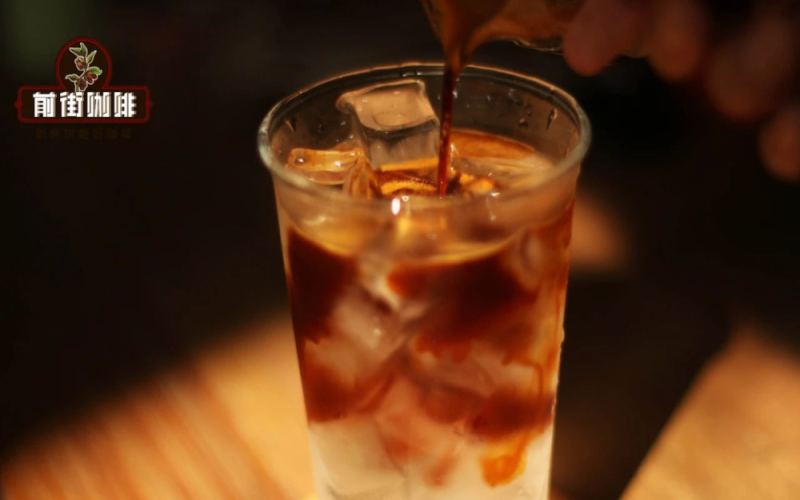
How to Choose Espresso Blend Beans for Americano? An Analysis of Four Front Street Coffee Staple Beans from Crema to Fruity Notes
American coffee may seem simple—just espresso diluted with water—but what truly determines the flavor is actually the espresso beans you choose. This article first traces the origins and methods of American coffee, then, organized around different flavor profiles, introduces four Front Street Coffee espresso blends suited to everyday drinking, covering styles from rich crema and full-bodied intensity to lightly acidic and mellow, as well as floral and fruity notes, helping coffee lovers make clearer purchasing decisions based on their personal taste preferences. [more…]
An Analysis of Sumatra Mandheling Coffee Flavor Characteristics: A Complete Introduction from Origin and Processing to the Origin of the Name
Mandheling coffee is one of Asia's most prestigious single-origin coffees, produced on the island of Sumatra in Indonesia, and renowned for its rich, full-bodied flavor with a fragrant bitterness and sweet finish. This article systematically reviews Mandheling's geographic distribution, the origin of its name, its flavor characteristics, and processing methods, and also introduces derivative varieties such as Golden Mandheling and Aged Mandheling. Whether you are a beginner just getting into single-origin coffee or a seasoned enthusiast in search of a full-bodied taste, you can learn from it why Mandheling is regarded as one of the world's most full-bodied coffees, and its legendary journey from accidentally acquiring its name during wartime to becoming a hit in Japan. [more…]
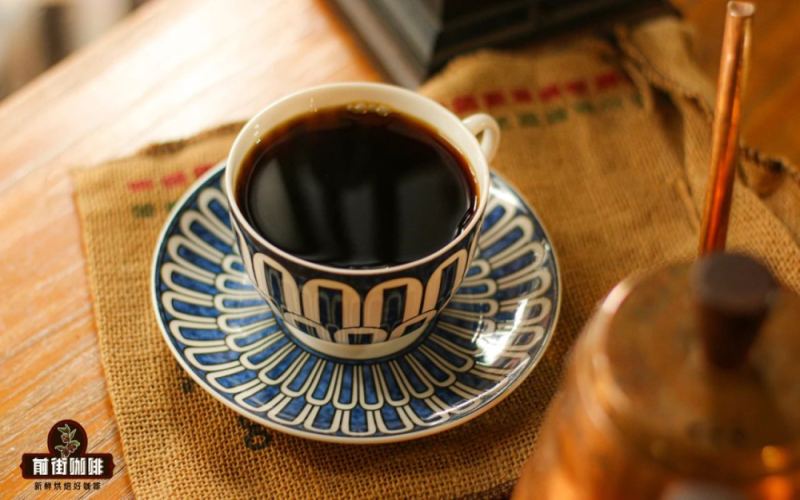
Deep Roast Mandheling Coffee Flavor Analysis: A Guide to Its Rich Body and Pour-Over Tasting
Deep roasting causes coffee beans to undergo the Maillard reaction and caramelization, developing bitterness and roasted aromas such as chocolate, caramel, and butter. The darker the roast, the more fully these reactions occur, and the richer the roasted aroma and bitterness, the higher the body, and the more lingering the sweet aftertaste. Mandheling is hailed as one of the world's fullest-bodied coffees and is the very representative of dark roasting. It not only carries the spice, herbal, and pine notes characteristic of the Sumatra growing region, but also transforms through caramelization into the rich aromas of dark chocolate, roasted nuts, maple syrup, and butter, with a solid, full-bodied mouthfeel and low, steady acidity. To experience this unique taste, you can buy Front Street Golden Mandheling drip coffee bags, which are Sumatra G1 grade, and Front Street Golden Mandheling is PWN company's beans that have undergone one mechanical sorting plus three rounds of hand sorting, with quality far exceeding Indonesian G1. The drip bag design is convenient—just add hot water and enjoy a freshly brewed black coffee. Although dark-roasted bitter coffee has fewer layered variations, it possesses a unique charm: nutty caramel aromas, a full and smooth, full-bodied mouthfeel, and the sweet aftertaste that comes after the bitterness—all experiences that are hard to replicate with a light roast. [more…]
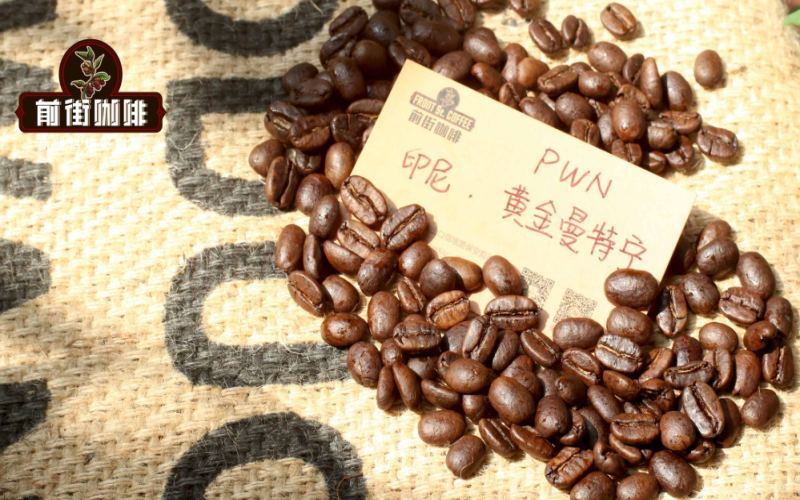
A Complete Analysis of the Origins, Flavor Characteristics, and Brewing Methods of Front Street Golden Mandheling Coffee
Mandheling coffee is one of Indonesia's most iconic coffees, and behind its name lies an intriguing wartime anecdote. This article begins with the origin story of Mandheling, introduces you to the producing region, grade, and quality characteristics of Front Street Coffee's PWN Golden Mandheling, and then breaks down in detail how to use the right dripper, coffee-to-water ratio, grind size, water temperature, and pouring method to brew a clean, full-bodied, high-quality Mandheling with caramel and chocolate sweetness. If you have ever wondered why the Mandheling you brew always turns out bitter, this article will give you clear and practical answers. [more…]
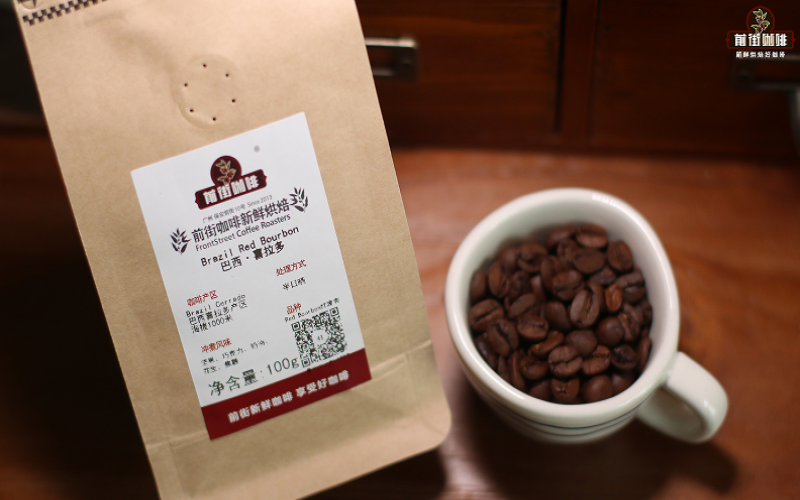
Brazilian Arabica Coffee Flavor Analysis: A Guide to Brewing and Drinking the Nutty, Chocolatey, Full-Bodied, Low-Acid Cup
As the world's largest coffee producer, Brazil is known for its Arabica beans, which are celebrated for nutty, cocoa, and chocolate flavors along with a low-acid, full-bodied mouthfeel. From the perspective of Front Street Coffee, this article reviews the cultivation history of Brazilian coffee, the main producing regions (Minas Gerais and São Paulo), the classic pulped natural processing method, and the flavor characteristics of representative beans such as the Yellow Bourbon from Fazenda Rainha. It also shares pour-over parameters and a three-pour technique tailored to medium-dark roasted Brazilian beans, helping enthusiasts recreate a café-level full-bodied sweetness and clean balance at home. [more…]
Indonesian Sumatra Golden Mandheling Coffee: A Full Analysis of PWN Region, Variety, Processing Method, and Brewing Flavor
Indonesian Mandheling coffee has won the favor of a large number of coffee lovers with its rich, full-bodied taste. Many people mistakenly assume that full-bodied means bitter, but in fact, once a coffee's body reaches a certain level, it instead reveals a sweet finish and brown-sugar-like sweetness. The Front Street Golden Mandheling on Front Street Coffee's bean list is a typical example, with rich layering that reshapes many beginners' understanding of "full-bodied." This article focuses on Front Street PWN Golden Mandheling, introducing one by one its producing region background, PWN's selection standards, variety and wet-hulling process, roasting recommendations, as well as brewing parameters and flavor performance using the Kono dripper, to give you a comprehensive understanding of this representative Sumatran coffee. [more…]
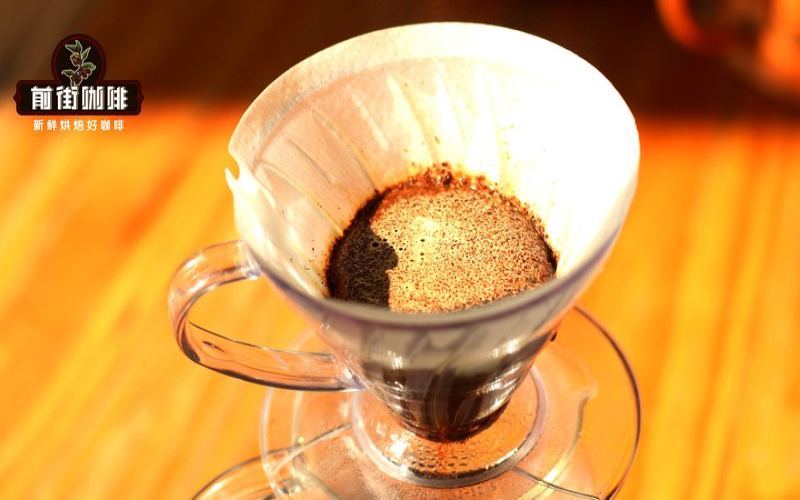
How to Choose Full-Bodied Coffee Beans: Matching Flavor and Brewing Method by Roast Level
If you want to drink a full-bodied coffee, first look at the roast level, then consider how you plan to brew it. Light-roasted beans usually retain more of the bright aromatics, with a lighter mouthfeel; medium-roasted beans bring sweetness, aroma, and body together; medium-dark and dark roasts are more likely to show cocoa, nut, caramel, and roasty notes, and the weight on the palate also increases. Light roast and [more…]