







Search Results for: froth dissipation line

Optimal Flavor Temperature Analysis for Milk Coffee: Latte Milk Foam Steaming Principles and Fusion Degree Assessment Standards
The key to a delicious latte lies in the fusion state of milk and coffee and the temperature when it enters the mouth. This article will systematically explain the scientific principles of milk foaming, the factors affecting the fusion degree of milk foam and coffee, and reveal the differences in milk foam durability at different frothing temperatures through experimental data. At the same time, it provides cause analysis and solutions for common problems in daily operation, such as milk foam not fusing and milk foam floating up during latte art. The article also combines the practical experience of Front Street Coffee to explain why around 60°C is the optimal flavor temperature range for milk coffee, and how to judge whether the milk foam fusion degree is up to standard. [more…]

The Principles of Milk Foaming and Latte Milk Frothing Techniques: A Complete Guide from Integration to Latte Art Patterns
Steaming milk is a fundamental skill that every barista must master, and the quality of the milk foam directly affects the taste of a latte and the result of latte art. Drawing on the practical experience of Front Street Coffee, this article explains in detail the physical principles of milk frothing, answers common problems such as foam that won't incorporate, separation, and surface bubbles, and explains how steam pressure and foam fineness determine incorporation. The article also compares the stability of milk foam at different temperatures, provides two frothing methods—manual and steam—summarizes five common mistakes, and finally includes a step-by-step tutorial on tulip latte art. Whether you are a beginner or a coffee enthusiast looking to refine your skills, you will find practical guidance here. [more…]
Why Does Milk Frothing Always Go Wrong? A Full Guide to Analyzing Five Common Misconceptions and Practical Tips
Steaming milk is a fundamental skill every barista must master, but many people run into problems during the process, such as milk foam not incorporating, separating into layers, or dissipating quickly. Drawing on the hands-on experience of Front Street Coffee, this article systematically explains the principles of milk foaming, the key factors affecting incorporation, how milk foam performs at different temperatures, and the differences between steaming milk and frothing it by hand. It also compiles the five most common mistakes made when steaming milk, along with detailed steps for a tulip latte art pour, to help you comprehensively improve your milk foam quality and latte art skills. [more…]

Specialty Coffee Knowledge: A Complete Guide to Latte Milk Frothing Principles, Integration Assessment, and Optimal Temperature
The key to an ideal latte lies not only in the quality of the espresso, but also in the fineness of the steamed milk and temperature control. Front Street Coffee will start from the basic principles of milk frothing to answer common questions such as why the milk foam does not blend and why it floats on the surface during latte art, and will also take an in-depth look at how steam pressure and foam fineness affect blending. At the same time, through experimental comparisons at different temperatures, we reveal why the 50 to 70°C range is the golden zone for long-lasting, stable milk foam, helping you master the core techniques for steaming perfect milk foam. [more…]
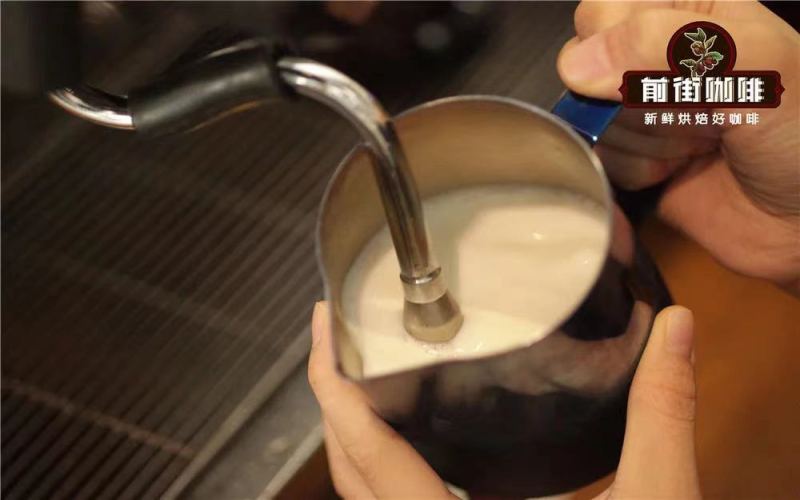
Milk Frothing Tutorial for Beginners | Why Does Milk Foam? How to Froth Milk for a Latte? What Are the Steps and Techniques for Latte Art Pouring and Integration?
At FrontStreet Coffee, steaming milk can be said to be a basic and core skill for every barista. Whether one can steam perfect milk is one of the factors used to judge whether a barista's level is up to standard. For example, the milk foam in a latte is on the thinner side, making it smooth and delicate to drink. The [more…]
The Complete Guide to Latte Art: Key Techniques for Milk Foam, Crema, and Coffee Bean Selection
To create a beautiful latte art cup, passion alone is far from enough. From the fineness of the milk foam and the condition of the crema, to the roast level and freshness of the coffee beans, and then to the extraction method and milk handling, every step directly affects the final pattern's presentation. This article systematically sorts out the four core elements that determine the success of latte art—coffee, milk, pitcher, and pattern—with detailed analysis of crema changes, extraction parameters, milk frothing techniques, and the difference between splitting milk and not splitting milk. It also recommends three coffee beans—Front Street Classic Blend, Commercial Blend, and Dark Cocoa Base Blend—for different needs, helping coffee enthusiasts and shop owners find the latte art solution that suits them best. [more…]
Latte art tutorial | Why does milk foam? How can coffee beginners make latte art? What are the techniques for steaming milk for a latte?
Guide to Getting the Best Milk Foam, Why Does Milk Foam? Front Street Coffee (FrontStreet Coffee) - it can be said that steaming milk is a fundamental and core skill for every barista; whether one can steam perfect milk is a factor in judging whether the barista's skill level is up to standard. [more…]

A Complete Guide to Milk Frothing Pitcher Grips for Latte Art: From Proper Posture to Practical Daily Practice
When learning latte art, how to hold the pitcher is often the first confusion beginners encounter. Online tutorial videos each have their own tricks, with grip methods varying widely, easily leading people to mistakenly believe that each pattern corresponds to a dedicated posture, so that constantly switching instead leads to mastering nothing. In fact, no matter which grip, the core goal is only one: keep the pitcher steady while allowing the wrist to move flexibly. This article sorts out the suitable groups and pros and cons of two common pitcher-holding methods, and, for the common dilemma of "the posture is right but the art still won't come out," offers troubleshooting ideas from two directions—espresso quality and milk foam condition—to help coffee lovers take fewer detours in daily practice. [more…]
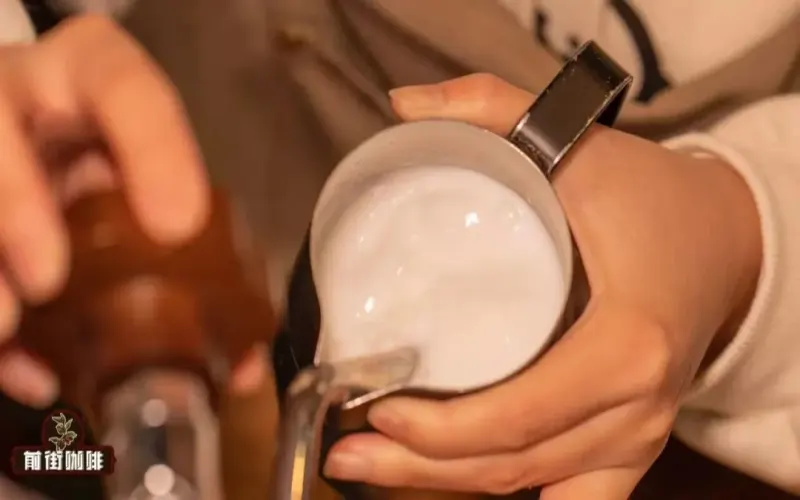
To what extent should milk foam be steamed for latte art? Analyzing the key causes of foam blurring and rapid defoaming
The quality of milk foam has a far greater impact on a latte than one might imagine—it not only determines the success or failure of latte art patterns, but also directly shapes the mouthfeel and flavor expression when the coffee is sipped. Fine, delicate milk foam brings a smooth texture and clean latte art lines, while rough, unstable foam easily leads to blurry lines, rapid deflation, and foggy patterns. From the perspective of Front Street, this article systematically sorts out the specific effects of milk foam thickness on mouthfeel, analyzes why rough foam ruins latte art results and the drinking experience, and points out several core aspects to focus on when steaming quality milk foam, helping coffee enthusiasts more accurately grasp the ideal degree of milk frothing. [more…]

The Complete Guide to Latte Art: From Coffee Bean Selection to Milk Frothing and Extraction Techniques
To create a cup of espresso latte art with clear patterns and distinct contrast at home, practicing technique alone is far from enough. From the roast level and freshness of the coffee beans, to the yield and flow rate of the espresso extraction, to the temperature, fat content, and foam thickness of the milk, every step directly affects the final pattern. This article systematically breaks down the four major elements that influence latte art—coffee, milk, pitcher, and pattern—and recommends three beans for practice and serving—Front Street Classic Blend, Commercial Blend, and Dark Cocoa Base Blend—to suit different needs, helping coffee enthusiasts gradually improve their latte art skills on the basis of understanding the principles. [more…]
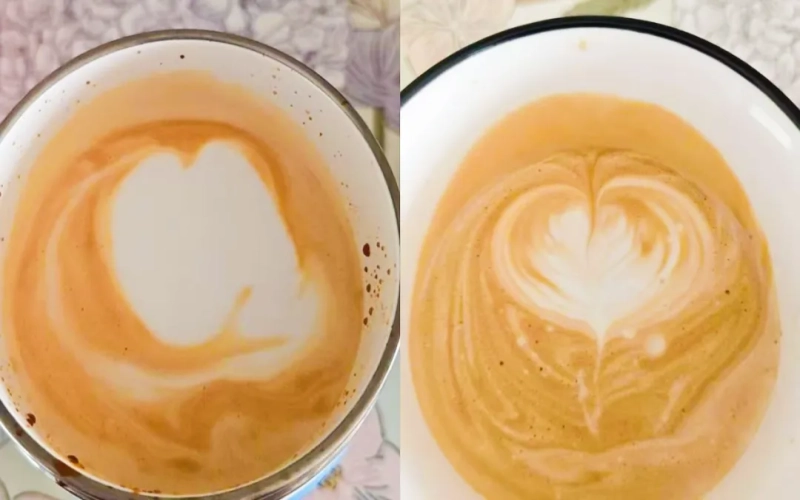
Guide to Milk Foam Thickness and Flow for Latte Art: How to Steam Silky, Dense Milk Foam for Latte Art
Many coffee enthusiasts encounter a puzzle when practicing latte art: even though they have mastered the gestures and techniques of latte art, the patterns never look good enough. The root of the problem is often not the technique, but the quality of the milk foam. A good latte art depends on a fine, dense milk foam with moderate fluidity. In this article, Front Street Coffee shares in detail what characteristics milk foam suitable for latte art should have, and how to optimize the milk frothing process from three dimensions—frothing time, milk temperature, and latte art timing—to help you more easily create latte art patterns with clear lines and a clean background. [more…]

Hot Coconut Milk Latte vs. Iced Drink Flavor Differences Explained: Key Techniques for Frothing Thick Coconut Milk
Iced coconut milk lattes are sweet and smooth, but when switched to a hot drink they easily become cloying and sour, with the flavors separating—where exactly does the problem lie? Starting from the compositional characteristics of thick coconut milk, this article analyzes the principles behind fat separation, protein denaturation, and acidification reactions when it is heated, and offers a practical solution of adding milk to adjust the blend. At the same time, drawing on in-store testing, Front Street shares the suitable ratios of espresso, thick coconut milk, and fresh milk, as well as operational details such as aeration time and temperature control when steaming milk foam, to help you make a cup of hot coconut milk latte at home with harmonious flavors that is suitable for latte art. [more…]
Can iced lattes achieve latte art effects? Analyzing why hot milk is the key to latte art
The delicate latte art patterns on a hot latte are always a pleasure to behold, but why is it that an iced latte, made from the same espresso and milk, almost never features latte art? Behind this lies the science of milk foam formation, the effect of temperature on blending, and various practical limitations. Front Street Coffee has made multiple attempts at making iced milk foam, from handheld frothers to French presses, in an effort to replicate latte art on cold drinks, but the results were less than satisfactory. This article will delve into the scientific principles of latte art, compare the differences between making hot and iced lattes, and share Front Street's real experiences and final results from iced milk foam experiments. If you've ever wondered why iced lattes can't have latte art, or want to understand the challenges of making cold milk foam, this article will reveal it all. [more…]
A Complete Guide to Espresso: From Boiler Systems to Milk Frothing and Latte Art — Professional Fundamentals
Want to systematically master the underlying logic of espresso? This article provides a complete overview of the core knowledge system of espresso, from equipment principles to practical details. It first deeply analyzes the differences between four types of boiler heating systems and their impact on extraction stability, then explains one by one the selection of steam wands, the structure of grinder burrs, the matching principles of tampers, and key points for choosing latte art pitchers. In the materials section, it focuses on comparing the roasting differences between Northern and Southern Italian-style coffee beans and the logic for selecting suitable milk. Finally, it focuses on the five major variables of extraction and the six factors of milk frothing, and explains in detail the techniques for integrating coffee and milk foam. The full text balances theoretical depth with operational guidance, making it suitable for coffee enthusiasts who want to solidify their foundations to read carefully. [more…]
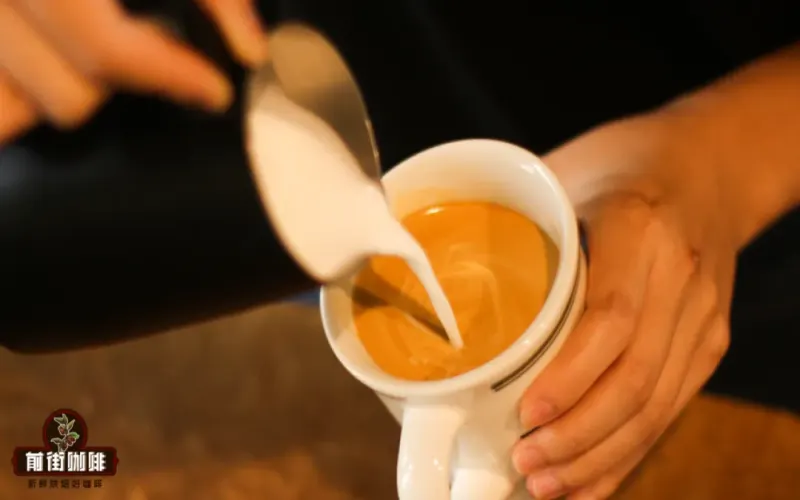
Analysis of Four Common Mistakes in the Coffee Latte Art Pouring Phase: How Flow Distance, Flow Rate, and Crema Condition Affect the Pattern
When creating latte art, integration is a preparatory step just as important as the bloom in pour-over coffee. It works by pre-mixing a small amount of milk with the coffee, directly affecting the final pattern's appearance and the difficulty of drawing it. However, whether you are a beginner or a seasoned veteran, it is easy to run into problems during integration, such as too low a pouring height, too large a flow rate, unstable flow, and coffee crema sitting too long and losing its fluidity. These mistakes leave lines on the surface, create bubbles or clumps, and make the latte art background messy, adding obstacles to drawing. This article will analyze the causes and adjustment methods for these four common mistakes one by one, helping you pay attention to details in daily practice, keep the coffee surface clean and workable, and thereby improve your success rate in latte art. [more…]
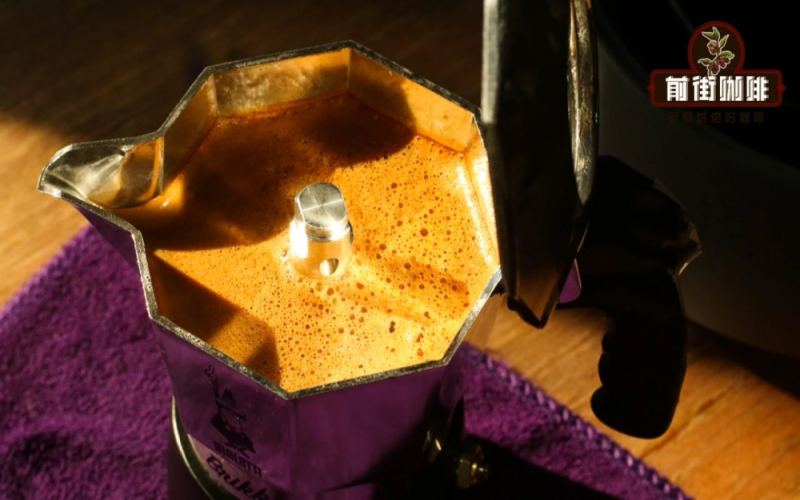
Can Moka Pot Coffee Handle Latte Art? A Practical Comparison with Espresso and a Detailed Brewing Guide
Many coffee enthusiasts are curious whether coffee brewed with a moka pot can produce beautiful latte art like espresso from an espresso machine. The baristas at Front Street Coffee are often asked this question by customers, so we decided to conduct a hands-on comparison: using the same Front Street classic espresso blend beans, extracted separately with a moka pot and an espresso machine, then using the same milk foam and similar techniques for latte art. The results showed that latte art with moka pot coffee had paler colors and blurry lines, while espresso patterns were clear with strong contrast. Behind this are key factors such as crema richness and extraction pressure. This article will present the complete comparison process and share how to make moka pot coffee richer through bean selection and grinding, while retaining Front Street brand recommendations and product information to help you easily make good coffee at home. [more…]

BRIKKA Moka Pot Crema Extraction Secrets and Latte Art in Practice: A Detailed Comparison with Espresso Operations
Can a moka pot produce crema? Can the coffee it makes pour a beautiful latte pattern? This article starts with the unique pressure valve design of the BRIKKA moka pot, breaks down in detail the complete steps for extracting coffee liquid with a moka pot, and compares latte art made with espresso extracted by a moka pot against that from an espresso machine. Through hands-on testing, it can be seen that because a moka pot has limited pressure, its richness and persistence of oils are not as good as an espresso machine, and the clarity and contrast of latte art patterns are also relatively weaker. But if you just want to use a moka pot to make a cup of milk coffee with a pattern and good taste, it is still a choice worth trying. This article uses Front Street Coffee Classic Espresso Blend coffee beans for testing, suitable for coffee enthusiasts as a reference. [more…]

A Complete Guide to Buying a Semi-Automatic Espresso Machine: Extraction Differences from a Hundred-Yuan Toy Machine to a Ten-Thousand-Yuan Commercial Machine
To make a rich, crema-topped espresso at home, a semi-automatic espresso machine is the top choice for many coffee lovers. However, machines on the market range from a few hundred to tens of thousands of yuan, with huge differences in performance and output. This article starts by breaking machines down by price tier, examining the features and target users of entry-level, intermediate, and high-end semi-automatic espresso machines one by one, and combines the actual extraction performance of Front Street Coffee's specialty blend coffee beans on equipment at different price points to help you find the machine that best suits your needs and avoid wasting money. [more…]
Can a BRIKKA moka pot brew coffee that can be used for latte art? A practical analysis compared with espresso
BIALETTI's BRIKKA moka pot, with its unique pressure valve design, claims to be the only moka pot capable of producing crema. Many coffee enthusiasts wonder: can the coffee it brews actually be used for latte art? Compared with espresso extracted by an espresso machine, where does the latte art effect fall short? Front Street Coffee used the same classic espresso blend beans, extracted them separately with a moka pot and an espresso machine, and then performed latte art comparisons using the same milk foam and technique. This article fully records the six steps of brewing coffee with a moka pot, and analyzes the causes of the latte art differences between the two from the perspectives of pressure, oils, and viscosity, helping you judge whether a moka pot is worth using as a daily milk coffee solution. [more…]

Colombian Huila Coffee Flavor Analysis and Full Guide to Pour-Over Parameters and SOE Preparation
Colombia is the world's third-largest coffee-producing country and the only one with legislation mandating that only Arabica be grown. As the country's most renowned specialty region, Huila Province—with its high altitude, volcanic soil, and abundant water resources—produces coffee that combines nutty sweetness with bright fruit acidity. Front Street Coffee features Huila washed beans as its representative everyday coffee from the Colombia region. This article provides a complete overview—from the region's terroir and variety characteristics to the washed processing workflow, brewing parameters, and SOE extraction—of Huila coffee's flavor code and practical brewing methods, helping enthusiasts fully understand this bean's unique appeal. [more…]