







Which Pitcher Grip Helps When You Froth Milk for a Latte?
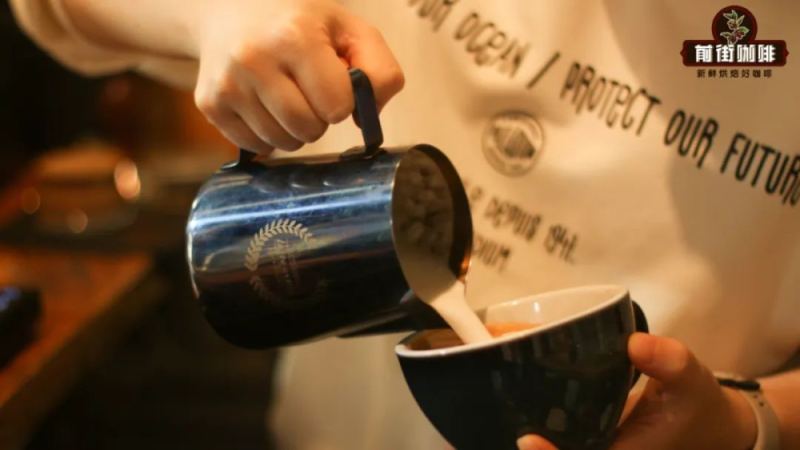
For latte art, the grip matters less than what it achieves: a steady pitcher and a wrist free to move. Constantly switching between the two common grips prevents any posture from becoming muscle memory, so beginners should pick one and repeat it until it feels natural. Knowing how to froth milk for a latte starts with that stability.
A pitcher weighs roughly 150 to 280 grams, and steamed milk nearly doubles the load, so gripping too tightly kills wrist movement. When a pattern still will not form, check espresso quality and milk foam condition instead of changing grips. Learning how to make froth for coffee with the right texture solves more problems than posture alone.
When learning latte art, how to hold the pitcher is often the first thing that confuses beginners. Online tutorials each have their own approach, with gripping methods varying widely, easily leading people to believe that each pattern requires its own dedicated posture—and as a result, constantly switching leads to mastering nothing. In reality, no matter which grip you use, the core goal is the same: keep the pitcher steady while allowing your wrist to move freely. This article breaks down the suitable audiences, pros, and cons of two common pitcher grips, and addresses the common dilemma of "my posture is right but I still can't pour a pattern" by offering troubleshooting directions from two angles—espresso quality and milk foam condition—to help coffee enthusiasts avoid detours in their daily practice.
Why the Pitcher Grip Deserves Attention
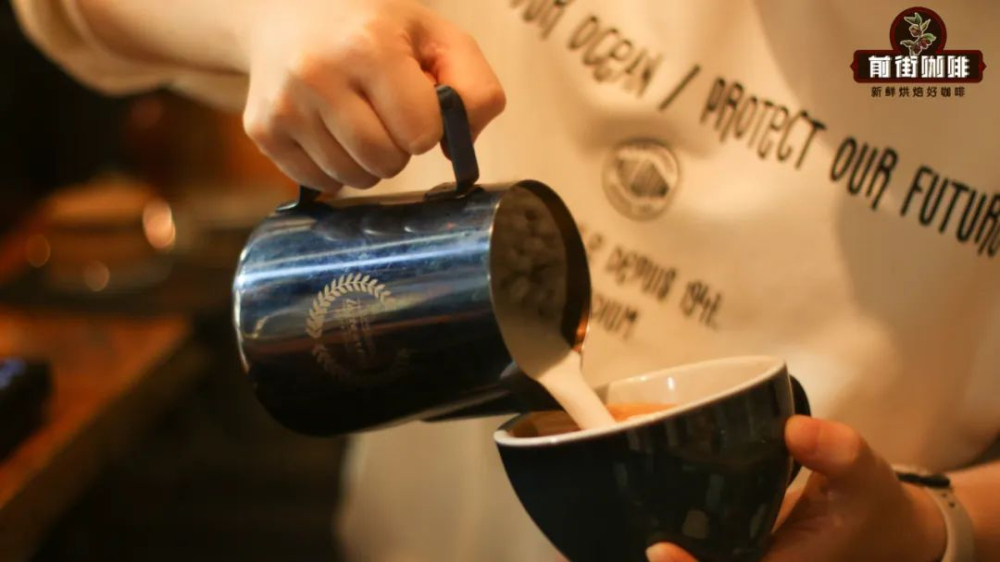
Many people get into latte art through online tutorials. The problem is that every instructor uses a different grip, making it easy for beginners to develop a misconception—as if only one specific grip can produce a corresponding pattern.
So these misled beginners keep switching grips to try different designs. In the end, the pattern never takes shape, but their wrist gets sore first.
The root cause of this situation is frequently changing grips, which means no single posture ever gets practiced to proficiency. Attempting latte art without proficiency not only makes it hard to produce a beautiful pattern, but also significantly increases the physical burden of the operation.
So Front Street's advice is: pick one pitcher grip first and stick with it repeatedly until it becomes muscle memory. Once it truly becomes a habit, you'll find that your wrist doesn't tire easily, you can freely control the thickness of the lines and the flow of the milk foam, and your pouring efficiency naturally improves by a large margin.
Choosing a Pitcher Grip
No matter which grip you adopt, the fundamental goal is the same: hold the pitcher steady while allowing your wrist to move flexibly. Holding it steady isn't hard—flexibility is. A pitcher weighs roughly 150 to 280 grams, and once you add steamed milk, the actual load nearly doubles.

If you can't swing freely because you're gripping too tightly, the difficulty of pouring a pattern multiplies. Therefore, choosing a suitable grip and training it into muscle memory is the foundation for everything that follows in latte art. Currently, there are two main grips:
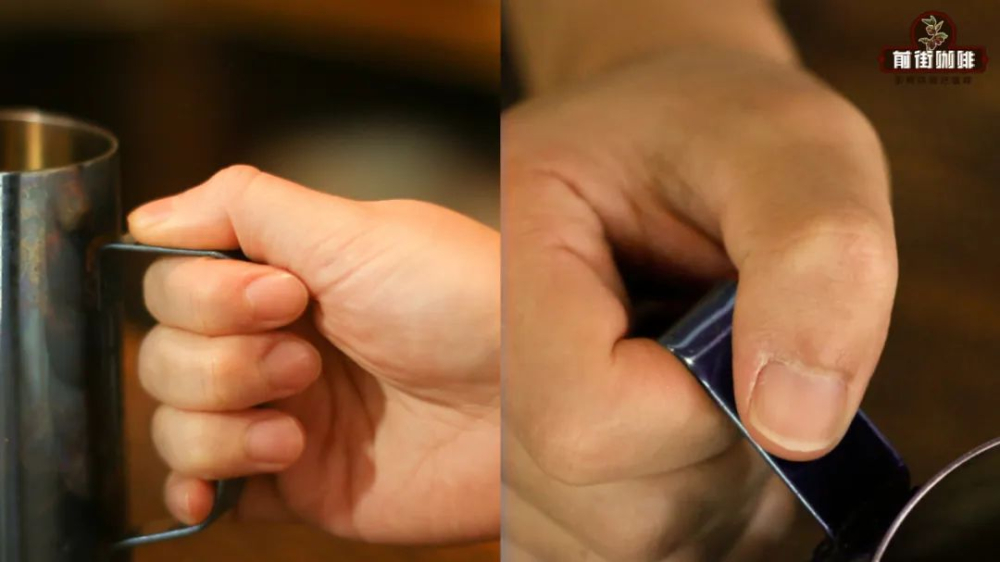
One: The Fist Grip
All four fingers except the thumb wrap around the pitcher handle, distributing force fairly evenly across the whole hand, with the thumb resting on top of the handle as a guide. This grip is friendlier for those with weaker wrist strength.
Two: The Pinch Grip
This is the most common method: pinch the top sides of the handle with your index finger and thumb, while the remaining fingers assist in securing the rest of the handle.

Its advantage is that once you're proficient, you have greater swaying ability, making it easier to create fine, beautiful lines. Since the force is concentrated in the index finger and thumb, flexibility is higher—but the demand on wrist strength is correspondingly greater.
You've Got the Posture—So Why Still No Pattern?
If your technique is already reasonably solid but you still can't pour the pattern you want, then it's worth turning a suspicious eye toward the quality of your espresso and milk foam.
Is the milk foam properly steamed? Is the texture fine enough? Is the espresso crema too coarse? After both are prepared, have they separated or dissipated from sitting too long? These are all questions you can troubleshoot one by one. When all conditions are in place, pouring an ugly cup of latte art actually becomes the hard part.
Front Street Coffee (FrontStreet Coffee)
No. 10, Baoqian Street, Yandun Road, Dongshankou, Yuexiu District, Guangzhou, Guangdong Province
The above content is compiled by CoffeeHunters, a coffee news website.


