







Search Results for: freshly ground coffee powder
Freshly Ground Coffee Beans vs. Pre-Ground Coffee Powder: How to Choose? A Full Analysis of Flavor Differences, Buying Tips, and Storage Methods
In coffee consumption, a common yet crucial choice is this: should you buy whole coffee beans, or directly purchase pre-ground coffee powder? This decision directly affects the flavor performance, convenience, and shelf life of the coffee. This article will systematically compare the pros and cons of coffee beans and coffee powder from the perspectives of aroma retention, oxidation rate, and freshness assessment, and offer purchasing suggestions for different scenarios. At the same time, the article will also share the proper storage methods for coffee beans and coffee powder, helping you find a balance between convenience and quality, so that every cup of coffee can present its ideal state. [more…]
Should coffee beans be ground in advance? Examining the flavor differences between freshly ground and pre-ground coffee through a freshness experiment
Many friends, to save effort, ask the merchant to grind the coffee beans into powder directly when buying. But after grinding, how long can the coffee's flavor be preserved? And how should it be stored properly? Drawing on long-term experience and comparative experiments, Front Street starts from the coffee beans' flavor window, analyzes the loss patterns of carbon dioxide and aromatic compounds after grinding, and uses a bag of washed Yirgacheffe for day-by-day testing, recording the dry aroma, blooming performance, and flavor changes from freshly ground to after several days of storage, helping you judge whether pre-ground coffee powder is worth buying, and how to retain that fresh aroma as much as possible. [more…]
How to Store Ground Coffee | Can Ground Coffee Be Put in the Fridge? How Long Does Ground Coffee Last? How Do the Flavor and Taste Change After Coffee Beans Are Ground into Coffee Powder?
It's a well-worn topic that freshly ground coffee brews up more fragrant, and we're also well aware of how important freshness is to coffee flavor. But sometimes, to avoid hassle, many friends have the merchant grind the coffee beans into powder before shipping when buying beans, because then when it's time to brew, there's no need to worry about what grind setting to use, nor [more…]

How long can coffee beans be stored after grinding into powder? Analyzing the shelf life difference between coffee grounds and coffee beans
Many coffee enthusiasts have encountered this situation: ground coffee powder is delayed for some reason, and by the time it is brewed, the aroma has already vanished. The optimal flavor period for coffee beans is usually about two months, but once ground into powder, their freshness may last only half as long as the beans, or even shorter. Behind this is the scientific principle that a sharp increase in surface area causes aroma to escape more rapidly. Front Street has verified through cupping experiments that coffee powder used within 10 minutes of grinding still has a clear flavor, but after being left for more than 30 minutes it becomes noticeably flat. This article will analyze in detail the freshness preservation differences between coffee powder and coffee beans, and share practical storage tips to slow aroma loss. [more…]
Should Coffee Beans Be Ground Fresh or Ground by the Seller? From Peak Flavor Window to Flavor Changes, Explained Clearly
Many coffee enthusiasts choose to have the shop grind their beans into powder when buying, for the sake of convenience—no need to adjust the grinder settings or do the grinding themselves. But once coffee is ground into powder, the aroma dissipates at a noticeably faster rate, and its peak flavor period shrinks significantly as well. Through practical comparative testing, Front Street Coffee found that well-sealed ground coffee can still maintain decent flavor within three weeks after grinding, but beyond a month, only a flat coffee taste remains. This article will start with the optimal flavor period of coffee beans, combine specific brewing experiments to analyze how coffee flavor changes after pre-grinding, and offer practical storage advice to help you decide whether to buy beans or ground coffee. [more…]
Are freeze-dried coffee and freshly ground coffee powder the same thing? A full analysis of instant coffee shelf life
In recent years, freeze-dried coffee has been gaining strong momentum and has become a popular category in the instant coffee sector. However, Front Street Coffee has noticed that many consumers hold considerable misconceptions about freeze-dried coffee—some mistake freshly ground coffee powder for freeze-dried coffee and brew it directly, while others believe that the quality of freeze-dried coffee is already on par with freshly ground coffee. These misunderstandings arise partly because the appearance of freeze-dried coffee blocks does bear some resemblance to freshly ground coffee powder, and partly because merchants often promote it as "comparable to fresh ground," further blurring the line between the two. In fact, freeze-dried coffee and freshly ground coffee belong to completely different product categories and have no basis for direct comparison at all. This article will start from the production process to clarify the essence of freeze-dried coffee and explore the differences in shelf life between coffee powder and instant coffee. [more…]

Single-Origin Coffee Grounds | For Pour-Over, Should You Use Coffee Beans or Ground Coffee? Which Is Better: Freshly Ground Coffee Beans or Pre-Ground Coffee? How Do You Brew Coffee with Ground Coffee?
For more specialty coffee knowledge, please follow: Front Street Coffee (Frontsteet Coffee). From the perspective of coffee flavor, pre-grinding coffee beans will accelerate the loss of coffee flavor. This is also the reason why most coffee shops, including Front Street, recommend freshly ground coffee. For domestic pour-over [more…]
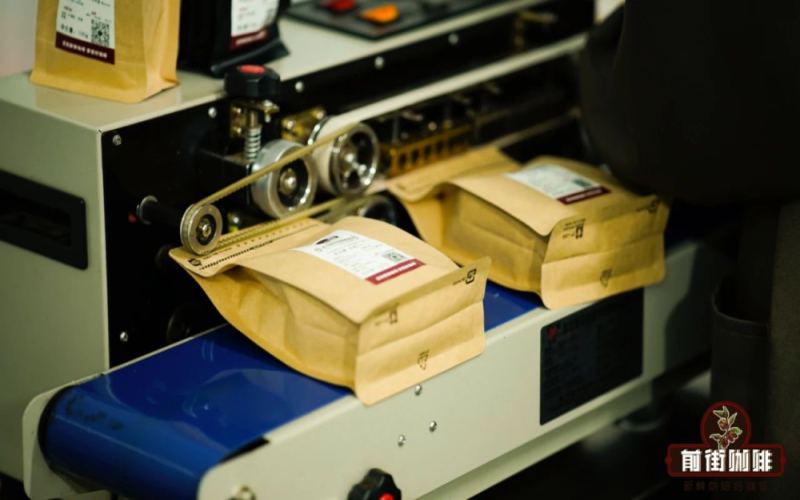
Coffee Grounds Storage | What Factors Affect the Freshness of Roasted Coffee Beans? How Long Is the Shelf Life of Freshly Ground Coffee? Do Coffee Beans Still Need to Be Rested After Grinding?
Recently, a friend asked Front Street Coffee: "Why should the air valve be sealed after coffee beans are ground into powder? Wouldn't that prevent the carbon dioxide inside the package from escaping?" The meaning of the exhaust valve on coffee packaging. Front Street Coffee immediately seals and packages the coffee beans after roasting and cooling, which can minimize the loss of coffee bean flavor. [more…]
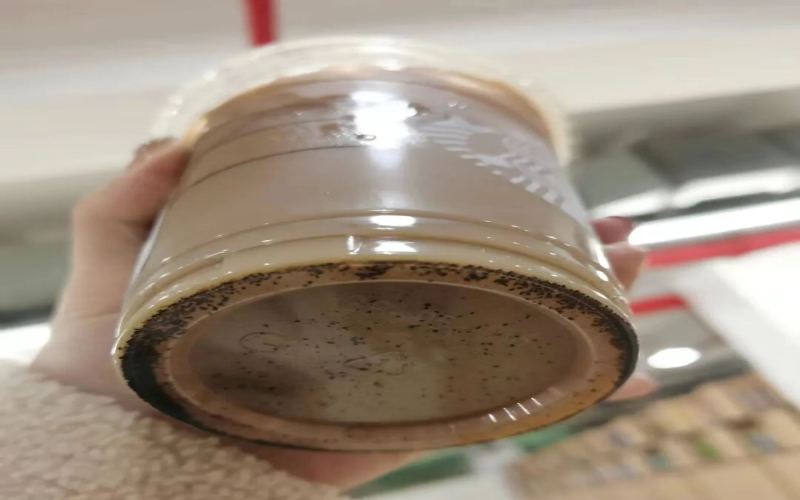
Starbucks Salted Flat White Leaves Black Powder Residue at the Bottom of the Cup, Staff Clarifies: Having Powder Is the Standard Serving
Starbucks has clearly picked up the pace of new product launches this year. Before people have even had a chance to check in on the cherry blossom limited edition, the Salted Flat White has already taken over as the store's main promotion. However, this new product has sparked controversy because of black powder residue left at the bottom of the cup, with many consumers suspecting that staff had made an operational error and mixed in coffee grounds. Faced with complaints, Starbucks staff collectively protested their innocence—having coffee powder is actually the correct method, and not having it would instead be a violation. What exactly is going on here? Why is the freshly ground coffee powder used for decoration so often mistaken for extraction residue? And why do consumers have so many complaints about the taste? This article will reconstruct the whole incident and analyze the gap between the standard recipe for this beverage and the consumer experience. [more…]
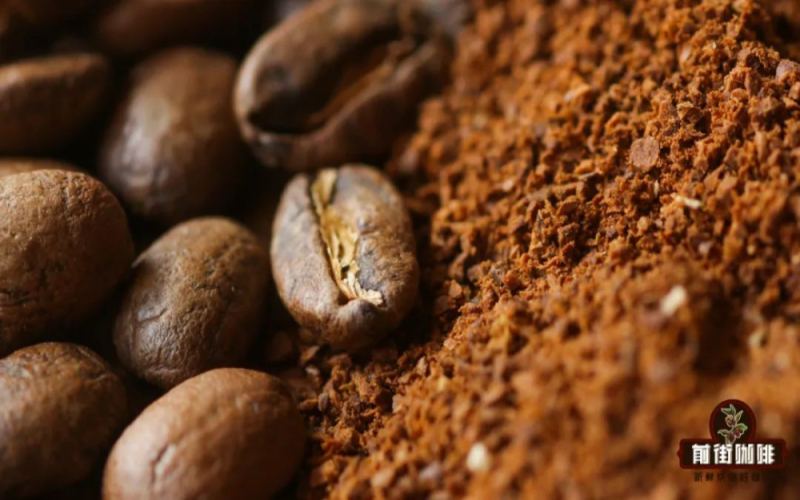
How to store and use pre-ground coffee powder? A full analysis of flavor shelf life after grinding and brewing precautions.
Many people know that pre-ground coffee powder is not as aromatic as freshly ground coffee, yet they still choose to have it ground for them, and there are actually quite a few practical considerations behind this. Pre-ground powder saves the trouble of buying a coffee grinder, is portable and labor-saving, and the professional grinders at coffee shops usually provide a more uniform grind. However, once coffee beans become powder, their peak flavor period is greatly shortened, and the way they are stored and used changes accordingly. From Front Street's perspective, this article sorts out the major advantages of pre-ground powder and explains in detail the key points to note when using pre-ground powder, such as stirring and sealing, to help you enjoy a more satisfying cup within the limited flavor window. [more…]
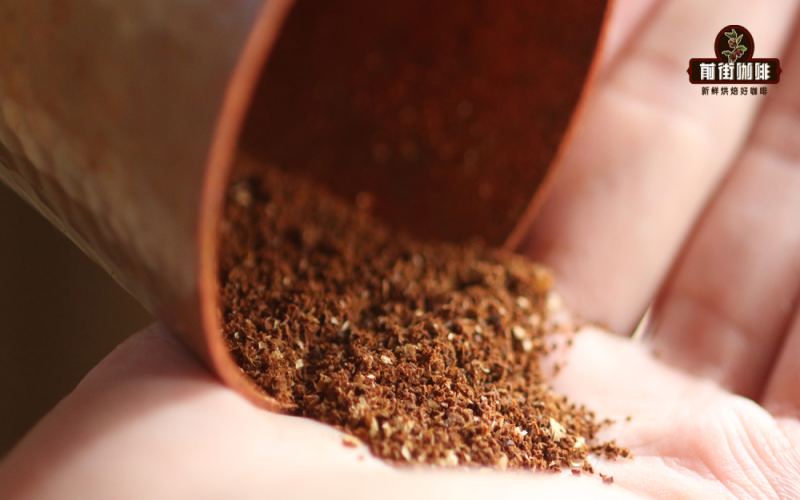
The Secret to Keeping Coffee Beans Fresh After Opening: A Full Breakdown of the Three Major Spoilage Factors and the Flavor Timeline After Grinding
How should coffee beans be stored after opening to preserve their aroma? Starting from the gas release patterns after roasting, this article explains in detail the principles behind the formation of the optimal flavor period, and analyzes one by one the mechanisms by which the three major flavor killers—oxygen, moisture, and high temperature—take effect. At the same time, through comparative experiments, Front Street Coffee verified the flavor decline trajectory of coffee at different time points after being ground into powder, and provides practical suggestions such as portioned storage and vacuum storage, helping coffee enthusiasts extend the freshness and flavor performance of coffee as much as possible in daily brewing. [more…]
How Long Can Ground Coffee Be Stored? Is Refrigeration Feasible and an Analysis of Proper Storage Methods
Freshly ground coffee always has a superior aroma, but to save the step of grinding, many friends choose to have the merchant grind the coffee beans into powder in advance. So, how long can coffee grounds actually be kept? How many days is the peak flavor period? Is storing them in the refrigerator really reliable? This article will start with the optimal flavor period of coffee beans, combine Front Street Coffee's comparative experiments, and provide a detailed analysis of how the flavor of ground coffee changes over time, along with correct storage recommendations to help you preserve that precious fresh aroma as much as possible. [more…]
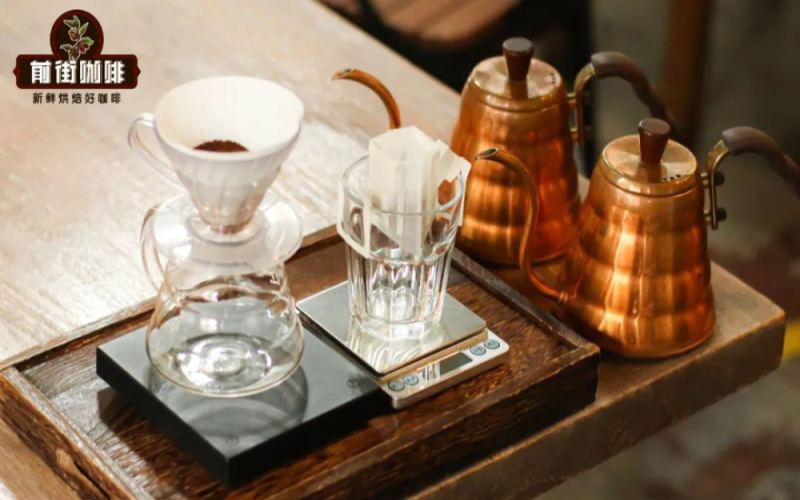
How Is Pour-Over Coffee Different from Drip Bag Coffee? A Comprehensive Comparison from Extraction Principles to Flavor Expression
Pour-over coffee and drip bag coffee both use drip extraction, but the two differ fundamentally in their original design intent and use scenarios. Pour-over emphasizes grinding fresh and brewing immediately, with freely adjustable parameters, allowing it to present coffee's aroma layers and flavor details more completely; drip bags, on the other hand, center on convenience, trading pre-ground coffee powder for a brew-anytime, anywhere experience, but aromas dissipate faster and flavor richness is relatively limited. From Front Street's perspective, this article sorts out the specific differences between the two methods in terms of equipment, operation, coffee powder state, and flavor performance, and includes Front Street drip bag coffee recommendations suited to different tastes, helping coffee lovers find the choice that suits them between convenience and quality. [more…]
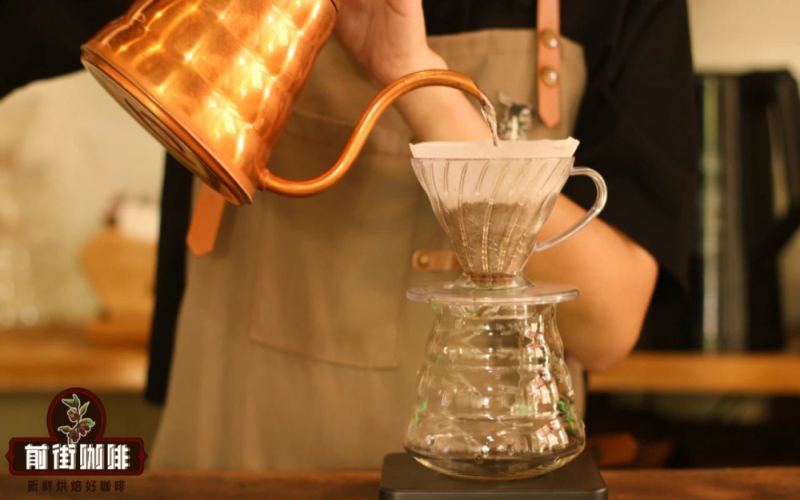
How Should You Handle Ground Coffee? A Detailed Guide to Five Brewing Methods and Key Tips for Using Drip Coffee Bags
Friends who are just getting into coffee often encounter a question: once coffee beans are ground into powder, should they be boiled or brewed? In fact, there is no single answer to this question. The key depends on the characteristics of the beans and what equipment you have on hand. In this article, Front Street Coffee will systematically sort out the five main extraction methods for freshly ground coffee powder - decoction, pressure, gravity, immersion filtration, and cold brew. It will also discuss notes on bean resting and storage, as well as the frequently asked question of whether drip bag coffee can be brewed repeatedly. Whether you are a complete beginner or an enthusiast who wants to further understand the differences between various brewing methods, you can find practical references here. [more…]
Coffee Beans vs. Ground Coffee Buying Guide: Why Pre-Ground Coffee Loses Flavor and Key Storage Tips
As the Spring Festival approaches, many coffee lovers are starting to stock up on their everyday beans. It is widely agreed that freshly ground coffee smells better, but to save effort, many people have the vendor grind it for them. This article focuses on the choice between whole bean and ground coffee, and drawing on Front Street's practical experience, it explains in detail the optimal flavor window of coffee beans, how long flavor lasts after grinding, and exactly how the taste of coffee changes when it is ground in advance. Through comparative experiments and real-world tests, it helps readers understand why pre-ground coffee doesn't taste good when brewed, and offers proper storage advice, so you can easily enjoy a good cup of coffee even during the holiday. [more…]
Three Major Causes of Coffee Ground Quality Decline and Practical Storage Tips to Extend Freshness
The freshness of ground coffee directly determines the quality of the flavor in your cup. Starting from the gas release patterns of coffee beans after roasting, this article provides a detailed analysis of how the three major factors—oxygen, moisture, and high temperature—accelerate the deterioration of ground coffee quality, and shares Front Street Coffee's storage recommendations. At the same time, through Front Street's comparative experiments and day-by-day flavor tests of Yirgacheffe, it reveals the timeline of aroma loss after coffee is ground into powder, helping you retain as much of coffee's essential aroma as possible in your daily brewing. [more…]
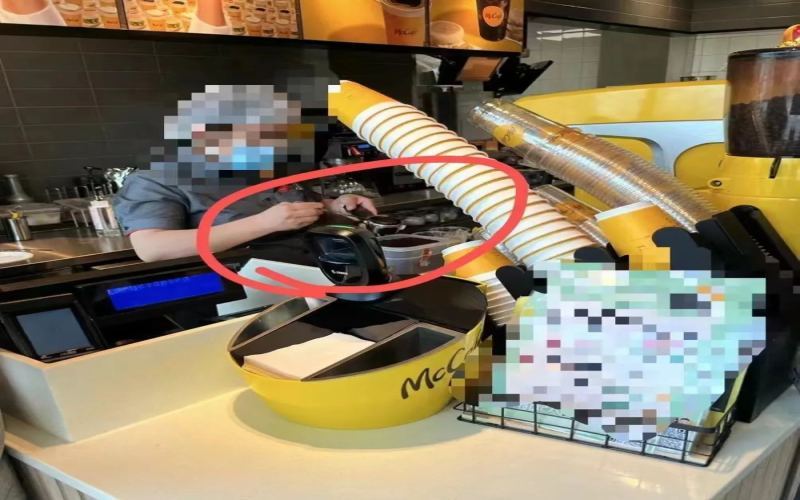
McDonald's McCafé outlets accused of using pre-ground coffee powder, staff role changes spark quality control controversy
McDonald's launch of a 15-yuan freshly ground coffee breakfast combo has attracted many consumers, but recently some customers exposed that certain locations use pre-ground coffee powder to make coffee, which does not match the brand's advertised freshly ground positioning. This phenomenon has sparked widespread discussion. Employees revealed that McDonald's has eliminated the dedicated barista position, and all staff members are required to learn coffee preparation. However, due to insufficient training and the difficulty of operating the equipment, the quality of the output varies greatly. Consumers expect a stable, high-value coffee experience, not a game of chance. [more…]
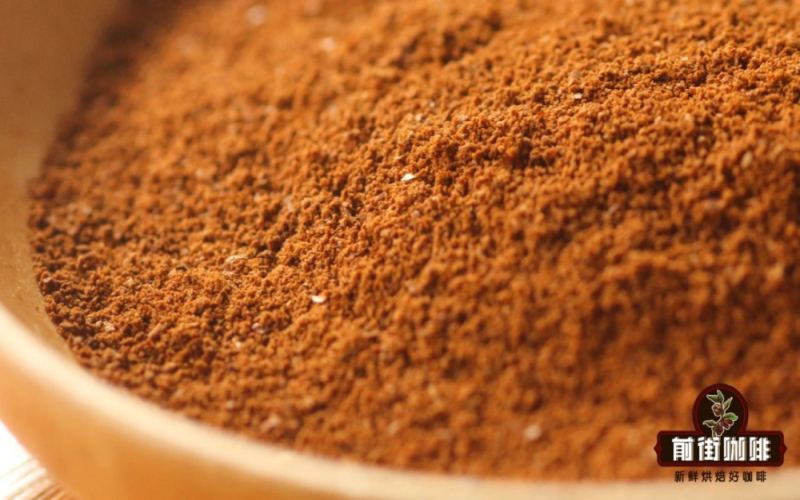
How to Choose the Grind Size for an American coffee maker? An Analysis of the Differences Between Espresso Coffee Grounds and American Coffee
In coffee making, grinding is often seen as the most easily overlooked yet crucial step. Many enthusiasts focus on water temperature, dose, or equipment, but rarely ask just how fine or coarse the grind should be. In reality, grind size directly determines extraction efficiency and flavor direction, and different devices require completely different particle specifications. Starting from Front Street Coffee's practical experience, this article first explains why fresh grinding is better than pre-grinding, then outlines the types of coffee grinders, and further provides specific methods for judging a medium grind for American-style drip machines, comparing the extremely fine powder needed for espresso with the powder used for American-style coffee. Finally, it returns to bean selection, analyzing the logic behind roasting degree preferences for espresso and American-style coffee, helping readers establish the correspondence between grinding and extraction. [more…]
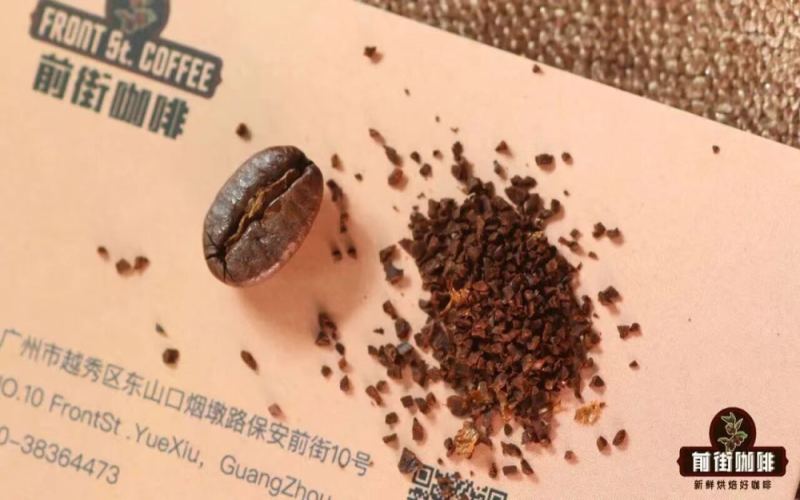
Coffee Bean Peak Flavor Window | Can Washed Yirgacheffe Pour-Over Coffee Grounds Be Stored in the Refrigerator? Is There a Big Flavor Difference Between Roasted Coffee Beans and Freshly Ground Coffee?
Freshly ground coffee brews up more aromatic—this is already a well-worn topic, and we also know well how important freshness is to coffee flavor. But sometimes, to avoid hassle, many friends have the merchant grind the coffee beans into powder before shipping when buying beans, because then when it comes time to brew, there's no need to worry about what grind setting to use, nor [more…]
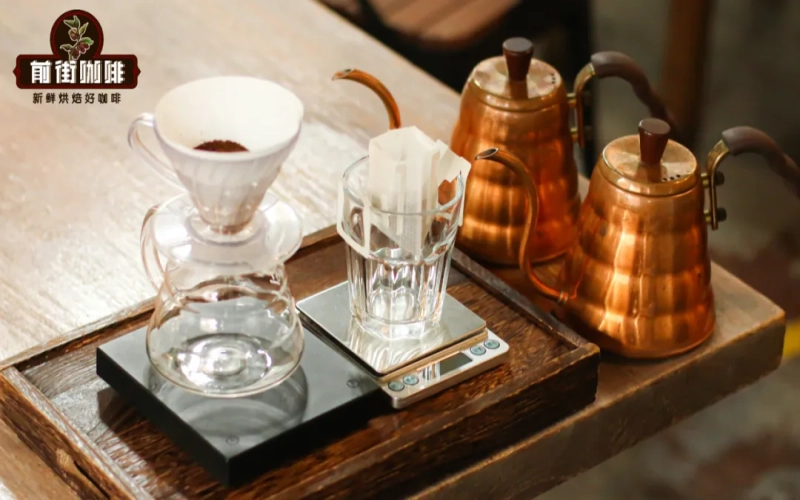
The Drip Extraction Differences Between Drip Bag Coffee and Pour-Over Coffee and an Analysis of Their Respective Suitable Scenarios
Drip bag coffee and pour-over coffee both use drip extraction, but their positioning and goals are completely different. Pour-over emphasizes manual flow control and rich playability, using freshly ground coffee powder to more fully showcase coffee flavors; drip bags, on the other hand, center on convenience, using pre-ground coffee powder. They sacrifice some aroma and room for adjustment in exchange for an easy brewing experience anytime, anywhere. From the perspective of Front Street, this article sorts out the definitions, characteristics, and core differences of the two, helping coffee lovers understand their respective advantages and suitable scenarios, so they can make a more appropriate choice based on actual needs. [more…]