





Which coffee extraction methods suit freshly ground coffee?
There is no single answer for ground coffee; the choice depends on the beans and the equipment on hand. Freshly ground coffee divides into five coffee extraction methods: decoction, pressure, gravity, immersion filtration, and cold brew. The earliest approach was brewing grounds directly in water, which kept original flavor but left fine coffee particles in the cup.
Filtration devices were developed to hold aroma while removing sediment and improving mouthfeel. Freshly roasted beans benefit from resting two or three days before brewing, when they reach an ideal state. Storage and resting notes matter as much as the method, and drip coffee bags should not be reused for a second full extraction.
Friends who are just getting into coffee often run into a common question: once coffee beans are ground into powder, should they be boiled or brewed? In fact, there is no single answer to this question; the key lies in the characteristics of the beans and what equipment you have on hand. In this article, Front Street Coffee will systematically go through the five main extraction methods for freshly ground coffee powder—decoction, pressure, gravity, immersion filtration, and cold brew—while also covering notes on bean resting and storage, as well as the frequently asked question of whether drip bag coffee can be brewed repeatedly. Whether you are a complete beginner or an enthusiast looking to better understand the differences between brewing methods, you will find practical reference here.
Many beginners, after grinding coffee beans into powder, often do not know what method to use to complete the extraction. Today, Front Street Coffee (FrontStreet Coffee) will talk about how freshly ground coffee powder should best be brewed.
According to Front Street's understanding, long ago, coffee extraction methods were far less varied than they are today. People usually just added water to coffee powder and brewed it directly, which was very convenient, and the most original flavors of the coffee itself could be better preserved. However, this direct brewing approach had an obvious shortcoming—too much sediment, which amounted to drinking the fine coffee particles along with the liquid, greatly reducing the mouthfeel experience. For this reason, as people's demands for coffee taste increased, various brewing and filtration devices were invented one after another, with the goal of retaining as much of the aroma of single-origin coffee as possible while removing coffee grounds cleanly.
Today there are many types of brewing equipment on the market. If classified by the way water contacts the coffee powder and the coarseness of the coffee particles, coffee powder extraction can be summarized into five major categories: decoction, pressure, gravity, immersion filtration, and cold brew.
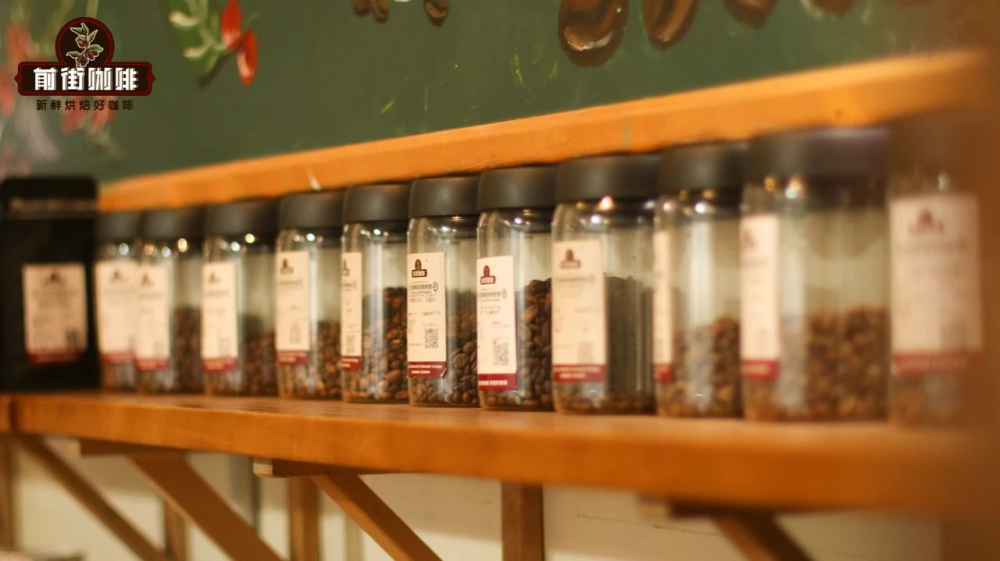
If the pour-over coffee beans you purchased are freshly roasted beans just out of the roaster, Front Street Coffee (FrontStreet Coffee) usually recommends resting them first, and tasting them after two or three days of resting, when the beans are in their ideal state. Resting the beans itself is not complicated; simply place the unopened coffee beans in a cool, dry, dark place without strong odors, and after the resting period, seal the one-way valve with clear tape.
The resting step is certainly important, but the storage method for coffee beans cannot be overlooked either. Once an opened bag is not properly sealed, the coffee beans easily absorb moisture, and the aroma is lost very quickly. Therefore, Front Street recommends putting the beans into an airtight container and placing it in a cool, ventilated spot; if you do not have an airtight container at home, you can also continue storing them in a well-sealed bag with a one-way exhaust valve, placed in a cool, dry location. Once the beans are properly rested, you can choose a suitable brewing method according to your personal preference.
Below, Front Street Coffee (FrontStreet Coffee) introduces the five brewing methods for freshly ground coffee powder one by one.
1. Decoction Method
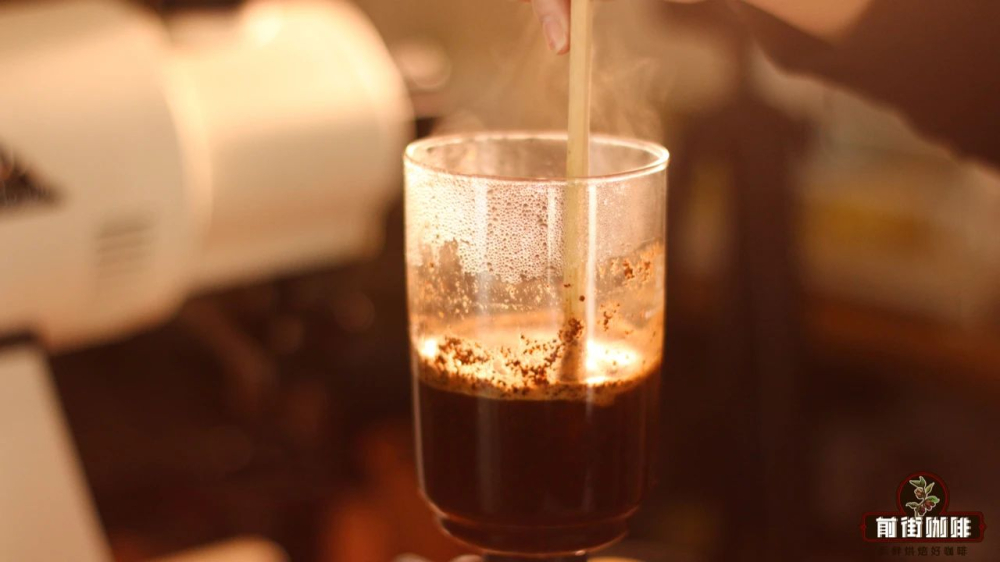
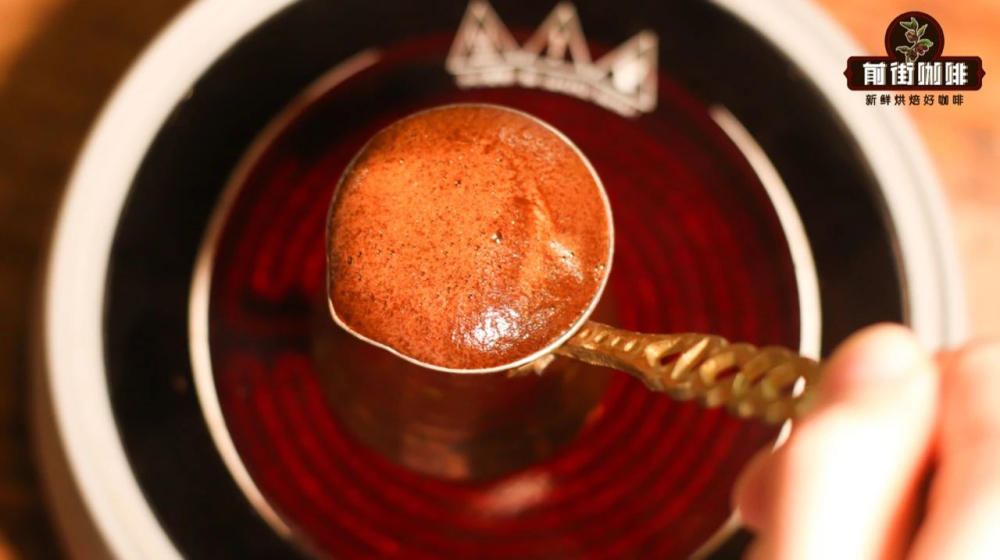
The most basic approach is to put coffee powder into a cup, pour in hot water, and wait for it to slowly cool as the coffee powder naturally settles to the bottom. This is a quite ancient method, still used today in some parts of Indonesia. When drinking, be careful not to swallow the sediment at the bottom of the cup. The advantage of this method is that it is simple and convenient, and the water temperature is just right. Turkish coffee is an early representative recipe, still popular in the Middle East, North Africa, East Africa, Turkey, Greece, and the Balkans. The method is to put extremely fine coffee powder and water into a small-mouthed vessel and boil it, usually with sugar and cardamom added for flavor. After pouring it into a cup, a layer of foam floats on the surface of the thick coffee, with a layer of powder settled at the bottom.
"Cowboy coffee" is made by putting coffee powder and water directly into a pot and boiling it to drink. The name suggests it is an emergency method used when conditions are poor, but some people happen to enjoy this taste. In Finland and Sweden, which have the highest per capita coffee consumption, people still use this traditional brewing method today.
2. Pressure Method
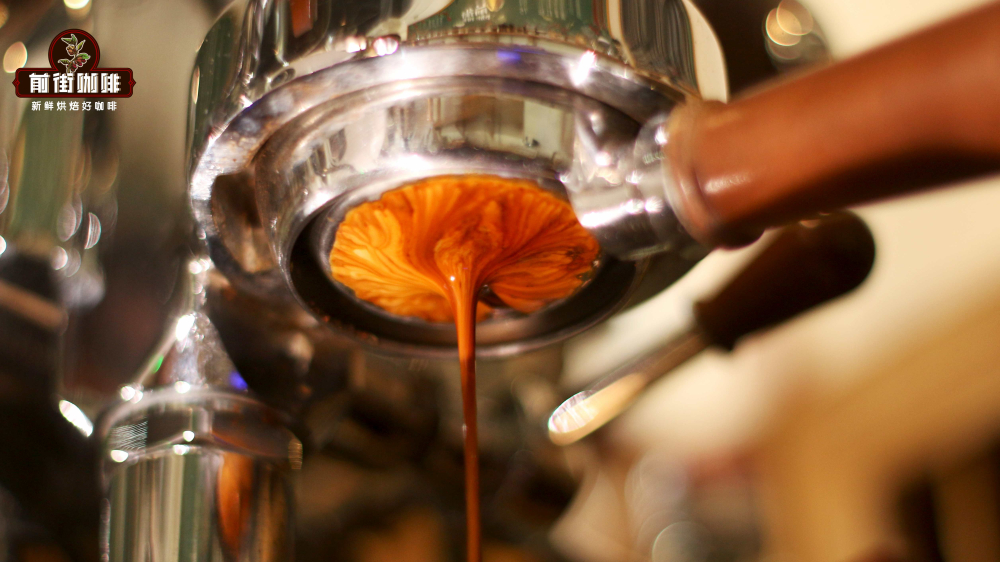
Espresso is extracted by using hot water at 80–96 degrees Celsius, at 8–9 atmospheres of pressure, passing through a compacted puck of coffee powder, and a single serving is usually only 30 milliliters.
Among common coffees, it has the highest concentration, yet possesses a unique aroma, with a layer of crema floating on the surface. Espresso can be drunk on its own or used as a base to further create many other beverages. Because of its fast extraction, high concentration, and relatively low caffeine content, many chain coffee shops and flavored coffee drinks use this method.
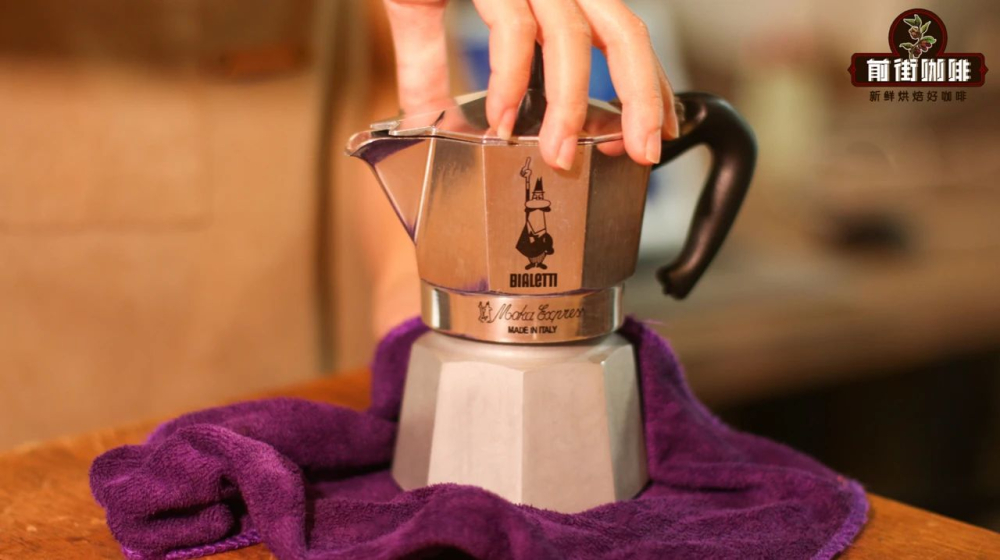
The moka pot, also called the "Italian coffee pot," is a three-layer stovetop device. Water in the bottom chamber is heated to boiling, then pushed by steam pressure through the coffee powder in the middle chamber into the upper container. The resulting coffee concentration can rival espresso, except there is no layer of crema on the surface. However, if a pressure-reducing gasket is added at the coffee outlet, a golden crema can also be extracted. The moka pot has the same structural principle as a semi-automatic espresso machine, but the direction of water flow is exactly opposite. After about 30–40 milliliters of coffee has flowed out, remove the heat source from the bottom of the pot as soon as possible, then wipe the bottom with a cold towel (remember not to rinse with water)!
3. Gravity Method
American coffee or the filter paper method involves placing coffee powder on filter paper or a metal filter, with hot water flowing from top to bottom to complete extraction. The concentration of the coffee depends on the water-to-coffee ratio and the coarseness of the coffee powder, but it is usually lower than espresso.
Electric percolators were quite common in the United States before the 1970s. Unlike the moka pot mentioned earlier: hot water boils and enters the top chamber, then passes from top to bottom through the coffee powder and returns to the heating chamber, cycling repeatedly several times. Precisely because the hot water passes through the coffee powder multiple times, the coffee made this way often does not have an ideal taste.
4. Immersion Filtration Method
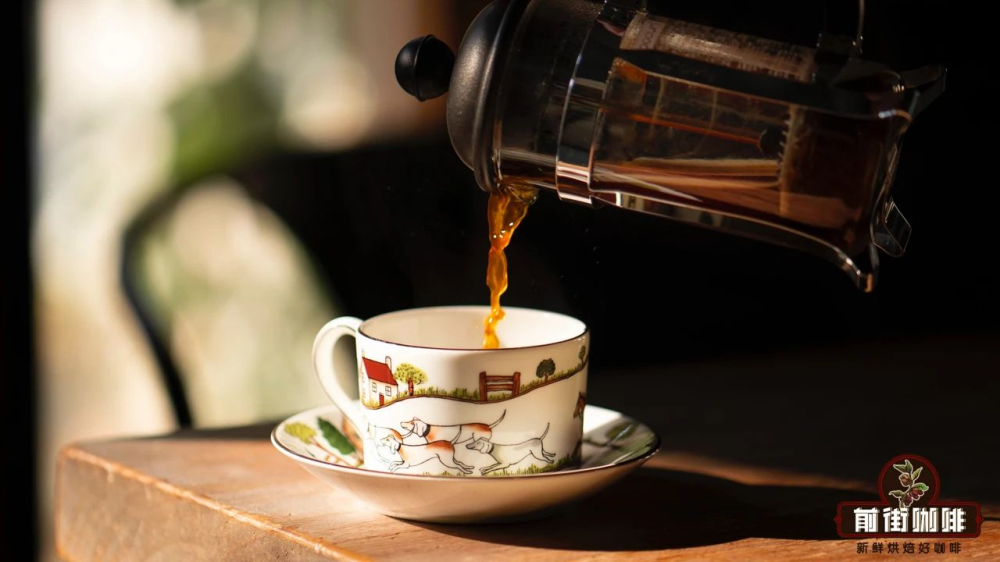
The French press is a tall, narrow glass cylinder equipped with a plunger with a filter. Hot water and coffee powder steep in the cylinder for four to seven minutes, then the coffee powder is pressed to the bottom by the plunger filter, and the coffee liquid on top can be poured out to drink. This "full immersion method" is regarded by many experts as an ideal choice for home coffee brewing, and its characteristic is that it can fully present all the flavors of the coffee.
Front Street Coffee (FrontStreet Coffee) believes that the French press is actually a very practical device. First, it is simple to operate; second, it has a high tolerance for error. Front Street Coffee (FrontStreet Coffee) suggests that if you plan to brew with a French press, you can choose pour-over coffee beans with a relatively balanced flavor. For example, Indonesian pour-over coffee beans are very suitable, with the distinctive herbal and medicinal notes of Mandheling; Colombian pour-over coffee beans are also worth trying, with a balanced flavor that is also very suitable for pour-over.
Front Street would like to share the steps for using a French press here:
Step One: Preheating
Pour hot water into the French press to about eighty percent full, allowing the glass body to preheat. After about two minutes, pour out the hot water.
Step Two: Add Coffee Powder and Hot Water
Put coffee powder and hot water into the French press, rest the inner filter mesh at the top of the pot. After about 2–3 minutes, press the inner filter mesh down to the bottom of the pot. The reason for not pressing the inner filter mesh down at the beginning is to allow the coffee powder to fully steep before filtering.
Step Three: Filtering
If you prefer a cleaner, smoother taste, you can take another server, place a dripper and a folded filter paper on it, then pour the coffee from the French press through it to filter.
Why do this? Front Street Coffee (FrontStreet Coffee) analysis suggests that immersion extraction makes the coffee liquid more intense. If you choose beans with rich flavor layers, it is easy for the fruit acidity to become prominent due to excessive concentration, so it is not very suitable.
There is also a relatively commonly used brewing method, which is also the extraction method used at Front Street Coffee (FrontStreet Coffee) stores—pour-over coffee.
Step One: Preheat the Server
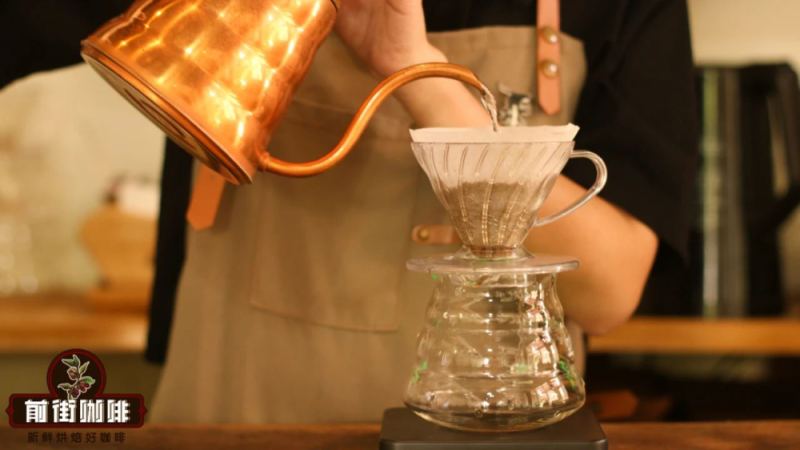
Take a server and place a dripper on it. Pour a small amount of hot water over the dripper to preheat and keep the server warm. After placing a folded filter paper in the dripper, pour a little more hot water to make the filter paper adhere to the dripper, then pour out the hot water. Filter paper has an insulating effect, preventing the dripper from being directly heated, so it is necessary to pour hot water twice—once before placing the filter paper and once after.
Step Two: Add Coffee Powder
Pour coffee powder into the dripper and gently tap the dripper a few times with your hand to level the coffee powder.
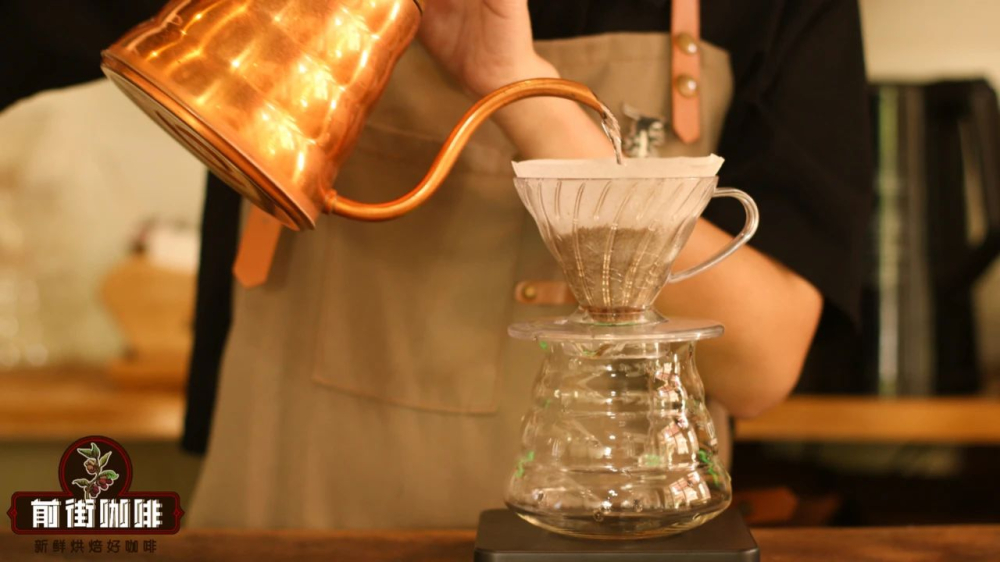
Step Three: First, bloom with 30 grams of water. When pouring, the stream should not be too strong, otherwise it will scatter the coffee powder and fail to achieve the blooming effect. The time to pour 30 grams of water is exactly 10 seconds, then let it sit for 20 seconds. When the total time reaches 30 seconds, you can move on to the second step of brewing. Then, using a slow, small stream, pour 125 grams of water in a circular motion from the center outward, at which point the total time is about one minute. After the coffee bed drops, you can pour water again.
The third step is to pour water again. When the total water amount reaches 225 grams and the time is about two minutes, you can stop pouring. Next, wait for all the coffee liquid in the dripper to flow into the server, then you can remove the dripper. But it is not over yet—the final action is to swirl the server containing the coffee liquid to mix the concentration evenly, and then you can enjoy a delicious cup of coffee.
There is also the siphon coffee maker (Syphon), which consists of a heating container connected to a funnel-shaped container. The connecting part is a filter, on which coffee powder is placed. Water boils in the heating container and rises into the funnel-shaped container, mixing with the coffee powder; at this point, the heat source is cut off, and the partial vacuum formed as the heating container cools draws the coffee from the funnel-shaped container back through the filter to the bottom, and a fragrant, rich cup of coffee is born.
5. Cold Brew Method
Cold brew coffee, also known as ice drip coffee, differs from the above four methods mainly in that it does not use hot water, but instead lets ice cubes slowly melt into ice water, dripping drop by drop through a filter containing coffee powder. The entire process is very slow to obtain a cup of cold brew coffee, so the cost is relatively high, but the flavor is extremely unique.
The above are all common coffee brewing methods. However, as the pace of modern life gets faster and faster, many people prefer to buy drip bag coffee. The history of drip bag coffee originates from the invention by UCC Ueshima Coffee in Japan, and this format is very simple and efficient. However, there are also some things to note about drip bag coffee. Many customers often come to Front Street Coffee (FrontStreet Coffee) stores to ask: can drip bag coffee be brewed repeatedly?
In fact, a small packet of drip bag coffee is usually 10 grams of powder, and 10 grams of powder can generally only be brewed once. When you brew it repeatedly, you may feel that the coffee still tastes strong and seems drinkable. But this is not the case—the longer you brew drip bag coffee, the more caffeine is released, and the coffee is already in an over-extracted state. Over-extraction releases bitterness and astringency together, and the best flavor of that coffee has basically disappeared. Front Street recommends drinking drip bag coffee within its optimal flavor period.
In addition, Front Street recommends that when buying drip bag coffee, try not to choose products made more than five days ago. Because once coffee beans are ground into powder, their unique aroma quickly dissipates, and the flavor drops significantly. Just like the customers who usually come to Front Street Coffee (FrontStreet Coffee) to buy coffee beans, we suggest it is best to grind right before drinking. Even if the coffee beans have a long shelf life, try to drink them within the optimal flavor period. Of course, there are also many customers who do not have a grinder at home and have their beans ground directly at Front Street's store, but Front Street still recommends drinking them within as short a time as possible.
Front Street Coffee (FrontStreet Coffee)'s advice is: whether freshly ground coffee powder should be boiled or brewed depends on the characteristics of the beans you have chosen and which equipment is more convenient for you.
For more specialty coffee beans, please add the private WeChat of Front Street Coffee (FrontStreet Coffee), WeChat ID: kaixinguoguo0925
The above content is compiled by CoffeeHunters, a coffee news website.


