







How should geisha coffee beans be stored after opening?
Coffee beans stay fresh longest when kept away from oxygen, moisture, and heat. After roasting, beans release carbon dioxide, and roughly 60 to 70 percent of that gas escapes in a concentrated burst during the first four to seven days. Once only 30 to 40 percent remains, release slows and the coffee enters a stable stage.
The flavor peak usually falls between 30 and 45 days after roasting, which is the optimal flavor period. Oxygen has the most violent effect, oxidizing the beans, while moisture and high temperature speed deterioration further. Portioned storage and vacuum storage limit exposure. The same rules apply to geisha coffee beans, which lose aroma quickly once ground.
How should coffee beans be stored after opening to preserve their aroma? Starting from the pattern of gas release after roasting, this article explains in detail the formation principle of the optimal flavor period, and analyzes one by one the mechanisms by which the three major flavor killers—oxygen, moisture, and high temperature—exert their effects. At the same time, through comparative experiments, Front Street Coffee verified the trajectory of flavor decline in coffee after grinding into powder at different time points, and offers practical suggestions such as portioned storage and vacuum storage, helping coffee lovers extend the freshness and flavor performance of coffee as much as possible in daily brewing.
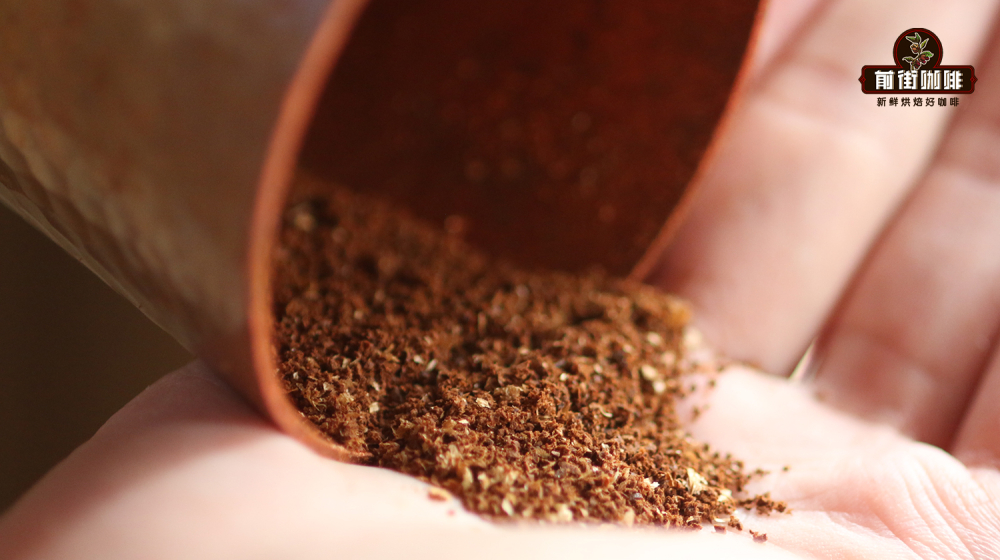
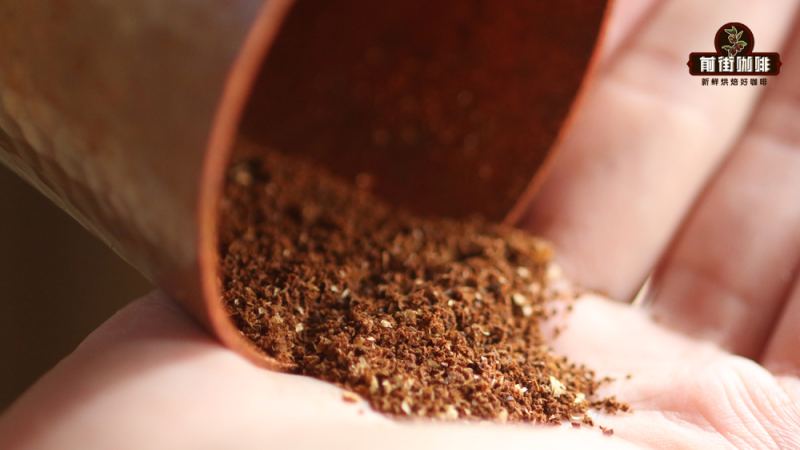
When brewing coffee, we usually grind the coffee beans right away. However, many friends, for convenience, directly buy pre-ground coffee powder. So how exactly should coffee powder be stored to maintain freshness? After grinding, what factors accelerate flavor deterioration? Front Street Coffee will explain them one by one.
The optimal flavor period of coffee beans
After green coffee beans are roasted, their internal structure continuously absorbs heat and expands, while also accumulating a large amount of carbon dioxide. These gases have both advantages and disadvantages: the disadvantage is that when the content is too high, they interfere with the extraction of flavor substances by hot water; the advantage is that they can act as a barrier, slowing the loss of volatile aromas.
From past experience, during the four to seven days after roasting is completed, about 60% to 70% of the carbon dioxide is released in a concentrated burst (at this time, blooming most easily forms a full hamburger-shaped dome). When only 30% to 40% of the gas remains in the beans, the release rate slows significantly, and the coffee beans then enter a stable stage. The flavor brewed at this time often reaches its peak within thirty to forty-five days after roasting, and this period is what we call the optimal flavor period.
The three great enemies of coffee beans
When storing coffee beans, whether in bags or cans, you must be careful to avoid the following three factors, because they directly weaken the freshness of the coffee beans.
1. Oxygen Among many factors, oxygen has the most violent impact on coffee beans. Extensive exposure to oxygen causes coffee beans to oxidize rapidly. Other factors are like simmering over low heat, gradually consuming freshness, while oxygen only needs to expose the beans for a moment for you to truly feel that the flavor is completely gone and utterly bland.
Of course, completely isolating oxygen is unrealistic, but we can shorten the time during which fresh oxygen contacts the coffee beans. For example, after opening the bag and taking out the needed beans, immediately reseal the bag opening or can opening, which can effectively reduce the chance of the remaining beans inside being exposed to fresh oxygen.
2. Humid environment So-called humidity refers to excessively high moisture content in the space where the coffee beans are kept. Once dry coffee beans absorb too much moisture, they become damp, which then triggers a series of negative conditions such as deterioration and mold. In particular, the surface of dark-roasted beans tends to become oily, making it difficult to tell by eye whether they have become damp, and if you are not careful, you may brew them. Therefore, keeping coffee beans in a dry environment at all times is the safest approach.

3. High temperature The storage environment must not only be dry, but also kept away from all heat sources, including various heat-generating home appliances, as well as light sources that carry heat, especially direct sunlight.
Under prolonged high-temperature baking, the aromatic substances in coffee beans volatilize at a multiplied rate. A flavor period that could originally last dozens of days will be sharply shortened under the influence of high temperature. Therefore, a cool and dry place is the most ideal storage location for coffee beans.
In addition, it should be noted that although many coffee bean packaging bags use aluminum foil material for heat insulation, they are equally unable to withstand sustained high temperatures. Front Street Coffee (FrontStreet Coffee) particularly emphasizes: do not put coffee beans under the sun just because the packaging bag is opaque.
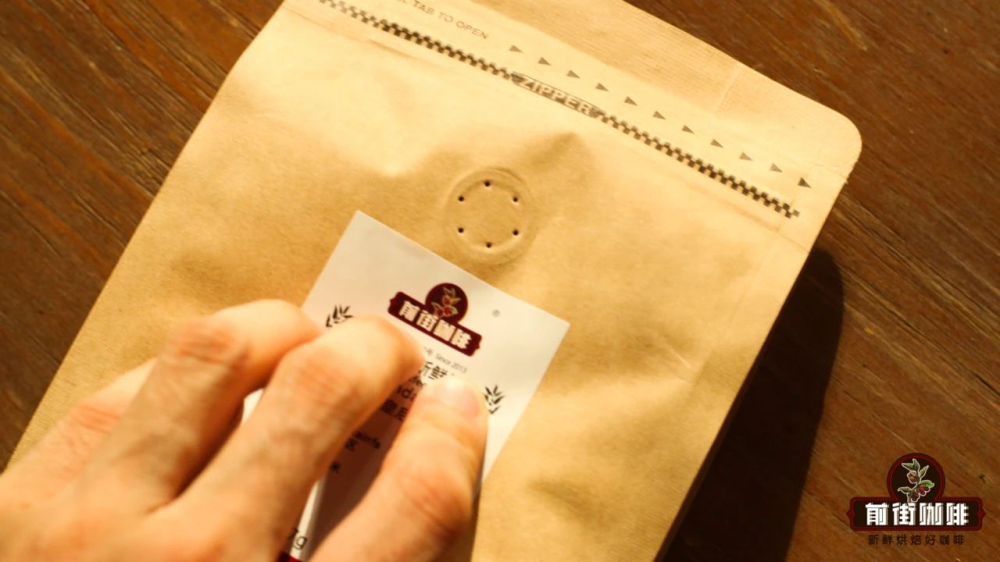
In summary, as long as these three great enemies are avoided as much as possible during storage, coffee beans can retain abundant aromatic substances for a longer time. If conditions permit, Front Street Coffee (FrontStreet Coffee) recommends purchasing vacuum-sealable bean canisters, which can more effectively isolate oxygen and extend freshness; or use stickers to seal the exhaust valve holes on the bean bag, which can also slow down the rate of oxidation.
Of course, in addition to paying attention to the roast date, the flavor performance of coffee beans is also closely related to storage conditions. Usually, after fresh coffee beans are received, we recommend placing them in a sealed, cool, dry, and light-protected place, and minimizing the number of times the bag is opened. Just imagine, if a bag of beans is opened several times a day, or frequently exposed to moist air, then even if it is still within the recommended flavor period, the coffee powder has most likely already gone stale.
After coffee is ground, how long can the flavor be preserved?
As is well known, the aroma of coffee beans is most abundant at the moment they are freshly ground into powder. These aromas actually come from volatile flavor substances drifting through the air and then being smelled by us. Before grinding, the structure of the coffee beans is intact, and carbon dioxide can only be released slowly from the surface; once ground into powder, the surface area exposed to air suddenly expands, and a large amount of carbon dioxide carries aromatic substances and escapes at an accelerated rate, so the flavor period naturally shortens accordingly.
In order to find out the optimal flavor period after coffee is ground into powder, Front Street Coffee once conducted a comparative experiment: Panama Boquete Geisha coffee beans roasted on the same day were ground into powder thirty days, twenty-one days, and fourteen days in advance respectively, each sealed and stored separately, and then brewed and compared at the same time.
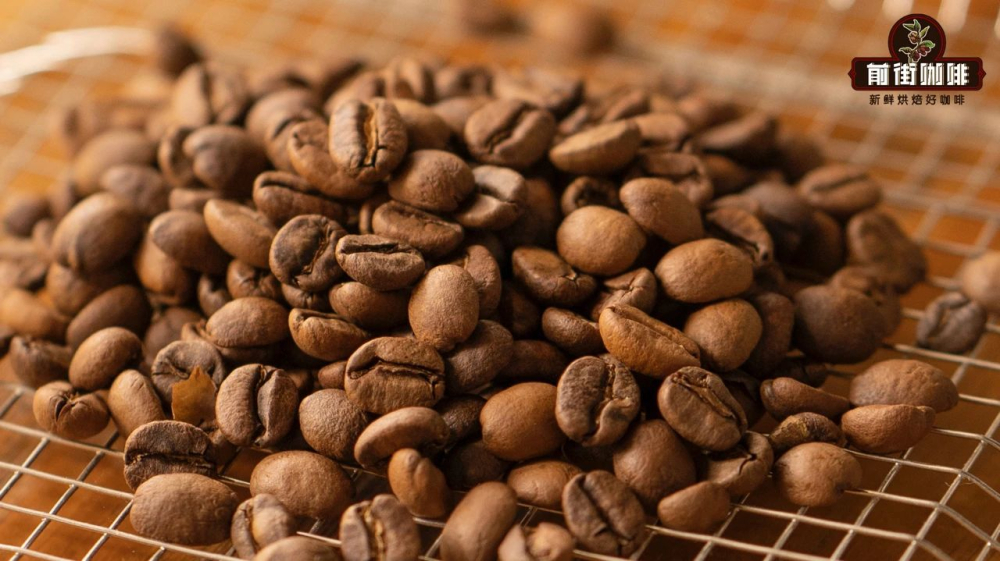
In the end, we found that, on the premise of sealed storage and relatively few openings, coffee can still deliver a decent flavor within three weeks after being ground into powder, but it declines day by day; if stored for more than one month after grinding, the aroma completely dissipates, leaving only a flat, ordinary coffee taste.
Therefore, if you stock up a large amount at once and the coffee is not consumed quickly, Front Street recommends that after receiving pre-ground coffee powder, immediately divide it into multiple sealed jars or sealed bags for storage, opening only as needed, so you do not have to worry about the aroma of the remaining coffee quietly slipping away due to frequent opening.
What changes in taste will occur in coffee ground in advance?
Out of curiosity, last week Front Street ground a bag of idle washed Yirgacheffe (roast date December 29, 2024) into powder, and then tested its flavor state every day, observing the relationship between the storage time of the coffee powder and the brewing performance and final flavor.
Freshly ground and freshly brewed: rich dry aroma, showing obvious white flower and citrus fruit aromas, as well as honey-like sweet fragrance; during blooming, the dome rises normally, and the coffee bed continuously bubbles. In terms of flavor, there are fresh orange peel, light floral notes, lemon, snow pear, and plum acidity; after the temperature drops, sunflower seed kernel, caramel, and green tea aromas emerge, with a light, transparent, and bright acidity.
First day after grinding: the dry aroma has a distinctly fresh scent like citrus and lemon peel, the floral notes weaken, mixed with some nut and milk candy aromas; during brewing, bubbles are released abundantly. The flavor is mainly sweet orange, pomelo, and tea-like notes, with lively acidity and obvious sweet aftertaste.
Second day after grinding: the dry aroma becomes slightly lighter, still with a fresh citrus scent, the bloom no longer rises, and only a small amount of bubbles emerges from the coffee bed during extraction. The flavor is mainly the sweet-and-sour notes of citrus and pomelo, with a profile not much different from the previous day; there is a caramel sensation on the palate, and the finish carries a green tea note.
Third day after grinding: the dry aroma turns to honey, citrus, and nut aromas, and the bubbles during blooming and extraction further decrease. The flavor shows pomelo, lemon, and tea-like notes; the acidity is not as bright as the previous day, and the caramel sensation becomes heavier.
It can thus be seen that after coffee beans are ground into powder, not only does carbon dioxide continuously dissipate with the storage days, but the aroma of the brewed coffee also gradually decreases. Taking this lightly roasted Yirgacheffe from Front Street as an example, when just ground it showed a refreshing and bright profile; as the coffee powder contacted air more times and the storage time lengthened, its profile also slowly evolved from fresh fruity sweet-and-sour notes to a fuller caramel sensation. At this point, no matter how you adjust other parameters, it is very difficult to restore the flavor performance of when it was just ground.
In fact, this type of medium-light roast coffee is originally known for its floral and fruity aromas, and a few hours after being ground into powder, much of its essential aroma has already been lost. So if you pursue this kind of flavor, if conditions permit, Front Street recommends equipping a grinder, so you can experience the aroma brought by freshly roasted and freshly ground coffee.
The above content is compiled by CoffeeHunters, a coffee news website.


