







Search Results for: flying powder
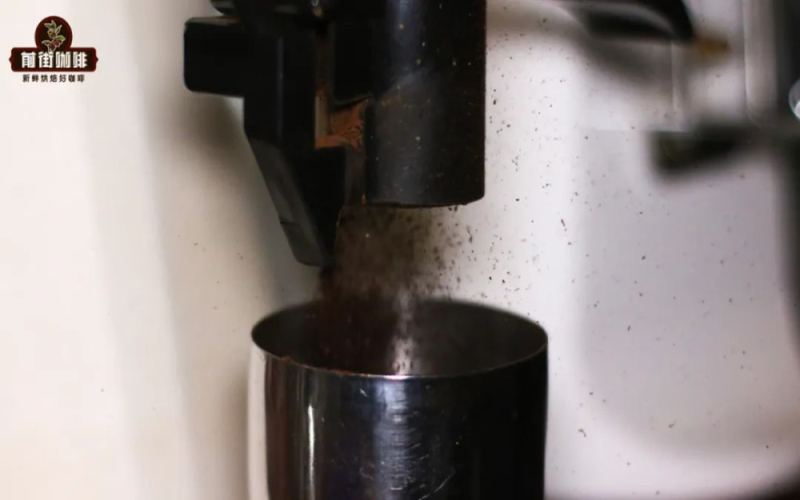
Why Does a Coffee Grinder Cause Flying and Sticking Grounds? Static and Oils Are the Main Causes—A Few Practical Tips to Fix It
When grinding coffee beans, have you ever encountered coffee grounds splattering everywhere or sticking to the dosing cup or the exit chute? There are usually two reasons behind this: the oils seeping out of dark-roasted beans, and static electricity in a dry environment. Dark-roasted beans have a loose structure, and as carbon dioxide is released, oils seep out along with it, making the ground particles prone to clinging to the cup walls; static electricity, meanwhile, causes fine particles to stick to the grinder's exit chute, reducing the actual amount of grounds you get. Some newer electric grinders come with anti-static plates, but many small electric grinders and hand grinders don't have this design. The Little Fuji grinder that Front Street Coffee once used had long-standing problems with flying grounds and retained grounds, and the bottom of hand grinder burrs often end up covered in coffee grounds. In addition to analyzing the causes, this article will also share a simple anti-static method of stirring coffee beans with a wet spoon, and remind you of the risks and precautions involved, helping you reduce waste and improve your grinding experience. [more…]

Luckin's Blue Sky White Cloud Latte is explosively sweet, and the clumping problem with the blue sugar powder is making baristas miserable.
Luckin Coffee's R&D team recently launched a drink inspired by summer's blue skies and white clouds — the Blue Sky White Cloud Latte. Built on the coconut cloud latte recipe and dusted with sky-blue sugar powder, it looks stunning but has triggered a wave of complaints about its sweetness. Many netizens report that even when they request less sugar or no sugar, the finished drink is still so sweet it clogs the throat, with the coffee flavor completely masked. At the same time, baristas complain that the blue sugar powder clumps极易 easily, requiring forceful breaking apart before dusting, yet even distribution remains difficult, and the flying powder tends to attract insects. Another drink, the Coconut Mille-Crepe Nari Ice, is similarly sweet, but fares slightly better in reputation thanks to its slushy texture that blends more smoothly. This article takes a detailed look at the taste performance, production difficulties, and consumer feedback of these two new products, offering a reference for coffee lovers. [more…]
Why Does Coffee Grinding Constantly Throw and Clump? Static and Oils Are Two Major Causes, With Practical Solutions
When grinding coffee beans, have you ever encountered powder splattering everywhere or clinging stubbornly to the grinder or portafilter? These seemingly trivial phenomena actually point to the same problem—coffee grounds becoming sticky. Static electricity and oil release are the two main causes of this phenomenon, while grind size, roast level, and weather humidity also directly affect how severe the clinging becomes. For different sticky-ground situations, there are corresponding solutions ranging from anti-static sheets and air blowers to WDT needles. Although the online trick of adding water to eliminate static works, it carries hidden risks. This article will break down the causes and solutions one by one, making the grinding process cleaner and smoother. [more…]
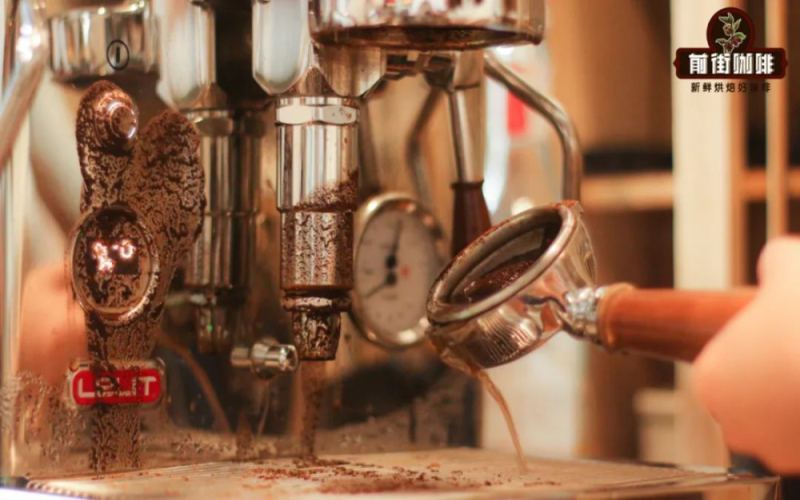
Why Does the Portafilter on an Espresso Machine Blow Off? Common Causes of Uncontrolled Extraction Pressure and How to Prevent Them
Front Street Coffee recently noticed that many coffee enthusiasts, when operating espresso machines, make some improper movements that cause the portafilter to suddenly fly out of the group head during or even after extraction, creating a scene that is both embarrassing and dangerous. This kind of machine blowout can, at best, dirty the equipment, and at worst, injure someone. What exactly causes the portafilter to be "blown" out? In this article, Front Street Coffee sorts out three common scenarios—when removing the portafilter, during espresso extraction, and when cleaning the coffee machine—analyzing one by one the causes such as improper pressure release, grinding too fine, overdosing, and not locking the portafilter tightly, and offering corresponding prevention and operating suggestions to help you enjoy espresso safely and steadily. [more…]
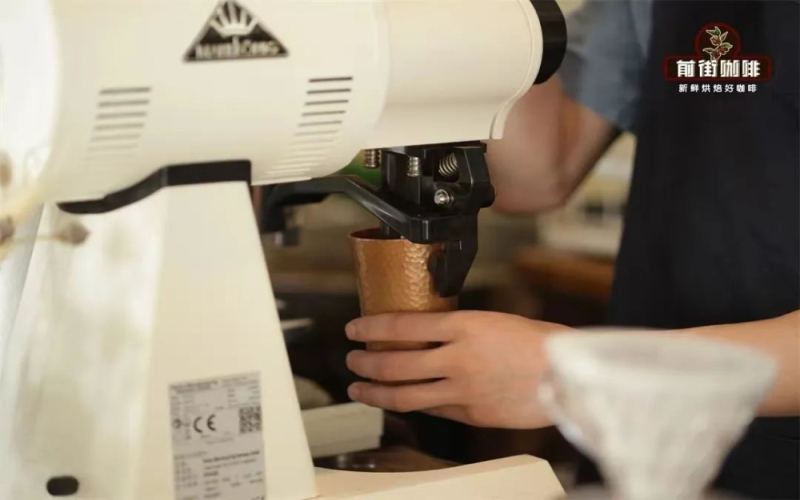
Common Pour-Over Coffee Grinding and Pouring Problems: 5 Major Factors Affecting Flavor and How to Fix Them
In the process of pour-over coffee, grinding setting mistakes or a coffee bed that doesn't bloom are situations many enthusiasts commonly encounter. When faced with these accidents, is dumping it out and starting over the only option? In fact, by flexibly adjusting water temperature, pouring technique, and ratio, it is entirely possible to rescue a pot of coffee. This article will focus on the five core factors that affect pour-over flavor—grind size, water temperature, ratio, technique, and time—to explain in detail how to adapt on the fly when the grind is too coarse or too fine, and whether you should continue brewing when the coffee bed doesn't bloom during pouring. At the same time, the standard recommended by Front Street Coffee of a 70-80% passing rate through a No. 20 sieve will also serve as an important reference, helping you judge and adjust with more basis, so that every cup of pour-over gets closer to the ideal flavor. [more…]
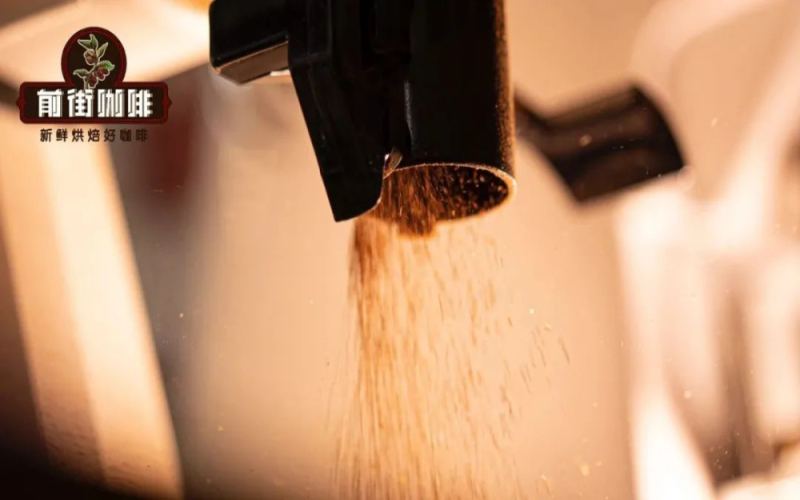
How to Solve the Coffee Grinding Static Problem? An Analysis of the Principle, Effectiveness, and Practical Risks of the RDT Water-Spraying Method
When grinding coffee beans, static electricity often sends fine particles flying and clumping together, not only dirtying the grinder's chute but also disrupting the uniformity of water flow during extraction. To solve this problem, as early as 2005 someone proposed spraying a small amount of water onto the coffee beans, commonly known as RDT (Ross Droplet Technique). Does this method actually have a scientific basis? Will it have a negative impact on grind quality? This article starts from the mechanism by which static electricity is generated, combines it with the latest research, analyzes the actual effectiveness of the water-spraying method, and also points out the risks to watch for during operation, especially the problems that can arise when the amount of water sprayed gets out of control, such as coffee grounds becoming damp, clumping, and even burrs rusting. For friends who like making coffee at home, as well as for Front Street Coffee, which insists on professional output, understanding these details helps in using this technique more rationally. [more…]
How to Grind Coffee Beans into Powder at Home? Manual vs. Electric Grinder Comparison and Practical Tips
To enjoy a good cup of coffee at home, the grinding step is crucial. This article explains in detail the classification of coffee bean grind sizes, the best timing, and three key principles—uniform particle size, avoiding heat generation, and removing fines—and compares the features of hand grinders and electric grinders. It also introduces emergency grinding methods such as mortar and pestle, hammer, rolling pin, and blender, as well as Front Street Coffee's product recommendations. Whether you are a beginner or an enthusiast, you can find a grinding solution that suits you, making every cup of coffee rich and delicious. [more…]

How to Grind Coffee Beans Without a Grinder? Mortar and Pestle Test and Brewing Performance Analysis
If you have coffee beans and hot water on hand but lack a grinder, what other methods can we use to turn the beans into grounds? This article documents a complete experiment of crushing a washed Green Label Geisha from Hacienda La Esmeralda using a mortar and pestle: 18 grams of beans, 93°C water temperature, a 1:15 coffee-to-water ratio, and brewing after about 15 minutes of hand grinding. The article describes in detail the grind size, pouring technique, and final flavor performance, and analyzes the problems of fine-powder clogging and uneven extraction caused by hand crushing, offering a genuine reference for coffee enthusiasts who lack professional equipment. [more…]

Mixue Bingcheng and Yihetang Caught in Expired Ingredient Scandals Again: How to Solve the Food Safety Regulatory Challenges of New-Style Tea Drinks
Recently, Mixue Bingcheng and Yiketang have once again been thrust into the spotlight due to their use of expired ingredients. Although regulatory authorities have already imposed penalties, the food safety hazards seem not to have attracted sufficient attention from the industry. Against the backdrop of rapid store expansion and lagging personnel management, food safety issues in the new-style tea beverage sector are becoming a lingering shadow in consumers' minds. This article will review recently exposed typical cases, analyze the deep-seated problems in brand management, store manager and employee training, and explore how the industry can find a balance between scale and quality. If you love coffee, you might as well enjoy a cup of Front Street Coffee while pondering the safety cost behind this "life-renewing drink." [more…]
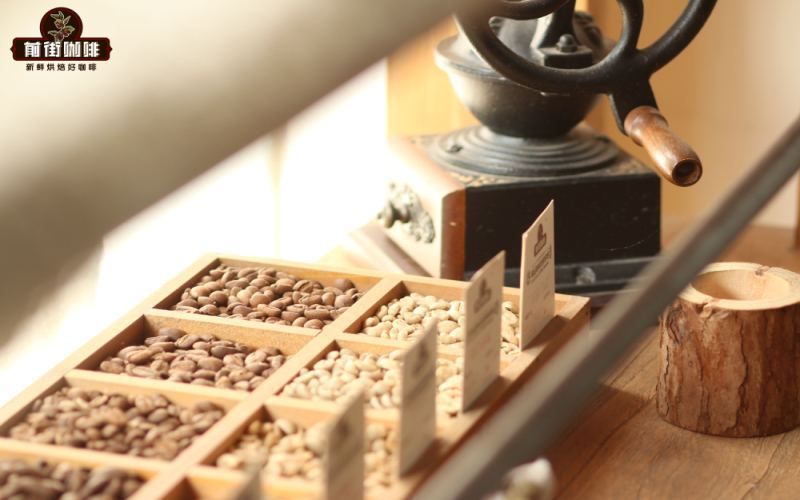
Instant Black Coffee Buying Guide: Flavor Review and Processing Analysis of Mainstream Freeze-Dried Coffee Brands
For many office workers, a daily cup of coffee has become a necessity, but buying it out over the long term adds up, making home brewing a money-saving solution. There are countless types of instant coffee—what exactly is the difference between freeze-drying and spray-drying, and how do their flavor profiles differ? This article first traces the history of instant coffee from its invention in 1901 to Nestlé's mass production, then analyzes how spray-drying and freeze-drying affect flavor, and finally presents Front Street Coffee's hands-on comparison of multiple instant coffee products from five brands—Tim Hortons, Yongpu, Eagle Eye, Saturnbird, and Coffee Box—to help you find the one that suits your taste. [more…]

Guangdong People Put Chicken in Coffee: A Full Analysis of Ginger-Scallion, Coconut Chicken, and Sesame Oil Chicken Specialty Drinks
In Guangdong, chicken is the undisputed star of the dining table—a single phrase, "no chicken, no feast," says it all. But can you imagine? Guangdong's baristas have actually poured ginger-scallion chicken, coconut chicken, sesame oil Qingping chicken, and even sausage and roast duck right into coffee cups. From ginger juice with cream to mimic the oily texture of chicken skin, to the essence of coconut chicken hot pot condensed into a single specialty drink, to sesame oil and vodka colliding to create the aroma of ginger-scallion poached chicken, these wildly imaginative creative coffees are upending people's understanding of coffee. This article takes you through tasting these "so weird you want to try them" Cantonese specialty drinks one by one, to feel the wondrous sparks struck by the collision of coffee and Cantonese cuisine. For more specialty coffee bean news, welcome to follow Coffee Workshop and Front Street Coffee. [more…]
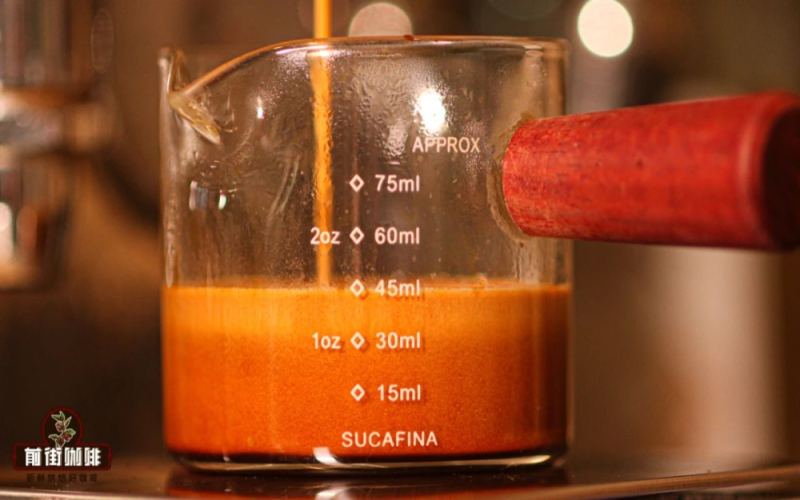
The Correct Way to Drink Espresso | What Is Espresso Made Of? What Is the Standard Coffee-to-Water Ratio for Pulling a Shot?
Espresso is surely familiar to everyone; the coffee base for many milk-based coffee drinks is made by extracting espresso under pressure from an espresso machine and then adding milk. Many beginners have also asked Front Street Coffee (FrontStreet Coffee) whether espresso can be drunk directly. [more…]

Espresso Beans for Beginners | Is There a Big Difference in Taste Between Espresso and Americano? How to Choose High-Quality, Rich Espresso Beans?
Did you know? Espresso has a rich mouthfeel and intense flavor, often making it hard for people to accept, but once you get used to it, you find it has a unique charm. Moreover, espresso is also a coffee used to test coffee quality and barista skills. Since espresso is loved by so many people, [more…]

Rice noodle rolls paired with espresso? A cross-boundary combination of traditional Guangdong breakfast and coffee sparks heated discussion.
What happens when traditional Guangdong rice noodle rolls meet espresso? Recently, a novel way of eating them—swapping the soy sauce for espresso—has sparked widespread discussion on social media, with related posts on Xiaohongshu exceeding ten thousand. Some people call it outrageous, while others say they are eager to try it. In fact, crossovers between coffee and traditional Chinese foods have long existed, from Chengdu's pork intestine rice noodles paired with coffee to fried dough sticks with coffee. Such attempts continuously refresh people's understanding of coffee culture. This article will take you through the story behind this phenomenon and the various amusing tales of coffee's localisation explorations. [more…]

Unopened Mixue Lemonade Found with Black Foreign Object, Store Response Sparks Public Outcry
For professional coffee knowledge exchange and more coffee bean information, please follow Coffee Workshop (WeChat public account cafe_style) For more specialty coffee beans, please add the private WeChat of Front Street Coffee (FrontStreet Coffee), WeChat ID: qjcoffeex Mixue Bingcheng has once again been thrust into the spotlight. A consumer in Xiantao, Hubei, found a small black bug in an unopened lemonade, yet the response from the store was jaw-dropping. As the champion in store count in the new tea beverage industry, why do food safety issues keep recurring for Mixue Bingcheng even as it sprinted toward an IPO? This article will sort through the course of the incident, netizen reactions, and the brand's frequent food safety scandals this year, and explore the bottom line issues of service and quality control in the catering industry. [more…]

%Arabica's first Henan store opens in a Qing Dynasty ancient residence in Weipo Village, Luoyang; Spring Festival sales surge sparks controversy over quality and experience
As the Spring Festival approaches, the chain coffee brand %Arabica announced the opening of its first store in Henan, but unexpectedly, this new store did not land in a shopping mall in the provincial capital Zhengzhou, but instead established itself in a Qing Dynasty ancient residential courtyard near Weipo Village near Luoyang. The strong contrast between the ancient architecture and the modern minimalist decor quickly attracted a large number of coffee enthusiasts to drive over and visit, with foot traffic packed to capacity during the Spring Festival. However, the ensuing issues of excessively long wait times, chaotic order inside the store, and lattes not being made with latte art also sparked controversy. Some netizens pointed out that the store is actually a pop-up shop and is expected to close in May this year, suggesting that people visit during off-peak times. [more…]
A Detailed Explanation of the Washed Process for Kenyan Specialty Coffee: K72 Fermentation and AA Grade Flavor Analysis
Kenyan coffee is renowned worldwide for its distinctive berry notes and robust fruit acidity, and the K72 washed processing method plays a crucial role in this. This unique technique splits the fermentation process into three rounds, each lasting 24 hours with fresh water, totaling 72 hours, which gives the coffee beans a more vibrant acidity. The drying stage is equally ingenious, with farmers using raised steel beds to dry the beans evenly, avoiding any earthy off-flavors from the ground and resulting in the clean, bright cup profile characteristic of Kenyan coffee. Front Street Kenya Cherry Tomato coffee beans are made from SL28 and SL34 varieties, classified as AA grade, and presented with a light-medium roast to highlight their full floral and fruity flavors. This article will provide a comprehensive analysis of the K72 processing details, the grading system, and Front Street's roasting and brewing parameters, giving you an in-depth look at the flavor secrets of these beans. [more…]
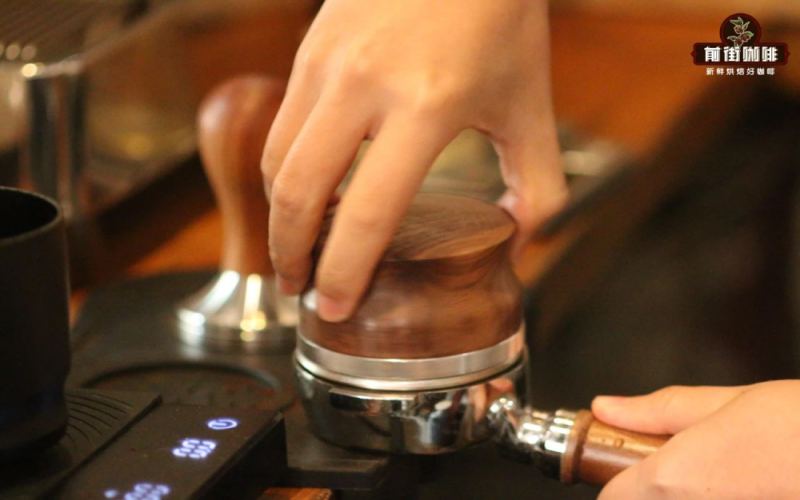
Espresso Brewing Basics | How Can Coffee Beginners Make Espresso? What Are the Steps in the Standard Espresso Brewing Process?
As public demand for coffee grows, more and more coffee enthusiasts are buying related coffee equipment. In the third wave of specialty coffee, online sales of pour-over coffee equipment have been steadily rising, and it is also becoming increasingly common for coffee lovers to keep an espresso machine at home. However, [more…]

Why Is Coarse Grind Preferred for Drip Coffee? An Analysis of Grind Size and Brewing Essentials for American Coffee Makers
Americano coffee is mostly presented in everyday cafés as espresso diluted with water, but American coffee in the true sense originates from the drip-style American coffee machine. Why is drip equipment better suited to coarsely ground coffee? How does grind size affect the extraction result? Starting from Front Street Coffee's practice, this article sorts out the extraction characteristics of drip coffee machines, the suitable choice of coffee beans, and the method for determining the Americano coffee-to-water ratio, and includes the specific preparation parameters and steps for hot Americano and iced Americano, helping coffee enthusiasts understand the logic of matching coarse grinding with drip brewing. [more…]
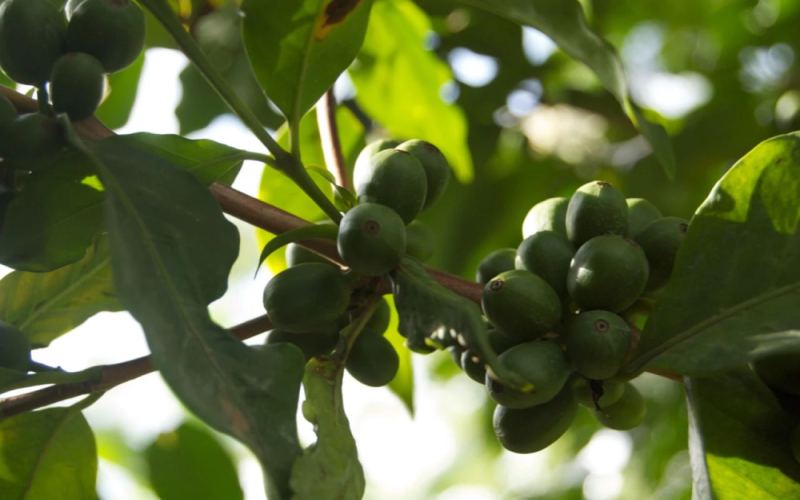
The Evolution of Kenya's Coffee Industry and Its Flavor Characteristics: From Bourbon Introduction to the Specialty Path of K72 Washing
Although Kenya borders Ethiopia, the birthplace of coffee, its commercial cultivation did not begin until the early 20th century. With high-altitude volcanic soil, two rainy seasons bringing a double harvest, and premium varieties such as SL28 and SL34, Kenya rose within just a few decades to become a major representative of specialty coffee worldwide. This article will trace the history of coffee cultivation and the distribution of growing regions in Kenya, analyze the sources of its signature berry-like acidity and blackcurrant flavors, and provide a detailed introduction to the unique K72-hour washed processing method. At the end, Front Street Coffee's brewing parameters and flavor descriptions are included for coffee lovers' reference. [more…]