







How Do You Fix Coffee Grinding Mistakes During Pour-Over?
A wrong grind setting does not mean the brew is ruined. Instead of dumping it, judge how far the grounds deviate from the usual setting, then offset the gap by adjusting water temperature, pour technique, or the coffee-to-water ratio. Grind size, temperature, ratio, technique, and time work together, so changing one asks the others to compensate.
Front Street recommends testing grind with a No. 20 sieve, aiming for a 70-80 percent passing rate for pour-over. A coffee bed that fails to expand during pouring is another warning sign, often tied to stale beans or a coarse grind. That is also why coffee aroma can read thin even when the recipe looks correct. Adjust one variable at a time and taste the result.
In the process of pour-over coffee, grinding scale errors or a non-expanding coffee bed are situations many enthusiasts often encounter. When facing these accidents, is dumping and starting over the only option? Actually, by flexibly adjusting water temperature, pouring technique, and ratio, it is entirely possible to rescue a pot of coffee. This article will focus on the five core factors affecting pour-over flavor—grind size, water temperature, ratio, technique, and time—providing detailed analysis on how to adapt when the grind is too coarse or too fine, and whether to continue brewing when the coffee bed does not expand during pouring. At the same time, Front Street Coffee's recommended standard of 70-80% passing rate through a No. 20 sieve will also serve as an important reference, helping you make more informed judgments and adjustments, bringing every cup of pour-over closer to the ideal flavor.
- Grinding at the wrong setting—do you have to dump it?
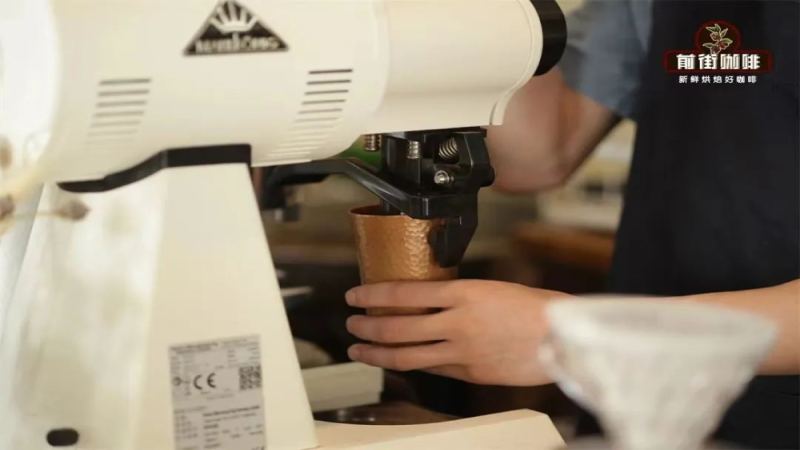
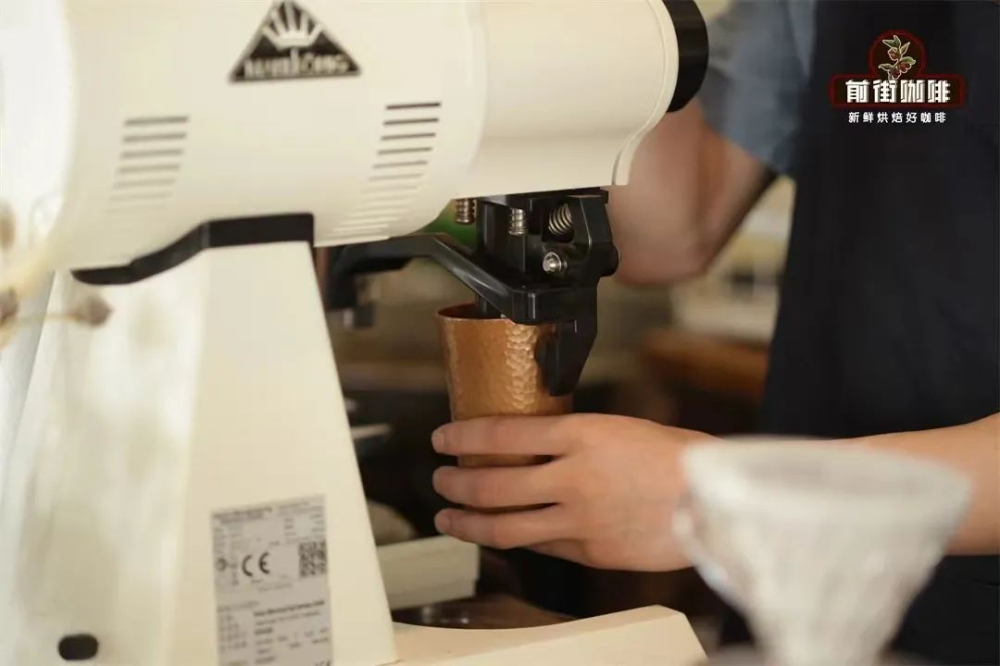
I believe many people have experienced this situation: when grinding coffee beans, they didn't carefully check the setting, or forgot to adjust it back after the last change, resulting in completely wrong grind coarseness. At this point, there are usually two paths: either painfully discard it, or grit your teeth and continue brewing, hoping for a good result.
When introducing pour-over grind size, Front Street has always advocated adopting a unified standard, such as the commonly used No. 20 sieve testing method, where the ideal pour-over grind size is a 70-80% passing rate through a No. 20 sieve. This coarseness range is most likely to extract the ideal pour-over flavor.
Once you discover the grind coarseness has deviated, don't rush to dump it—there may still be room for rescue. The first step is to judge how much the actual ground powder differs from your daily grind size. You can roughly estimate by observing the size of the largest particles, or directly check the grinder's setting.
Among the brewing elements summarized by Front Street, grind size, water temperature, coffee-to-water ratio, and pouring technique need to coordinate with each other to make a good cup of coffee. If the grind size changes but other parameters remain unchanged, the overall coordination will be imbalanced, and the taste will naturally be off. However, we can absolutely offset the grind size deviation by adjusting other variables.
Everyone knows that coffee beans are ground to increase the contact area with water. The finer the grind, the larger the surface area, and the easier flavor compounds are released. Another key player—water—has greatly different activity at different temperatures. The higher the water temperature, the stronger its ability to dissolve coffee substances; the lower the water temperature, the more difficult the extraction. Time works the same way: the longer the steep, the stronger the coffee; the shorter the steep, the weaker the coffee. In pour-over, this can be flexibly controlled through pouring technique.
So, if the coffee powder is ground too coarse, try increasing the water temperature, extending the bloom time, and pouring with a small stream to prolong the soak. If ground too fine, you can lower the water temperature, shorten the bloom, switch to a larger stream or reduce the poured water amount for bypass. Even if you accidentally grind to espresso-fine powder, there's still the "one-pour" method to save the day. - You only notice the coffee bed isn't expanding when pouring—should you continue brewing?
Sometimes after pouring, you'll find the coffee bed hasn't puffed up at all, looking like it's gone stale—is this pot still worth brewing? If you don't brew, the beans are wasted; if you do, the water might be wasted too. In this situation, it's recommended to continue brewing, but brew with justification. You can first make a simple judgment: check the roast date before brewing. If the coffee beans were produced less than a month ago, staleness can basically be ruled out.
If it's been over a month, then smell the dry aroma and the wet aroma during blooming. If there's still coffee aroma and no peanut-skin-like or stale smell, you can continue brewing. Conversely, if there's an off smell, there's no need to force it.
Actually, some light-roasted coffees with harder bean texture are also less likely to expand during blooming, because these beans are dense, water penetrates slowly, and gas escapes slowly, so naturally no obvious bulge forms. Panama Geisha coffee beans are a typical example. This type of non-expanding coffee bed has a common characteristic: it easily clogs the drainage holes, causing excessively long immersion time, which is how bitter and muddy flavors are produced.
When facing a non-expanding situation, try to pour in small circles during brewing, raise the liquid level, and reduce the thickness of the bottom coffee bed, thereby lowering the risk of clogging.
Of course, in actual brewing you'll encounter various near-disaster situations. The key is to adapt on the fly and pull the coffee back from the edge of losing control.
The above content is compiled by CoffeeHunters, a coffee news website.


