







Search Results for: filter paper alternatives

What Exactly Is Double-Chamber Filter Paper? The High-Priced Yin-Yang Pot Filter Paper Pour-Over Method and Budget Alternatives
Front Street Coffee recently came across a uniquely shaped pour-over filter paper—the dual-chamber filter from Spain's Sibarist. Because its interior is divided in two by a partition, netizens have jokingly dubbed it the "double-flavor hot pot filter." The original design intent was to let coffee beans with different characteristics each be extracted separately in a single brew, but at 37.44 euros for 30 sheets—about 9.4 yuan per sheet—it really is staggering as a disposable consumable. Front Street Coffee decided to make a DIY alternative, using two 01-size filter papers in a 02 conical dripper to replicate the dual-chamber structure, and to explore the water temperature and other parameters that need to be considered when actually brewing with this kind of filter. This article will walk you through the dual-chamber filter's construction principle, its official pricing, how to make a DIY alternative, and the core considerations for using it, so you can see whether it's worth buying. [more…]

How to Brew Coffee at Home Without a Dripper, Filter Paper, or Pour-Over Kettle? A Complete Guide to Four Simple Alternatives
Returning home for the Spring Festival, your coffee craving kicks in, only to find you didn't bring a dripper, your filter papers are used up, and your pour-over kettle is nowhere to be found? Don't worry—as long as you have ground coffee and hot water on hand, you can still brew a delicious cup. This article rounds up four simple brewing methods you can do at home: propping a filter paper up with chopsticks, steeping in a teapot, boiling directly in a pot, and an immersion method mimicking cupping. Each method comes with detailed parameters and step-by-step instructions, and using Front Street. Hamashiu natural beans as an example, it walks through the flavor results of each approach one by one, helping you get a satisfying cup even when you're short on gear. [more…]
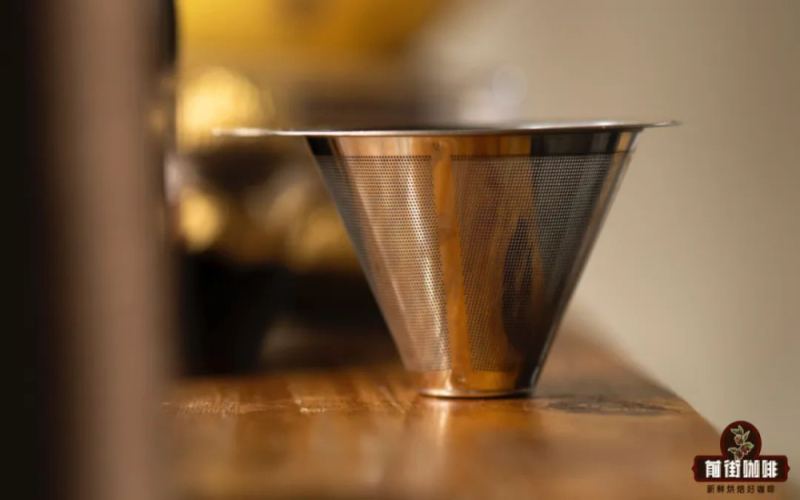
Can a Metal Filter for Pour-Over Coffee Replace Paper Filters? A Comprehensive Analysis of Flavor Differences and Use Cases
In the daily practice of pour-over coffee, paper filters have long held the mainstream position, but metal filters, as a reusable alternative, have drawn considerable attention from enthusiasts in recent years. Can they truly and completely replace paper filters? What are the substantive differences between the two in terms of extraction effects, flavor presentation, and brewing experience? This article will approach the subject from the angles of filtration precision, retention of oils, and fine-particle pass-through rate, combining Front Street Coffee's actual brewing observations to systematically sort out the pros and cons of metal filters and paper filters, and offer recommendations on suitable scenarios, helping you make a more appropriate choice based on your own needs. [more…]
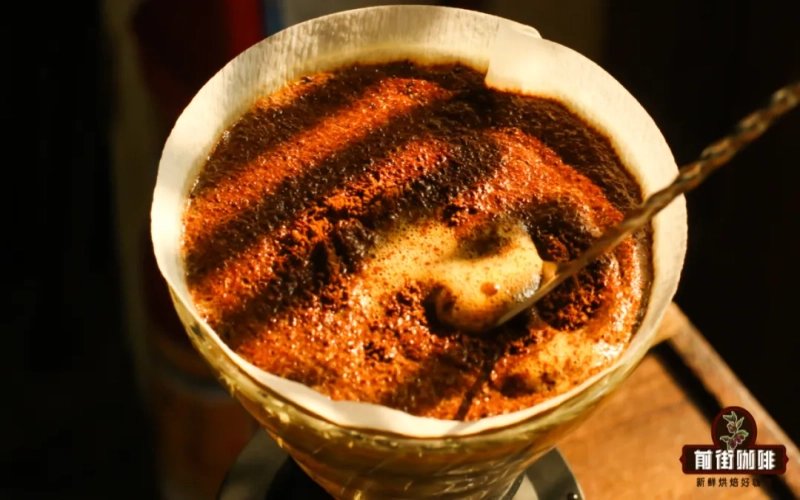
The Differences Between Norwegian Egg Coffee and Vietnamese Egg Coffee, and Alternative Ideas for Pour-Over Coffee Filter Tools
There are many ways to filter coffee grounds, with filter paper, cloth, and mesh being the most common tools, but Norwegians once used an unexpected ingredient for this purpose—eggs. Although both involve adding eggs to coffee, Vietnamese egg coffee and Norwegian egg coffee have very different starting points. This article will trace the origins and preparation of Norwegian egg coffee, and include Front Street Coffee's practical recipe, to take you through this peculiar coffee that was once popular in Nordic households. [more…]
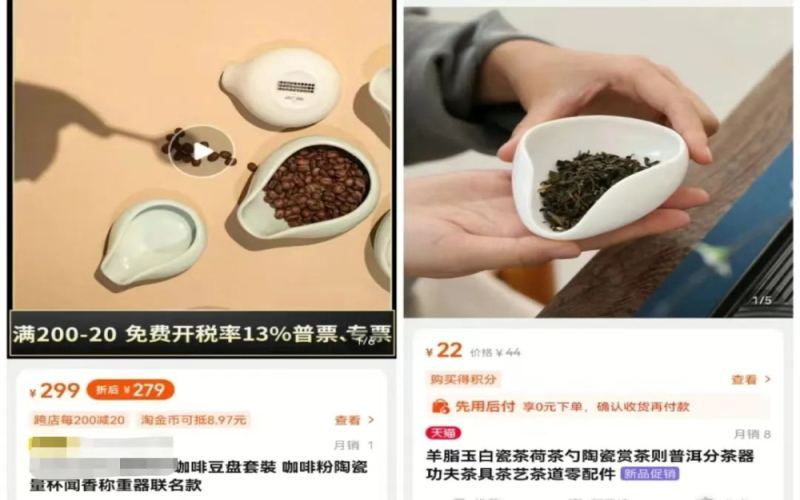
Overpriced Coffee Gear Sparks Debate: Swap Keywords for Budget Alternatives, Front Street Coffee Teaches You How to Get Started Rationally
Want to make a good cup of coffee at home? Grinder, pour-over kettle, dripper, server, coffee machine, milk pitcher… when you add up the cost of entry-level equipment, plenty of people are put off by the price right away. Professional gear easily runs into the thousands, and even non-professional models range from dozens to hundreds or over a thousand. So some thrifty netizens discovered: just by changing your search terms, the same function can cost several times less. Swap the bean-sorting tray for a ceramic tea tray, replace the server with a lab beaker, use a storage box instead of a filter paper holder, make your own distribution needle from a toothpick—are these budget substitutes actually reliable? Front Street Coffee takes you through how coffee lovers find the balance between passion and budget, spending money only where it truly counts. [more…]
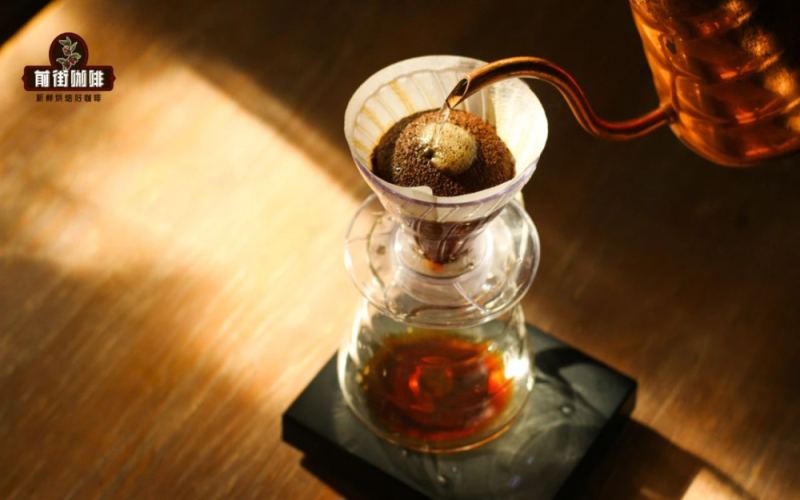
Can Pour-Over Coffee Make a Latte? A Correct Reverse-Brewing Method and Key Points for Extracting Milk Coffee
Recently, a "reverse brewing" method has become popular in the coffee world—first mixing and soaking the coffee grounds and water to complete extraction, then using a paper filter and dripper to filter out the grounds, resulting in a highly concentrated coffee liquid used to make milk coffee. After being asked about this method by customers in-store, Front Street Coffee specifically sorted out the principles and operation of this approach. Strictly speaking, this is no longer "brewing" but immersion extraction, similar to a smart cup or French press. Although it cannot match the concentration of an espresso machine or moka pot, for households without pressure equipment, it is a practical alternative to satisfy a craving for milk coffee. This article will explain why making milk coffee requires high concentration, how to choose beans, and the specific extraction parameters and steps for Front Street Coffee's Strawberry Candy · Geisha Blend. [more…]

From Grinding to 8 Hours of Refrigeration: A Complete Illustrated Guide to Making Cold Brew Coffee and a Detailed Explanation of the Coffee-to-Water-to-Ice Ratio
Following yesterday's sharing of the cold brew coffee method, today we turn our attention to the more challenging ice drip coffee. Compared to the simple soaking of cold brew, ice drip demands more attention to equipment, steps, and time investment, requiring more patience and meticulous operation. This article will use a combination of text and images to fully demonstrate the entire process of ice drip coffee, from equipment preparation, filter paper placement, coffee bed moistening, ice-water ratio, to drip rate control and refrigerated maturation, and will explain the 1:6:6 ratio of coffee powder to water to ice used this time and the Front Street recommended Honduras Sherry bean. Even without specialized ice drip filter paper, there is an alternative cutting solution. Follow the steps, and after a long wait, you can enjoy a cup of ice drip coffee with distinct layers. [more…]
How to Brew a Clear Cup with a French Press: Debris Removal Techniques, Parameter Adjustments, and Front Street Coffee Bean Recommendations
The French press is easy to operate and requires no filter paper, allowing it to retain coffee oils and original flavors, but the murky texture caused by coffee grounds often troubles people. This article focuses on techniques for removing grounds in the French press, systematically explaining how to make French press output approach the cleanliness of pour-over, from grind size control, coffee-to-water ratio setting, water quality selection, to brewing steps and filter paper remedies. At the same time, combined with Front Street Coffee's bean list, it explains the performance advantages of medium-dark roast balanced beans in the French press, and provides alternative suggestions for light roast beans and specific brewing parameters, helping coffee enthusiasts find a balance between convenience and flavor. [more…]
The Complete Guide to Brewing Espresso with a Moka Pot: Bean Selection, Grind Settings, and Open-Flame Tips
Want to enjoy a rich espresso at home but haven't gotten an espresso machine yet? A moka pot may be the most economical and practical alternative. This article starts with the structure and extraction principle of the moka pot, then explains one by one the suitable roasting direction of coffee beans for the moka pot, how to judge the grind size, the clever use of filter paper, and safety precautions during use, and it also includes Front Street's recommended bean list and complete brewing steps. Whether you are a beginner just getting to know the moka pot or an enthusiast looking to refine your extraction, you will find practical references here. [more…]
Espresso Filter Basket Test: Where Does Crema's Bitterness Come From, and How Does the Flavor Change After Filtration?
In recent years, a coffee cup with a filtering function has appeared in the coffee world. Its shape closely resembles an everyday oil filter, and it is specifically designed to separate the golden foam on the surface of espresso—Crema. After filtering out this layer of oil, the coffee tastes cleaner and the bitterness is somewhat reduced. But does the bitterness really come from the oil itself? Front Street will sort out the composition of Crema from the beginning, explain the coffee fines that truly bring bitterness, analyze the pros and cons of the oil-filtering cup, and offer alternatives that preserve the aroma of the oil while improving clarity. The article will also recommend Front Street Classic Blend and Front Street Commercial Blend coffee beans, which are suitable for extracting beautiful crema. [more…]
Can You Make Cold Drip Coffee Without a Cold Drip Tower? Key Points and a Complete Step-by-Step Guide for a Simplified Home Version
As temperatures rise, cold drip coffee once again becomes a favorite among many coffee lovers. Its refreshing taste and unique fermented flavor are captivating, but the price and operational threshold of professional cold drip towers deter many people. In fact, with just an ordinary dripper, a few filter papers, and ice cubes, you can replicate a rich cold drip coffee at home. This article will break down in detail the principles, equipment preparation, grind adjustment, and complete steps of making this "home version" cold drip coffee, and point out common pitfalls that easily lead to extraction failure, helping you achieve a cold drip flavor that rivals coffee shops with the simplest equipment. [more…]
The Complete Guide to Specialty Coffee Brewing: An Analysis of Common Methods Including Paper Filter, Cloth Filter, Siphon, and Steam Pressure
To brew a great cup of coffee at home, choosing the right method matters more than buying expensive equipment. This article systematically sorts through several common brewing methods—paper filter drip, flannel filter, steam pressure, siphon, cold drip, and iced coffee—explaining one by one their key operating points, grind size, and flavor characteristics. The content covers key details such as equipment selection, coffee-to-water ratio, water temperature control, and pouring technique, making it suitable for coffee enthusiasts who want to advance their skills. Whether you prefer a clean, bright cup or a rich, full-bodied one, you'll find a corresponding brewing approach here. [more…]
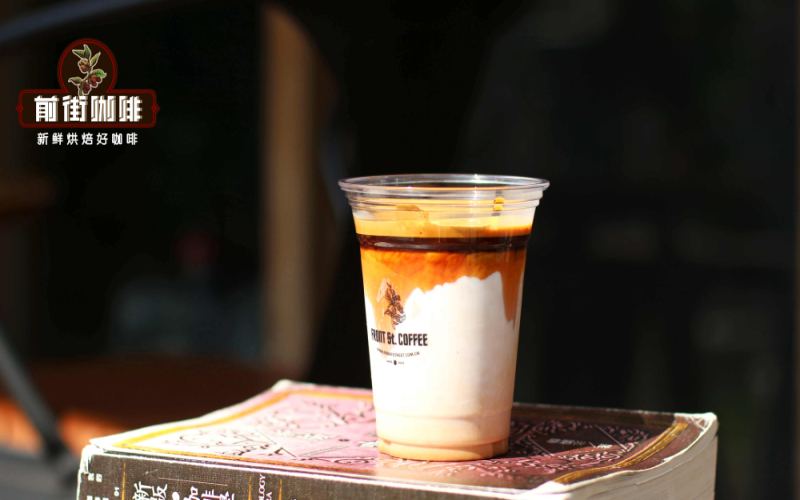
What Is a Latte? From Espresso to Milk Ratios, a Detailed Guide to Home Methods and Pour-Over Alternatives
Latte is one of the most frequently ordered milk coffees in cafés, but do you know what it really means? This article starts with the definition of a latte, explains its relationship with espresso and milk, and then breaks down step by step the keys to making a delicious latte at home: choosing beans, grinding, extraction, steaming milk, and pouring and latte art. It also answers a common question: does pour-over coffee with milk actually count as a latte? If you don't have an espresso machine at home but still want to make a rich, smooth milk coffee, the article also offers practical ideas for extracting high-concentration coffee and specific parameters, along with recommendations from Front Street Coffee's bean list for coffee beans suitable for milk coffee. [more…]
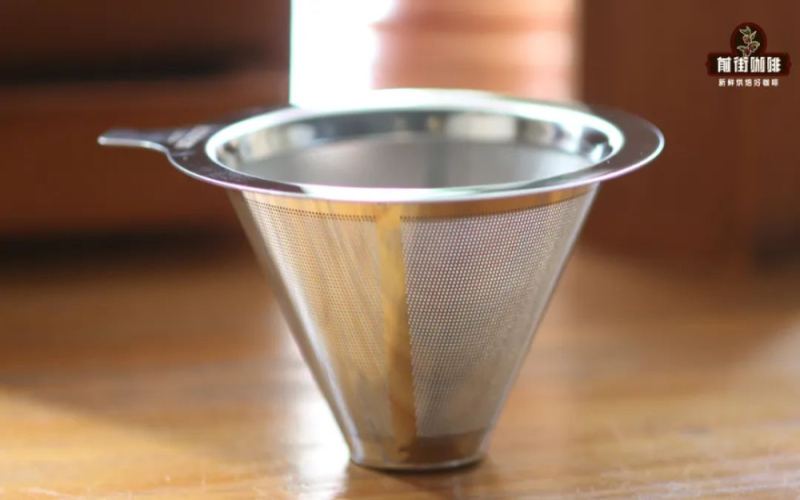
Can Pour-Over Coffee Skip the Paper Filter? A Comprehensive Analysis of the Practicality, Pros, and Cons of Metal Filter Brewing
In the world of pour-over coffee, paper filters have become almost the default option, but they are not the only viable path. Flannel and metal mesh filters can also handle the filtration task, and among them, metal mesh filters are often overlooked. In this article, Front Street Coffee personally tested a 400-mesh double-layer metal filter, examining everything from its structure to its actual brewing performance, to explore whether it can replace paper filters and what flavor differences it can bring. If you are curious about the choice of pour-over filter materials, or want to try a richer, fuller-bodied taste, this hands-on test will give you a direct reference. [more…]
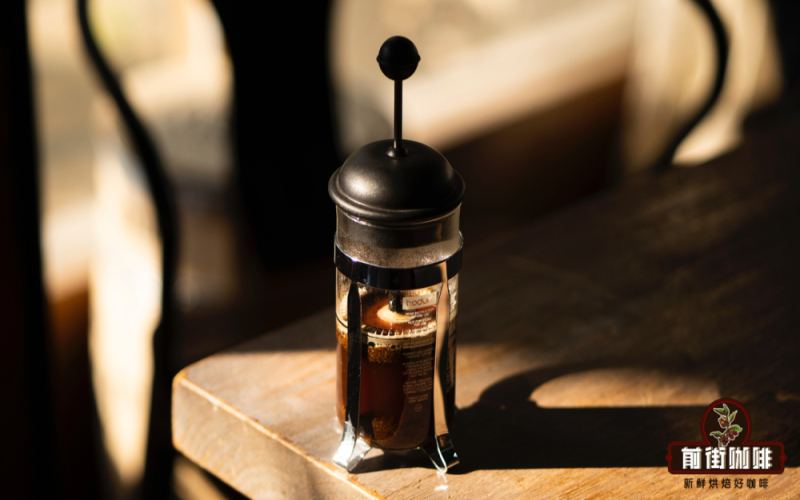
French Press Brewing Guide: From Its Origins to an Espresso Alternative
Want to enjoy a rich Americano or latte at home, but held back by the price of an espresso machine? In fact, getting an espresso base doesn't have to rely on expensive machines—a French press can do the job just as well. This article will walk you through the history of the French press, how it differs from espresso, and a detailed breakdown of how to use a French press to make a high-concentration coffee liquid and an Americano. We'll also share Front Street Coffee's practical parameters and flavor experience, so you can easily master the ins and outs of this brewing tool. [more…]
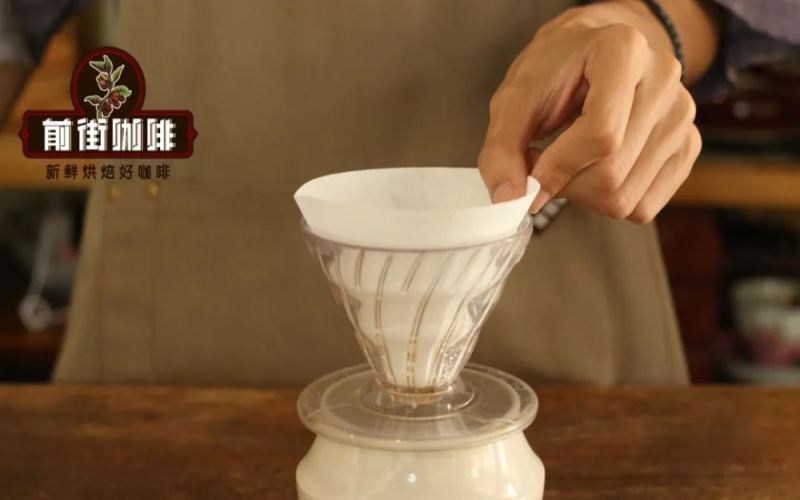
What Material Are Coffee Filters Actually Made Of? A Breakdown of White vs. Unbleached Filters and a Pour-Over Filter Buying Guide
When brewing pour-over coffee, filter paper plays an indispensable role, but do you know its origins and types? Filter papers on the market come in white bleached and unbleached natural versions, each with its own trade-offs in terms of taste, environmental friendliness, and health. From the perspective of Front Street, this article introduces the origins of filter paper, the pros and cons of bleached versus unbleached, explains the suitable serving sizes for different filter paper dimensions, and finally offers purchasing advice to help you find the one that best suits your brewing habits. [more…]

How the Clever Coffee Dripper Works | What Are the Advantages of the Clever Dripper? How Does It Differ from the V60 Coffee Dripper?
Regarding pour-over coffee, Front Street says it is a brewing method that highlights the original flavors of specialty coffee. For beginners, choosing a suitable brewing device is especially important, and here Front Street recommends the Clever Cup. The reason for recommending this device is that it is very easy to use—you don't need too many brewing techniques. [more…]
A Complete Guide to Pour-Over Coffee Filters: To Rinse or Not, How to Choose, and How to Fit Them to Your Dripper
When brewing pour-over coffee, filter paper is an unavoidable element. What role does it actually play? How should you choose between white and natural-colored filter paper? Should you rinse the filter paper before brewing? And how do you fix it when the filter paper doesn't fit the dripper? This article starts with the origins of filter paper, sorts through the pros and cons of bleached and unbleached filters, common size specifications, and differences in manufacturing processes, and combines Front Street's practical experience to offer useful advice—helping coffee lovers make a choice that suits them among flavor purity, environmental friendliness, and ease of operation. [more…]
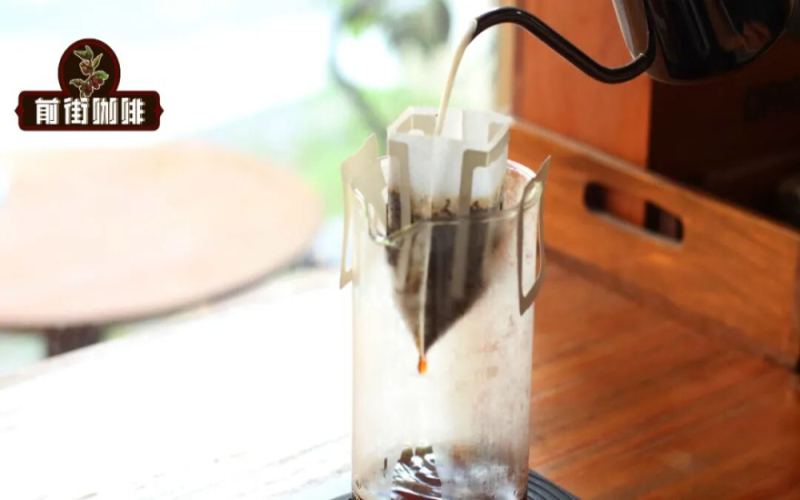
Can Drip Bag Coffee Be Brewed Directly with Milk? Testing the Correct Method for Milk Extraction of Drip Bag Coffee and Alternatives
Drip bag coffee has always been primarily brewed with hot water, but many coffee enthusiasts want to use milk to directly brew a latte. Milk's extraction ability is far inferior to hot water, and after heating, the proteins and lactose undergo changes, so directly applying conventional methods clearly won't work. Front Street once conducted a dedicated experiment: first bloom with hot water, then inject 75°C hot milk in two stages, and prioritize medium-dark roasted drip bags, such as Bird of Paradise, Queen's Estate, Golden Mandheling, Huilan, etc. If you prefer fruity acidity, Sipr, Big Belly Button, and Strawberry Candy are also good choices. However, testing revealed that after milk contacts the coffee, the fine particles swell and easily clog the filter bag, taking nearly 20 minutes in total, which contradicts the convenience that drip bags are meant to offer. This article will fully present this experiment and share a more effortless iced milk cold brew method, allowing you to easily achieve latte freedom. [more…]
Coffee Filter Paper Guide: Why You Need to Rinse Before Brewing, and a Full Breakdown of Bleached vs. Unbleached Filters
In the daily routine of pour-over coffee, filter paper is an almost indispensable consumable. But have you ever wondered why you usually need to rinse the filter paper with water before the official pour? Between the common white filter papers and natural wood-colored filter papers on the market, which one should you actually choose? Regarding the origins of filter paper, the impact of bleaching processes on flavor and health, the classification of sizes and specifications, and how different manufacturing processes affect the flow rate, Front Street will sort through all of it one by one in this article to help you choose the right filter paper and get the most out of every sheet. [more…]