







How Was Coffee Made With Filter Paper, and Why Rinse It?
Rinsing a paper filter before brewing removes loose paper fibers and the pulp smell that can carry into the cup, and it also preheats the dripper so the coffee stays hot. The habit dates to 1908, when Melitta Bentz used her son's notebook paper in a perforated copper pot to filter coffee, replacing cloth.
Bleached filters are whiter and give a cleaner flavor with less papery aroma, while unbleached natural filters carry a faint woody note that rinsing reduces. Some bleached filters still use chlorine in production, so buyers who care about residues often choose oxygen-bleached or unbleached paper.
In the daily routine of pour-over coffee, paper filters are an almost indispensable consumable. But have you ever wondered why the filter paper is usually pre-wet with water before the actual pouring begins? Between the common white filters and natural wood-colored filters on the market, which one should you choose? Regarding the origins of filter paper, the impact of bleaching processes on flavor and health, the classification of size specifications, and how different manufacturing processes affect the flow rate, Front Street Coffee will sort it all out one by one in this article to help you choose the right filter and make good use of every single sheet.
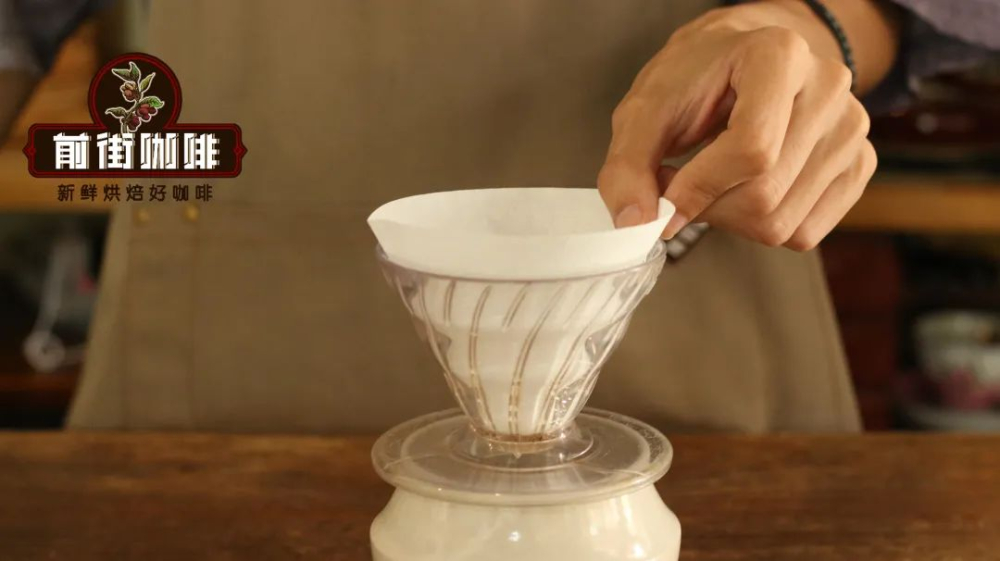
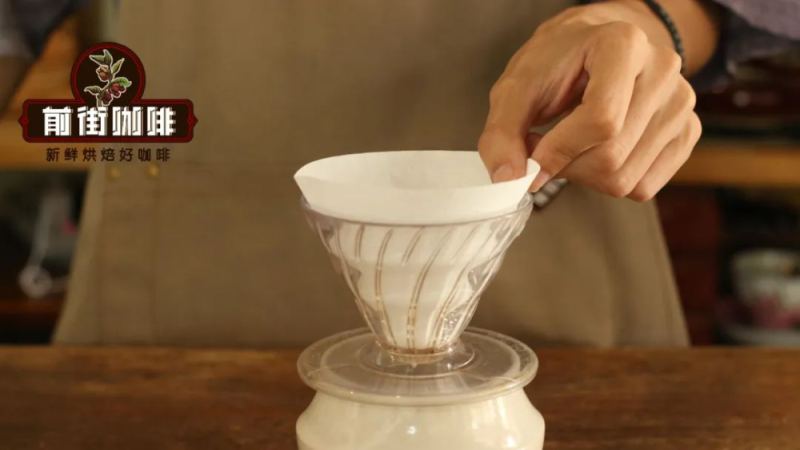
Before brewing coffee, most people will first take a filter paper, fold it properly, place it into the dripper, and only then add the coffee grounds. What function does this piece of paper actually serve? Also, friends often ask Front Street Coffee: filter papers come in white and natural wood color—which is more worth getting? And what differences exist between the two?
Actually, these two types of filter paper each have their own strengths. Front Street Coffee will take a closer look at this topic today, and at the same time give you a complete understanding of what filter paper really is.
The Origin of Filter Paper
Filter paper was born in a small German town called Dresden. A lady named Melitta Bentz used her son's notebook paper as a filter, placed it in a perforated copper bowl to serve as a dripper, and extracted coffee this way. In fact, before paper filtration appeared, people generally used scraps of cloth for filtering, and compared with cloth, paper material can more effectively filter out off-flavors.
Therefore, Melitta Bentz founded the Melitta company in 1908 and set out to manufacture improved drippers and filter papers. In 1937, the dripper design created by the Melitta company became the prototype of the dripper familiar to everyone today.
The Pros and Cons of Bleached and Unbleached Filter Paper
On the market there are both bleached and unbleached filter papers. Could this affect your health? The production of filter paper itself is a technical craft. Below are the differences between the two types of filter paper:
Bleached Filter Paper
Pros: 1. The paper pulp smell is lighter, and the coffee flavor is cleaner. Cons: 1. Many manufacturers still use "chlorine" for bleaching, and if not handled properly it can cause environmental pollution. However, in recent years many well-known brands have switched to more environmentally friendly methods such as oxygen-based bleaching or no fluorescent agents, and there are also practices of making bamboo fiber filter paper from bamboo, which takes care of the environment while giving consumers greater peace of mind.
Unbleached Filter Paper
Pros: 1. Fewer processing steps, making it more environmentally friendly.
Cons: 1. If you do not first rinse the filter paper with hot water, a papery taste may remain in the coffee. Although there is no hard-and-fast rule that unbleached filter paper must be rinsed before brewing, if you want to brew a good cup of coffee yet do not pay attention to the consistency of each brew's flavor, it will be hard to improve further. In addition, some professional baristas also use an alternating hot-and-cold technique to remove odors from the filter paper in order to maintain the purity of the coffee's flavor.
What size specifications do filter papers come in?
Generally, filter papers can be divided into the following two categories:
1–2 servings
A single serving of coffee grounds is about 10 grams, so this kind of filter paper can hold at most 20 grams of coffee grounds.
3–5 servings
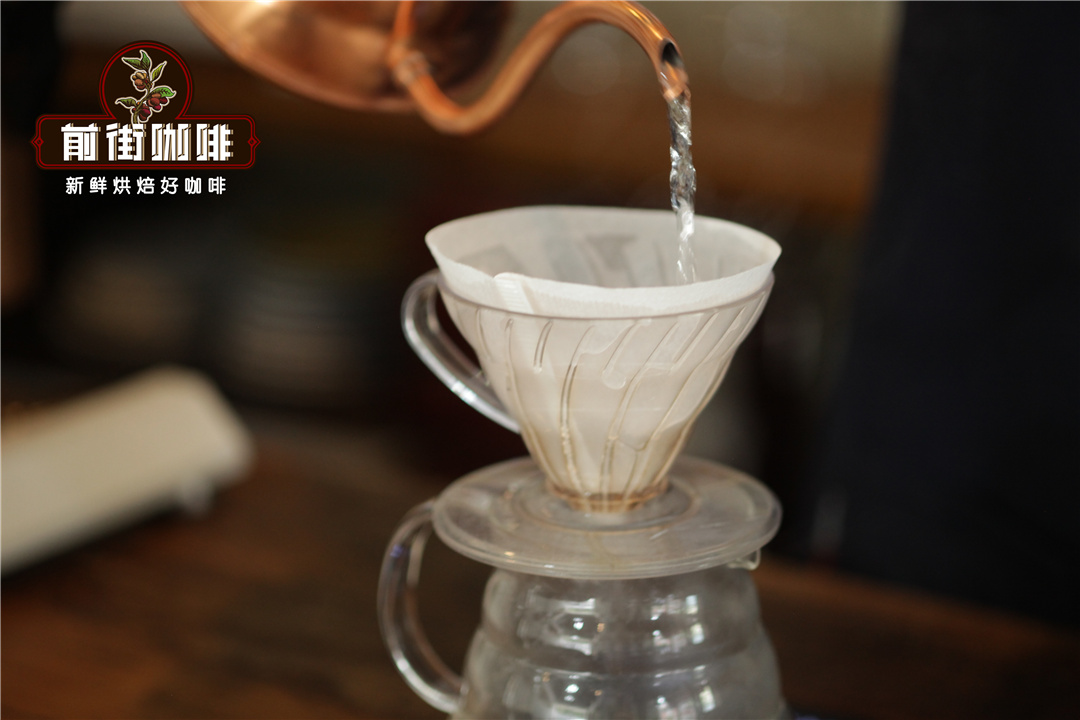
That is, you can add more coffee grounds at one time, and the size of the filter paper is correspondingly larger. Which filter paper is better to choose? If you are approaching it from an environmental perspective, unbleached filter paper is naturally the priority option, and as long as you rinse it with hot water 1–2 times, the papery taste can likewise be removed.
Based on Front Street Coffee's experience, if you want to skip the step of rinsing with hot water to remove odors, you can also choose oxygen-bleached filter paper, which is more environmentally friendly. Filter paper is ultimately a case of you get what you pay for—the better the quality, the higher the price, but correspondingly, the pulp smell will also be much lighter than that of cheap filter paper.
The Craftsmanship of Filter Paper
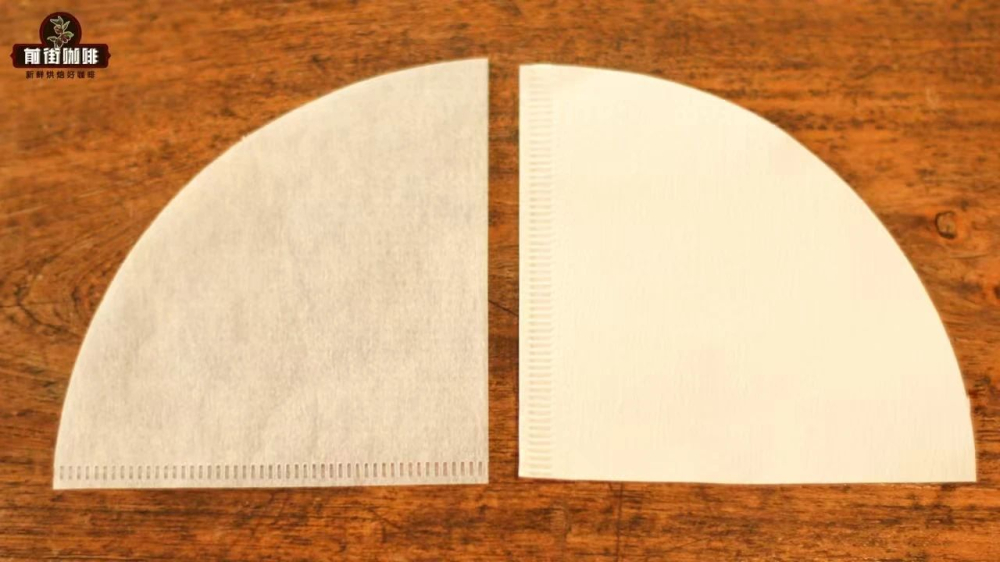
Even filter papers made of the same material can appear very different due to differences in manufacturing processes. These differences are mainly reflected in the structure of the filter paper, such as the use of creases and embossing, or the degree of thickness. The two filter papers shown in the picture below are both made of natural wood pulp material, but their production processes are not the same, so their differences can be seen directly from the surface.
Differences in craftsmanship exist not only between different manufacturers; even the same manufacturer will use different processes to produce filter paper. The reason is simple: the structure of the filter paper directly affects the coffee's flow rate, and the flow rate is a key variable in coffee extraction, so many manufacturers develop filter papers with different structures for different brewing characteristics! Take Japan's Sanyo Sangyo as an example. It designed three types of filter paper for coffee beans of different roast levels, namely T-83, T-90, and T-92, corresponding in order to dark roast, medium roast, and light roast beans (the model numbers correspond exactly to the water temperature used). You can directly look at the picture for the specific differences~
It can be seen that although the filter paper material is the same, the water seepage speed will differ due to changes in structure. Not only Sanyo Sangyo—other filter paper manufacturers have adopted similar practices as well. Front Street Coffee is just giving an example here, so we won't expand on it further~
The above content is compiled by CoffeeHunters, a coffee news website.


