







Want to enjoy a rich espresso at home but haven't yet bought an espresso machine? A moka pot may be the most economical and practical alternative. This article starts with the structure and extraction principle of the moka pot, then explains one by one the suitable roasting direction for moka pot coffee beans, how to judge the grind size, the clever use of filter paper, and safety precautions during use, along with Front Street's recommended bean list and complete brewing steps. Whether you are a beginner just getting to know the moka pot or an enthusiast looking to refine your extraction, you will find practical reference here.
Today's coffee lovers have increasingly high demands for quality, from ordering at cafés in the past to now buying coffee beans and brewing at home themselves. Besides grinders, all kinds of coffee equipment keep emerging, and people's research into extraction methods is going ever deeper. So, how do you make a cup of espresso with a moka pot?
First, let's get to know the basic structure of the moka pot.
The moka pot is a simple device for making espresso and is very common in European households. Its working principle is to let hot water, pressurized after heating, quickly pass through the coffee grounds layer, thereby extracting coffee liquid. The earliest moka pot was introduced by Italian Alfonso Bialetti in 1933, and the Bialetti company he founded is still globally famous for producing this kind of coffee pot, holding an extremely large share of the moka pot market.
What kind of coffee beans are suitable for a moka pot?
There are many kinds of coffee beans, with roast levels ranging from light to dark. Which beans actually make a better-tasting espresso? The flavor largely depends on the choice of beans. Coffee people in China are especially picky about beans, scrutinizing origin, variety, and roast level. Abroad, however, many people just grab beans or ground coffee off the supermarket shelf, caring more about brand, intended use, and flavor description.
Some may ask, can't light-roasted beans make espresso? Front Street's answer is: both light and dark roasts can make espresso; the difference lies only in the flavor direction. Espresso made with light-roasted beans may have more pronounced acidity, while espresso emphasizes a rich mouthfeel; dark-roasted beans have lower acidity and heavier chocolate flavors, making the espresso thicker and smoother.
In other words, coffee brewed in a moka pot itself tends toward a rich style, and dark-roasted beans better bring out that full-bodied feel. What we often call espresso crema is actually made up of a large number of tiny carbon dioxide bubbles, and dark-roasted beans contain more carbon dioxide. When brewing dark-roasted beans by pour-over, you can see the coffee grounds degassing especially actively during the blooming stage.
Most people expect a moka pot to produce something aromatic, rich, and full of crema, so the moka pot is better suited to pairing with darker-roasted coffee beans.
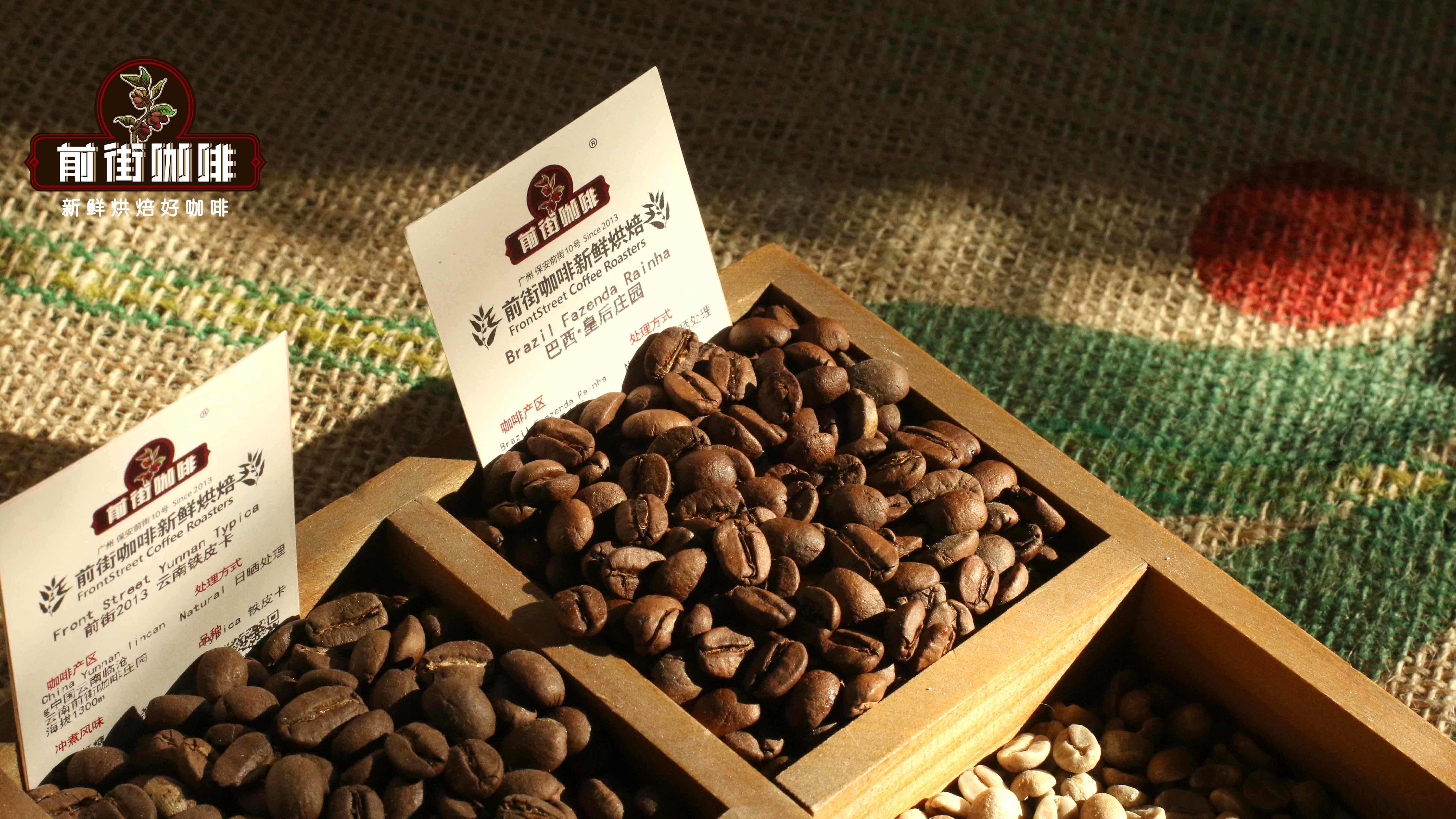
If you want a rich nutty profile, Front Street. Brazil Queen's Estate sun-dried Yellow Bourbon is a reliable choice. The Yellow Bourbon variety has a thicker pectin layer, giving more pronounced sweetness; the sun-dried process retains the complete skin and pulp, allowing more sugars to seep into the green beans.
If you seek extraction stability, Front Street recommends using an espresso blend. Buy Front Street. Premium Blend, a coffee blended from Brazilian and Colombian beans, presenting a clean and balanced nutty chocolate flavor, suitable for both espresso machines and moka pots.

Of course, Front Street thinks that if you prefer floral and fruity notes with a bit of acidity, you might try Front Street. Strawberry Candy Espresso Blend. This bean is based on Front Street Costa Rica Tarrazu, known for its honey processing, and Ethiopia, the birthplace of coffee, with the addition of Colombia Huila region, creating a moka pot espresso that is not harsh, has good crema performance, a dense texture, and a sweet-and-sour taste reminiscent of strawberry gummy candy.
The structure and extraction principle of the moka pot
As coffee lovers increase in number, many want to make an espresso at home, but not everyone has an espresso machine. As a brewing tool, the moka pot can be said to be the most economical choice.
The moka pot consists of three parts: the upper chamber, the filter basket, and the base. The lower chamber holds water, the filter basket holds finer-ground coffee, and the upper chamber collects the extracted coffee liquid. The extraction principle is not complicated—after the lower chamber is heated, steam pressure is generated; when the pressure is enough to penetrate the coffee grounds layer, hot water is pushed up into the upper chamber, and the aromatic coffee is ready.
How fine should the coffee grounds be ground for a moka pot?
Pour-over coffee adjusts grind size according to roast level, but what about the moka pot? Front Street believes a particle size of about 0.3-0.55mm is appropriate. How do you judge whether the coarseness is right?
Front Street thinks there are two ways: one is to buy a particle size ruler, or use moka pot-specific grounds as a reference; the other is repeated adjustment, and you can basically master it after trying three to five times. If the grounds are too coarse, the coffee liquid will gush out quickly or even splash out like a fountain; if the grounds are too fine, you will hear the humming sound of boiling water but see no coffee liquid rising for a long time, and at that point it is recommended to turn off the heat immediately. During the adjustment process, be sure to pay attention to safety.
Does a moka pot need filter paper?
Pour-over coffee must use filter paper—is it necessary for a moka pot? Front Street recommends adding a layer of filter paper when brewing coffee with a moka pot. This is because moka pot output usually contains a small amount of fine grounds, giving a gritty sensation at the bottom of the cup that some people dislike. You can buy round filter paper on the market (also called disc filter paper), or cut pour-over filter paper yourself; both work well. After putting the coffee grounds into the filter basket, place the filter paper on top of the grounds layer, or attach it to the bottom of the upper chamber. After filtering through filter paper, the coffee's mouthfeel will be noticeably clearer. You can compare the flavor difference with and without filter paper.
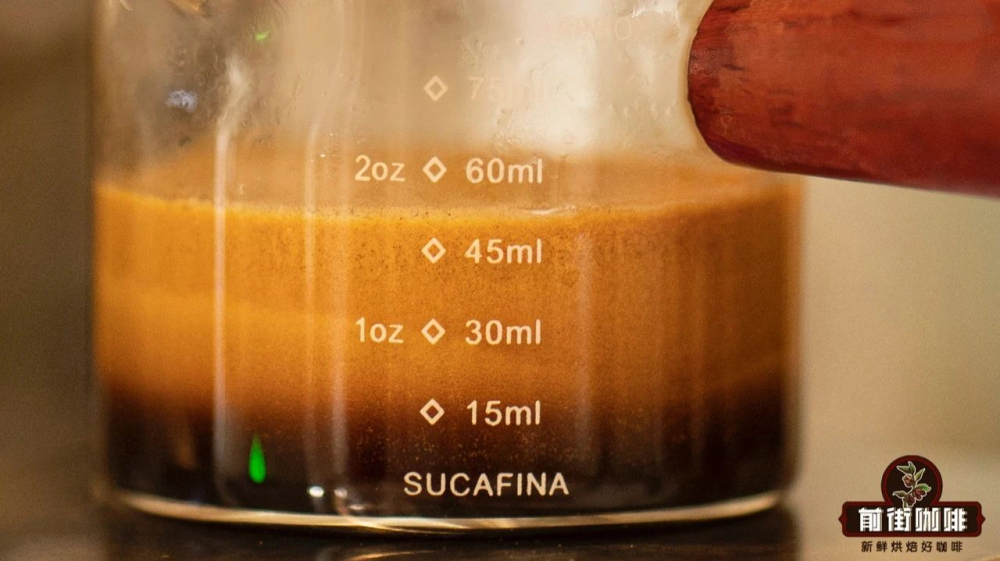
In addition, if you want to fine-tune the fruity acidity, Front Street suggests using two layers of filter paper, which can slightly reduce the acidity and instead present a fuller mouthfeel, and it is also very simple to do.
Precautions when Front Street uses a moka pot
When using a moka pot, Front Street reminds you: the water level in the lower chamber must not exceed the pressure relief valve. In addition, the moka pot relies on heating the lower chamber to generate steam that pushes hot water upward; because pressure is involved, you need to pay attention to heat control and grind size when brewing coffee.
As the saying goes, choosing the right beans is more than half the success, and here we must mention the must-buy for moka pot beginners: Front Street. Front Street Classic Blend.
This bean combines the wild aroma of Mandheling with the smooth mouthfeel of Brazilian beans, with complementary and harmonious flavors. Front Street Classic Espresso Blend adds Robusta beans to the Mamba recipe, greatly enhancing the crema and making the espresso fuller-bodied; it is suitable for home preparation and can also be used for latte art.
The moka pot can be heated by electric ceramic stove, induction cooker, or open flame; the first two are the most effortless—just set the level. If using a natural gas open flame, you need to keep it at medium-low heat and watch it the whole time to prevent the pot from tipping over.
Front Street's steps for making a cup of espresso with a moka pot:
1. Pour purified water into the lower chamber of the moka pot, with the water level about 0.5cm below the pressure relief valve.
2. The grind size should be slightly coarser than espresso; you can refer to the size of the gaps in the filter basket mesh to ensure coffee particles do not fall into the lower chamber. Slowly pour the coffee grounds into the filter basket, gently tap to distribute evenly; after the coffee grounds form a small hill, level the surface by distributing the grounds. Filling the basket is to avoid extracting defective flavors—the more consistent the coffee grounds density in the basket, the more you can prevent partial over-extraction or under-extraction, thereby avoiding uneven flavor or bitterness.
3. Place the filter basket into the lower chamber, tighten the upper and lower parts of the moka pot, and heat on an electric ceramic stove over high heat.
4. When the moka pot heats up to a certain point and makes a distinct "humming" sound, turn the electric ceramic stove to low heat and open the lid of the upper chamber.
5. When half of the coffee liquid has come out into the upper chamber, turn off the electric ceramic stove. The residual heat and pressure of the moka pot will "push" the remaining coffee liquid into the upper chamber.
6. After all the coffee liquid has been extracted into the upper chamber, you can pour it into a cup and taste it. Coffee extracted from a moka pot is very rich and can even produce Crema. You can also add an appropriate amount of water or milk to adjust it for drinking, for a better flavor.
The above content is compiled by CoffeeHunters, a coffee news website.


