







Understanding Norwegian Egg Coffee and How It Differs from Vietnamese Egg Coffee
Filtering coffee grounds is a key step in coffee brewing. People have used paper, cloth, and mesh filters, but Norwegians once turned to eggs. Both Norwegian and Vietnamese egg coffee use eggs, yet their goals differ. Norwegian egg coffee focuses on clearing grounds and stretching scarce beans, while Vietnamese egg coffee is a rich drink made with condensed milk. This article explains the origins and methods of the Norwegian version and includes a practical recipe.
Norwegian egg coffee dates to the 19th century, when coffee was expensive and supplies were unstable. Families used less coffee per pot, which made bitterness stronger and texture thinner. With no paper filters, cloth filters often let grounds through. Cooks found that egg proteins could bind grounds and clarify the brew. The result was a clearer cup with less grit, and the method became a practical part of everyday coffee brewing in Norway.
There are many ways to filter coffee grounds, with filter paper, cloth, and mesh being the most common tools, but Norwegians once used an unexpected ingredient for this purpose—eggs. Although both add eggs to coffee, Vietnamese egg coffee and Norwegian egg coffee have very different starting points. This article will trace the origins and methods of Norwegian egg coffee, and include Front Street's practical recipe, taking you to experience this peculiar coffee that was once popular in Nordic households.

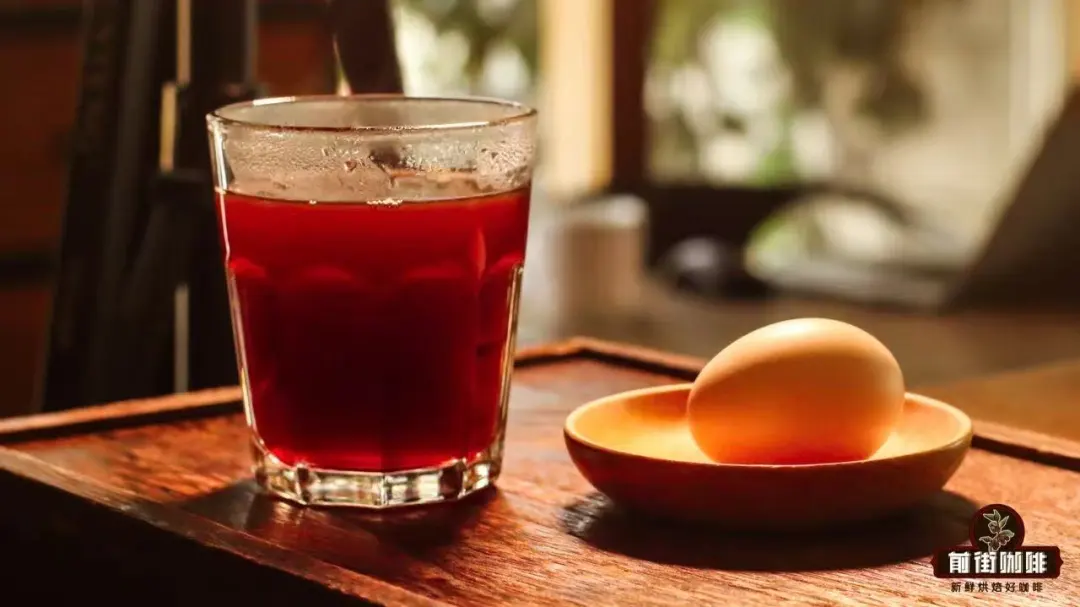

In the entire coffee brewing process, the filtration step plays a crucial role. Coffee grounds themselves are not suitable for consumption; their rough texture and unpleasant bitterness can severely diminish a cup of coffee's overall performance. Therefore, since ancient times, people have sought ways to separate coffee grounds from the liquid.
In addition to well-known tools like mesh filters, cloth filters, and paper filters, certain foods can also serve the purpose of filtering coffee grounds. For example, in Norway in northern Europe, the material locals used in early times to filter out coffee grounds was a common ingredient found in ordinary households—eggs.
When it comes to pairing eggs with coffee, I believe readers are no strangers to it, as Vietnam has a specialty coffee made with eggs that is quite famous.
Although both involve adding eggs to coffee, the Norwegian method is fundamentally different from Vietnamese egg coffee—they add eggs not only to improve the coffee's flavor and mouthfeel, but also to fulfill another task, which Front Street mentioned earlier: more effectively filtering out coffee grounds.
According to relevant records found by Front Street, the history of Norwegian egg coffee can be traced back to the 19th century. The birth of this method was directly related to the coffee supply shortage in Norway at that time. At that time, Norway was already a country with high coffee consumption, but due to various constraints, the daily coffee supply for the public was extremely unstable, causing coffee prices to soar.
Faced with high prices, many financially strained Norwegian families had to find ways to cut expenses, reducing the amount of coffee grounds used for each brew again and again, making a large pot of coffee with a small amount of grounds. However, this amplified the bitterness and diluted the richness of the coffee.
Moreover, filter paper had not yet been invented in that era, and locals mainly relied on cloth filters to filter coffee grounds, which was not ideal, and drinking grounds often occurred. So someone came up with the idea of trying to add eggs to coffee, which could both enhance the coffee's flavor and mouthfeel, and use the properties of eggs to intercept the coffee grounds.
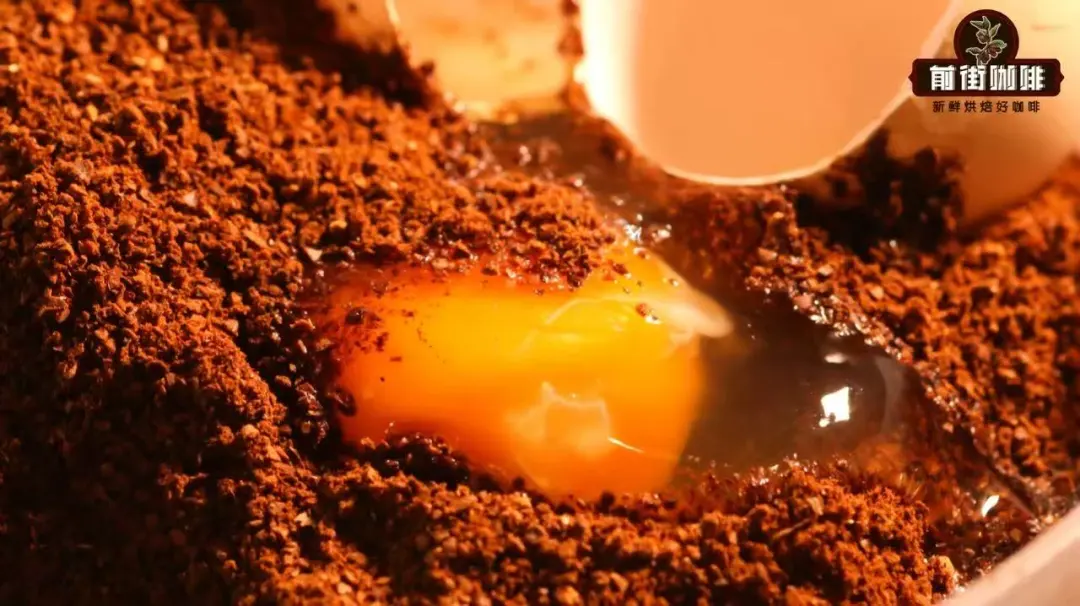
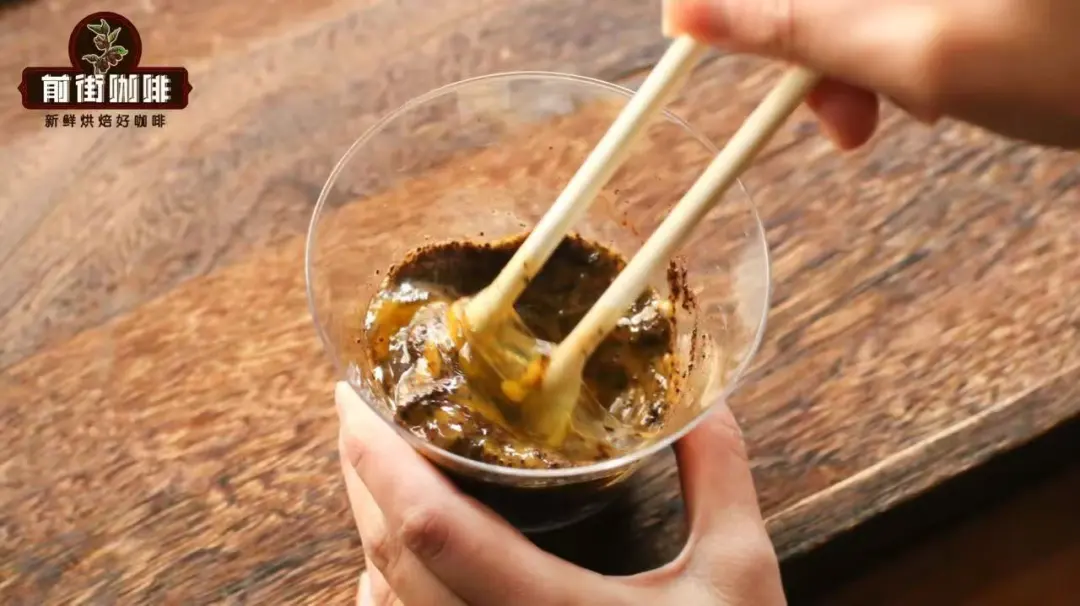
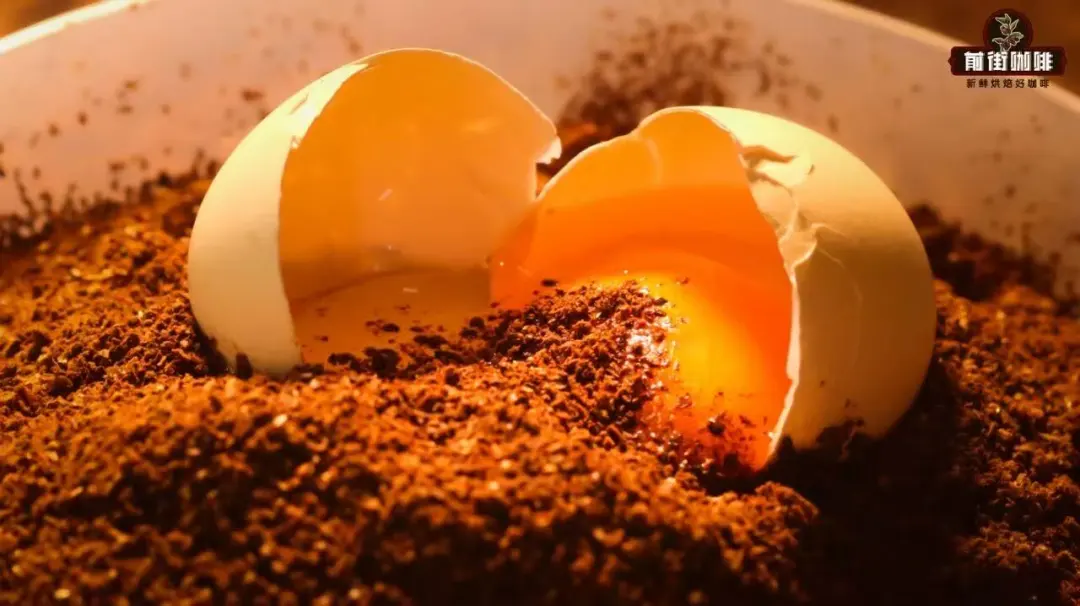
The specific operation is not complicated: before brewing the coffee, first crack a whole egg into the coffee and stir thoroughly; the bitterness of the coffee will be neutralized by the egg's flavor, and the mouthfeel will improve accordingly.
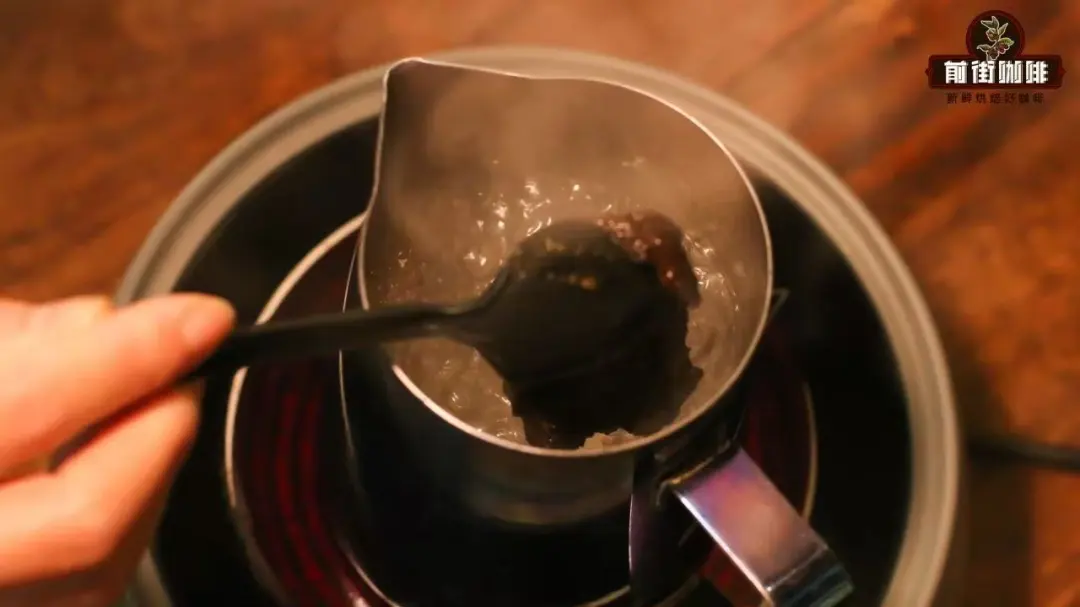
Not only that, but the egg will coagulate when heated. After boiling for a while, the coffee grounds will be wrapped by the coagulated egg liquid and clump together. Once the coffee is made, the coffee grounds can be easily separated as a whole, resulting in a clean, grounds-free coffee liquid, making the process quite hassle-free.
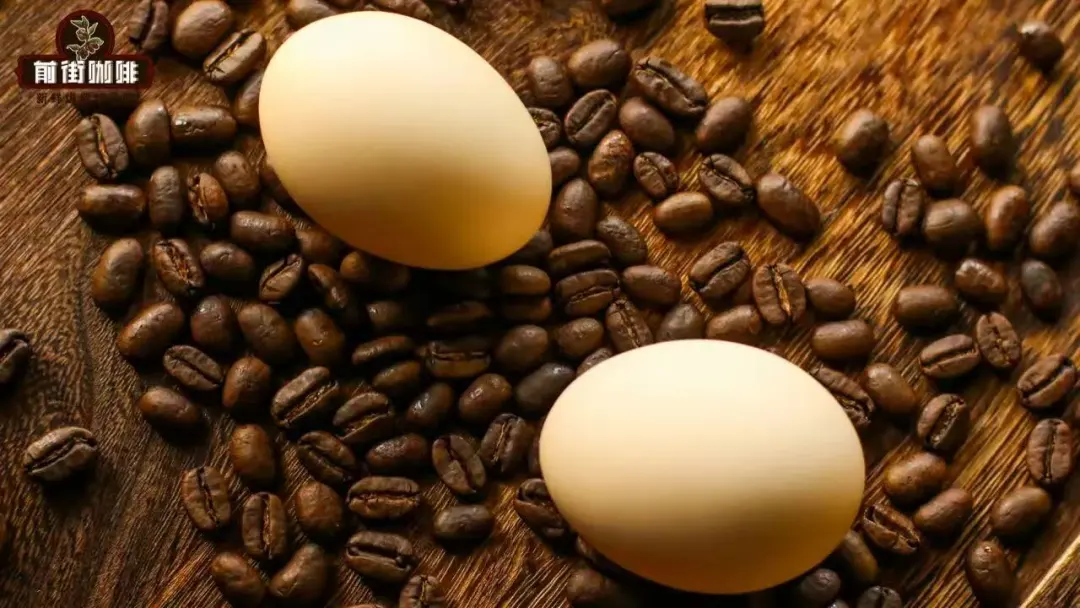
Interestingly, besides the egg liquid, the eggshell is also put into the coffee to boil together, and it is said that the coffee tastes better this way. This method aroused Front Street's curiosity, so last time, Front Street had a colleague borrow two eggs from the neighbor next door overnight—with no intention of returning them—to conduct an experiment. The result indeed exceeded Front Street's expectations and was quite good! If you want to try it, you might as well refer to Front Street's recipe~
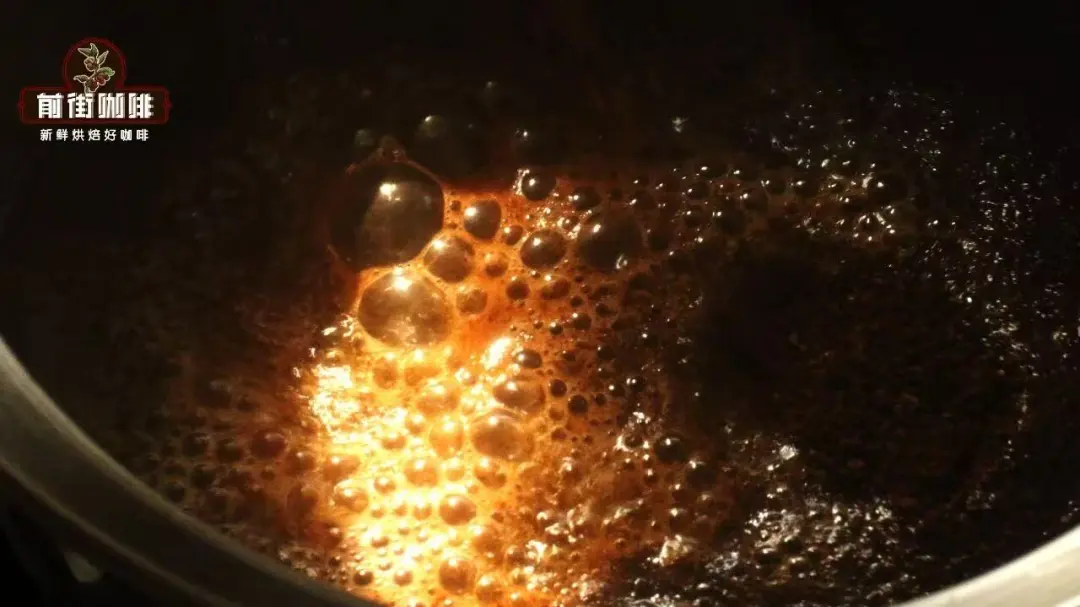
The materials we need to prepare are very simple: coffee grounds, water, and eggs. If you want to simulate the coffee flavor of that era, we can choose slightly darker roasted coffee beans, such as Front Street Lindong·Mandheling from the Front Street daily series. Since Front Street is too lazy to wash the eggs, we won't put the eggshells in. Those interested can try it themselves. The parameters are as follows: Coffee grounds amount: 25g Coffee-to-water ratio: 1:10 (250ml hot water) Grind size: 10 setting on ek43 (80% passing rate on No. 20 sieve) , the grind size can be slightly finer, because our brewing time won't be too long. Number of eggs: 1 The method is also simple. After the water boils, we can pour in the evenly stirred coffee grounds coated with egg liquid, boil for about 2 minutes, remember to turn down the heat during this time, and stir appropriately.
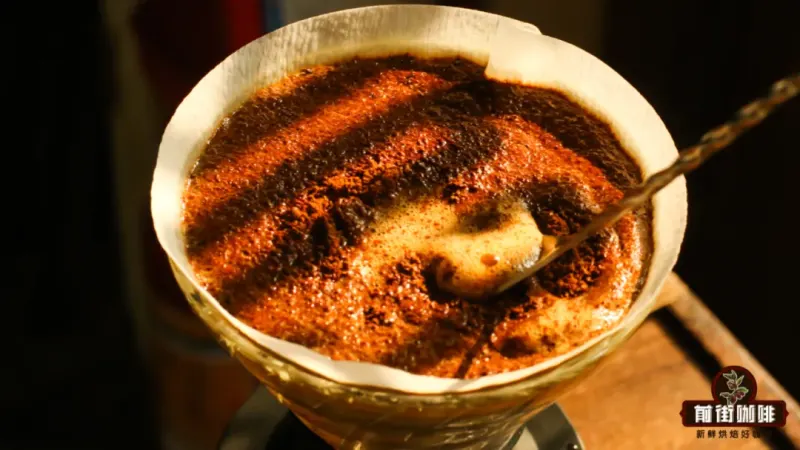
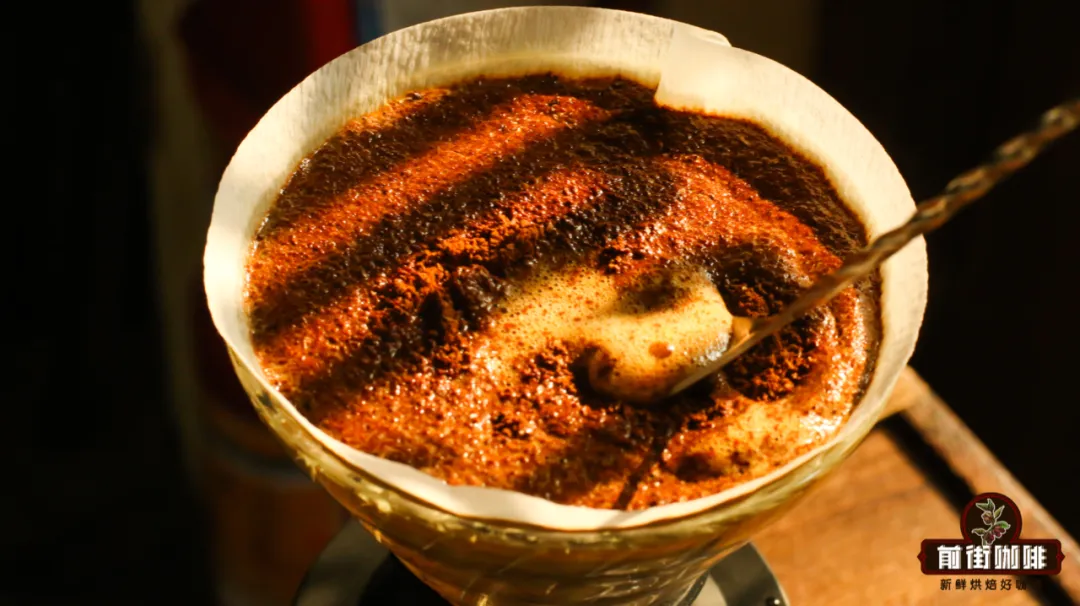
After the time is up, remove the coffee from the heat source, and when pouring, be careful not to tilt too much, so that the coffee can be poured out cleanly, filtering out the coffee grounds. From the picture below, you can also see that the coffee liquid has a relatively clear texture.
And when drinking this cup of coffee, it exactly confirms Front Street's earlier description: you can hardly taste any bitterness, and it goes down smooth and soft. More importantly, after the egg flavor blends with Mandheling's caramel aroma, it actually transforms into a sweet, chocolate-cake-like flavor, making for a very wonderful experience.
But this wonderful feeling only lasts the moment the coffee is just made! After sitting for a while, the egg smell will gradually intensify, and a fishy odor will slowly emerge, which is not pleasing to many people. So if you want to try this coffee's flavor, it's best to finish it within a short time.
This method was deeply loved by Norwegians at the time, almost becoming the preferred way for every Norwegian housewife to brew coffee. It even spread to other Nordic countries! And different regions have different variations of egg coffee; for example, in Sweden, people pour a little cold water into the coffee after brewing to speed up cooling.
But such a scene only remained in the 20th century. After the war ended, because coffee beans were no longer scarce, and more efficient and high-quality filtering methods emerged one after another, plus the taste wasn't particularly outstanding, this method gradually declined. However, this doesn't stop everyone from trying it, from tasting it. Front Street still recommends everyone to experience what kind of "color" this egg coffee has, after all, good things should be shared with everyone ~
- END -
The above content is compiled by CoffeeHunters, a coffee news website.


