







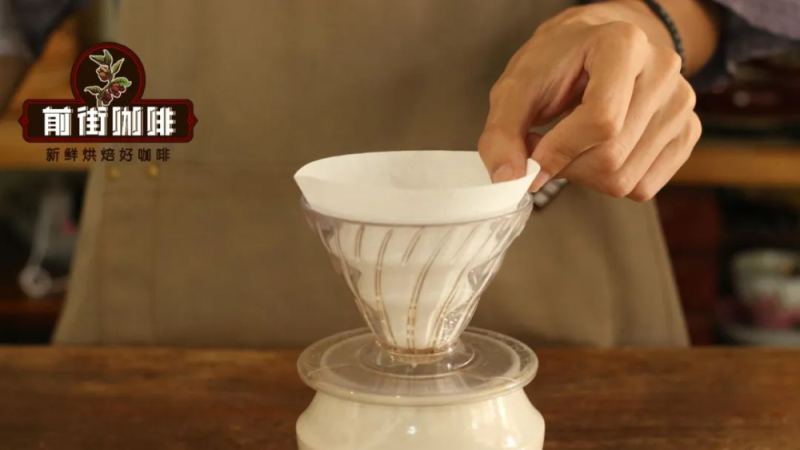
When brewing pour-over coffee, filter paper is an unavoidable part. What exactly does it do? How should you choose between white and natural wood-colored filter paper? Should you rinse the filter paper before brewing? And how do you fix it when the filter paper doesn't fit the dripper? This article starts from the origin of filter paper, sorts out the pros and cons of bleached and unbleached filter paper, common size specifications, and differences in manufacturing processes, and combines Front Street Coffee's practical experience to give useful advice, helping coffee lovers make a choice that suits them among flavor purity, environmental friendliness, and ease of operation.
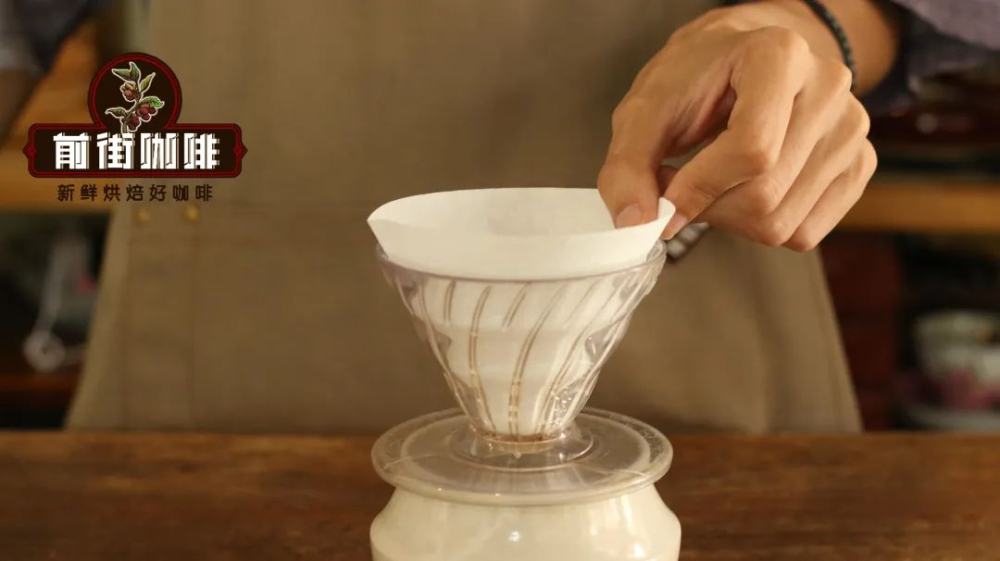
When making pour-over coffee, you usually first take a piece of filter paper, fold it, and put it into the dripper, then pour in the coffee grounds. What function does this filter paper actually serve? Also, many friends have asked Front Street Coffee: filter paper comes in white and natural wood colors—which one is more worth buying? What is the difference between the two?
In fact, these two types of filter paper each have their strengths. Today Front Street Coffee will talk about them in detail and give everyone a comprehensive understanding of what filter paper really is.
The Origin of Filter Paper
Filter paper was born in a small German town called Dresden. A woman named Melitta Bentz used her son's notebook paper as filter paper, laid it in a copper bowl with holes drilled in it to serve as a dripper, and used it to extract coffee. In fact, before paper filtration appeared, people generally used rags to filter. By comparison, paper material can more effectively filter out off-flavors.
So Melitta Bentz founded the Melitta company in 1908 and began producing improved drippers and filter paper. In 1937, the dripper style invented by the Melitta company became the prototype of the dripper we are familiar with today.
Pros and Cons of Bleached Filter Paper and Unbleached Filter Paper
Filter paper on the market is divided into bleached and unbleached types. Does this affect health? The manufacture of filter paper itself is a science. Below are the differences between the two types of filter paper:
Bleached Filter Paper
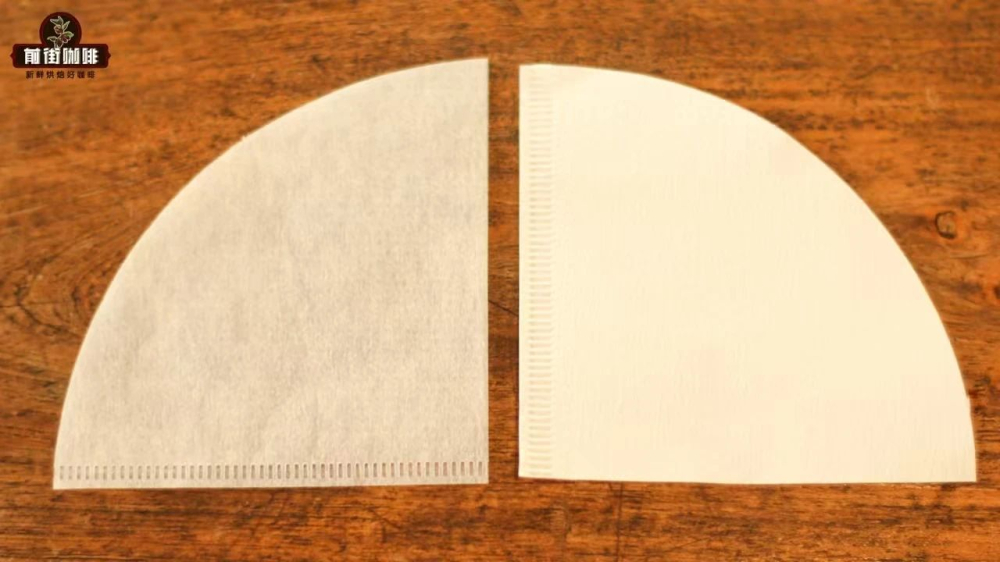
Pros: 1. The paper pulp taste is lighter, and the coffee taste is purer. Cons: 1. Many manufacturers still use "chlorine" for bleaching, and improper handling can cause environmental pollution. However, in recent years, many well-known manufacturers have switched to more environmentally friendly methods such as oxygen-based bleaching or no fluorescent agents. Some also make bamboo fiber filter paper from bamboo, which both protects the environment and gives consumers greater peace of mind.
Unbleached Filter Paper
Pros: 1. Fewer manufacturing steps, more environmentally friendly.
Cons: 1. If the filter paper is not first rinsed with hot water, the coffee may carry a papery taste. Although there is no hard rule that unbleached filter paper must be rinsed before brewing, if you want to brew good coffee and require consistency in the flavor of every cup, this step cannot be ignored. In addition, some professional baristas also use alternating hot and cold water to remove the off-flavor of the filter paper, so as to keep the coffee flavor pure.
What Sizes Does Filter Paper Come In?
Generally, filter paper is divided into the following two types:
1–2 servings
One serving of coffee grounds is about 10 grams, so this type of filter paper can hold up to 20 grams of coffee grounds.
3–5 servings
That is, it can hold more coffee grounds at one time, and the filter paper itself is also larger. Which filter paper is better to choose? If you consider environmental protection, unbleached filter paper is naturally the first choice. As long as you rinse it with hot water 1–2 times, the papery taste can also be removed.
From Front Street Coffee's experience, if you want to skip the step of rinsing with hot water to remove the odor, you can also choose oxygen-bleached filter paper, which is more environmentally friendly. Filter paper really is a case of you get what you pay for. The better the filter paper, the more expensive it is, but relatively speaking, the paper pulp taste will also be much less than that of cheap filter paper.
The Craft of Filter Paper
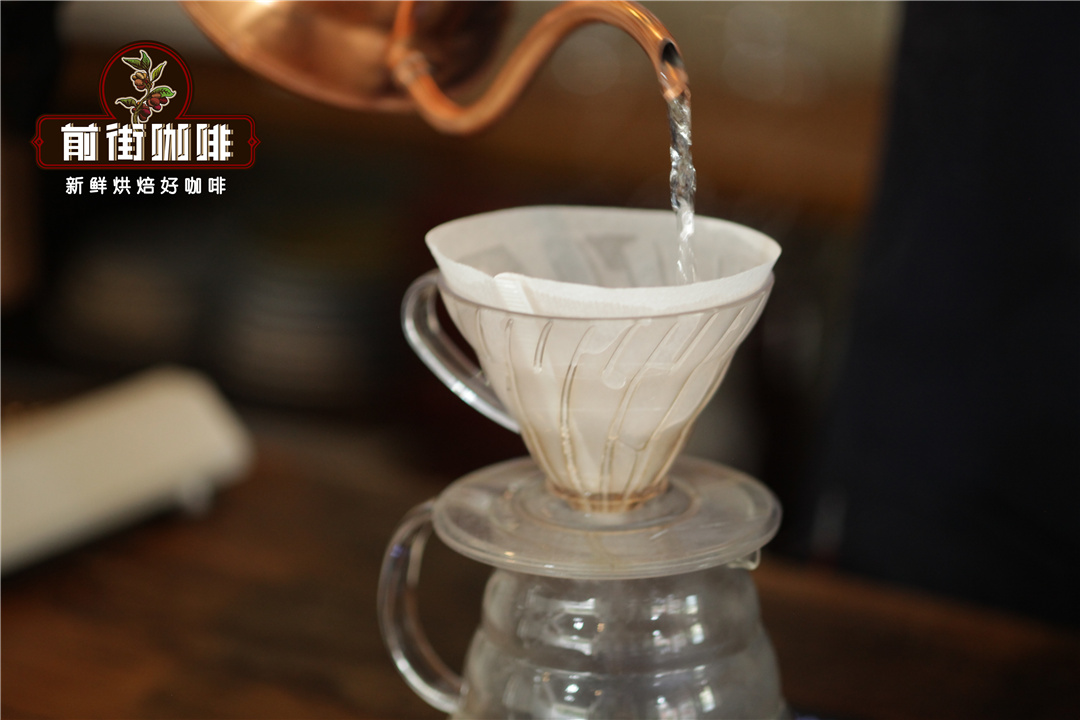
Even filter paper made of the same material can vary greatly due to different manufacturing processes. These differences are mainly reflected in the structure of the filter paper, such as the use of textured folds, or the degree of thickness. The two pieces of filter paper in the picture below are both made of natural wood pulp, but their production processes are not the same, so the difference can be seen directly from the surface.
Differences in manufacturing processes exist not only among different manufacturers, but even the same manufacturer will use different processes to produce filter paper. The reason is simple: the structure of the filter paper affects the flow rate of the coffee, and the flow rate is an important factor affecting coffee extraction. Therefore, many manufacturers develop filter paper with different structures for different brewing characteristics.
The above content is compiled by CoffeeHunters, a coffee news website.


