







Search Results for: filter cup pouring
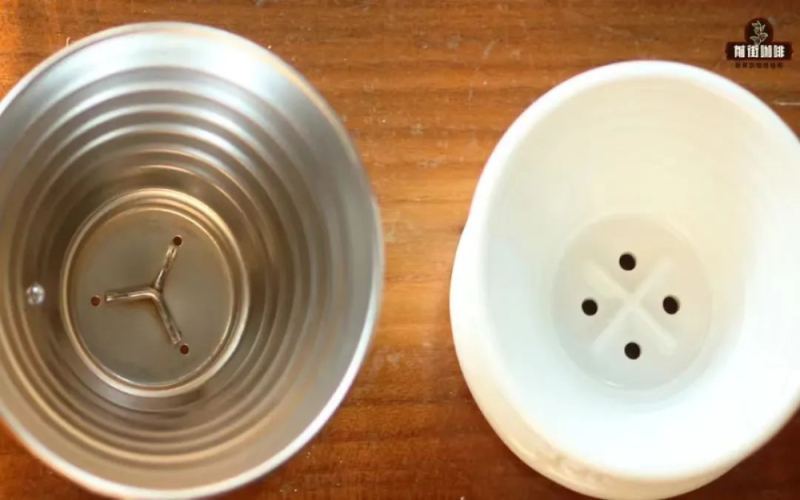
How do filter cup shape and flow rate influence pour-over parameters? How should extraction time be reasonably set?
Many coffee enthusiasts often wonder after switching filter cups: can the original pour-over parameters still be used, and exactly how long should the extraction time be controlled to be considered appropriate. Starting from the differences in filter cup shape and flow rate, and combined with Front Street Coffee's measured data, this article compares the extraction performance and flavor differences of the V60 and flat-bottom cake filter cup under the same parameters, explaining that the real purpose of parameter adjustment is not to pursue fixed values, but to serve the ideal taste. The article also provides a ranking of the flow rates of common filter cups, helping readers understand the relationship between filter cup characteristics and extraction time, so as to formulate brewing plans more flexibly. [more…]
Panama Elida ASD Anaerobic Low-Temperature Slow Natural Geisha: Four Pour-Over Brewer Methods and Flavor Comparison
Front Street recently acquired a Geisha coffee bean from Elida Estate in Panama, processed using the NATURAL-ASD anaerobic fermentation low-temperature slow sun-drying method—the same process used for this year's Panama BOP champion Geisha in the processing category. After the beans were properly rested, we tested brewing with a hollow filter cup, Ice Eye filter cup, cake filter cup, and diamond filter cup, standardizing the parameters to 15 grams of coffee, medium-fine grind, 90°C water temperature, and a 1:15 coffee-to-water ratio, recording the extraction time and flavor performance for each filter cup. Elida Estate is renowned for its sun-dried processing, and this ASD Geisha shines in fermentation aroma, juicy mouthfeel, and layered tea-like notes. Below, we share four specific brewing recipes and comparison results for coffee enthusiasts' reference. [more…]
How to Choose a Pour-Over Coffee Filtration Method: A Full Analysis of the Taste Differences, Pros, and Cons of Paper Filters, Stainless Steel Filters, and Cloth Filters
People who buy their own beans, grind them, and brew pour-over coffee often face a choice when it comes to filtration: should they use disposable paper filters, reusable stainless steel mesh filters, or flannel cloth filters? Each of the three methods has its own adherents, and each directly affects the clarity, body, and aroma expression of the coffee in the cup. This article starts from material characteristics, ease of use, taste differences, and maintenance points, comparing the pros and cons of paper filters, metal mesh filters, and cloth filters one by one, and offers selection suggestions for different taste preferences. If you often drink Front Street Coffee's medium-to-dark roasted beans, or prefer light-roasted beans with floral and fruity notes, understanding these filtration details can help you adjust your brewing direction more accurately and find the cup of coffee that suits you better. [more…]
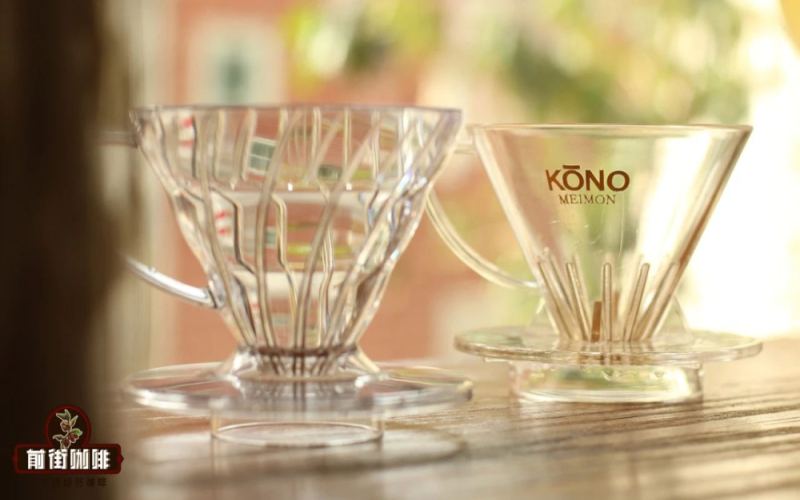
The Complete Smart Cup Brewing Guide: From Working Principles to Practical Steps, Comparing Flavor Differences with Pour-Over
For friends who are just getting into pour-over coffee, the water-flow control required by drippers like the Hario V60 and KONO often feels daunting. The appearance of the Clever Cup, however, lets even complete beginners easily brew a cup of good coffee that won't fail. This article starts with the structure and principles of the Clever Cup, then gradually breaks down the complete brewing process, and also sorts through the origins of pour-over coffee, equipment choices, and standard steps. Finally, using Front Street Coffee's Yirgacheffe Red Cherry as an example, it compares the flavor differences brought by the two brewing methods to help you find the cup that suits you. [more…]
How to Choose the Filter Material for Pour-Over Coffee? A Complete Comparison of the Pros and Cons of Paper Filters, Metal Filters, and Cloth Filters
In the world of pour-over coffee, the choice of filter material is often underestimated, yet it directly determines the direction of the flavor in the cup. Paper filters, metal filters, and cloth filters each have their adherents, and they differ vastly in how much they intercept oils, fine particles, and flavor compounds. This article begins with the century-old origins of the coffee paper filter, then breaks down one by one the structural principles, operational experience, and pros and cons of the three filtration methods, along with a comparison of mainstream filters such as KONO, HARIO, and CHEMEX, as well as practical advice from Front Street Coffee for everyday brewing. Whether you prefer a clean, bright sense of layering or pursue a thick, full-bodied original flavor, you can find the filtration solution that suits you in this article. [more…]
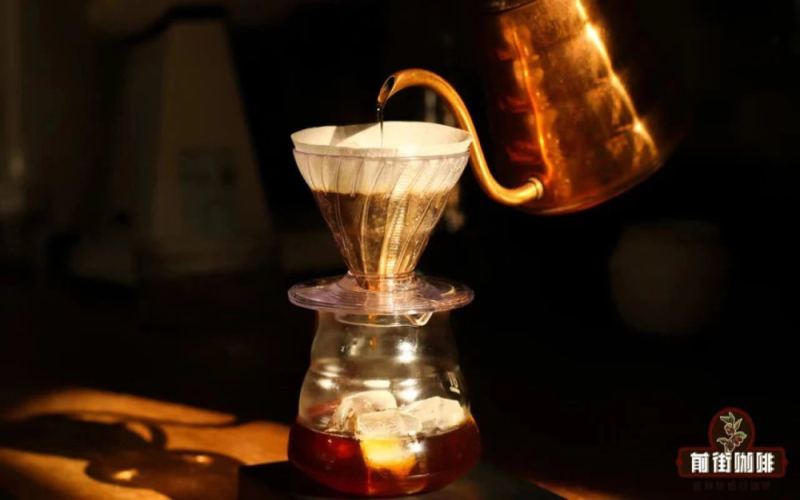
How to Choose Pour-Over Coffee Filters? A Complete Guide to the Flavor Differences and Cleaning & Maintenance of Metal Filters, Paper Filters, and Cloth Filters
In the world of pour-over coffee, the choice of filter material often determines the direction of the flavor in the cup. Metal filters, paper filters, and cloth filters each have their adherents—what kind of taste experience does each bring? Are metal filters really clean and hygienic? And how should cloth filters be properly maintained? Starting from their pros and cons, this article will analyze the characteristics of these three common filter materials one by one, and share practical cleaning tips to help you find the brewing partner that suits you best among a dazzling array of equipment. Whether you prefer bright acidity or a rich, full-bodied taste, understanding the principles of filters will let you control the performance of every cup of coffee with greater ease. [more…]
Pour-Over Coffee Beginner's Guide: Four Major Advantages, Filter Paper Selection, and Key Brewing Practices
Pour-over coffee has become the preferred brewing method for many coffee enthusiasts thanks to its advantages of being clean, free of off-flavors, clear, and simple and safe. This article starts from a comparison of brewing devices such as the French press, the Clever Cup, the AeroPress, and the siphon, and takes an in-depth look at the core principles of pour-over coffee—the three key elements of coffee grounds, filter paper, and hot water. It focuses on revealing the critical influence of filter paper on flavor and explores the feasibility of brewing with boiling water. At the end, using the 2018 Huakui Natural Sidamo as an example, it fully presents the V60 brewing parameters and flavor performance, making it suitable as a reference for readers who wish to improve their pour-over brewing skills. [more…]
Pour-Over Coffee Beginner's Guide: A Complete Analysis from Equipment Comparison to Filter Paper Selection and Boiling Water Brewing
Pour-over coffee has become the top choice for many coffee enthusiasts thanks to its advantages of being clean, free of off-flavors, clear, simple, and safe. This article starts with a horizontal comparison of the French press, the Clever Cup, the AeroPress, and the siphon pot, then sorts out the three truly indispensable conditions for pour-over—coffee grounds, filter paper, and hot water—and takes a deep dive into how the filter paper material affects flavor, debunking the common misconception that "boiling water can't be used to brew coffee." At the end, it includes Front Street's recommended Huakui brewing parameters and flavor description, making it suitable reading for coffee enthusiasts who want to systematically understand the logic of pour-over. [more…]
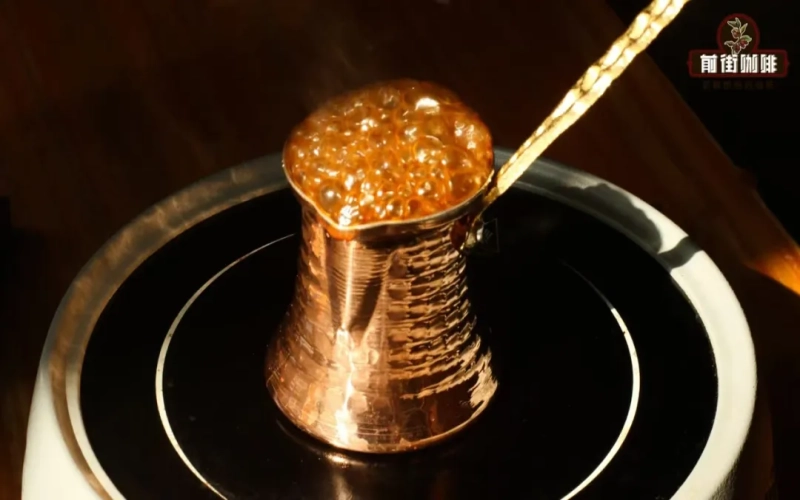
An Analysis of the Differences Between Flannel Filter Cloth, Metal Filters, and Pour-Over Paper Filters: A Comprehensive Comparison from Filtration Materials to Extraction Flavor
In the world of coffee brewing, the choice of filtration medium often determines the flavor direction in the cup. From Turkish coffee, which was mainly boiled before the 19th century, to the filter paper and dripper invented by Mrs. Melitta, to the artisanal use of flannel cloth in Japan, each filtration method carries a different extraction logic. Today, the filter paper, flannel cloth, and metal mesh commonly used in pour-over coffee each have their strengths and weaknesses: filter paper brings a clean and transparent mouthfeel, flannel retains oils and fine particles, achieving a rich and mellow flavor, while metal mesh poses new challenges in terms of pore size and extraction method. Front Street Coffee uses Ethiopian Santa Vini beans for comparative brewing, and by adjusting the pouring technique, reveals the causes of under-extraction with metal mesh and directions for improvement, providing a practical brewing reference for coffee enthusiasts. [more…]

Pour-Over Coffee Beginner's Guide | How Should Coffee Newbies Choose Coffee Filters? How Do You Use Coffee Filters? What Types of Coffee Filters Are There?
For professional coffee knowledge exchange and more coffee bean information, please follow FrontStreet Coffee. How to choose coffee filter paper? How to use coffee filter paper? What types of coffee filter paper are there? Many enthusiasts buy their own coffee beans, use a grinder, and purchase equipment to brew coffee, all [more…]
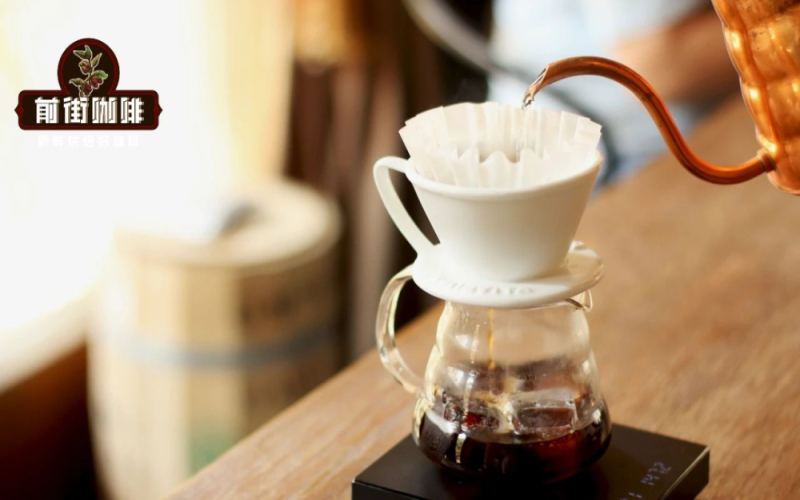
The Complete Guide to Brewing Coffee with the Clever Dripper: A Full Breakdown from Extraction Mechanism to Brewing Steps
The Clever Cup is a unique coffee brewing device that combines a dripper with a valve design, originally developed and manufactured in Taiwan Province of China. It uses a rubber piston valve at the bottom to control water flow; when pouring water, it seals and stops the water, and when placed on a cup, it opens automatically, allowing the coffee liquid to filter out slowly. In terms of operation, you simply pour water and let it steep, wait four minutes, then place it on the rim of a cup. For cleaning, discard the coffee grounds together with the filter paper, and rinse with water to finish. Today, Front Street will guide everyone through the extraction principles of the Clever Cup and, using beans from Panama's Elida Estate as an example, demonstrate this lazy-friendly immersion brewing method in practice. [more…]
The Complete Guide to Specialty Coffee Brewing: An Analysis of Common Methods Including Paper Filter, Cloth Filter, Siphon, and Steam Pressure
To brew a great cup of coffee at home, choosing the right method matters more than buying expensive equipment. This article systematically sorts through several common brewing methods—paper filter drip, flannel filter, steam pressure, siphon, cold drip, and iced coffee—explaining one by one their key operating points, grind size, and flavor characteristics. The content covers key details such as equipment selection, coffee-to-water ratio, water temperature control, and pouring technique, making it suitable for coffee enthusiasts who want to advance their skills. Whether you prefer a clean, bright cup or a rich, full-bodied one, you'll find a corresponding brewing approach here. [more…]
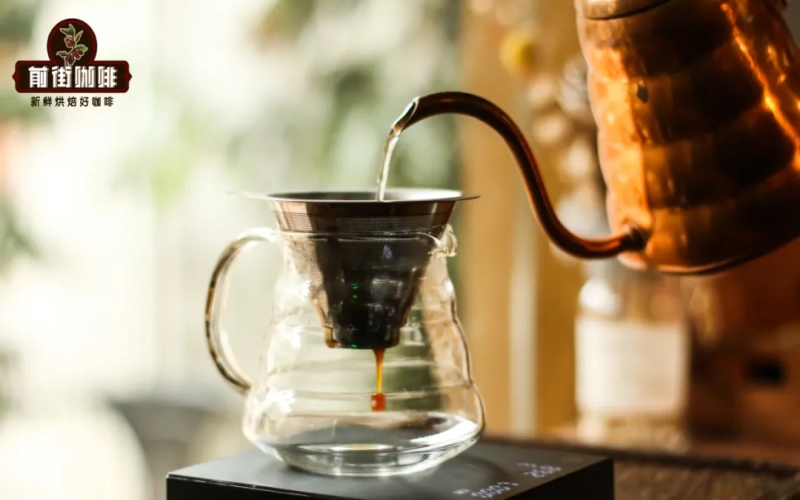
What Mesh Size Should You Choose for a Metal Pour-Over Coffee Filter? A Full Analysis of the Differences vs. Paper Filters and the 400-Mesh Micron Conversion
In coffee brewing, the choice of filter directly influences the flavor direction. Metal filters, with their unique pore size, retain coffee lipids and aromas while offering the advantages of being eco-friendly and cost-saving, but the issue of fine particles passing through cannot be ignored. In this article, Front Street will focus on a 400-mesh metal filter (corresponding to 38 microns), from analyzing its pros and cons to a practical brewing demonstration, explaining in detail how to maximize its strengths and avoid its weaknesses. Compared with paper filters, metal filters allow water to pass through faster, requiring adjustments to the pouring technique; when brewing Yirgacheffe Gudingding, the lipids brought a richer mouthfeel and a longer-lasting aftertaste. If you also want to try brewing with a metal filter, you might as well follow Front Street's steps to find out. [more…]
Pour-Over Coffee Beginner's Guide: Equipment Selection, Brewing Process, and Illustrated Step-by-Step Instructions
Pour-over coffee is the most popular brewing method in the specialty coffee era, and both the choice of equipment and the techniques involved are worth studying in detail. This article will guide you through the historical origins of pour-over coffee, starting with Melitta's invention of the filter brewing method, then introduce one by one the selection considerations for essential equipment such as the pour-over kettle, dripper, and grinder, along with a complete illustrated step-by-step guide. Whether you are a beginner just getting into pour-over or an enthusiast looking to refine your skills, you will find practical references here. The article also specifically mentions relevant product information from Front Street Coffee to make it easy for you to purchase as needed. [more…]
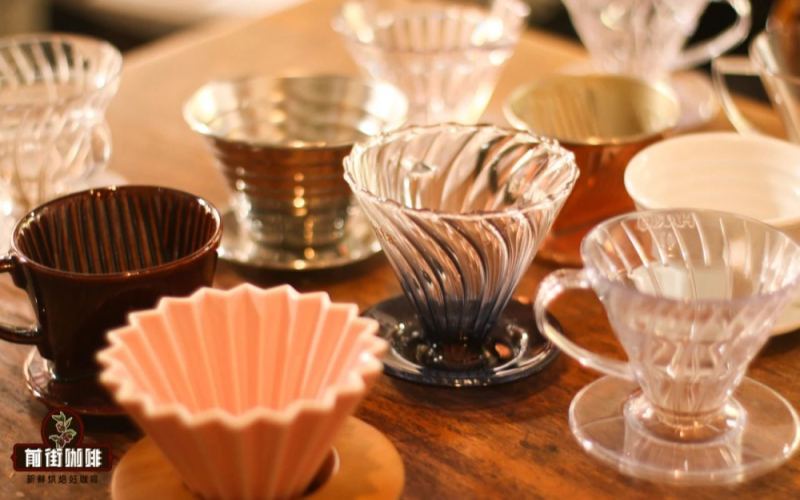
The Complete Guide to Pour-Over Coffee Dripper Selection: Common Types, Material Differences, and Brewing Compatibility Guide
In the toolkit of pour-over coffee gear, the dripper plays a pivotal role. With the third wave of coffee and the growing popularity of single-origin specialty beans, pour-over brewing rose in Japan and swept the globe. Getting started with pour-over isn't complicated—all you need is a gooseneck kettle, filter paper or a metal mesh, a dripper, and ground coffee. Yet the sheer variety of drippers often leaves beginners at a loss. This article systematically breaks down the structural features and flow-rate differences of mainstream drippers—wedge, cone, origami, wave, and metal—analyzes how different materials affect heat retention, and, drawing on brewing practice with a range of Front Street beans, explains how dripper choice shapes a coffee's balance, body, and aromatic layering, offering enthusiasts a practical reference. [more…]
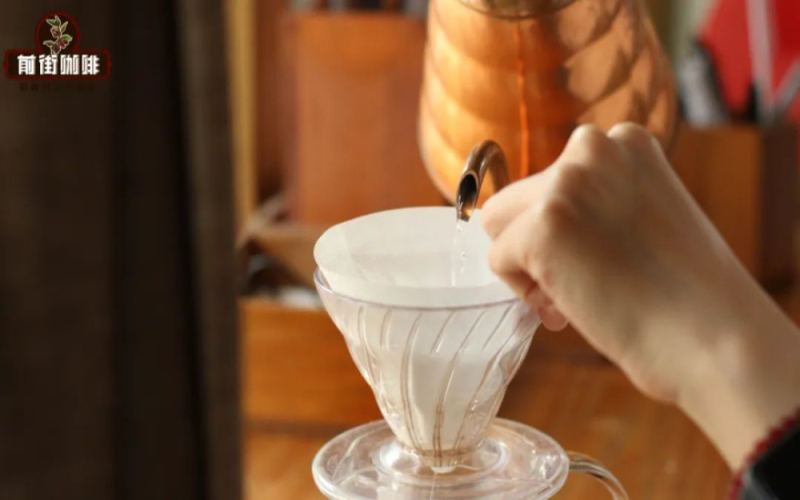
For pour-over coffee, should you use hot or room-temperature water to wet the filter paper? A hands-on test of the flavor differences across three filter-cup materials
Should you wet the filter paper with hot water or room-temperature water before pour-over coffee? Does this seemingly insignificant step really affect the final flavor? Many coffee enthusiasts share this confusion. In this experiment, Front Street Coffee used filter holders made of three different materials—resin, ceramic, and copper—and wet the filter paper with either room-temperature water or hot water above 90°C, conducting a comparative experiment under identical brewing parameters. The results showed that wetting the filter paper at different water temperatures does indeed lead to differences in the temperature and concentration of the coffee liquid, and the flavor profile also showed different tendencies toward sweetness and acidity. Through detailed experimental data, this article will analyze the mechanism by which the water temperature used to wet the filter paper affects the extraction process, helping you find the cup that best suits your taste. [more…]
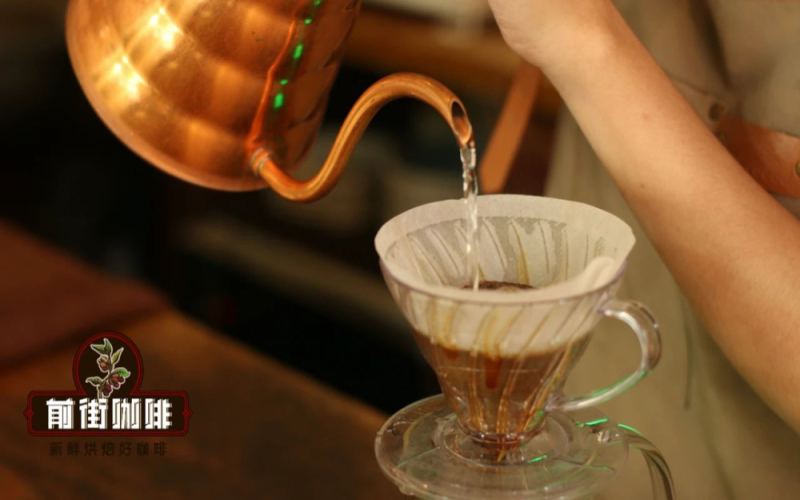
Smart Filter Cup Practical Review: Immersion Extraction Principles, Operating Steps, and Whether It Can Replace a Regular Pour-Over Filter Cup
Although pour-over coffee may look simple to operate, it actually involves a rich array of techniques and details, and the flavor expression of the coffee varies noticeably depending on the brewing device used. This time Front Street Coffee is going to introduce a dripper that is very beginner-friendly—the Clever Cup, which combines both immersion brewing and filtered brewing functions, has a low barrier to entry, and makes it easy to reproduce a stable flavor. The following article will explain the Clever Cup's brewing principles, specific usage steps, recommended parameters, and whether it can be used as an ordinary dripper, helping coffee lovers quickly master this device. [more…]
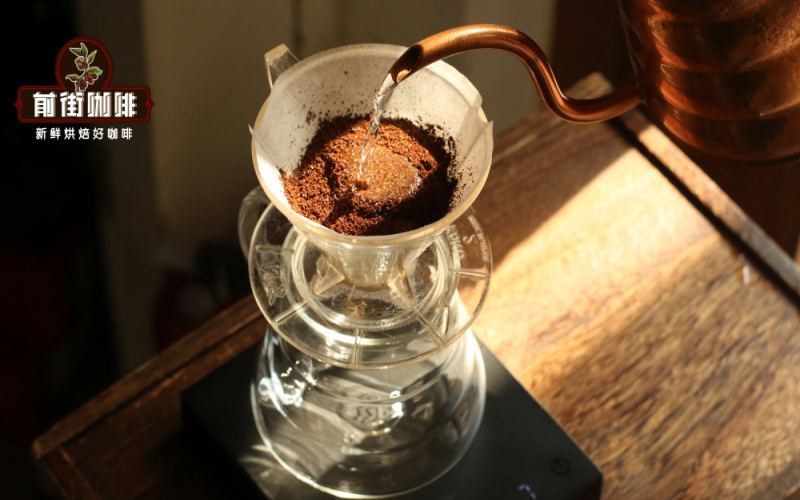
A Century of Evolution of the Melitta Filter Cup: From Blotting Paper Inspiration to a Performance Comparison of the V60 and Kono Pour-Over Filter Cups
Pour-over coffee is inseparable from the dripper, but just how big is the dripper's influence on flavor? This article begins with the Melitta dripper, which went into production in 1912, and traces the story of the birth of the world's first trapezoidal dripper—Mrs. Melitta, inspired by blotting paper, poked holes in a brass cup to filter coffee, but because the filter paper was difficult to fit the cylindrical container, this gave rise to the prototype of the ribs. Afterward, the defect of slow flow in the single-hole design prompted the emergence of multi-hole versions. The article then focuses on the core elements of the dripper: flow rate and flow-guiding performance, and through actual testing of V60 and the Kono short-rib version with Front Street Coffee's Mandheling beans, reveals the practical effects of different drippers on extraction time, mouthfeel, and grinding adjustment. [more…]
Pour-Over Coffee Filter Cup Selection Guide: How Different Shapes and Materials Affect Extraction and Flavor Performance
In the ecosystem of pour-over coffee equipment, the dripper plays a key role in determining the direction of extraction. Since the introduction of filter paper and drippers in the early twentieth century, more than a century of improvements has produced a rich variety of drippers on the market in terms of shape, number of holes, grooves, and materials, and each difference directly affects flow rate and extraction time, ultimately reflected in the coffee's mouthfeel and flavor. This article systematically reviews the design characteristics and suitable applications of mainstream dripper types such as fan-shaped, conical, wave, and metal, and further discusses the impact of materials such as ceramic, resin, and glass on heat retention. At the same time, drawing on Front Street Coffee's bean list, the article provides specific pairing suggestions for different drippers, helping coffee enthusiasts find a brewing method that suits them on the basis of understanding the equipment's characteristics. [more…]
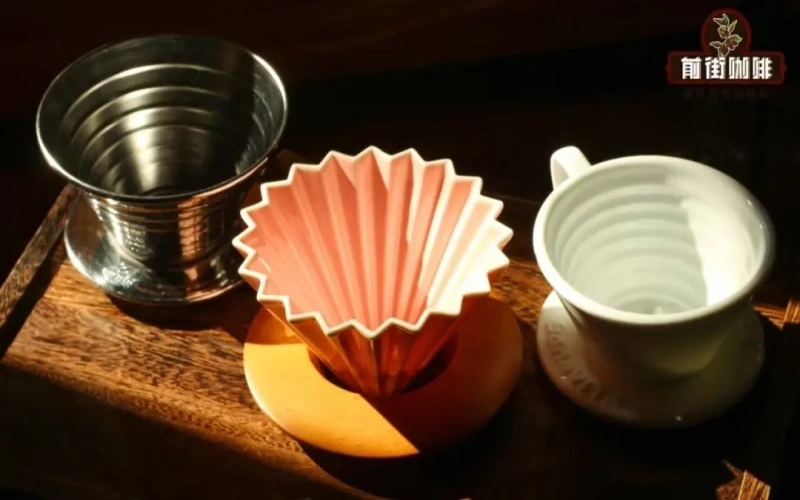
Analysis of the Differences Between Cake Filter Cups and V60 Cone Filter Cups: Sharing the Brewing Pros and Cons of Flat-Bottom Filter Cups and Practical Parameters
Among pour-over coffee equipment, cone-shaped drippers and flat-bottom drippers are two completely different choices. The cake dripper gets its name because its filter paper resembles baking paper, and its flat bottom brings extraction characteristics opposite to those of the V60: the coffee bed is thinner and more uniform in depth, pouring does not require deliberately controlling the range, and even beginners can easily brew a balanced and full-bodied cup of coffee. Of course, the relatively slow flow rate also requires us to make targeted adjustments in our parameters. In this article, Front Street will analyze the structural principles and flavor tendencies of the cake dripper, and share a specific method for brewing Ethiopian Hamashu with the Origami dripper, including coffee dose, water temperature, grind size, and staged pouring technique, to give you a comprehensive understanding of the advantages and disadvantages of flat-bottom drippers. [more…]