







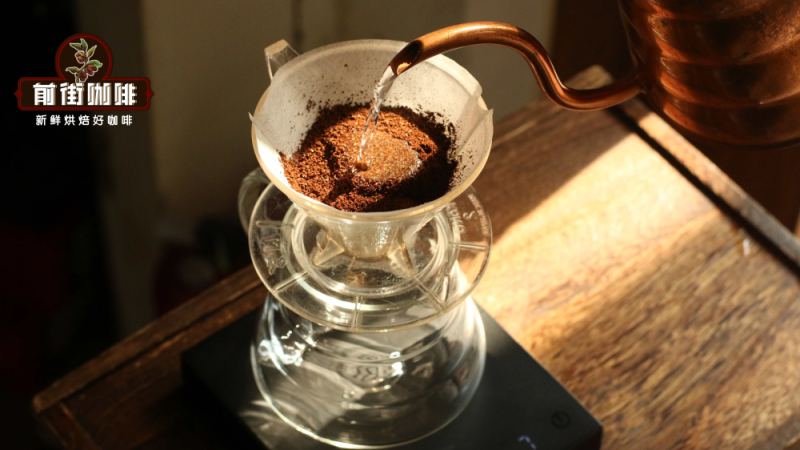
From Blotting Paper to the V60: How the Melitta Dripper Shaped Pour-Over Coffee
Pour-over coffee depends on the dripper, but how much does the dripper shape flavor? The first cone-shaped dripper, the Melitta, went into production in 1912. Melitta Bentz, inspired by her son's blotting paper, poked holes in a brass cup to filter coffee. The filter paper did not fit snugly against the cylindrical container, so ribs were added. Later, a single hole caused slow flow, leading to multi-hole versions.
This article focuses on two core dripper traits: flow rate and guidance. Using Front Street Mandheling beans, we compare the V60 and the Kono short-rib version, showing how each affects extraction time, mouthfeel, and grind adjustment. The dripper remains the visual symbol of pour-over brewing. Yet with so many shapes and marketing claims, does the dripper really have such a dramatic influence on flavor?
Pour-over coffee is inseparable from the dripper, but how much does the dripper actually influence flavor? This article begins with the Melitta dripper, which went into production in 1912, and traces the story of the world's first trapezoidal dripper—Mrs. Melitta, inspired by blotting paper, poked holes in a brass cup to filter coffee, but because the filter paper struggled to fit snugly against the cylindrical container, the prototype of the ribs was born. Later, the drawback of slow flow from a single hole drove the emergence of multi-hole versions. The article then focuses on the core elements of a dripper: flow rate and guidance performance, and through actual testing with Front Street Mandheling beans, compares the V60 and the Kono short-rib version, revealing the practical impact of different drippers on extraction time, mouthfeel, and grind adjustment.
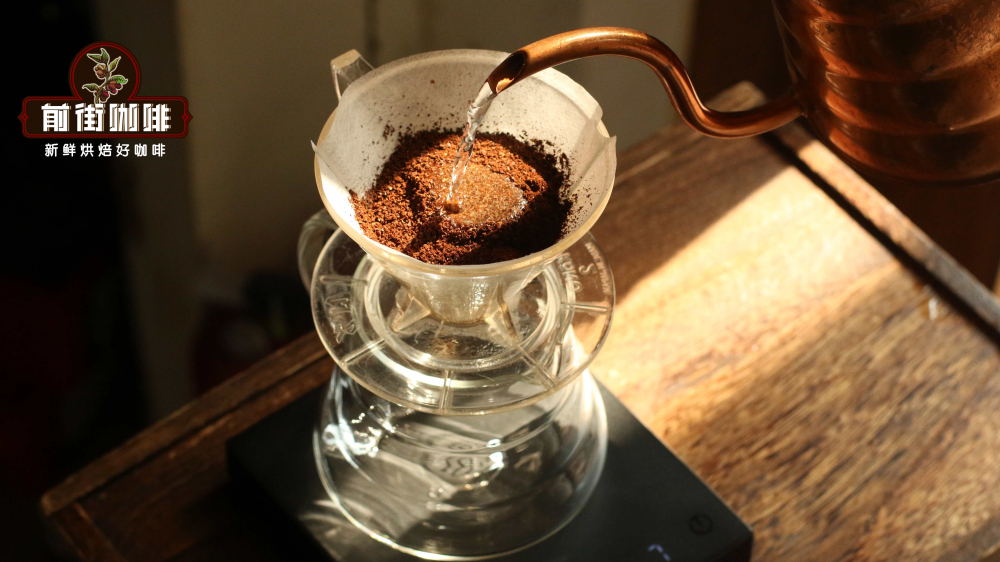
In the full set of pour-over coffee equipment, the dripper occupies an irreplaceable position—one could even call it the visual symbol of the pour-over brewing method. Today, drippers on the market come in a bewildering variety of shapes, and every brand emphasizes its product's unique features in marketing—some claim to make coffee sweeter, others promise more pronounced aroma...
This marketing approach ultimately leads to a consumer habit: switch to one dripper when you want something sweeter, switch to another when you want more aroma, and before you know it, your cabinet is stuffed with all kinds of drippers. But if we step back and ask, does the dripper really have such a dramatic influence on the final flavor?
Before diving deeper into this question, there's a more fundamental doubt worth clarifying first: why did the world's first coffee dripper adopt a trapezoidal or fan shape? The generally recognized first dripper is the Melitta, which officially went into production in 1912, and in the four years prior to that, the product had actually been in a stage of repeated revisions.
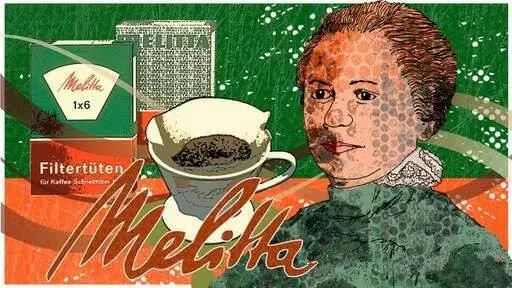
Many discussions focus on the clever design of the dripper itself, but the fact is that the shape of the dripper was largely constrained by filter paper manufacturing processes. Before filter paper was invented, people had long used flannel or metal mesh to filter coffee, but these materials had poor interception performance, and the brewed coffee still had fine grounds floating in it. One day in 1906, Mrs. Melitta was drinking coffee when she happened to glance at her son's blotting paper and suddenly had an idea: if paper were used to intercept coffee grounds, perhaps a cup of clear coffee could be obtained. She immediately found a brass cup, punched several small holes in the bottom, lined it with blotting paper, and began filtering. Reading this, you can understand that the dripper's primary task is actually to support the filter paper—the paper is what truly does the filtering.
At the time, she quickly ran into a thorny problem: although the blotting paper had decent permeability, ready-made filter paper struggled to fit tightly against the cylindrical filter, so the coffee liquid would flow toward the path of least resistance—this is what we now call channeling.
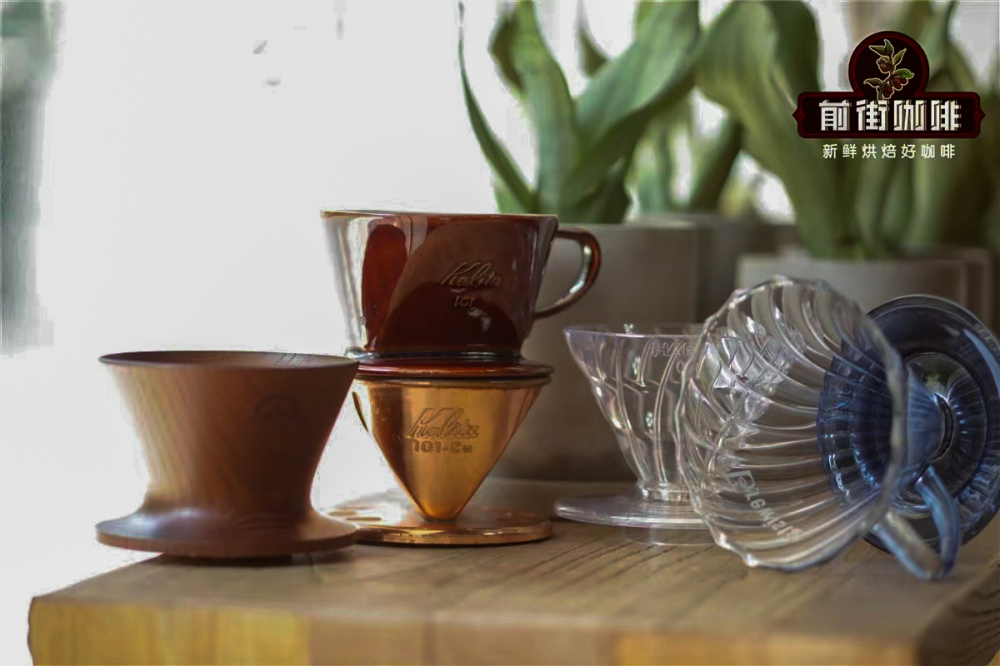
After solving the fit problem, a new flaw was exposed. The bottom of the dripper originally had only one hole, like thousands of troops squeezing onto a single-log bridge, so the coffee could only seep down drop by drop, at an extremely slow flow rate. It was precisely for this reason that two-hole, three-hole, and even four-hole versions appeared later, with the sole purpose of speeding up the flow.
By this point, it should be clear that no matter what shape a dripper is, there are really only two core points worth paying attention to: flow rate and guidance performance. And these two points are directly reflected in the size of the outlet hole area and the arrangement of the ribs. So, how much difference would two drippers with clearly different outlet holes and rib structures make when brewing the same beans? For this, we chose Front Street Mandheling coffee beans for a comparative experiment, with the V60 and the Kono short-rib version taking part in the comparison. The V60's strength lies in fast flow and resistance to clogging; the Kono takes the slow-flow route and is known for enhancing body.
When extracting with the same parameters, the V60 dripper took 1 minute 55 seconds in total, while the Kono dripper took 2 minutes 20 seconds. In addition, under the same pouring technique, the Kono dripper's coffee bed wall was scoured beyond recognition by the water flow, with almost all of it collapsing onto the bed.
Comparing the flavors in the cup, the coffee brewed with the Kono was noticeably more intense, with a more solid mouthfeel, and both cups fell within an acceptable range. Front Street has mentioned in previous articles that parameters such as time can be adjusted through grind size, pouring technique, and brew ratio. It can be understood this way: Front Street previously discussed the six major parameters of pour-over coffee, and the dripper can actually be considered a parameter too—only, compared with those six, its influence on flavor direction is somewhat weaker.
If the dripper is also included in the parameter system for consideration, then the other six items need to be adjusted to match that dripper, such as coarsening the grind appropriately. Front Street then adjusted the grind one major setting coarser and reduced the circling amplitude while pouring to avoid destroying the coffee bed wall. The final extraction time was 2 minutes 03 seconds, and in terms of flavor and mouthfeel, the two cups were already very close, with no significant difference.
The above content is compiled by CoffeeHunters, a coffee news website.


