







Search Results for: fermented wine aroma
A Comprehensive Analysis of Specialty Coffee Processing Methods: The Craft and Flavor of Anaerobic Fermentation, Barrel Aging, and Wine Infusion
In recent years, an increasing number of specialty green coffee beans processed with special processing methods have appeared on the specialty coffee market. Is this really something to be happy about? Front Street Coffee believes that special processing methods were originally intended to give the flavor of coffee beans from a certain producing region more distinctiveness. However, as their use has continued to expand, some processing methods today seem to be more about masking the defects of the coffee beans themselves and then selling them at a high price. In fact, all special processing methods have evolved around the three traditional methods: washed, natural, and honey. This article will systematically sort out the most common types of special processing methods on the market, including anaerobic fermentation, barrel fermentation, and red wine processing, and, combined with Front Street Coffee's cupping experience and specific products, analyze their processing procedures and flavor characteristics. [more…]
Panama Hartmann Estate Wine Process Coffee: Fermentation Craft Analysis, Catuai Variety, and Brewing Flavor
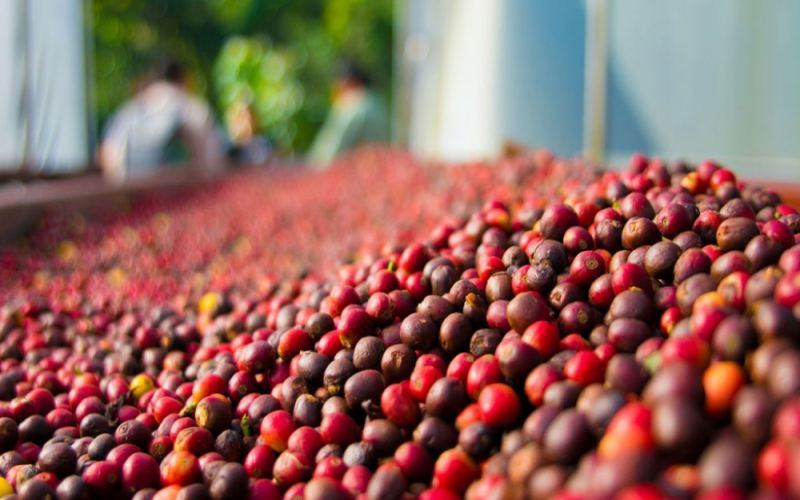
Is red wine processed coffee made by soaking the beans in red wine? Does it contain alcohol? These are common questions among many coffee lovers. In fact, this processing method borrows the fermentation logic of wine-making, rather than directly soaking coffee beans in red wine. In this article, Front Street Coffee takes you deep into the red wine processed Catuai coffee beans from Hartmann Estate in the Volcan region of Panama: from the estate's background and the variety's origins, to the specific controlled fermentation process and flavor performance. We also share Front Street's roasting curve, cupping results, and V60 staged pouring parameters to help you understand what makes this bean so unique. [more…]
Hartmann Coffee Beans Red Wine Processing Brewing Guide: V60 Parameters and Fermented Wine Aroma Presentation
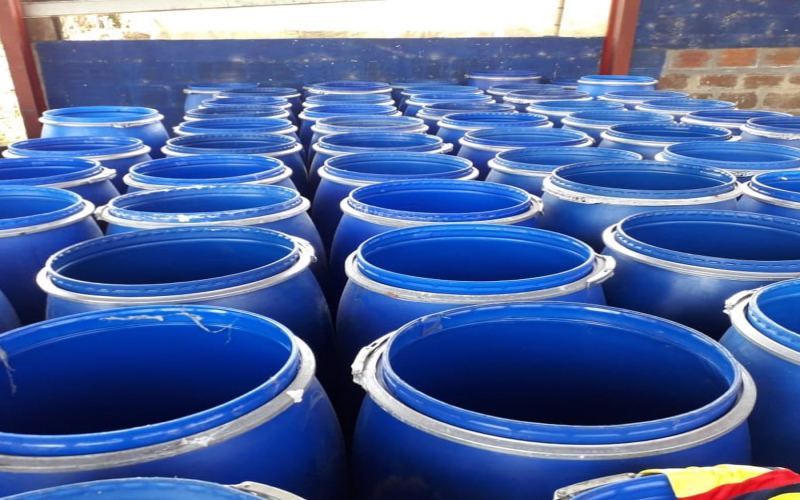
The wine process, also known as the controlled fermentation method or lactic/acetic fermentation method, was developed by a team led by Felipe Sardi of the United States, whose members include biological scientists and ecologists. Strict standards are enforced during picking: underripe cherries below 2%, defective beans below 3%, and floating beans below 5%. This processing method is divided into two paths: aerobic acetic fermentation and anaerobic lactic fermentation. The former has a cleaner and brighter acidity with citric notes; the latter has a rounder mouthfeel and higher body, but slightly lower cleanliness, displaying malic and tartaric acid characteristics. Batch consistency is achieved through pH monitoring. Wine-processed green beans are darker in color, with silver skin appearing wine-red or brownish-red. Front Street Coffee's Panama Hartmann is a representative example, and this article shares its pour-over parameters and flavor performance. [more…]

Is red wine process coffee soaked in red wine? Analyzing the winy natural process at Hartmann Estate and its flavor profile
Front Street Coffee was recently asked: Does the red wine process mean soaking coffee beans in red wine? Will the finished product contain alcohol? In fact, the red wine process simply borrows the idea of wine fermentation to process coffee cherries; it does not involve soaking in red wine. During fermentation with the mucilage, a trace amount of alcohol is indeed produced, but after high-temperature roasting it has long since evaporated completely, so there is no need to worry about residue. In this article, Front Street Coffee takes the red wine process coffee beans from Panama's Hartmann Estate as an example, from the estate's background, the characteristics of the Catuai variety, and the operational details of controlled fermentation, to the roasting curve, cupping report, and V60 brewing parameters, to fully break down how this coffee with vinous notes is born. [more…]
Anaerobic Fermentation and Red Wine Processing: The Principles, Evolution, and Front Street Brewing Practices of Specialty Coffee Bean Processing Methods
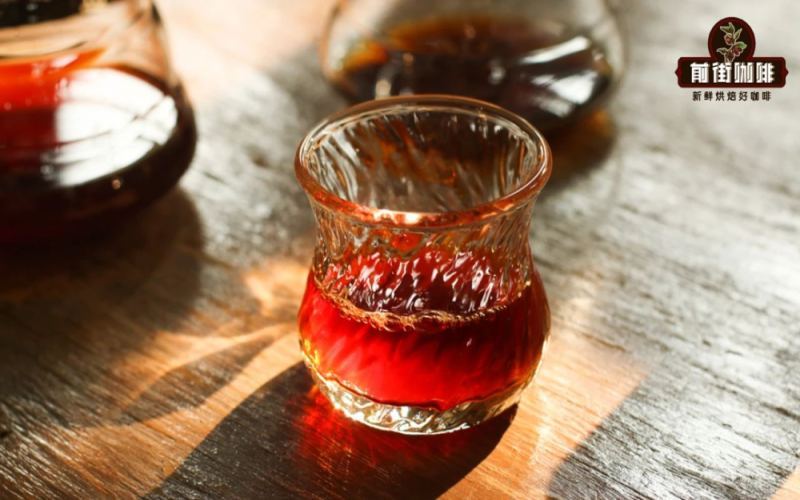
In recent years, anaerobic fermentation and red wine processing methods have continued to gain popularity in the specialty coffee world. From the promotion by 2015 WBC champion Sasa Sestic to the early explorations of Costa Rican coffee farmers, these processing techniques, which draw on winemaking ideas, have brought coffee rich flavors such as strawberry jam, fermented wine aromas, and tropical fruits. This article systematically reviews the scientific principles of anaerobic fermentation, its essential differences from traditional processing methods, and the specific operational workflow of carbonic maceration. It also combines two representative beans from Front Street Coffee—Colombia Flower Moon Night and Panama Hartmann—to share roasting and brewing parameters, helping coffee lovers gain a deeper understanding of the core logic of this special processing method. [more…]
Front Street Colombia Wine Process Coffee Beans: A Complete Guide to Flavor Characteristics, Grind Parameters, and Cloud Estate Origins
In recent years, red wine processing has attracted much attention in the specialty coffee world. Drawing on the fermentation control concepts used in winemaking, it intervenes in pH, temperature, humidity, and microbial conditions to give coffee beans a rich acidity and complex aroma reminiscent of red wine. This article will start with the flavor differences between lactic acid fermentation and acetic acid fermentation, outline the specific operational process of red wine processing, and combine it with the origin information of Front Street Colombia Red Wine Process—the eastern slopes of the Andes in Cundinamarca Department, a growing altitude of 1,800 to 2,000 meters, and the anaerobic fermentation practice of Remi Sultan in sealed metal containers—to provide coffee lovers with a complete set of flavor descriptions and grinding setting references. [more…]
Do Wine-Flavored Coffee Beans Contain Alcohol? Honduras Lychee Orchid: Flavor Analysis of Brandy Barrel-Fermented Washed Beans
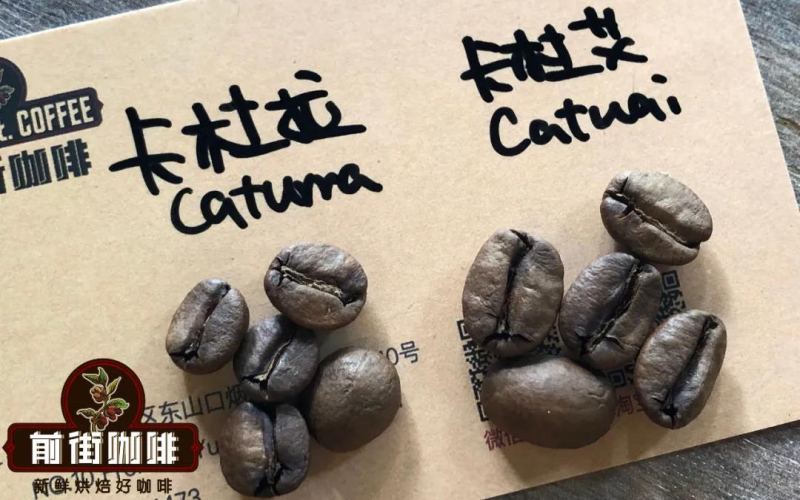
In recent years, coffee processing methods have continuously evolved, from early anaerobic fermentation to red wine processing, and now to oak barrel fermentation, with endless innovative techniques making coffee flavors increasingly diverse. The Honduras Litchi Orchid coffee beans launched by Front Street Coffee are produced using a combination of fine washing and brandy barrel fermentation, originating from the Moca Estate in the Marcala region, at an altitude of 1,500-1,700 meters, with varieties of Caturra and Catuai. This bean shares similarities with the same brand's Sherry coffee beans, with the difference being that Sherry uses whiskey barrels, while Litchi Orchid selects brandy oak barrels. The fermented beans carry a soft lychee and honey sweetness, while integrating brandy notes and oak aroma. This article will provide a detailed introduction to this bean's processing method, flavor performance, and answer the question of whether wine-flavored coffee beans contain alcohol. [more…]
Panama Hartmann Estate Wine Process Coffee: Volcan Region Flavor, Catuai Variety, and Light-Medium Roast Analysis
The Volcán region of Panama has risen to prominence in the specialty coffee world in recent years, and Hacienda Hartmann is truly a pioneer of this land. As a century-old family estate, Hartmann is not only renowned for its shade-grown cultivation and bird-friendly practices, but also shoulders the management of well-known estates such as Hacienda La Mula. This article focuses on Front Street Panama Hartmann Estate Red Wine Process coffee, providing a complete analysis of this unique coffee—which combines red wine fermentation notes with tropical fruit flavors—covering the Volcán region's microclimate, the legendary history of the Hartmann family, the fermentation principles of the red wine process, the green bean characteristics of the Catuai variety, the light-medium roast profile design, and cupping and brewing performance. [more…]
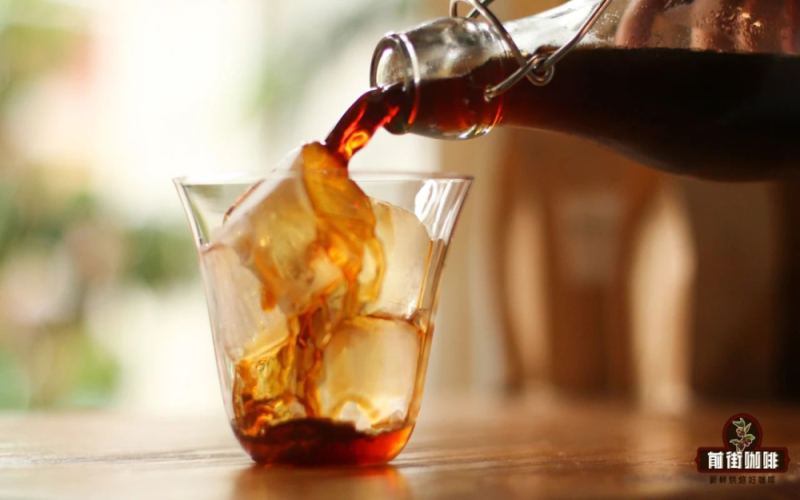
The Alcoholic Aroma Secrets of Ice Drip Coffee: A Detailed Guide to Cold Brew Grind Ratio, Drip Parameters, and Low-Temperature Aging Process
The rich, lingering fermented wine aroma of cold brew coffee often leads people to mistakenly believe that alcohol has been added to it, but this is not the case. The source of this unique flavor is closely related to the cold brew extraction method and the subsequent low-temperature aging process. Front Street Coffee will guide you through the cold brew coffee-making process: from key parameters such as the coffee-to-water ratio and drip speed, to why it cannot be drunk immediately after extraction, how low-temperature aging gives coffee its wine aroma, and the precautions to take during preparation and storage. If you also want to recreate at home a cup of clean, smooth cold brew interwoven with fruity and wine aromas, you might as well follow Front Street's approach step by step, from bean selection to aging. [more…]

Why Does Cold Brew Coffee Have a Wine-Like Aroma? Why Is It Astringent Right After Brewing? An Analysis of the Optimal Drinking Window
The unique wine-like aroma and bouquet of cold drip coffee often lead people to mistakenly think that alcohol has been added, but in fact this comes entirely from its production method and low-temperature aging process. However, freshly dripped cold drip coffee often tastes thin or even astringent, and needs to be aged in the refrigerator to reveal a smooth, rich flavor. So how long exactly should cold drip coffee be left before drinking? Why does it develop a wine-like flavor after being stored for a long time? And why can it not be stored indefinitely? Starting from Front Street's production experience, this article explains in detail the principles behind the changes in cold drip coffee from production to aging, and from astringency to vinous aroma, and gives recommended drinking periods to help you better enjoy this cup of slow-brewed coffee. [more…]

Where do the red wine and whiskey aromas in coffee come from? How do cold brew, ice drip, and iced coffee present fruit wine flavors
In coffee flavor descriptions, wine-inspired terms such as red wine, champagne, and whiskey are common, and many consumers wonder: does coffee contain alcohol? Can you drive after drinking it? In fact, these wine-like aromas come from the aromatic molecules in the coffee itself, not from added alcohol. From the perspective of Front Street, this article systematically sorts out the sources of wine-like aromas in coffee, focusing on the effects of processing methods, roast level, and extraction method on the expression of wine-like aromas, and explains why cold brew, ice drip, and iced brewed coffee can present fruity wine flavors. At the same time, readers are reminded to distinguish between black coffee and specialty coffee drinks, to avoid the risk of drunk driving caused by alcohol contained in specialty coffee drinks. [more…]
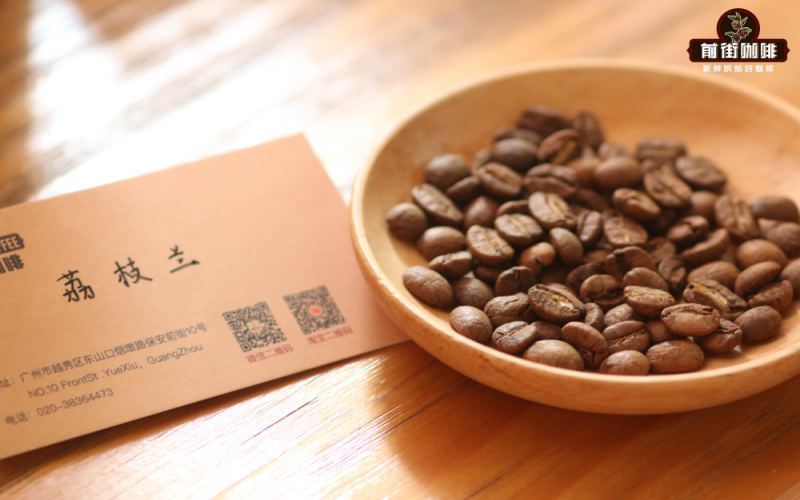
Front Street Honduras Lychee Orchid Coffee Beans: Brandy Barrel Fermentation Process and Brewing Parameters for Three Pour-Over Devices
Front Street Coffee's Honduras Lychee Orchid coffee beans, with their unique brandy barrel fermentation process, deliver a rich interplay of brandy, dark chocolate, berry, and honey flavors, making them a favorite among coffee enthusiasts. This article will comprehensively analyze the source of these beans' flavors from three dimensions: regional terroir, variety characteristics, and processing method, and share specific brewing parameters and techniques using three devices—the cake filter cup, Hario V60 dripper, and French press—to help readers fully bring out Lychee Orchid's vinous aroma and sweetness at home. [more…]
Washed Processing vs. Red Wine-Style Natural Processing: A Full Analysis of Flavor Differences, Process Pros and Cons, and Taste Characteristics
What do the labels commonly seen on coffee packaging—natural, washed, honey—actually mean? This article focuses on the natural process and its innovative offshoot, the red wine–style natural process. Starting from the structure of the coffee fruit, it breaks down in detail the steps of the natural method, its cost advantages, and defect risks, and further explains how the red wine process uses controlled fermentation to enhance sweetness, cleanliness, and complex acidity. The article also draws on specific products such as Front Street Red Cherry, Huakui, ALO, and the Panama Hartmann Estate to show how traditional natural and red wine natural coffees actually perform in aroma and mouthfeel, helping coffee lovers understand more clearly how processing methods influence the flavors in the cup. [more…]
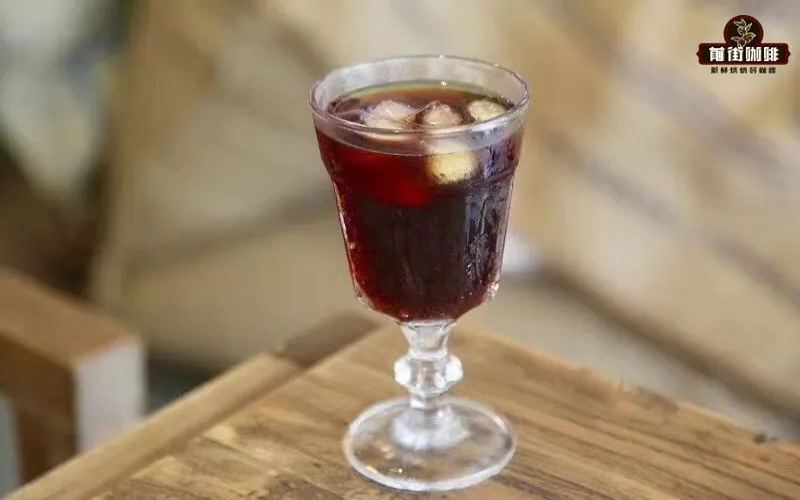
Why Does Cold Brew Coffee Emit a Wine Aroma and Wine-Like Character? Analyzing the Flavor Formation in Low-Temperature Extraction and Aging
Many coffee enthusiasts, when tasting ice drip coffee, are surprised by its faint, elusive notes of wine aroma and character, even wondering if alcohol has been added, or if the coffee beans themselves carry a wine-like flavor. In fact, this unique flavor does not come from any added ingredient, but is closely related to the special way ice drip coffee is made. Freshly dripped ice drip coffee is actually thin in flavor and can even taste astringent; it needs to undergo sealed low-temperature aging to become mellow and layered. This article, drawing on Front Street Coffee's practical experience, will analyze the principles behind how the wine-like flavor of ice drip coffee forms, explain how low-temperature extraction inhibits bacterial growth, and why sealed refrigerated aging can produce a fermentation aroma similar to alcohol. It will also compare the uncontrollability of natural fermentation in hot-brewed coffee, helping readers understand how each step in making ice drip coffee affects the final flavor. [more…]
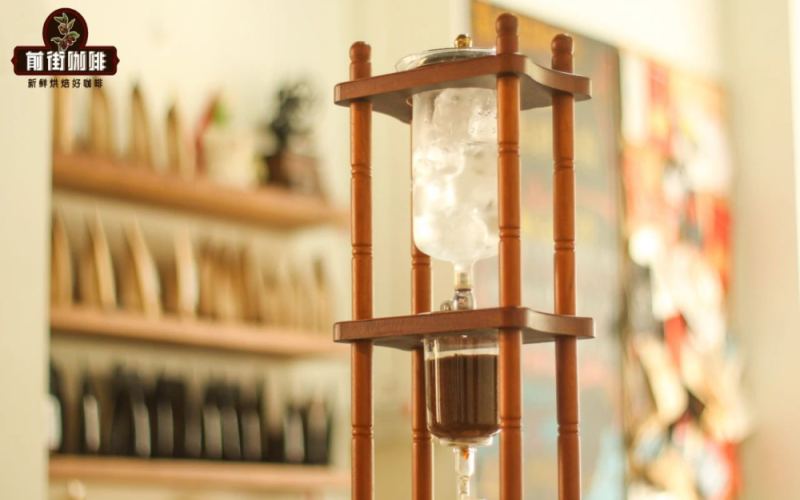
Why Isn't Cold Brew Coffee Sour or Astringent? A Detailed Explanation of Its Taste Characteristics, Brewing Method, and the Principles of Low-Temperature Aging
Ice drip coffee is known for its clean, full-bodied, smooth taste and rich fermented wine aroma, but many people mistakenly think it contains alcohol when they first encounter it. In fact, ice drip is a type of cold brew coffee, made by extracting drop by drop with ice water over a long period. Freshly made ice drip is not at its best for drinking; it needs low-temperature aging in the refrigerator to reveal its full fruity feel and wine aroma. Based on Front Street Coffee's production practice, this article explains in detail the coffee-to-water ratio, drip rate, aging time, and storage recommendations for ice drip, giving you a comprehensive understanding of the flavor sources and key production points of ice drip coffee. [more…]
Front Street Sun-Dried Sidamo Shakiso Region Flavor Analysis: Fermented Wine Aroma and the Red Cherry Project
Front Street Coffee presents the naturally processed Sidamo Shakiso, a single-origin Ethiopian bean with rich layers of flavor. This article will start from the background of the producing region, the cooperative's growing conditions, green bean characteristics, and roasting performance to systematically outline the flavor profile of this bean, and introduce the operation mechanism of the Red Cherry Project that drives quality improvement. By understanding the high-altitude growing environment of the Kebado Cooperative, the Red Cherry Project's strict selection standards and support system, readers can more fully understand why this naturally processed bean can present a complex expression interwoven with berries, tropical fruits, fermented wine aromas, and cocoa tea notes, as well as its adaptability across light, medium, and dark roast levels. [more…]
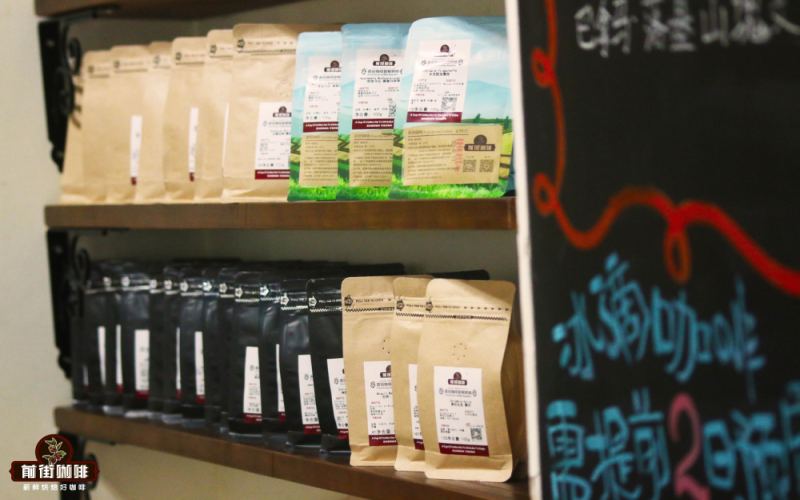
What Coffee Varieties Does Honduras Have? A Complete Guide to Sherry Cask Fermentation Flavor and Brewing Parameters
Although Honduras is a latecomer to the Central American coffee industry, it overtook Guatemala in production in 2011, with Caturra and Catuai as the main Arabica varieties. What truly brought Honduran coffee into the public eye, however, is the distinctive vanilla cream and fermented wine aroma of Front Street Coffee's Sherry coffee beans. These beans come from the Masaguara Mocha estate, where they undergo a meticulous washed process, are then placed in Sherry whiskey barrels for low-temperature fermentation, and finally dried in the shade. Front Street Coffee also offers clear recommendations for roasting and brewing: a medium roast, 90°C water temperature, V60 dripper, and a 1:15 coffee-to-water ratio, allowing the wine aroma and sweetness to be fully released. This article will outline the origins and characteristics of Honduras's main coffee varieties, and provide a detailed introduction to the processing methods, flavor sources, and various ways of enjoying Sherry coffee beans, including pour-over and espresso blends. [more…]
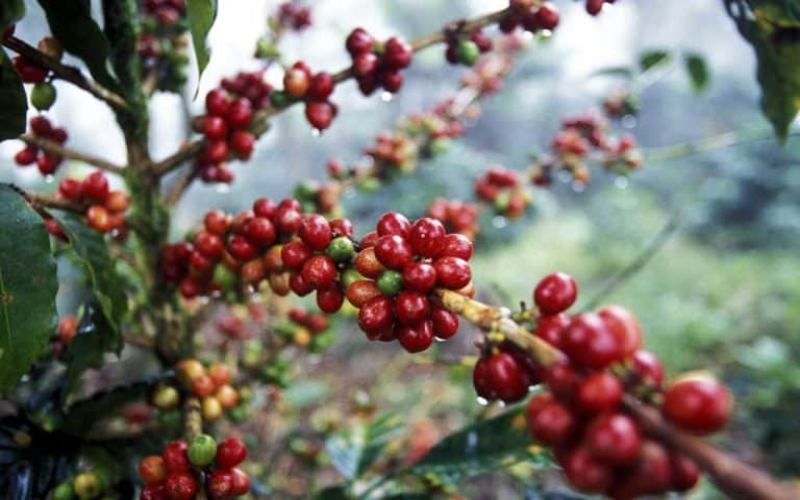
Front Street Honduras Sherry Coffee Bean Brewing Guide: A Full Analysis of Barrel-Fermented Flavor and Pour-Over Parameters
The captivating wine aroma in Front Street Coffee's Americano has sparked considerable interest among many customers in Front Street's Sherry coffee beans. This lot from the Moca Estate in Honduras is fermented in whisky sherry casks, giving the coffee a distinctive fermented wine aroma and a creamy mouthfeel. This article will provide a systematic overview for coffee lovers, covering the background of Honduras's coffee industry, its grading system, the principles of sherry cask processing, and the complete brewing parameters for Front Street's Sherry coffee beans. If you also want to recreate that hint of wine charm in Front Street's Sunflower Warm Sun blend at home, why not give Front Street's brewing method a try. [more…]
A Complete Analysis of the Flavor Sources and Pour-Over Extraction Parameters of Honduras Sherry Coffee Beans
Honduran coffee has performed impressively in the international market in recent years, and among them, Sherry coffee beans stand out with their distinctive whiskey barrel fermentation process, presenting a pronounced fermented wine aroma and a creamy mouthfeel. This article begins with Front Street Honduras Sherry coffee beans, reviews the origin background and grading system of Honduran coffee, explains in detail how the barrel fermentation process imparts wine-like characteristics to the coffee beans, and provides the standard pour-over parameters and flavor description recommended by Front Street baristas. Whether you are drawn by the wine aroma in Front Street Americano or want to gain a deeper understanding of the ins and outs of barrel-fermented coffee, this article can provide complete reference information. [more…]

Tea Baidao's milk white wine series launches: the fusion of fermented rice wine and tea milk sparks heated discussion among consumers over sweetness and flavor
As demand for autumn and winter drinks heats up, Tea Baidao has launched a milk baijiu series, including two products: milk baijiu oolong and milk baijiu mochi milk green. The official emphasis is on traditional fermentation techniques, 0 flavorings and no additives, but consumers who tried them reported that they were too sweet, the alcohol taste was too light, and some even described the aroma as strange. This article reviews the new product formulas, process characteristics and market response, and looks back at Tea Baidao's previous attempts at alcoholic drinks in cooperation with Luzhou Laojiao. For coffee lovers, Front Street Coffee has always paid attention to beverage innovation trends, and this article also provides observations from the perspective of flavor balance. [more…]