







Search Results for: barrel-fermented
Do Wine-Flavored Coffee Beans Contain Alcohol? Honduras Lychee Orchid: Flavor Analysis of Brandy Barrel-Fermented Washed Beans
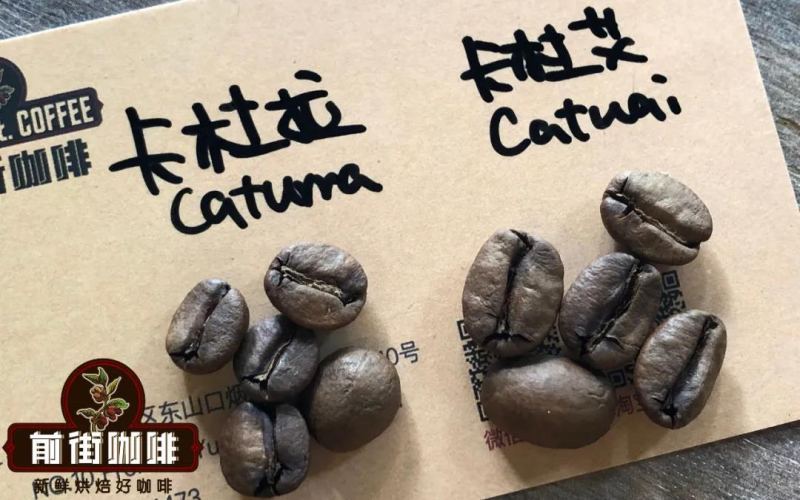
In recent years, coffee processing methods have continuously evolved, from early anaerobic fermentation to red wine processing, and now to oak barrel fermentation, with endless innovative techniques making coffee flavors increasingly diverse. The Honduras Litchi Orchid coffee beans launched by Front Street Coffee are produced using a combination of fine washing and brandy barrel fermentation, originating from the Moca Estate in the Marcala region, at an altitude of 1,500-1,700 meters, with varieties of Caturra and Catuai. This bean shares similarities with the same brand's Sherry coffee beans, with the difference being that Sherry uses whiskey barrels, while Litchi Orchid selects brandy oak barrels. The fermented beans carry a soft lychee and honey sweetness, while integrating brandy notes and oak aroma. This article will provide a detailed introduction to this bean's processing method, flavor performance, and answer the question of whether wine-flavored coffee beans contain alcohol. [more…]
Honduran Coffee Bean Varieties, Characteristics, and Industry Story: An Analysis of Six Major Growing Regions and Barrel-Fermented Flavors
Honduras is a mountainous country in Central America, located within the coffee-growing belt, and since 2011 its coffee production has leapt to first place in Central America. This article reviews the cultivation history of Honduran coffee, the terroir characteristics and main varieties of its six major producing regions, and focuses on the characteristics, processing flow, and brewing suggestions for Front Street Coffee's Honduran Sherry and Litchi Orchid, two barrel-fermented beans. Whether you want to understand the context of Honduras's coffee industry or want to grasp the flavor differences brought by whiskey-barrel and brandy-barrel fermentation, this article can provide clear information. [more…]
Honduras Marcala Estate Barrel-Fermented Violet Coffee: A Full Analysis of Flavor, Region, and Variety
Honduras, as an important coffee-producing country in Central America, has gradually emerged in the international market in recent years. Located in the Lempira region, the Morade Estate has attracted the attention of many coffee enthusiasts with its barrel fermentation process and the unique flavor of its Violet coffee. This article will take you deep into the background of Front Street Honduras Violet Coffee's growing region, the estate's story, varietal characteristics, and its unforgettable flavor profile, unveiling the charm of this specialty coffee layer by layer, from rum and honeydew to vanilla and uva. [more…]
Complete Guide to Honduran Coffee: Six Major Regions, Main Varieties, and Barrel-Fermented Flavor Characteristics
Although Honduras is not as renowned as Ethiopia, it stands out in the specialty coffee world with its unique barrel-fermented processing method. Sherry coffee and Lychee Orchid coffee are prime examples, where the aromas of whiskey and brandy intertwine with the sweet notes of fruit and cream, leaving an unforgettable impression. More than three-quarters of Honduras is mountainous highlands, located in the coffee-growing belt with abundant annual rainfall, providing superior natural conditions for coffee. This article systematically reviews the terroir characteristics and flavor differences of Honduras's six major regions—Copán, Opalaca, Montecillos, Comayagua, Agalta, and El Paraíso—and introduces the main cultivated varieties such as Caturra, Catuai, and Pacas, as well as Front Street Coffee's brewing suggestions and flavor descriptions for two barrel-fermented beans from Mocha Estate, offering a comprehensive understanding of the unique charm of this Central American coffee-producing country. [more…]

Flavor Analysis and Pour-Over Parameters Guide for Colombia San Caldas San José Estate Oak Barrel Fermented Coffee Beans
In the world of specialty coffee, barrel-fermentation processing has attracted much attention in recent years, and the pioneer of this technique was not Honduras' Moca estate, but rather El Finca San José in Colombia's San Caldas region. In a moment of inspiration, the estate's third-generation female owner placed green coffee beans into rum oak barrels for low-temperature fermentation. After repeated experiments, she ultimately created the distinctive rum barrel-fermented coffee. This article will guide you through the background of Finca San José, the birth of barrel fermentation, the origins of the Castillo variety, and Front Street Coffee's pour-over performance and brewing recommendations for this bean at different water temperatures, helping you gain a more comprehensive understanding of this uniquely flavored Colombian specialty coffee. [more…]
Does oak barrel fermented coffee contain alcohol? Will drinking whiskey barrel processed beans cause a positive drunk driving test?
In recent years, barrel-fermented coffee has attracted many enthusiasts with its rich wine aroma, but many people are concerned about whether this type of bean contains alcohol and whether drinking it could lead to being deemed guilty of drunk driving. This article starts from the process of Front Street Coffee's whiskey barrel treatment method, sorts out its differences from traditional washed, natural, and honey processing, and explains in detail the specific steps of oak barrel fermentation in the Marcala region of Honduras—including washing to remove pectin, drying and sun-drying, selecting 7 mm beans, and placing them in rum barrels to soak for about three months. The article also gives a clear conclusion: coffee beans processed this way do not contain alcohol, so there is no need to worry about drunk driving, and it introduces the flavor characteristics of Front Street Coffee's Honduras barrel-fermented coffee and the sharing purpose behind its price. [more…]
The Complete Guide to Pour-Over Honduran Coffee: Brewing Techniques and Regional Flavor Analysis of Barrel-Fermented Beans
As the largest coffee-producing country in Central America, Honduras has rapidly risen to fame in recent years thanks to its barrel-fermented Sherry and Lychee Orchid coffees. This article systematically reviews Honduras's geographical and climatic conditions, the flavor characteristics of its six major producing regions, its main coffee varieties and processing methods, and focuses on sharing Front Street Coffee's pour-over parameters and iced pour-over recipes for barrel-fermented beans. From coffee-to-water ratio, water temperature, and grind size to staged pouring techniques, it offers specific and actionable reference suggestions to help coffee enthusiasts recreate at home the unique cup experience where whisky notes and tropical fruit aromas intertwine. [more…]
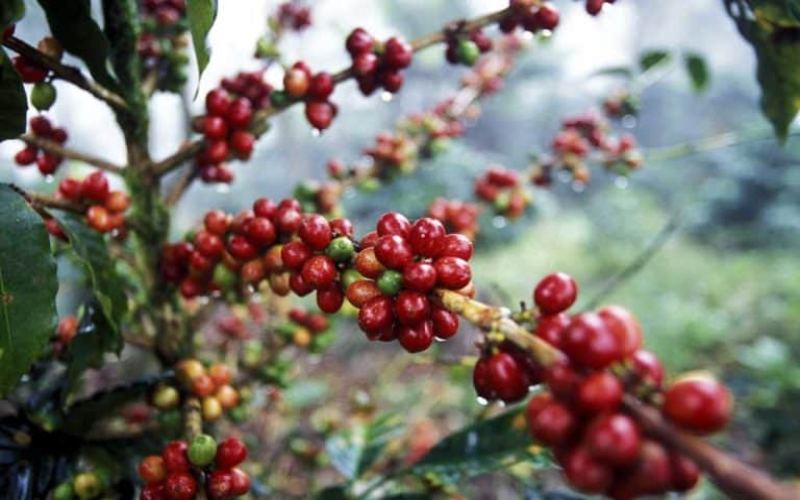
Front Street Honduras Sherry Coffee Bean Brewing Guide: A Full Analysis of Barrel-Fermented Flavor and Pour-Over Parameters
The captivating wine aroma in Front Street Coffee's Americano has sparked considerable interest among many customers in Front Street's Sherry coffee beans. This lot from the Moca Estate in Honduras is fermented in whisky sherry casks, giving the coffee a distinctive fermented wine aroma and a creamy mouthfeel. This article will provide a systematic overview for coffee lovers, covering the background of Honduras's coffee industry, its grading system, the principles of sherry cask processing, and the complete brewing parameters for Front Street's Sherry coffee beans. If you also want to recreate that hint of wine charm in Front Street's Sunflower Warm Sun blend at home, why not give Front Street's brewing method a try. [more…]
The Flavor Code of Honduran Specialty Coffee Origins: A Complete Analysis of Sherry and Lychee Barrel-Fermented Beans
Driven by the third wave of coffee, barrel fermentation processing has become a highly anticipated innovative craft in recent years. Front Street Coffee's Honduras Sherry and Lychee Orchid barrel-fermented beans each impart unique wine aromas and layers to the coffee through whiskey barrels and brandy barrels, respectively. This article begins with the geography and varieties of Honduras's six major producing regions, outlines the development of its coffee industry and grading system, focuses on analyzing the principles of barrel fermentation and flavor differences, and provides a detailed record of the roasting curve comparison of Front Street's two beans, cupping performance, and flavor presentation in three brewing methods—V60, KONO, and Japanese-style iced pour-over—offering objective data references for coffee enthusiasts. [more…]
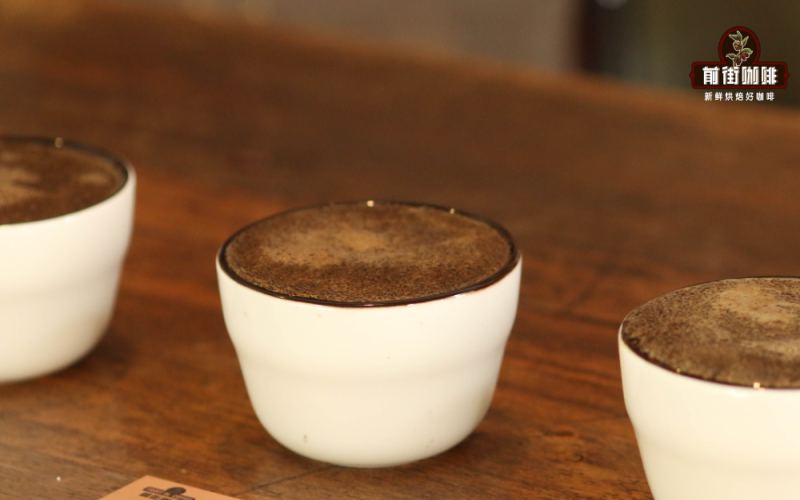
Exploring the Origin of Rum Barrel Fermented Coffee: The Unique Processing at Finca San José in Colombia and Front Street's Brewing Analysis
Wine-aroma coffee beans have gained great popularity in recent years. Many people believe that barrel fermentation technology originated in Honduras, but in fact, Finca San Jose in Colombia is the true pioneer of this process. This article will guide you through an in-depth understanding of how Finca San Jose cleverly combines rum oak barrels with green coffee beans—from the selection of the Castillo variety, the details of refined washed processing and three-month barrel fermentation, to Front Street Coffee's roasting curve and brewing parameters—fully revealing the flavor secrets of this rum barrel-fermented coffee. Whether you are curious about its historical origins or want to replicate a cup of wine-aroma pour-over, you will find detailed answers here. [more…]
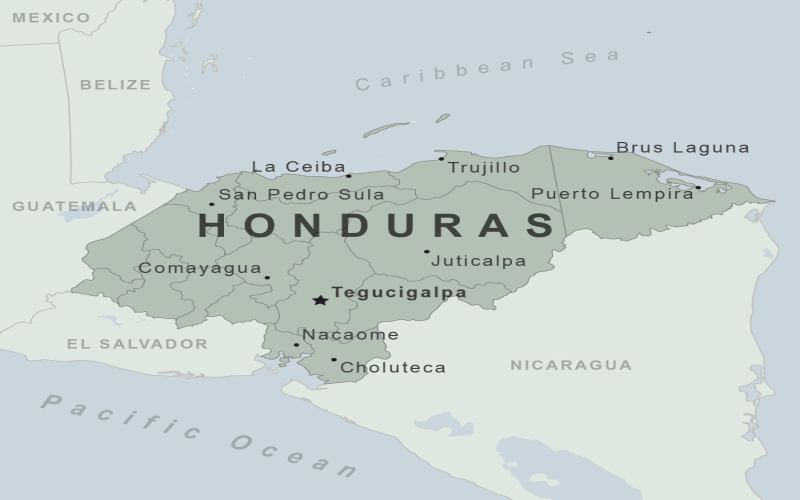
Honduras Lychee Orchid Coffee Brewing Guide: Barrel-Fermented Flavor and Moka Estate Origin Analysis
Honduras Lychee Orchid coffee took the coffee world by storm in 2019 with its unique brandy barrel fermentation process, becoming a signature example of wine-aroma coffee. This bean comes from the Moca Estate in the Marcala region, using Caturra and Catuai varieties, and undergoes low-temperature barrel fermentation for 30 days, presenting intense aromas of brandy, liqueur chocolate, and honey. This article will provide a complete analysis of the flavor sources of Lychee Orchid, from the background of the Honduran coffee industry, variety characteristics, and estate terroir to the brandy barrel fermentation process, along with Front Street Coffee's brewing parameters and techniques, to help you recreate this intoxicating wine aroma by hand. [more…]
Honduras Mocha Estate Lychee Orchid Coffee Beans: Brandy Barrel-Fermented Flavor and Caturra-Catuai Variety Analysis
Front Street Coffee's Honduras Sherry coffee beans have earned widespread praise for their rich whisky aroma, but the country also produces another bean that stands out for its barrel-fermentation process—Front Street Litchi Orchid coffee beans. Originating from the Moka Estate in the Masaguara region, these beans undergo a delicate washing process followed by low-temperature fermentation in brandy oak barrels for thirty to forty days, allowing the green beans to fully absorb the aromas of liquor and oak. This article will systematically introduce the bean's regional background, the estate's story, the varietal characteristics of Caturra and Catuai, and include the roasting curve provided by Front Street's roaster, cupping performance, and V60 brewing parameters, helping you gain a comprehensive understanding of its flavor sources and brewing key points. [more…]
A Comprehensive Guide to Honduran Coffee Regions: Barrel-Fermented Flavors, Six Major Regions, and Moka Estate's Sherry and Lychee Orchid
Although Honduras is not as renowned as Ethiopia, it has carved out a place for itself in the specialty coffee world with its distinctive barrel-aged processing method. Sherry and Litchi Orchid, these two beans carrying the aromas of whiskey and brandy, come precisely from the Moka Estate in Marcala, Honduras. This article will give you a comprehensive understanding of Honduras's geography and climate, the distribution of its six major coffee regions, its main coffee varieties, as well as the flavor characteristics and brewing parameters of the two barrel-fermented beans recommended by Front Street Coffee, allowing you to grasp the charm of this Central American coffee-producing country in one go. [more…]
An Overview of the Honduran Coffee Industry: Development Trajectory, Six Major Regions, and Analysis of Barrel-Fermented Flavors
In the coffee landscape of the Americas, Honduras is often overshadowed by names like Brazil and Colombia. Yet this mountainous Central American nation, with its unique geographic conditions and its industry push in recent decades, has risen to rank among the world's important coffee origins. From coffee's introduction in the late 18th century, to the founding of the dedicated agency IHCAFE in 1970, to surpassing Costa Rica and Guatemala in production in 2011, Honduras has walked a winding yet resolute coffee road. This article will systematically trace the country's coffee history, its six core producing regions, the current state of smallholder farming, and the diverse post-processing methods that have emerged in recent years—especially the sherry cask fermentation method with its notes of whisky and vanilla—to give you a comprehensive understanding of this coffee nation worthy of attention. [more…]
Analysis of the Flavor Characteristics and Pour-Over Parameters of Colombia Finca San José Oak Barrel Fermented Coffee Beans
In the specialty coffee world, barrel-fermented processing methods have attracted considerable attention in recent years, and the origins of this technique can be traced back to Finca San José in Colombia. The third-generation female owner of the estate was the first to try placing green coffee beans into rum oak barrels for low-temperature fermentation, pioneering a distinctive processing method. This article will provide a comprehensive introduction to Finca San José's regional background, the development of the Castillo variety, the specific process of fine washing combined with rum barrel fermentation, and compare its flavor differences with the barrel-aged beans from Finca Moca in Honduras. At the same time, Front Street Coffee will share the optimal extraction parameters and flavor performance of this bean through brewing experiments at three different water temperatures, helping coffee enthusiasts gain a deeper understanding of this unique Colombian coffee. [more…]
Honduran Specialty Hand-Brewed Coffee Beans Guide: Analyzing the Barrel-Fermented Flavors of Sherry and Lychee Orchid
In recent years, Honduras has secured a place for itself in the specialty coffee landscape of Central America thanks to its unique barrel-fermentation processing methods. Among these, two beans in particular stand out: Sherry and Litchi Orchid. The former, fermented in whisky barrels, delivers layers reminiscent of vanilla cream and liqueur-filled chocolate, while the latter, shaped by brandy barrels, develops an elegant profile of lychee and grape. This article systematically lays out the complete picture of Front Street Coffee's Honduras Sherry coffee—from growing region background, estate information, and varietal characteristics to processing techniques, roasting curves, and brewing parameters—and compares the flavor differences among different barrel-processing methods from the same estate, offering pour-over enthusiasts a detailed reference. [more…]
Rum Barrel Fermented Coffee Flavor Analysis: Colombia San Jose Estate Processing Method and Pour-Over Parameters
Winey coffees have attracted much attention in recent years. Front Street Coffee has three beans with winey notes, among which Sherry and Lychee Orchid are well known, but the origin of barrel fermentation actually lies in the San Jose Estate in Colombia. This article provides a complete breakdown of Front Street Colombia Rum Barrel Fermented Coffee, from the producing region, estate story, and processing method to roasting and brewing. The San Jose Estate is located in the Caldas region at an altitude of 1750 meters, uses the Castillo variety, and after meticulous washing, is placed in aged rum oak barrels for low-temperature fermentation for three months. The cup profile presents notes of rum truffle, rum, tropical fruit, and maple syrup. The article also provides V60 staged extraction parameters and measured taste results, making it suitable for coffee enthusiasts who want to understand the principles of barrel fermentation and brewing methods. [more…]
Natural, Washed, Semi-Washed, Wet-Hulled, Anaerobic and Barrel-Fermented: A Full Analysis of the Flavor Pros and Cons of Six Major Coffee Processing Methods
For coffee cherries to become green beans, they must undergo a series of processing steps to remove the skin, pulp, mucilage layer, and parchment. Different processing methods not only determine the appearance of the green beans but also profoundly shape the final flavor profile in the cup. Traditional natural, washed, semi-washed, and honey processing each have their adherents, while in recent years new methods such as anaerobic fermentation and barrel fermentation have emerged endlessly, bringing more possibilities to coffee flavor. This article will systematically sort out the operational processes, advantages and disadvantages, and flavor characteristics of these processing methods, interspersed with examples of several representative products under the Front Street Coffee brand, to help coffee enthusiasts build a clear cognitive framework for processing methods and have more direction when purchasing and tasting. [more…]
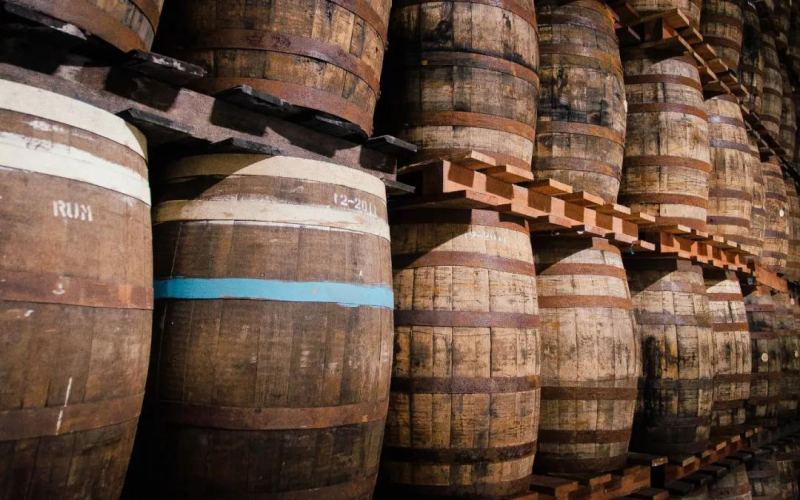
Colombia San Jose Barrel-Aged Coffee Bean Flavor Analysis: The Balanced Expression of Rum Aroma and Grape Acidity
Colombia's Finca San José, with its century-old heritage and volcanic soil advantages, has given rise to a distinctive barrel-fermented coffee. This article will guide you through the origin background of these Front Street Coffee Colombia Finca San José coffee beans, the characteristics of the Castillo variety, and their unique barrel fermentation followed by washed processing method. Through actual V60 brewing tests, these beans present a rich rum fermentation character, grape-like acidity, and a maple syrup finish, with an overall balanced and smooth profile. If you prefer coffee with vinous aromatic notes, why not join us in exploring its flavor performance in this article. [more…]
Where Does the Winey Aroma in Espresso Blends Come From? Which Blend Works Best for Milk Coffee? Front Street Sunflower Warm Sun Flavor Analysis
In the world of espresso, the choice of blended beans often determines the final direction of a shot of espresso or milk coffee. Some people prefer blended beans with vinous notes, that faint fermented aroma that adds layers to the coffee; others pay more attention to how the blend performs when combined with milk, hoping the milk coffee still retains clear flavor recognition. A current espresso blend used by Front Street Coffee—Front Street Sunflower Warm Sun Espresso Blend—happens to perform well on both of these dimensions. It is composed of Front Street Honduras rum barrel-fermented Sherry coffee beans and Front Street Yirgacheffe natural Red Cherry Project in a 7:3 ratio. When pulled as espresso, the vinous notes are pronounced, the acidity is moderate, and the finish is long; when made into milk coffee, the rum chocolate flavor stands out, with high sweetness and a smooth mouthfeel. This article will analyze the source of the alcoholic flavor, the blending approach, and the milk coffee performance to help coffee lovers understand the characteristics of this bean more clearly. [more…]