







Search Results for: fermentation and storage
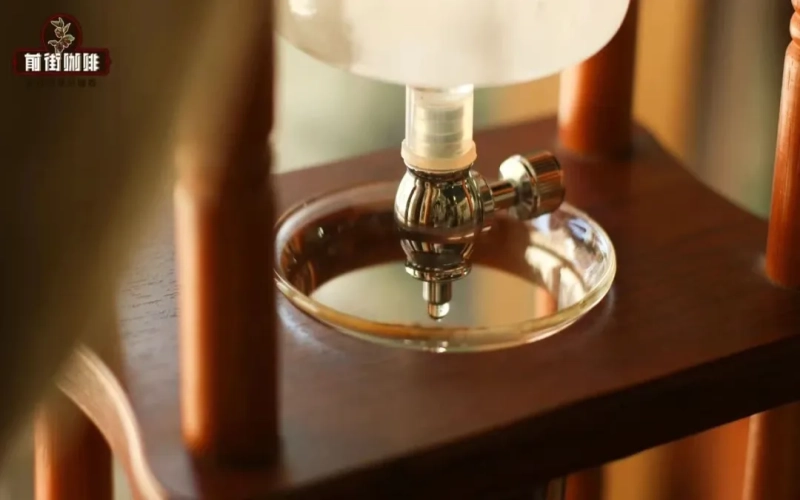
Detailed Guide to Cold Brew Coffee Storage Time and Differences from Cold Extraction: Brewing Ratios, Flavor Changes, and Optimal Drinking Period
Why can't you drink ice drip coffee immediately after it's made? What exactly is the difference between it and cold brew? This article provides a detailed explanation of ice drip coffee's shelf life, the principles of flavor maturation, and its brewing parameters and ratios. Freshly dripped ice drip coffee has a flat flavor and needs to be sealed and refrigerated for more than 8 hours to mature before it can present a mellow, silky mouthfeel and its signature wine-like aroma. It can be kept refrigerated for 3 to 5 days, but after more than three days the fermented taste becomes noticeably stronger, so Front Street sets the optimal drinking period at 3 days. The article also includes the ratio parameters for making ice drip, helping you fully master this coffee that requires patient waiting. [more…]
What Is the Difference Between Ice Drip and Cold Brew Coffee? A Detailed Guide to the Ice-Brewed Coffee Process and Storage Tips
Ice drip coffee and cold brew coffee are often confused with each other—what exactly is the difference between the two? This article provides a comprehensive breakdown of the differences between ice-brewed coffee and cold brew coffee, covering extraction principles, equipment selection, brewing steps, and coffee bean recommendations. It details how beans such as Front Street Strawberry Candy, Huakui, and Flower Butterfly perform in ice drip brewing, and includes a complete ice drip procedure along with storage suggestions. Whether you prefer floral notes or fermented wine-like aromas, you'll find an iced coffee solution that suits you, while also learning about the respective flavor windows and storage key points for ice drip and cold brew. [more…]
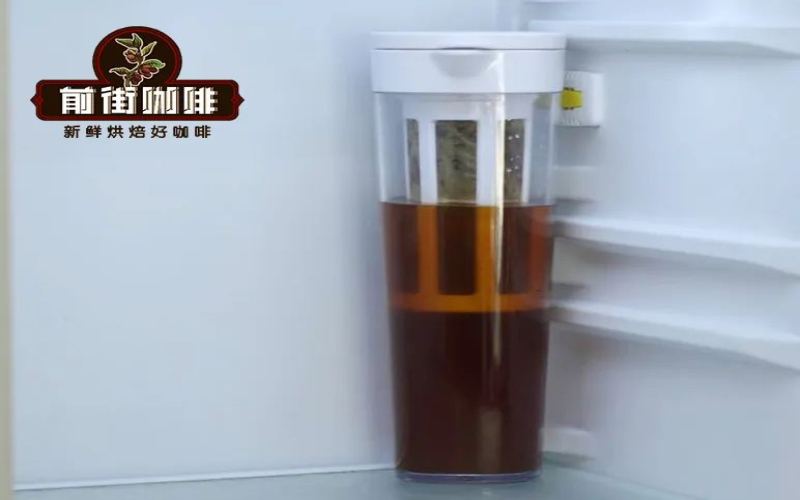
A Complete Guide to Iced Pour-Over, Cold Brew, and Cold Drip Coffee: Brewing Techniques and Storage Times
After the summer solstice, iced coffee becomes the focus of discussion among coffee enthusiasts. Drawing on community opinions, this article systematically organizes the key techniques for making three types of iced coffee: iced pour-over, cold brew, and ice drip. The content covers calculating coffee-to-water ratios, grind size recommendations, adjusting ice quantity, and the optimal drinking window and storage limits for cold brew and ice drip. Front Street also provides specific parameter references for each type of coffee to help you make iced coffee with clear flavor and a full body at home. [more…]
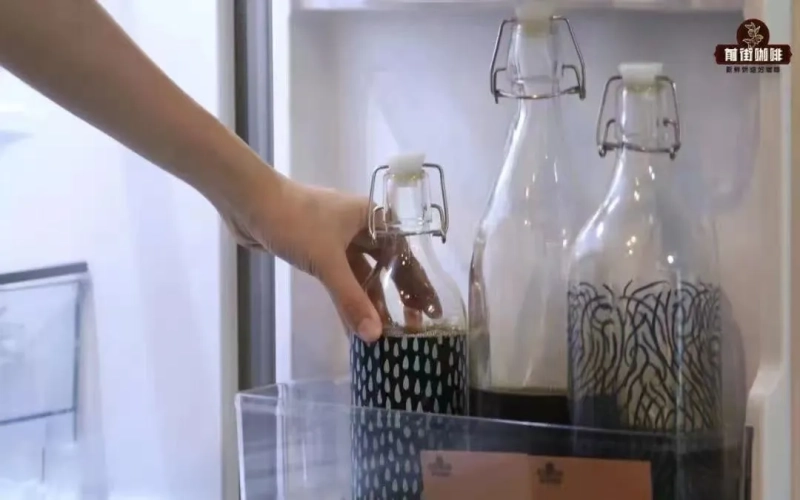
Cold Brew Coffee Shelf Life Fully Explained: How Long Is Best to Finish It Under Refrigeration and Sealed Storage?
More and more people are making cold brew coffee in the summer—brewing a big batch at once and keeping it in the fridge to drink slowly is indeed convenient. But problems come along with it: how many days can this batch of cold brew actually last? When does the flavor start to decline? When might it spoil? Front Street Coffee, drawing on hands-on testing experience, lays out clearly the shelf life of cold brew coffee, the optimal drinking window, the impact of how often it's opened, and the special precautions when using warm water to speed up extraction—helping you both enjoy good flavor and hold the safety line. [more…]
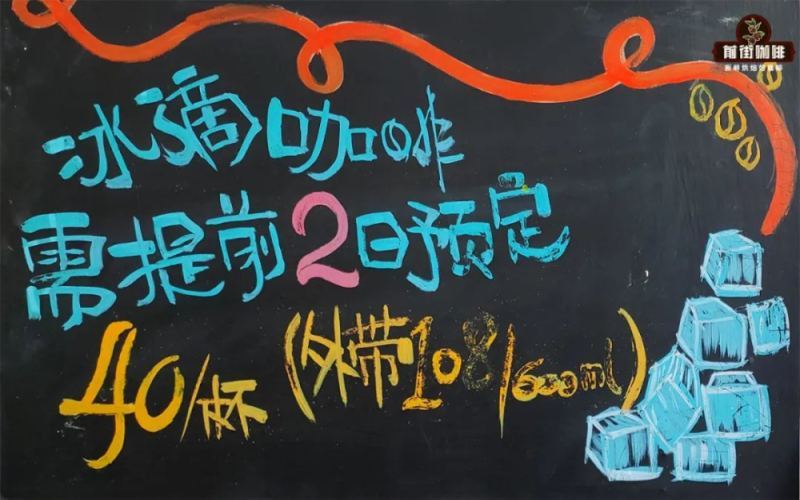
Ice Drip Coffee Fermentation Duration and Cold Brew Optimal Drinking Window: Production Key Points and Storage Recommendations
Cold brew coffee takes a long time to make, so it is often available only in limited quantities at cafés. It originated in Europe and is said to have been invented by the Dutch, which is why it is also called Dutch Coffee. During preparation, ice water seeps through the coffee grounds by dripping naturally, eventually flowing drop by drop into the lower pot, so it is also known as water-drip coffee, and the whole process usually takes more than 8 hours. This article will introduce the steps for making cold brew coffee in detail, including the key aspects of the coffee-to-water-to-ice ratio, grind size selection, filter paper placement, and drip rate control, while also answering common questions about cold brew coffee fermentation time and the best drinking period. The article also uses Front Street Strawberry Candy coffee beans as an example for a practical demonstration and explains the effect of low-temperature refrigeration "aging" on flavor, as well as why it is recommended to drink it within 5 days. [more…]
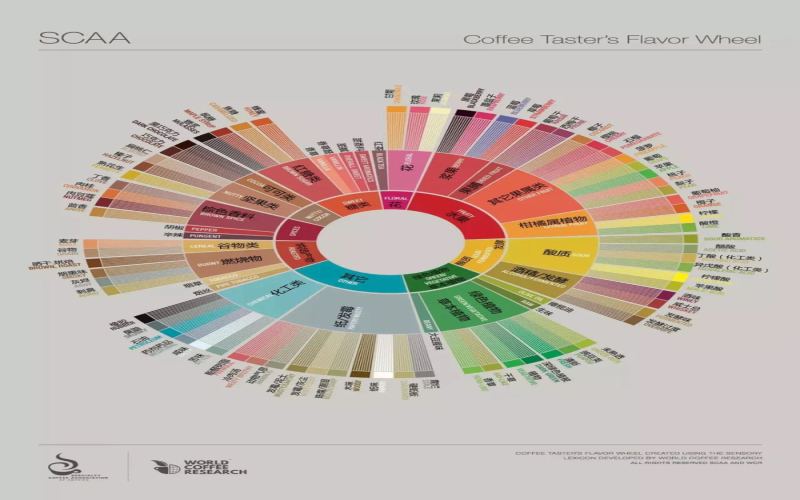
SCAA Coffee Flavor Wheel Full Analysis: Sensory Classification from Fermentation to Roasting and the Defect Deduction Mechanism
The SCAA Coffee Flavor Wheel is a core tool for specialty coffee enthusiasts to identify flavors, yet many people are still unfamiliar with it. This article systematically breaks down the left-right structure of the flavor wheel: the right side, the normal flavor spectrum, reveals the three major aroma sources of fermentation, sugar browning, and dry distillation, while the left side, the negative flavor spectrum, corresponds to the defective flavors produced by improper green bean processing, storage, and roasting. It also explains in detail the deduction rules for different defects in SCAA cupping—serious defects deduct 4 points, minor defects deduct 2 points—and how roasting and organic matter loss, although not deducting defect points, can lower flavor performance. The article includes the latest high-definition Chinese-English flavor wheel images and retains Front Street Coffee's communication channels, making it suitable for readers who want to gain a deeper understanding of coffee sensory evaluation. [more…]
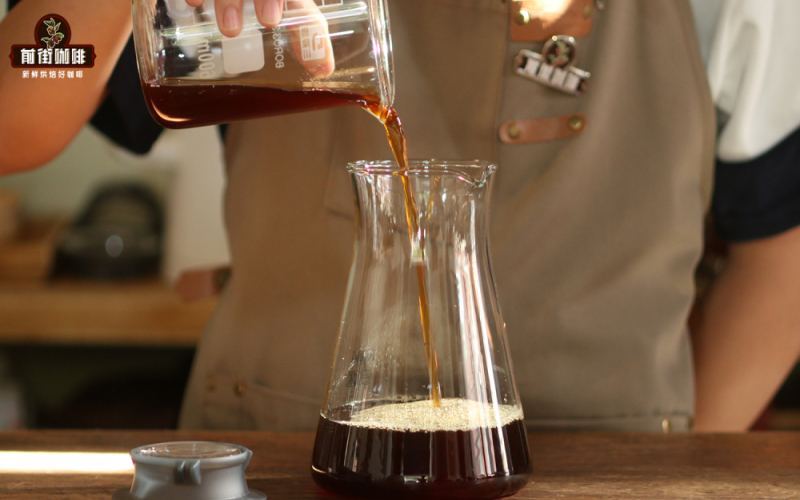
Analysis of Ice Drip and Cold Brew Coffee Storage Time in the Refrigerator: Why the Flavor Is Better After 12 Hours of Chilling
In recent years, more and more coffee enthusiasts have begun trying their hand at making cold brew and ice drip coffee at home, and the ice drip coffee produced by Front Street Coffee is often in short supply. Many friends are concerned about: how long can this kind of low-temperature extracted iced coffee be kept after being placed in the refrigerator? Why does ice drip coffee actually taste better after 12 hours of refrigeration? This article will focus on the principles of low-temperature extraction, equipment selection, coffee bean recommendations, and the flavor evolution during refrigeration, systematically answering the shelf life and optimal drinking time of iced coffee, helping you both enjoy great taste and ensure safety. [more…]
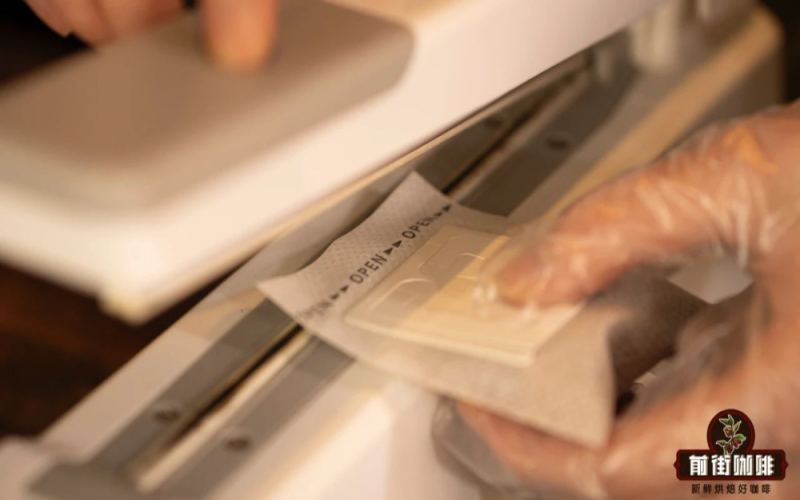
The Complete Guide to Drip Bag Coffee Brewing and Storage: Best Flavor Window, Common Mistakes, and Front Street's Multi-Flavor Selection
Drip bag coffee, with its combination of convenience and flavor, has become the daily first choice for many coffee lovers. But how should it be brewed to release the best taste? What is the difference between the shelf life and the best-tasting period? Can it still be drunk after more than a month? This article will start from the four flavor types—floral, fruity, fermented, and full-bodied—recommend a number of representative drip bag products under Front Street Coffee, and analyze in detail the storage points, common misunderstandings, and standard brewing process for drip bag coffee. Whether you are a beginner just starting out or a veteran pursuing layered flavors, you can find practical advice and product selection references here. [more…]
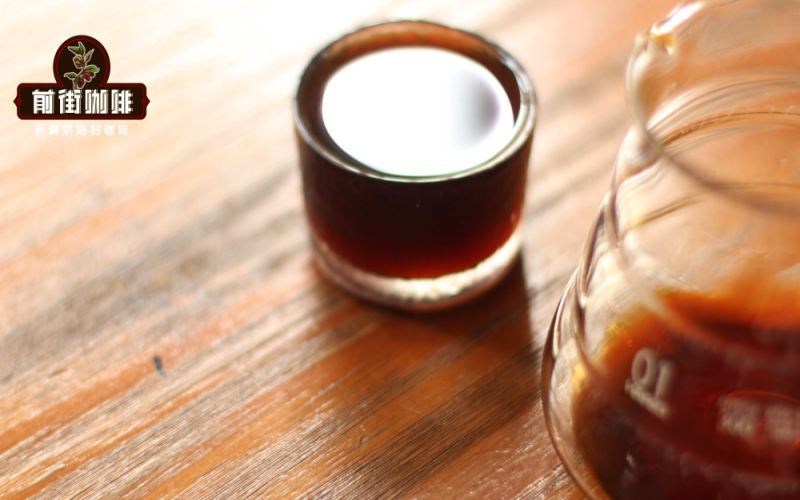
Complete Guide to Bean Selection and Brewing for Cold Brew Coffee: Coffee-to-Water Ratio, Refrigerated Fermentation Time, and Storage Tips
Cold brew coffee, with its refreshing taste and rich aroma brought by low-temperature extraction, has become increasingly popular among coffee lovers in recent years. But which beans should you use, how do you set the coffee-to-water ratio, why must it be refrigerated for more than 8 hours after brewing, and how long can it be stored? This article addresses these frequently asked questions, drawing on the practical experience of Front Street Coffee, and breaks down the key points of making cold brew coffee one by one—from bean selection ideas and classic blend recipes to the complete steps for using a Tiamo cold brew tower—to help you make a cup of cold brew coffee that is full of aroma and smooth on the palate. [more…]

Does cold brew coffee need to be sealed for storage? Where does the fermented wine aroma come from? A complete guide to making fruity cold brew coffee
Cold brew coffee, with its refreshingly smooth texture and complex, layered flavors, has become a favorite among coffee lovers in summer. But when it comes to making and storing cold brew, many people still have questions: Does it need to be sealed after extraction is complete? Why does it give off a fermented aroma reminiscent of wine after sitting in the refrigerator overnight? Starting from the principles of low-temperature extraction, this article will analyze the oxidation process of cold brew coffee and the necessity of sealed fermentation, and share Front Street Coffee's cold brew parameters, detailed steps, and how to create a fruit-forward cold brew recipe through a two-bean blend, helping you make a cup of cold brew with full flavor and a pronounced sweet aftertaste. [more…]
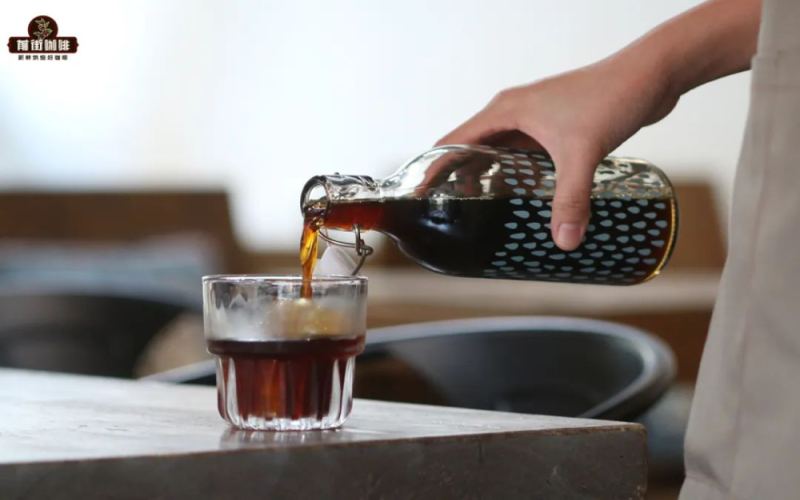
How can the flavor of cold brew coffee be described accurately? A full analysis of its mellow, neither sour nor astringent taste, plus brewing and storage
The reason ice drip coffee is favored by so many enthusiasts lies in its smooth entry, rich and full body, balanced acidity and sweetness without bitterness or astringency. If coffee beans with fermented notes are chosen, it can also present a rich aroma similar to chilled fruit wine. Starting from the production standards of Front Street stores, this article fully sorts out the ice drip coffee making process, including equipment selection, grind size control, dripping flow rate and coffee-to-water ratio, and further explains the key role of cold brew fermentation in enhancing flavor, as well as the tasting period and bean pairing suggestions. Whether you are a beginner who has just gotten an ice drip pot or an advanced player who wants to refine the flavor, you can find practical operational points and bases for flavor judgment here. [more…]
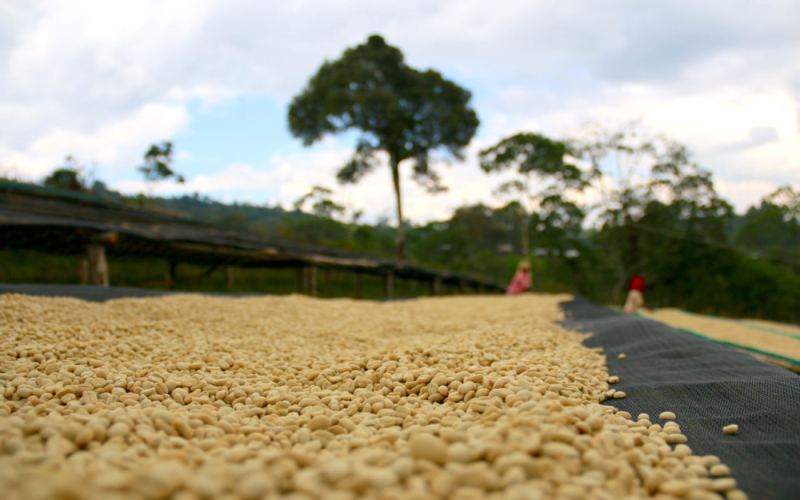
Yirgacheffe Single-Origin Bean Grading and Flavor Analysis, with Cold Brew Coffee Making Methods and Storage Tips
Yirgacheffe is one of Ethiopia's most representative high-altitude coffee-producing regions, and its unique flavor profile has earned it great fame in the coffee world. This article will begin with Yirgacheffe's regional background, the characteristics of its micro-regions, and the flavor differences among several representative Yirgacheffe coffees offered by the Front Street brand, helping coffee lovers make a choice based on their personal taste. At the same time, the article will also provide a detailed introduction to the cold brew coffee-making process, the key points for controlling grind size, and the optimal drinking and storage times for cold brew coffee, so that you can easily make a full-bodied, richly layered iced coffee at home. [more…]

When Buying Beginner Pour-Over Beans, Check the Roast Date: Master the Peak-Flavor Window and Sealed Storage Tips
Freshly roasted coffee beans have accumulated a large amount of carbon dioxide inside, and at this point the bean structure is tight and the aromatic compounds have not yet fully unfurled. If brewed immediately after roasting, the violently released gas can easily prevent hot water from evenly penetrating the coffee grounds, often making the extracted coffee taste thin or sour. Give the coffee beans a [more…]
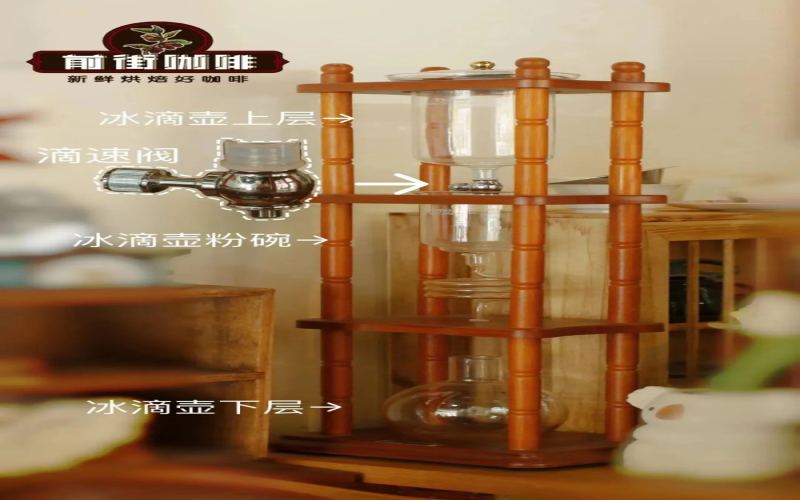
Cold Brew Drip Coffee Maker Practical Guide: From Extraction Principles to Coffee Bean Selection and Refrigeration Storage Tips
With its pure, smooth taste and unique fermented aroma, cold drip coffee has become a highly favored coffee beverage in summer. Starting from the hands-on practice at Front Street Coffee's stores, this article systematically sorts out the differences between cold drip and cold brew, the assembly structure of a cold drip tower, and the methods for setting grind size and drip rate. It also recommends three coffee beans suitable for making cold drip, and finally explains the optimal refrigeration period and flavor change patterns of cold drip coffee, helping enthusiasts recreate a cup of richly layered cold drip coffee at home. [more…]
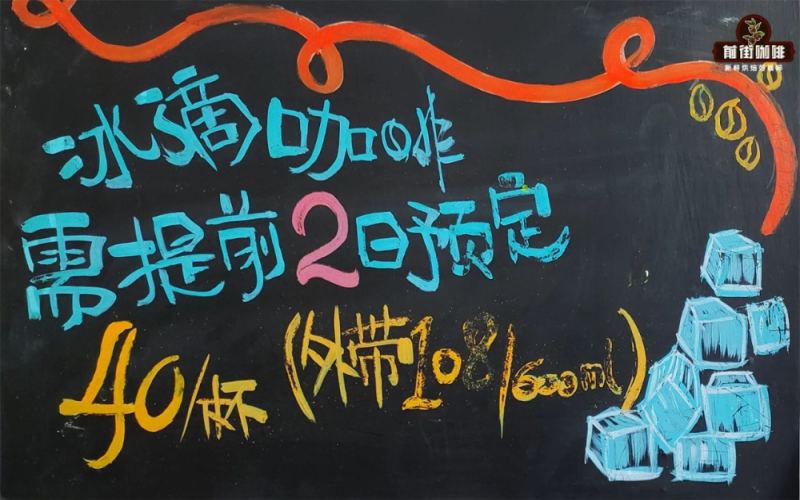
Low-Temperature Slow Extraction for Eight Hours: Flavor Advantages, Storage Tips, and Bean Selection Advice for Cold Brew Coffee
Cold brew coffee, with its low-temperature slow-drip extraction method, shows unique advantages in taste and shelf life. It not only avoids the bitterness caused by high temperatures, but also achieves a rich, layered, aromatic flavor through prolonged refrigeration and fermentation. However, making a pot of cold brew takes 6 to 8 hours, and the amount of grounds used is higher than for regular iced coffee, so the price is relatively higher. Why exactly is cold brew coffee sweet and smooth? How long can it be stored? And what beans should be chosen to make it? This article will start from Front Street Coffee's production experience to answer these questions one by one, and recommend the dark-roasted Golden Mandheling, which is suitable for making rich cold brew. [more…]
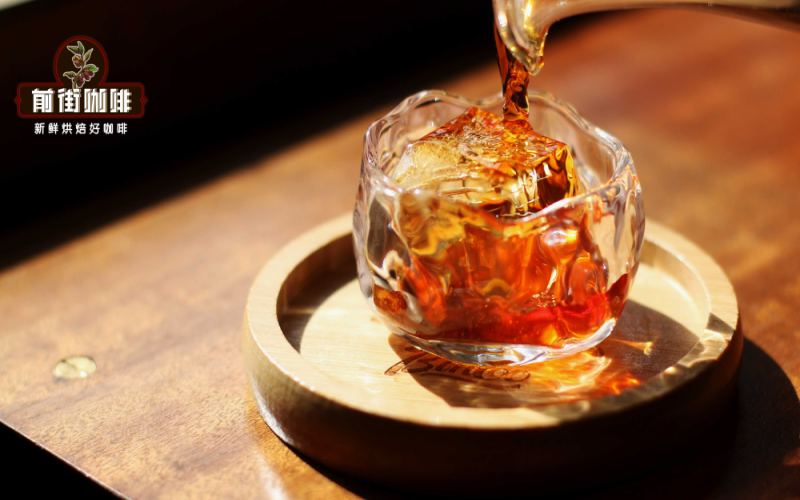
A Detailed Guide to Cold Brew Coffee Grounds-to-Water Ratio: From Extraction Principles to Post-Filtration Storage Time and Bean Selection
After the arrival of autumn, the midday heat in the south lingers on. In dry weather, drinking pour-over coffee easily makes the throat feel tight, so ice-cold, smooth cold brew coffee has become the first choice for many people. This article focuses on the key points of making cold brew coffee. It first explains what low-temperature extraction is and its flavor characteristics, then gives Front Street Coffee’s commonly used coffee-to-water ratio recommendations—1:13 for drinking straight, and a stronger 1:10 if used for making specialty drinks. Next, using 30 grams of beans as an example, it fully demonstrates grind size, ice water ratio, steeping time, and filtering method, and answers how long it can be stored after filtering: the best drinking period is 2 to 3 days, and it is recommended not to exceed 7 days. Finally, based on roast level and flavor profile, it recommends a number of Front Street Coffee bean options suitable for cold brew, helping you make a clean, full-bodied cup at home. [more…]
How Long Can Cold Brew Coffee Be Stored Without Its Flavor Deteriorating? A Detailed Guide to Ice-Drip and Cold-Brew Methods and Storage Times
On a sweltering summer day, a glass of iced coffee instantly refreshes the senses. As a key member of the iced coffee family, cold brew coffee actually splits into two distinctly different methods—ice drip and cold steep—each with its own flavor profile and level of difficulty. This article covers the history of cold brew coffee, the complete steps for both brewing methods, coffee-to-water ratios and grind parameters, and the shelf life and flavor development patterns that everyone cares about most. Front Street Coffee has also recommended a range of specialty beans suited to low-temperature extraction—including Sherry, Fruit Ding Ding, and Huakui—to match different taste preferences, helping you easily make a cup of cold brew coffee to your liking at home. [more…]
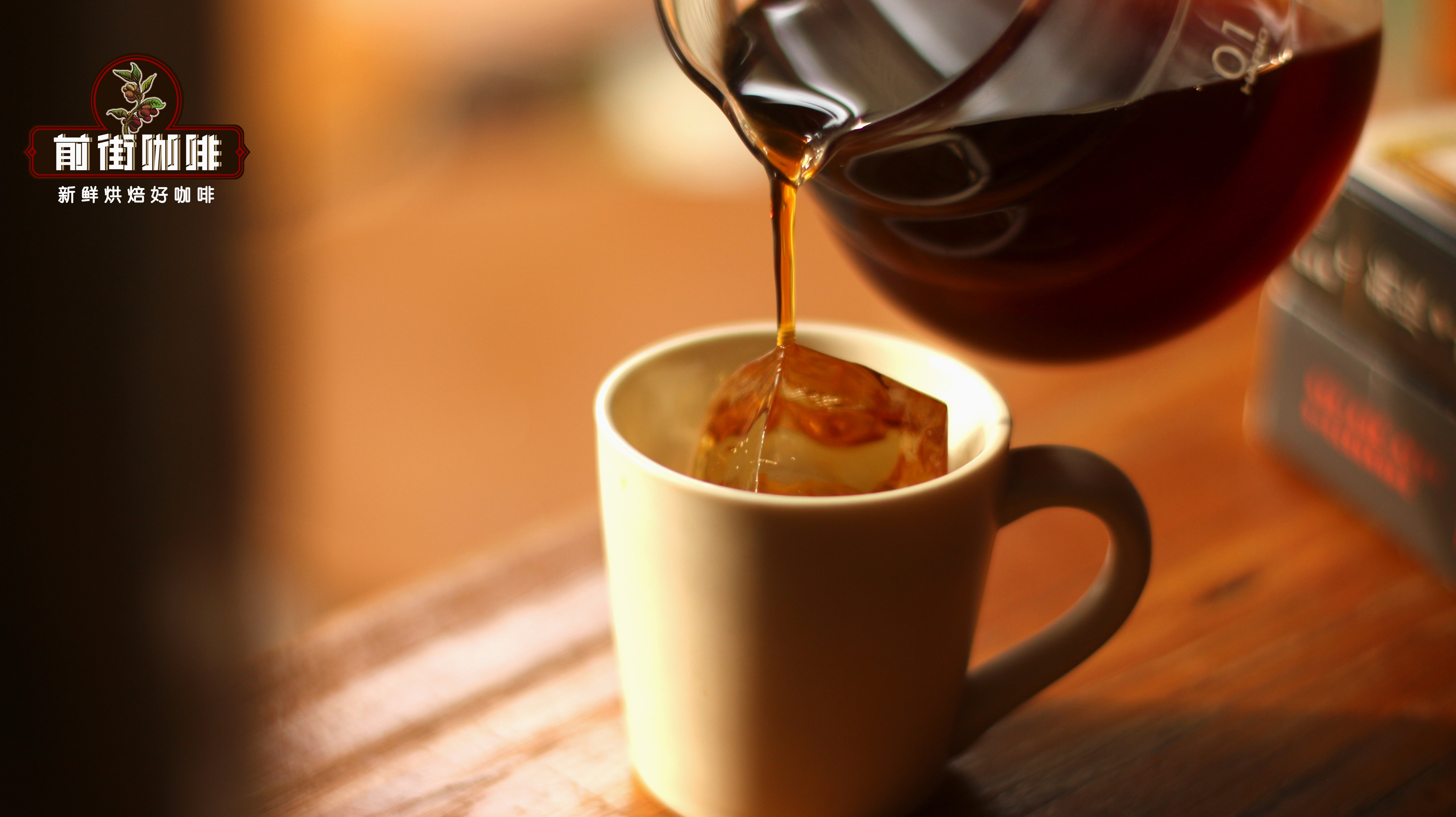
The historical origins and flavor characteristics of cold brew coffee, and a complete method for making cold brew at home
On a summer morning, a glass of ice-cold, smooth cold brew is often the key to starting a perfect day. How does cold brew differ from hot coffee in flavor? Its history can be traced back to the maritime experiments of Dutch sailors in the seventeenth century, and it later spread to Japan, where the ice drip pot was developed. Cold brew, through long low-temperature immersion, reduces bitterness and astringency, and more faithfully presents the coffee bean's processing method and roast level. This article will guide you through the taste characteristics of cold brew, key storage points, and teach you step by step how to make cold brew at home, while also recommending several Front Street Coffee beans suitable for making cold brew, so you can easily enjoy refreshing floral and fruity notes and fermented wine aromas. [more…]

No Ice Drip Pot Needed: Homemade Ice Drip Coffee Tutorial and Cold Storage Duration Guide
In hot weather, a glass of cold brew coffee always brings a refreshing coolness. Front Street Coffee's cold brew has recently been in short supply, and many people choose it not only because its flavor differs from ordinary iced coffee, but also because they feel they can't make it at home. In fact, with just a dripper, a few filter papers, ground coffee, and ice cubes, you can put together a simple "home-version cold brew tower." This article breaks down in detail the equipment, parameters, operating steps, and common mistakes of this method, while also explaining the extraction impact caused by the structural differences between a dripper and a cold brew tower, and providing a list of Front Street beans suitable for making cold brew. Finally, it will also explain how long cold brew coffee needs to be refrigerated and fermented after it is formed, as well as how long it can be stored under refrigeration and at room temperature respectively. [more…]
Colombia Finca La Esperanza Coffee Flavor Analysis and Proper Brewing Guide
Located in Pitalito, Huila, La Pradera Farm is run by producer Dionel Chilito and grows varieties such as Caturra, Colombia, and Geisha. Since Dionel's father bought the farm 45 years ago, two generations of the family have cultivated it together. Dionel constantly experiments with different fermentation and storage techniques to improve coffee quality and cupping scores. The Geisha coffee is selectively hand-picked, depulped on the same day, dry-fermented for 36 hours, and then washed three times through channels. This article will walk you through the acidity profile of this coffee and share the authentic brewing method recommended by Front Street Coffee, helping you fully appreciate its layered flavors. [more…]