







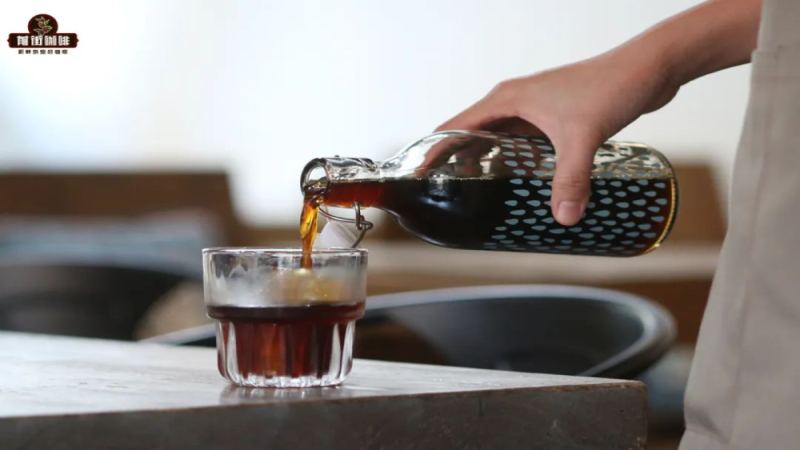
How Does the Cold Brew Coffee Making Process Work?
Cold brew, also called ice drip coffee, is made by passing ice water slowly through a bed of grounds over several hours. The result is a smooth, full-bodied cup with balanced acidity and sweetness and no bitterness or astringency. Beans with fermented notes add a wine-like aroma that resembles chilled fruit wine. The cold brew coffee making process covers equipment, grind size, drip flow rate, and coffee-to-water ratio.
A typical ice drip pot has three parts: an upper pot for ice water with a valve controlling drip speed, a middle filter cup holding the grounds, and a lower pot for the finished coffee. Grind is set so 80 to 85 percent passes a Chinese No. 20 standard sieve. Fermentation during brewing deepens flavor, and the drink is at its peak within a set drinking window.
The reason ice drip coffee is favored by so many enthusiasts lies in its smooth entry, rich and full body, balanced acidity and sweetness without bitterness or astringency. If coffee beans with fermented notes are used, it can also present a rich aroma similar to chilled fruit wine. Starting from the production standards of Front Street stores, this article comprehensively sorts out the ice drip coffee making process, including equipment selection, grind size control, drip flow rate and coffee-to-water ratio, and further explains the key role of cold brew fermentation in enhancing flavor, as well as the optimal drinking period and bean pairing suggestions. Whether you are a beginner who has just bought an ice drip pot or an advanced player who wants to refine the flavor, you can find practical operation points and flavor judgment criteria here.
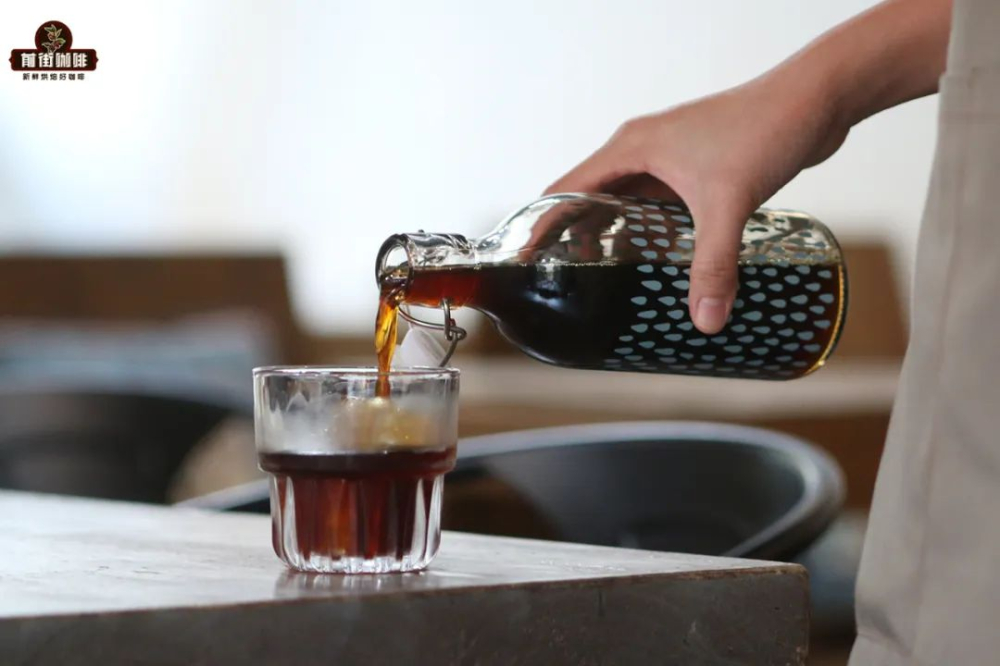
What fascinates people about ice drip coffee is often its smooth and thick mouthfeel, with acidity and sweetness just right, neither bitter nor sharp. If beans with prominent fermented notes are used, the resulting drink will have a very obvious wine aroma, tasting like a glass of chilled fruit wine.
How do you make ice drip coffee?
After being moved by the flavor of ice drip coffee, many friends buy an ice drip pot intending to make it themselves, only to encounter various problems during operation. Below, Front Street demonstrates the method for making ice drip coffee using the standard process for store production as an example.
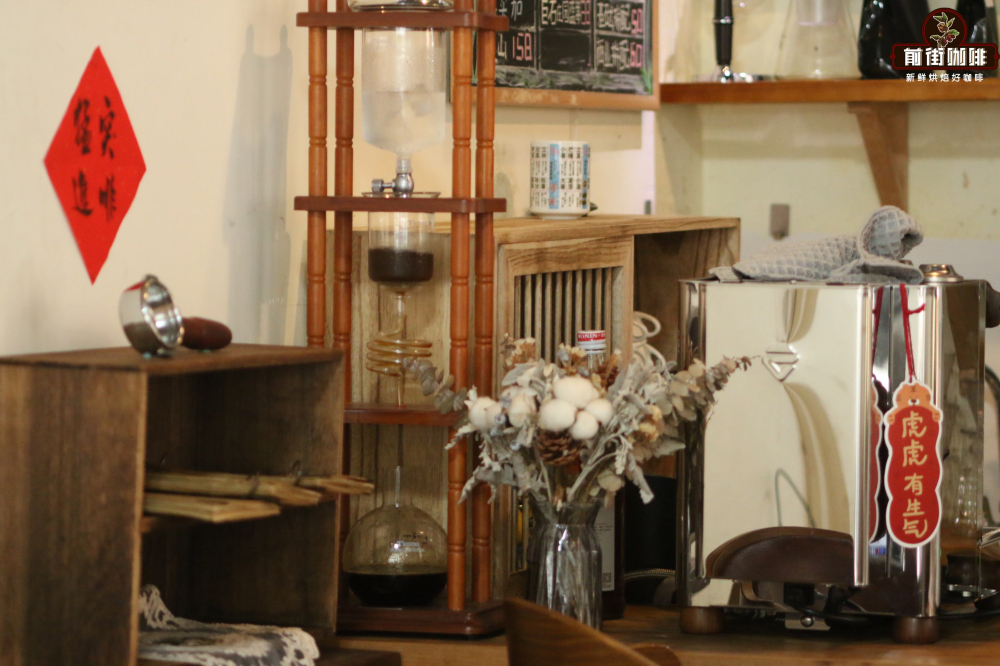
There are many types of coffee equipment available now, but the structure of an ice drip pot is generally still three core parts: the upper pot for ice water (with a valve that can adjust the water drip speed), the middle filter cup holding coffee grounds, and the lower pot receiving the coffee liquid. The equipment seen in Front Street stores is the Tiamo HG2713, which has an additional circular glass flow guide tube. The specific style to buy can be decided based on your own usage needs and budget.
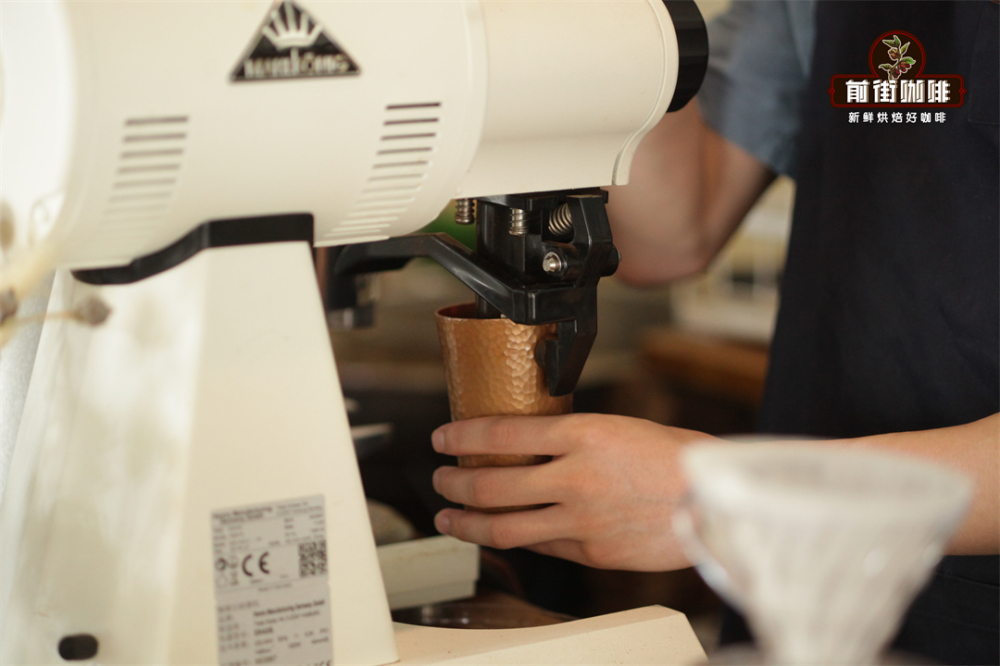
When Front Street makes ice drip, the grind size is controlled so that the pass rate through a Chinese No. 20 standard sieve is between 80% and 85%, and the store EK43s setting is 10. As is well known, if coffee grounds are ground too coarse, the extracted flavor will be weaker; if ground too fine, they can easily block the coffee bed and prevent water from draining, which in turn makes the coffee bitter. Therefore, the choice of grind size is quite critical.
This time Front Street chose the refreshing Kenya Asalia coffee beans for production. Extraction is inherently slow in a low-temperature environment, so the barista at Front Street Coffee recommends adjusting the grind size slightly finer than for pour-over; the standard sieve pass rate used here is 85%.
Although the flow rate of ice drip also emphasizes speed just like pour-over, it is measured by drops per second. The slower the flow rate, the longer the overall extraction time, and the more likely over-extraction becomes. Front Street usually uses a dripping speed of 7 drops every 10 seconds, and each person can also adjust it according to their preferred flavor. The coffee-to-water ratio is set at 1:10, because the ice drip produced by Front Street is finally diluted with ice cubes before drinking, so the concentration is made higher. If making it at home, extracting with a ratio of 1:10 to 1:12 is fine.
When Front Street makes ice drip, it takes 60 grams of coffee beans and grinds them into powder, first places a round filter paper at the bottom of the powder cup, then pours the coffee grounds in, covers the top with another filter paper, and then wets the coffee grounds with water. This can both shorten the dripping time and avoid uneven extraction. Next, fill the upper pot with an ice-water mixture, with a ratio of ice to water of 1:1, collecting a total of 600 grams of coffee liquid. After dripping is completed, pour the coffee liquid into a sealed container and refrigerate it for 12 hours before drinking. Front Street generally performs the dripping during daytime business hours, puts it in the refrigerator in the evening, and the next day it can be enjoyed with ice cubes.
What details should be noted for delicious ice drip coffee?
The coffee liquid just after dripping has a relatively weak aroma and a thin mouthfeel, so it needs to be sealed and fermented in a low-temperature environment to make the flavor substances cleaner, richer and fuller, while enhancing the aroma, sweet aftertaste and winey notes. As storage time lengthens, the degree of fermentation continues to deepen, but after more than five days, the taste of the ice drip will instead turn negative. So it is not that the longer it is stored, the better; Front Street recommends storing it in the refrigerator and drinking it within 5 days, which is ideal. In addition, after the bottle cap is opened, external bacteria can easily enter and cause the coffee to spoil. For reasons of both flavor and health, it should no longer be drunk in this situation. The ice drip coffee produced by Front Street stores has an optimal drinking period of only three days.
Regarding the choice of coffee beans, Front Street believes you can completely follow personal preference and choose beans with different processing methods or different roast levels, provided the beans are still within their optimal drinking period (2 months). The ice drip extraction method can excellently amplify the winey notes, fruit fermentation character and fruit aroma in coffee. For example, the ice drip made from Front Street Huaxu TOH washed coffee beans presents a clear sweetness like grapefruit tea; the Front Street Honduras Sherry barrel ice drip has a rich fermented wine aroma along with honey sweetness; the Front Street sun-dried Huakui ice drip has lively berry and passion fruit acidity and sweetness, with a prominent juicy feel, and a clear black tea aroma can still be felt in the finish.
For professional coffee knowledge exchange and more coffee bean information, please follow Coffee Workshop (WeChat public account: cafe_style)
For more specialty coffee beans, please add the private WeChat of Front Street Coffee: qjcoffeex
The above content is compiled by CoffeeHunters, a coffee news website.


