







Cold drip coffee and cold brew coffee are often lumped together, but what exactly sets them apart? This article provides a comprehensive breakdown of the differences between cold drip coffee and cold brew coffee, covering extraction principles, equipment selection, brewing steps, and coffee bean recommendations. It details how beans like Front Street Strawberry Candy, Huakui, and Flower Butterfly perform in cold drip preparation, and includes a complete cold drip operating procedure with storage tips. Whether you prefer floral notes or fermented wine-like aromas, you'll find a cold coffee solution that suits you, along with guidance on the optimal drinking windows and storage requirements for cold drip and cold brew alike.
For more specialty coffee knowledge, please follow our WeChat official account: Front Street Coffee (FrontStreet Coffee)
Recently, Front Street noticed people discussing whether "cold drip coffee and cold brew coffee are actually the same thing," and the comments were all over the place—some insisted there's no difference whatsoever, while others joked, "I made the coffee, so I'll call it whatever I want." That's a bold take! So, is there really a difference between them?
What Is Cold Drip Coffee?
Cold drip coffee is essentially ice drip coffee. The term "cold drip" refers to using an ice-water mixture below 1°C that drips through a bed of coffee grounds one drop at a time for extraction. Common cold drip towers on the market generally consist of three parts: the upper chamber holds the ice-water mixture, with some models featuring a valve to adjust the drip rate while others rely on their inherent structure to regulate the dripping rhythm; the middle chamber holds the coffee grounds; and the lower chamber collects the finished brewed coffee.
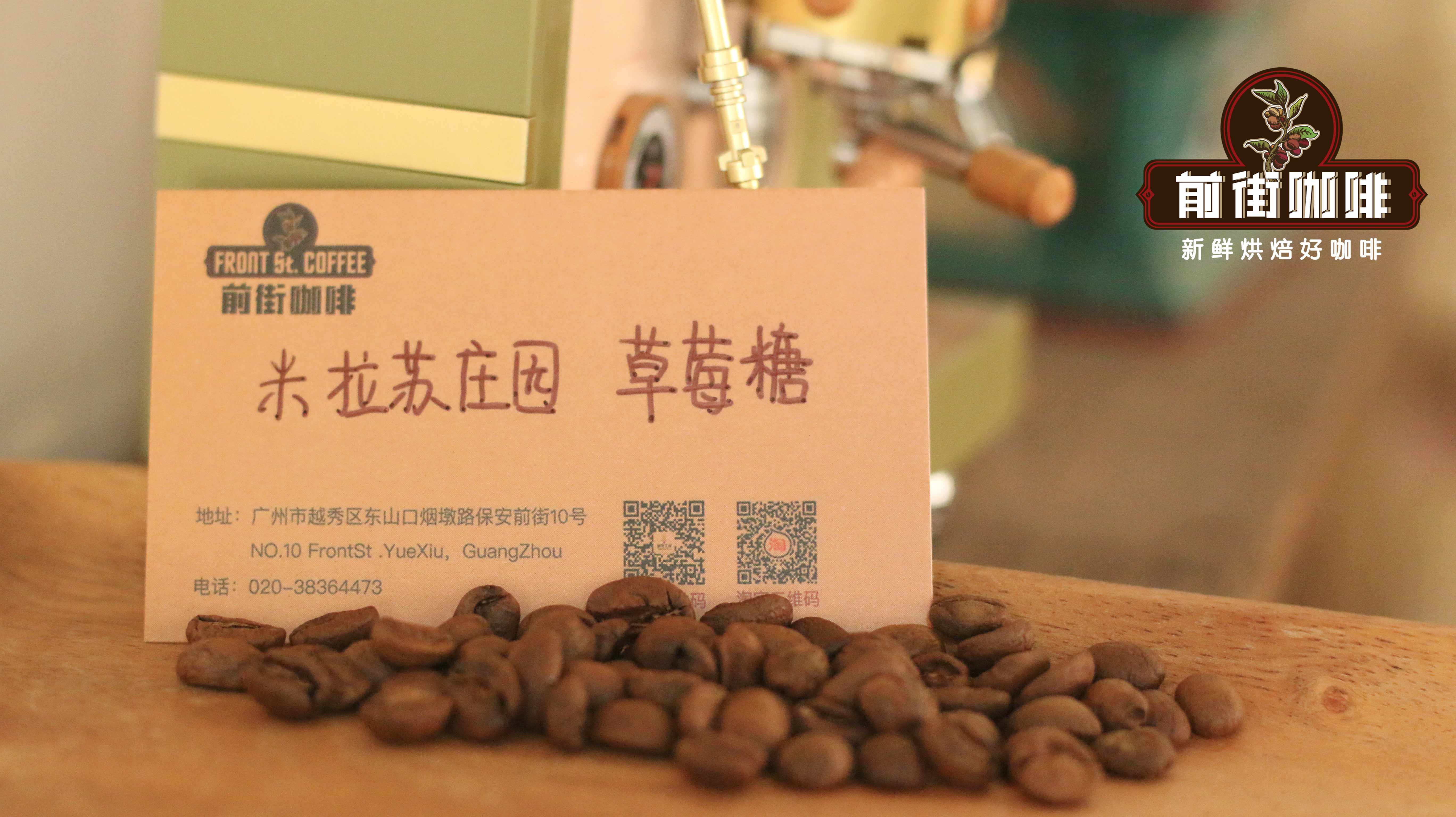
Materials needed: a cold drip tower, room-temperature drinking water, ice cubes, circular filter papers designed for cold drip, a bag of Front Street Strawberry Candy coffee beans, a grinder, and a sealed bottle. The coffee-to-water-to-ice ratio used in this demonstration is 1:6:6, meaning 50g of coffee beans, 300g of water, and 300g of ice.
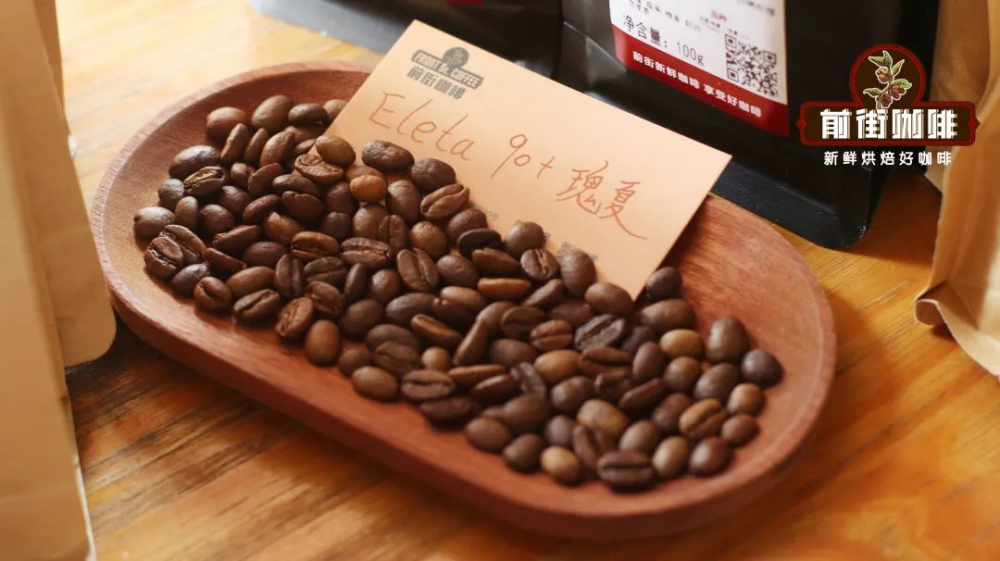
Coffee beans used for cold drip generally lean toward bright floral or rich fruity profiles. If you enjoy floral notes, Front Street Huakui Coffee, Front Street Flower Butterfly Coffee, and Front Street Strawberry Candy Coffee are all excellent choices; if you prefer intense fruity or fermented flavors, try Front Street Mozart Coffee, Front Street Sidra Coffee, or Front Street 90+ Estate Eleta Coffee.
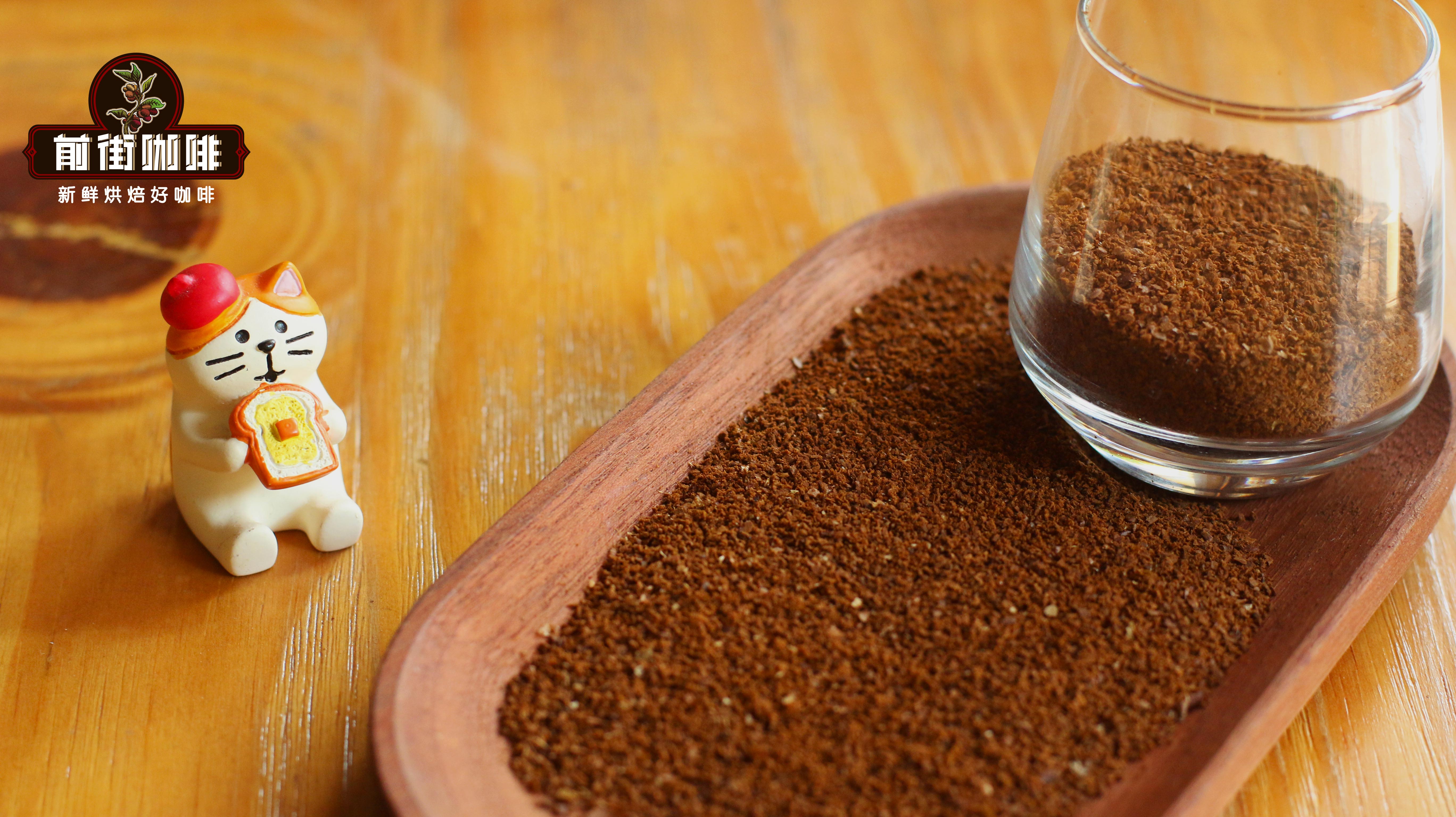
Step 1: Grind the coffee beans into grounds.
(For reference only: this cold drip uses Front Street Strawberry Candy coffee beans with an EK43s grinder, at a grind setting of 9, the same as our usual iced pour-over.)
Step 2: Place a circular cold drip filter paper in the coffee grounds basket of the cold drip tower, wet it with water, then pour in the coffee grounds and level them.
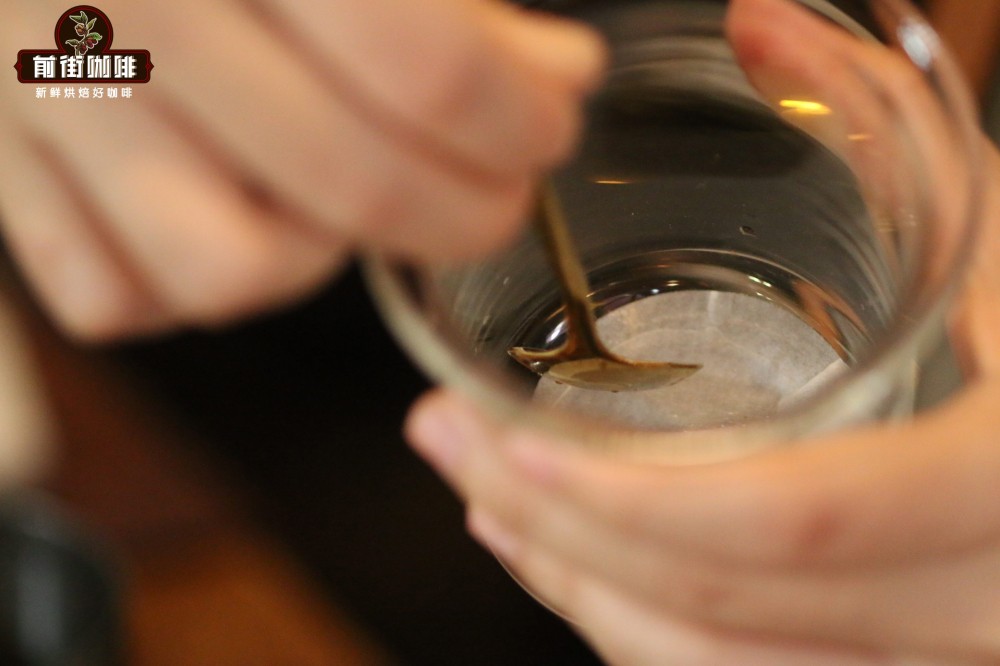
Step 3: Cover the leveled coffee bed with another circular cold drip filter paper, and wet the coffee grounds with room-temperature water. (Tip: Make sure all the coffee grounds get wet—this shortens the drip time and ensures the coffee bed is evenly penetrated by water.)
Step 5: Adjust the drip rate valve to 7 drops per 10 seconds, then wait for the dripping to finish.
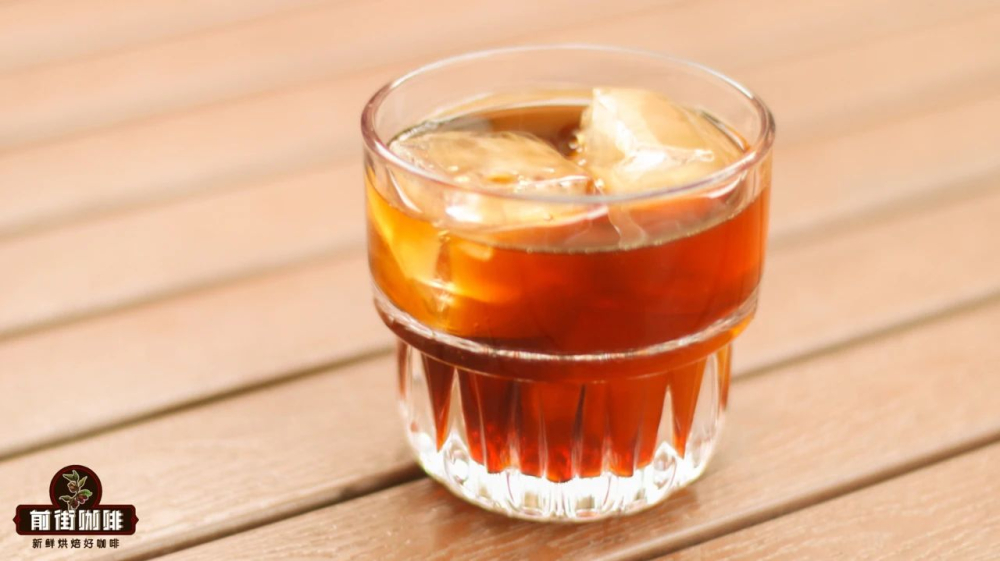
(The dripping process takes a long time, so check the drip rate periodically to prevent any changes.) After the cold drip extraction is complete, pour it into a clean container and refrigerate overnight for the best flavor—a habit many experienced friends have long since developed. Letting it sit in the fridge overnight is essentially sealed storage at low temperature, which can be simply understood as "aging," with two purposes: controlling fermentation and preventing spoilage.
Home refrigerators may look clean on the surface, but in reality they still harbor countless invisible microorganisms that can easily cause food to spoil if you're not careful. Therefore, to ensure the coffee isn't contaminated by outside elements, the container used must be well-sealed and thoroughly cleaned. Low-temperature storage not only inhibits the reproduction rate of certain bacterial colonies but, more importantly, allows the substances inside the coffee to undergo a slow and controllable fermentation process. This also explains why the longer cold drip coffee is stored, the more pronounced its fermented flavors become.
After extraction is complete, it cannot be drunk immediately—at this point the coffee has almost no flavor and needs to be sealed and refrigerated for at least 8 hours. During the sealing process, carbon dioxide is produced, and the pressure from the carbon dioxide helps the flavor molecules in the coffee be released more effectively (i.e., the mellowing process). Cold drip coffee overall has a light body—clean, refreshing, and free of impurities, with an inviting aroma.
What Is Cold Brew Coffee?
Cold brew coffee, also called cold water brew, involves pouring cold water over coffee grounds for immersion extraction. The cold brew method amplifies the coffee's various flavors and aromas, reduces acidity, and enhances the overall body of the coffee. The equipment needed for making cold brew is very simple—just a container with a lid and a filtering tool—making it easy to do at home or in the office.
Should cold brew coffee be extracted at room temperature or in the refrigerator?
Both methods work, but the extraction time differs. At room temperature, it's recommended to steep for no more than 8 hours; in a low-temperature environment, 12 to 24 hours is recommended.
Cold brew extracted at room temperature will vary in required time depending on the ambient temperature. Coffee steeped at room temperature reveals its full body immediately upon completion, but the downside is that if the steeping time doesn't match the coffee grounds' "preferences," they'll release woody notes in protest.
The advantage of refrigerating is that while you still get a full body, woody notes are less likely to appear—the downside is that it genuinely takes a long time. Although low-temperature extraction makes it harder to draw out off-flavors and bitterness from the beans, the extraction time is quite long after all, so to avoid the final product being too intense, it's recommended to grind slightly coarser.
As for bean selection, Front Street believes you can choose beans with different processing methods or roast levels according to personal preference, as long as the beans are within their optimal flavor window (2 months). The extraction characteristics of cold drip coffee can highlight wine-like notes, fruity fermented qualities, and sweet-tart aromas in coffee. For example, if you prefer clear fruity notes, we recommend using Front Street Flower Butterfly coffee beans for cold drip, which delivers a refreshing sweetness reminiscent of grapefruit tea;
If you enjoy fermented wine-like aromas, we recommend Front Street Honduras Sherry Barrel cold drip, which offers rich whiskey and vanilla flavors on the palate along with honey-like sweetness;
If you prefer a juice-like quality with full-bodied acidity, we recommend Front Street Natural Huakui cold drip, featuring vibrant berry and passion fruit sweet-tartness, a prominent juicy quality, and a finish with the refreshing aroma of black tea.
How Long Do Cold Drip Coffee and Cold Brew Coffee Last?
After extraction, cold drip coffee can be sealed and stored in the refrigerator for 3 days. As time passes, the flavor of cold drip coffee gradually diminishes after three days, and the taste becomes very weak.
Cold brew coffee, once filtered, can be sealed and stored in the refrigerator for 5 days. Although the longer cold brew coffee sits, the more mellow its flavor becomes, the refrigerator environment is, after all, "complex" (especially a home refrigerator), and it's hard to avoid bacterial contamination. Therefore, it's really not recommended to keep it for a week or even a month before drinking.
The above content is compiled by CoffeeHunters, a coffee news website.


