







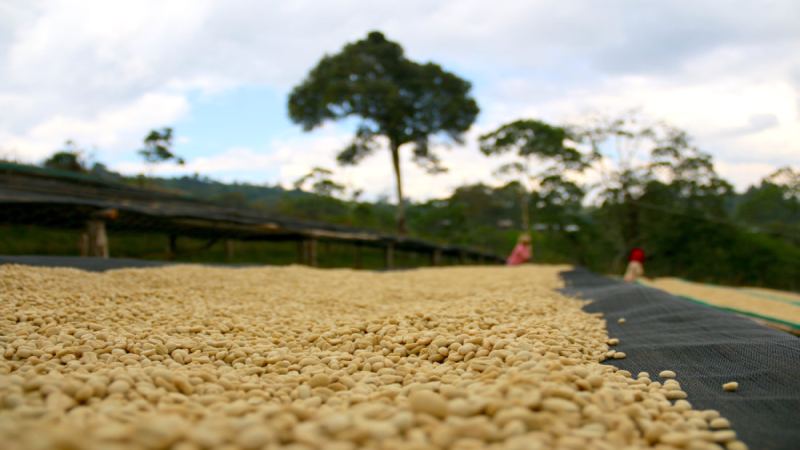
What makes Yirgacheffe coffee taste so distinctive?
Yirgacheffe is a high-altitude Ethiopian region, once part of Sidamo, that became independent because its beans showed a distinct flavor profile. Cultivation sits around 2,000 meters, and more than forty cooperatives operate there, mostly through family-managed plots, with well-known micro-regions including Kochere, Misty Valley, and Gedeb.
Front Street roasts its Yirgacheffe lots at a medium-light level to preserve the region's bright fruit acidity. Washed Gedingding leans toward tea-like aroma, Natural Red Cherry shows berry notes, and washed Yirgacheffe brings classic white flower and citrus flavors. The same beans also work well for cold brew, where grind size and storage timing matter.
Yirgacheffe is one of Ethiopia's most representative high-altitude coffee regions, and its unique flavor profile has earned it great fame in the coffee world. This article will start from Yirgacheffe's regional background, the characteristics of its micro-regions, and the flavor differences among several representative Yirgacheffe coffees under the Front Street brand, helping coffee lovers choose according to their personal taste. At the same time, the article will also introduce in detail the process for making cold brew coffee, the key points for controlling grind size, and the best time to drink and store cold brew coffee, so that you can easily make a full-bodied, richly layered iced coffee at home.
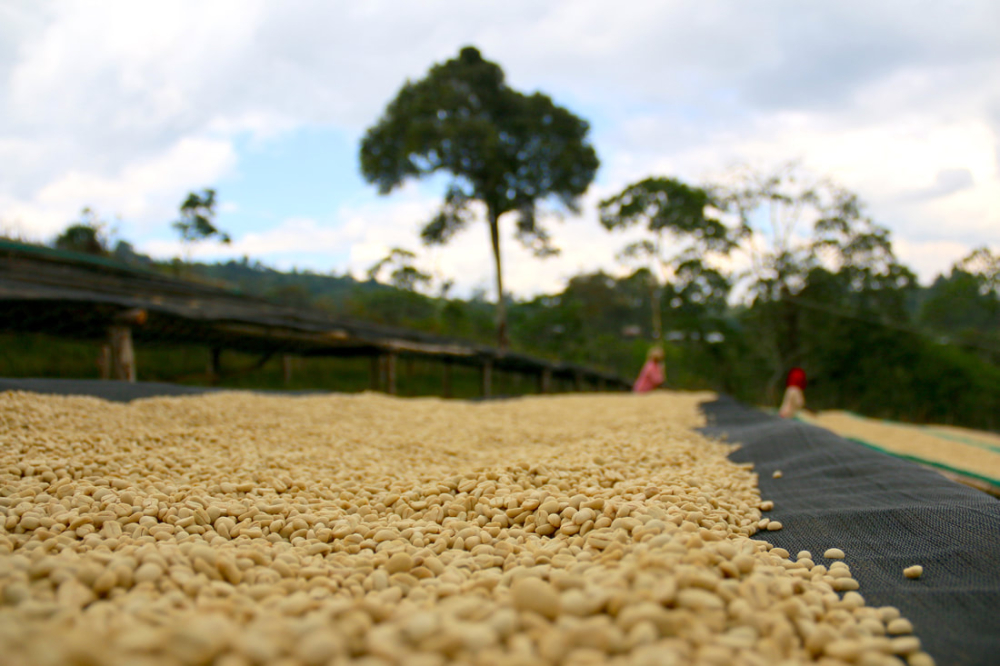
Yirgacheffe occupies a pivotal position in Ethiopia's coffee landscape. It originally belonged to the Sidamo region, but later, because the coffee beans it produced showed a distinctive flavor profile, it was separated from Sidamo and became an independent coffee region. Therefore, the word Yirgacheffe not only represents a place of origin, but is also often used to describe a certain specific flavor direction in coffee. This region is a typical high-altitude area, with cultivation areas at around 2,000 meters above sea level.
There are more than forty cooperatives distributed within the Yirgacheffe region, and coffee cultivation is mostly managed on a family basis. Under this region, many well-known micro-regions have also emerged, such as Kochere, Misty Valley, Gedeb, and others. These micro-regions each have strong cooperatives, and the coffee beans they produce each have their own refined characteristics.
When selecting Yirgacheffe coffee beans, Front Street not only focuses on their flavor recognizability and quality level, but also pays special attention to the uniqueness of each bean. Front Street Coffee believes that every Front Street. Yirgacheffe should have its own flavor personality, so that everyone can choose according to their own taste preferences.
1. Front Street. Washed Gedingding stands out especially for its tea-like aroma
2. Front Street. Natural Red Cherry is mainly characterized by berry notes
3. Front Street. Washed Yirgacheffe presents the classic white flower and citrus flavors
No matter which Yirgacheffe you choose, Front Street uniformly uses a medium-light roast level, with the aim of making the signature refreshing fruit acidity more pronounced. In addition to being suitable for hot pour-over single-origin brewing, these beans are also very suitable for making iced coffee, such as cold brew coffee, which is very popular among home coffee enthusiasts. The main reason cold brew coffee is so popular is that it has an extremely low barrier to entry, requires no pouring technique, and saves you from worrying about water temperature. For those who find the steps of pour-over coffee cumbersome, cold brew coffee is simply a blessing. One bottle, one portion of ground coffee, left to sit overnight, and the next morning you can drink a full-bodied, rich iced coffee.

It should be noted that the ground coffee used for cold brew immersion cannot be ground too fine. It is recommended to control the grind size within a range where the passing rate through a 0.85 mm standard sieve is about 80% to 85%. Although low-temperature extraction can reduce the release of bitter substances, it cannot completely eliminate them.
If the grind is too fine, the sour and sweet substances in the coffee grounds will be extracted very quickly, and then the full-bodied substances will also be released along with them. An appropriate amount of full-bodied substances can enhance the coffee's body, but once the immersion time is too long, woody flavors will emerge, and the overall clarity of the coffee will also decline. In addition, when the coffee is ground too fine, because there is a lack of thermal molecular movement during the cold brew process, the coffee particles tend to clump together, resulting in uneven extraction. Therefore, coffee grounds with the coarseness of fine granulated sugar are more suitable for making cold brew coffee.
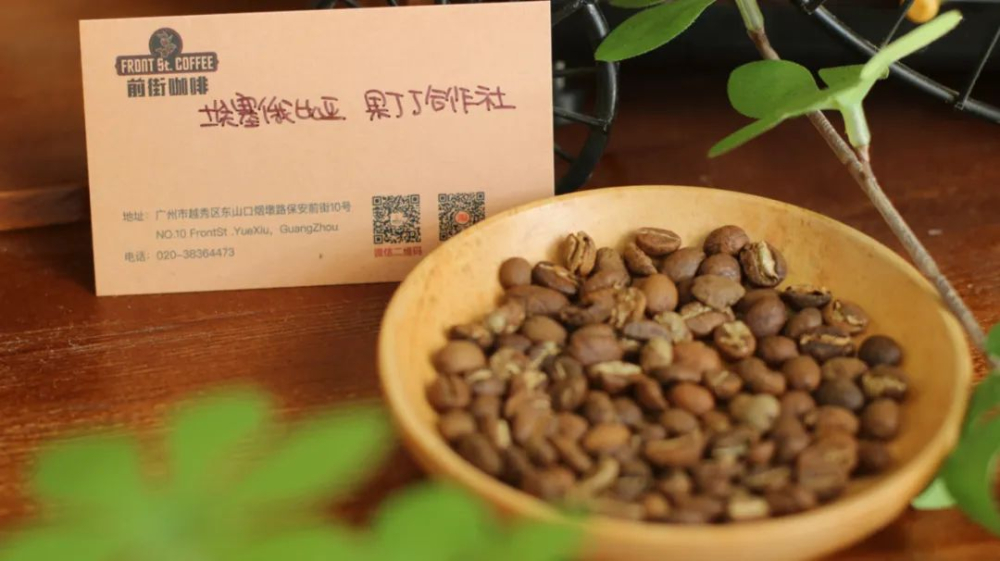
Steps for making Front Street cold brew coffee 1. Prepare 40 grams of coffee grounds with the coarseness of fine granulated sugar, with a coffee-to-water ratio of 1:13; 2. Choose a clean, oil-free sealed container with a capacity of more than 600 milliliters; 3. After the materials are ready, pour in 520 grams of ice water, stir evenly to ensure the coffee grounds are fully exposed to water, then place it in the refrigerator and let it sit sealed for 8 to 12 hours; 4. After the immersion is finished, take it out and filter the coffee grounds out of the coffee liquid thoroughly, then it is ready to drink or store.
5. Storage period for cold brew coffee: Front Street recommends drinking it within 72 hours after filtering while kept sealed.
Quite a few coffee lovers have previously reported that after making cold brew coffee and putting it in the refrigerator, drinking it seven days later tasted unexpectedly good. In principle, the longer cold brew coffee sits, the more pronounced the fermented flavor becomes.
But!
When this fermented taste becomes too strong, it will instead mask the coffee's own flavors. If you do not particularly like a heavy fermented character, Front Street does not recommend trying it rashly. The best tasting window for cold brew coffee is on the 2nd to 3rd day after filtering out the coffee grounds.
It is also worth reminding that when drinking, it is recommended to add some ice cubes in moderation. First, it can maintain a low-temperature mouthfeel; second, after the coffee is diluted, the layers will open up and show more diverse flavors. Ice cubes will highlight the fermented character, and this feeling will become even stronger after the coffee warms up, and the taste after chilling is indeed more refreshing and enjoyable.
The above content is compiled by CoffeeHunters, a coffee news website.


