








How does cold brew change the flavor of different types of coffee seeds?
Cold brew coffee steeps grounds in room-temperature or ice water for hours at low temperature, then filters them out. The long, cold process extracts less bitterness and astringency than hot brewing, so the cup shows the bean's processing method and roast level more clearly, often with floral, fruity, or fermented wine-like notes.
The method has written roots in seventeenth-century Dutch sailors soaking grounds in cold water on long voyages, and it later spread to Japan, where it became the ice drip carafe. Cold brew keeps for days in the fridge, but storage and dilution matter; the article walks through the steps for making it at home and suggests beans suited to it.
On a summer morning, a cup of icy, smooth cold brew coffee is often the key to starting a perfect day. How does cold brew coffee differ in flavor from hot coffee? Its history can be traced back to the maritime experiments of Dutch sailors in the seventeenth century, and it later spread to Japan, where it evolved into the ice drip carafe device. Cold brew, through long low-temperature steeping, reduces bitterness and astringency, and more faithfully presents the coffee beans' processing method and roast level. This article will guide you through the taste characteristics of cold brew, key storage points, and teach you step by step how to make cold brew at home, while also recommending several Front Street Coffee beans suitable for making cold brew, so you can easily enjoy refreshing floral and fruity notes and fermented wine aromas.
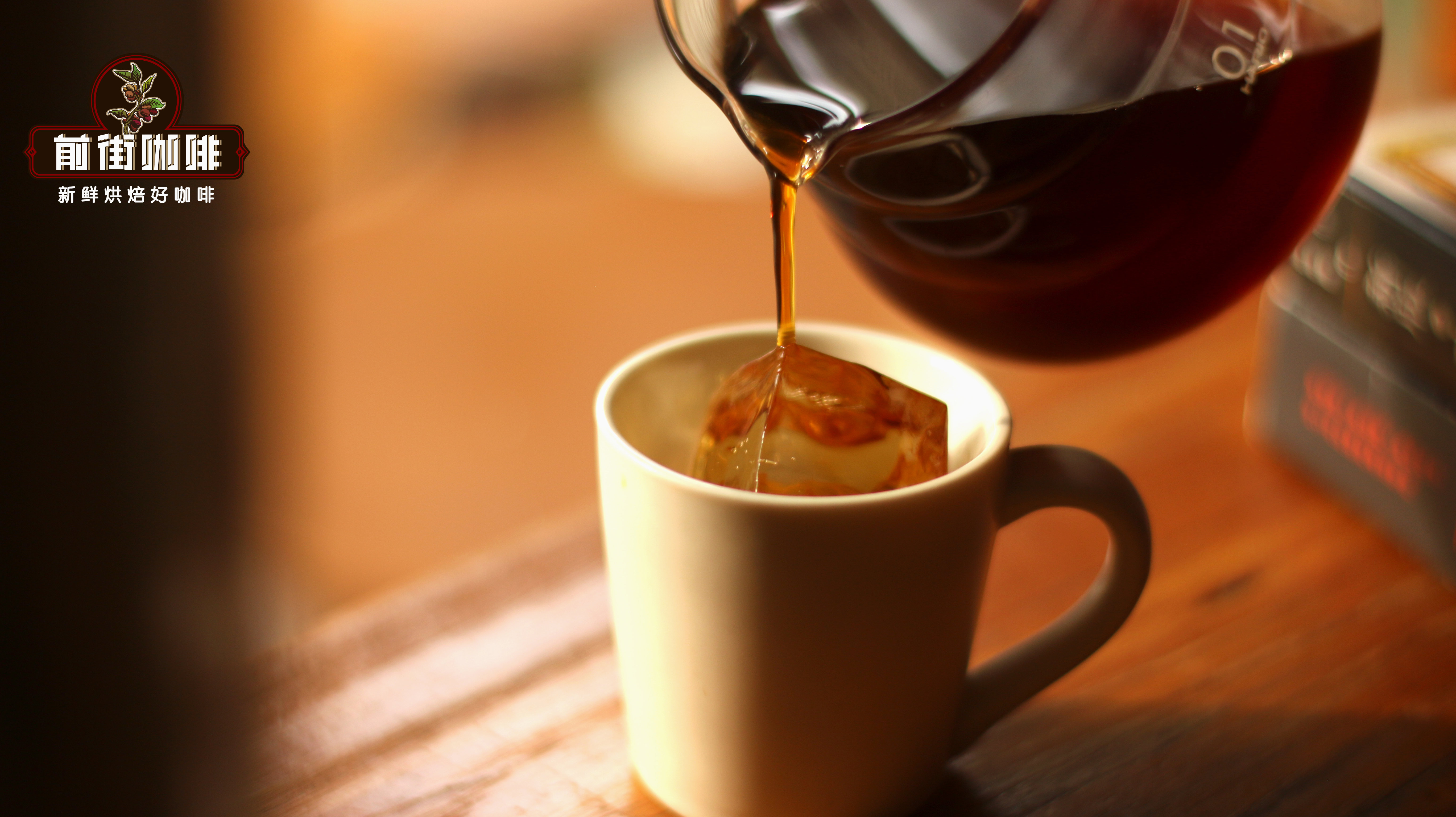
On a slightly cool summer morning, standing in front of floor-to-ceiling windows, gazing at the city just after the rain has cleared, with the sound of cicadas rising and falling in your ears. The summer breeze gently brushes past your ankles and ears, and your hair lifts lightly with the wind. Your consciousness is still lingering at the edge of a dream, and if there is a cup of icy, refreshing cold brew coffee at hand, a perfect day officially begins. Today, Front Street will talk about exactly how cold brew coffee and hot coffee differ in taste.
The Historical Story Behind Cold Brew Coffee
Many people first became aware of cold brew coffee because they were curious about the uniquely shaped ice drip carafe device. Cold brew coffee refers to immersion-style cold brew coffee, which is different from drip-style ice drip coffee. The cold brew method is to place room-temperature water or an ice-water mixture together with coffee grounds in a container, steep it in a low-temperature environment for a period of time, and then filter out the coffee grounds; the resulting liquid is cold brew coffee. Ice drip, on the other hand, involves letting an ice-water mixture drip at a steady rate through a layer of coffee grounds and collecting the coffee liquid. Both belong to low-temperature extraction and are among the most common types of iced coffee in many coffee shops.
There are written records about cold brew coffee as early as the seventeenth century. Dutch sailors, during long ocean voyages, tried soaking coffee grounds in cold water and found that the coffee liquid extracted this way had no bitter or astringent taste and was convenient for long-term storage and transportation, so it was called "Dutch Coffee." This method of soaking coffee in cold water spread along maritime trade routes to Japan during the Edo period, where Japanese people obtained more aromatic components from coffee through slow extraction and further developed the drip-style ice drip coffee carafe.
What Are the Taste Characteristics of Cold Brew Coffee?
Coffee beans are essentially seeds, and the oil content of seeds is usually higher than that of other parts of the plant. Therefore, regardless of the coffee bean variety, the darker the roast level, the more pronounced the oils are on the bean surface and in the mouthfeel. Light-roasted coffee has a light body, leans toward a juicy feel, with prominent fruit acidity and lifted floral and fruity aromas; it does not smell much like coffee in the traditional sense. Dark-roasted coffee, on the other hand, has a heavy, rich body and deep, steady aromas, smelling closer to the "coffee flavor" in most people's minds.
Compared with high-temperature extraction methods such as pour-over and espresso, cold brew reduces the release of bitter tannic acid, so both acidity and bitterness are unnoticeable, it goes down smoothly, and the flavor is clean and clear. The extraction temperature of cold brew is much lower than that of hot coffee, making it less likely to bring out off-flavors and bitterness, so the cold brew method can faithfully reflect the coffee beans' processing method and roast level. With cold brew, the aromatic substances of coffee remain in cold water for longer, presenting more natural floral and fruity aromas at low temperatures.
Because small-molecule flavors are more likely to dissipate, even if cold brew coffee is stored in a low-temperature refrigerated environment, small-molecule flavors such as floral notes will gradually weaken as storage time lengthens. Therefore, Front Street recommends putting the filtered cold brew into an airtight container and keeping the storage time to no more than 5 days, to avoid flavor loss and bacterial growth.
How to Make Cold Brew at Home?
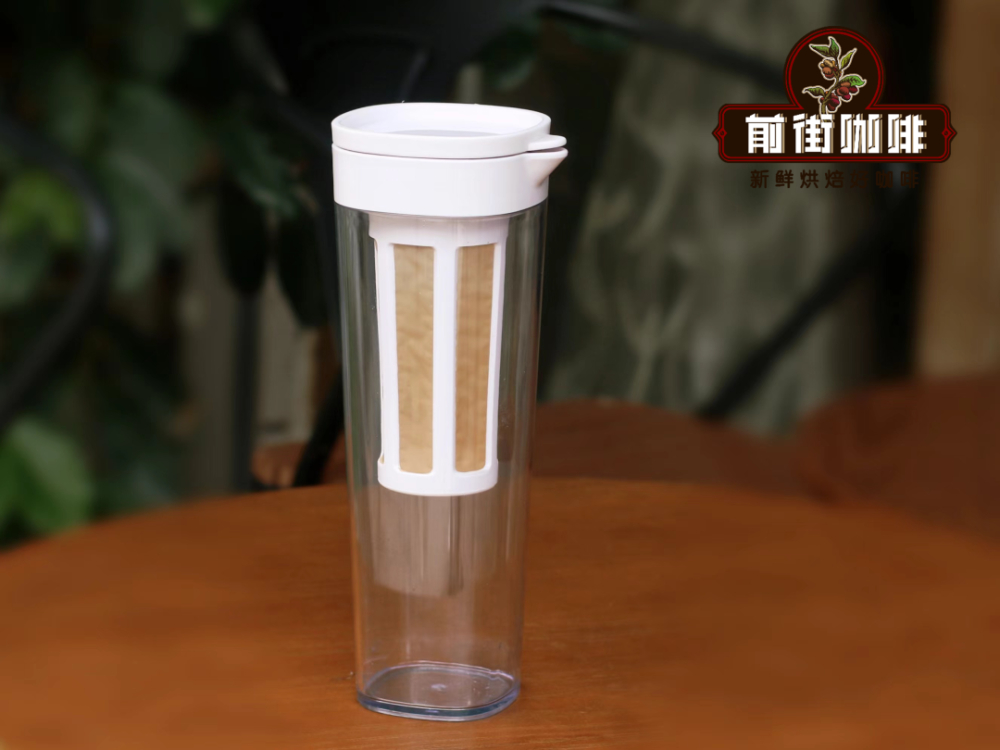
Step one: First prepare a cold brew bottle. If you do not have a cold brew bottle, that is fine too—just find any sealed container as a substitute! If you have neither a cold brew bottle nor a sealed container, then that is fine too! Just take any cup and cover it with plastic wrap!!
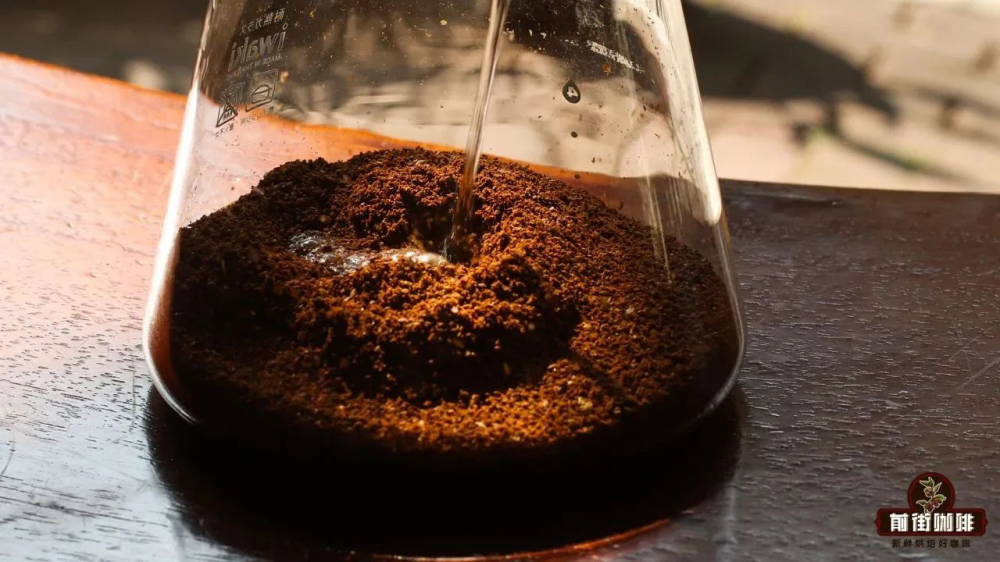
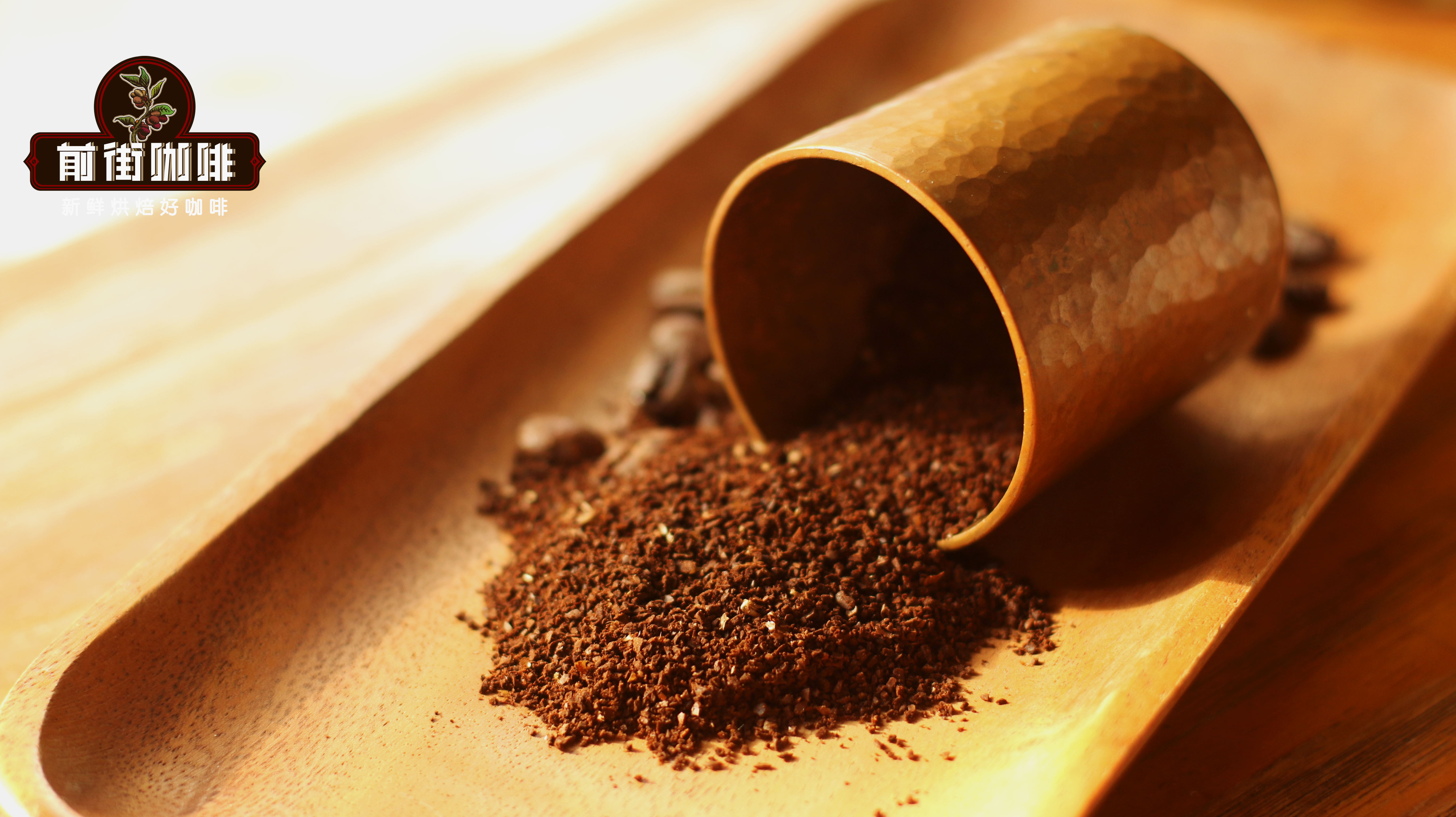
Step two: Choose a single-origin coffee bean you like and grind it (this time Front Street used 50g of Costa Rica Mozart, with an EK43s grinder, and the grind setting referenced the 9 setting for iced pour-over of this bean; please adjust flexibly according to your own equipment and the condition of the beans that day~)
Step three: Pour the ground coffee into the built-in filter of the cold brew pot, and add room-temperature direct drinking water. (This time the coffee-to-water ratio is 1:12, that is, 50g of coffee grounds to 600ml of water, which can be adjusted according to your preferred strength. Note that the water level needs to cover the coffee grounds.)
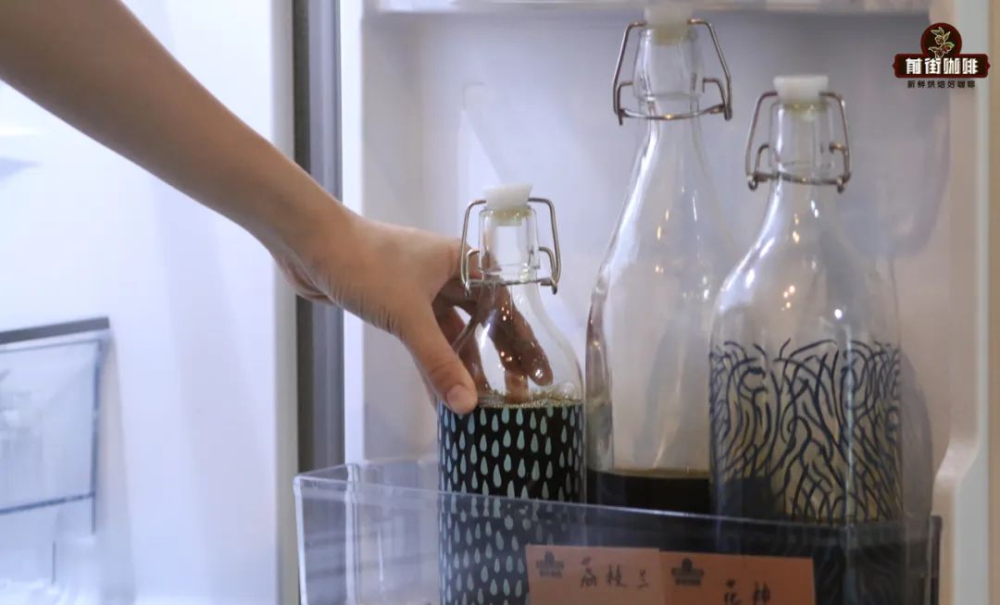
Step four: Tighten the lid and refrigerate for 8 hours. (Note: refrigerate! Not freeze!)
Step five: Take out the coffee that has been refrigerated for 8 hours and filter it to make the mouthfeel cleaner.
Step six: Filter it once more with filter paper, and it is ready to drink! It tastes even better with ice added~
Just like with pour-over coffee, the grind size also needs attention when making cold brew. If the grind is too coarse or too fine, the coffee can easily become bitter or tasteless. Front Street recommends using a slightly finer grind than for pour-over, with a reference of 85% passing through a No. 20 standard sieve. The strength is also related to the coffee-to-water ratio; Front Street recommends 1:10 to 1:12. The extracted coffee can be drunk directly, or diluted with ice to a suitable concentration before tasting.
Front Street usually starts steeping the night before, controlling it to around 12 to 14 hours, then takes it out the next day and filters out the coffee grounds to obtain the fully extracted coffee liquid. Front Street once forgot about it and let it steep for more than a day, and as a result the coffee liquid was bitter and pungent. Everyone should also pay attention to controlling the extraction time to avoid waste. In addition, coffee easily absorbs odors from the storage space. If it is placed in a household refrigerator, Front Street recommends choosing a container with good sealing to avoid affecting the flavor.
What Coffee Beans Are Better for Making Cold Brew?
Regarding the choice of coffee beans, Front Street believes you can choose beans with different processing methods or roast levels according to personal preference, provided that freshly roasted coffee beans are used. After roasting, coffee goes through a 4-7 day resting period and then enters its optimal flavor period. Once this stage has passed, the aroma will accelerate its volatilization, and the flavor and mouthfeel will be greatly reduced. In order to let everyone drink coffee at its optimal flavor period, Front Street ships beans freshly roasted within 5 days, so the coffee beans you receive will have the best aroma.
Due to its extraction characteristics, cold brew coffee can highlight the winey notes, fruity fermentation, and fruit aromas in coffee. If you do not know which bean to choose, you can refer to the following beans listed by Front Street.
"Refreshing Floral and Fruity Type — Front Street Inflorescence TOH Washed Champion Coffee Beans"
This bean comes from the Guji Uraga producing area in Ethiopia. The region has fertile soil and abundant nutrients, and the coffee beans produced there carry rich fruit aromas. The washed process highlights clear floral and citrus flavors. The cold brew coffee Front Street made with this bean presents a sweet, refreshing taste like pomelo tea.
"Rich Fruity Tea Type — Front Street Natural Huakui Coffee Beans"
The naturally processed Huakui coffee beans are selected from ripe coffee cherries with a pulp sugar content as high as 30%. The fruit sugars ferment in the sunlight, giving the beans a full fruity sweetness. Making cold brew with this bean yields lively berry and passion fruit sweet-and-sour notes, an obvious juicy feel, and a finish with the light fragrance of black tea.
"Fermented Fruity Wine Aroma Type — Front Street Mozart Coffee Beans"
Front Street Mozart is processed using the raisin honey method, allowing the coffee beans to absorb more sweet aromas and the rich flavors of candied fruit. When made into ice drip cold brew coffee, you can taste diverse flavors such as ripe pineapple, osmanthus, sweet orange, and raisins.
The above content is compiled by CoffeeHunters, a coffee news website.


