







Search Results for: farmers
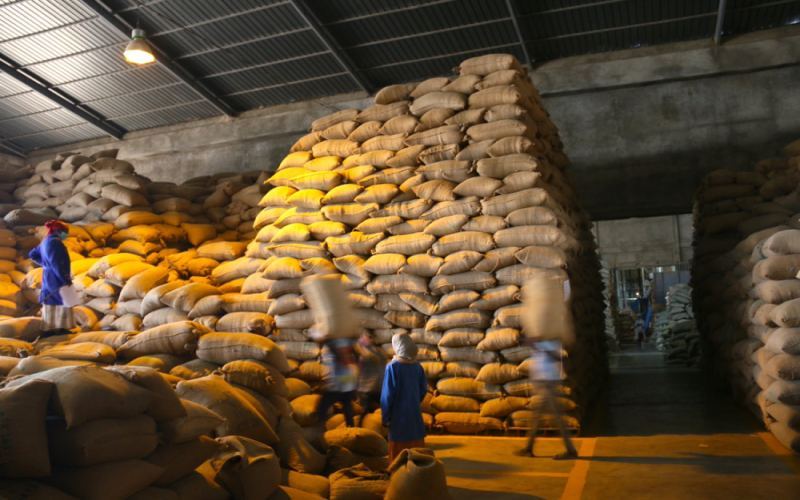
埃塞俄比亚咖啡出口体系与ECX分级机制:耶加雪菲产区特选解析
埃塞俄比亚作为咖啡发源地,其出口体系与分级制度直接影响着全球咖啡爱好者的杯中风味。本文深入解析该国三大咖啡出口系统——ECX竞标、合作社与单一农场,揭示ECX如何通过定价机制、仓储物流与即时信息重塑咖啡交易,并聚焦耶加雪菲产区的ECX特选分级标准。同时介绍六大合作社联盟的运作模式,以及前街果丁丁、前街沃卡等知名合作社如何凭借精湛处理技术脱颖而出。无论你是咖啡从业者还是爱好者,都能从中理解埃塞咖啡从产地到杯中的品质逻辑。 [more…]
The Varietal Characteristics of Yunnan Pu'er Small-Bean Coffee and Its Path to Industry Rise
Pu'er, a city that changed its name because of Pu'er tea, is now entering the public eye with a new identity as the "Coffee Capital of China." The Tropic of Cancer passes through it, placing it on the same latitude as Cuba, the kingdom of coffee, and its exceptional climate conditions make it an ideal growing region for Arabica coffee. From Nestlé's arrival and layout in 1988 to today, when international giants such as Starbucks and Kraft are competing to purchase its beans, Pu'er's coffee industry has gone through more than thirty years. Through vivid details such as coffee farmer Zhang Kui's cultivation story, technical assistance from international experts, and cup quality control, this article presents the varietal advantages, current state of the industry, and future business opportunities of Pu'er Arabica coffee, while also introducing Front Street Coffee's continued attention to and recommendations for Yunnan coffee. [more…]
Are Yunnan Pu'er coffee beans really unsalable? An analysis of the price per kilogram of small-bean coffee and the market truth
In April of this year, Yunnan's coffee industry was overshadowed by rumors of "unsold coffee beans," which once made coffee farmers and industry insiders uneasy. But what is the truth? The main production area of Pu'er has only 3,000 to 4,000 tons of coffee beans left, including some of poor quality. Truly high-quality beans are still in short supply, and quality is the most worrying issue behind this storm. This article takes an in-depth field visit to Pu'er, sorting out the quotation trends for small-bean coffee, the ins and outs of the unsold rumor, and the real situation of intermediaries and coffee farmers amid this price fluctuation, and talks with "Coffee Madman" Liu Minghui to restore the current situation and future of Yunnan coffee. [more…]
耶加雪菲与西达摩究竟有哪些不同?咖啡价格差距及产区风味全面解析
很多人容易把耶加雪菲和西达摩混为一谈,其实两者都位于埃塞俄比亚,但行政层级和地理概念并不相同。简单来说,西达摩相当于一个省,而耶加雪菲则是西达摩省内的一座小镇。西达摩海拔约2100米,耶加产区整体地势更高,最高点甚至突破2600米。本文将从埃塞俄比亚咖啡的起源、种植体系、分级制度、风味差异以及价格区间等多个角度,帮助咖啡爱好者彻底厘清这两个产区的区别,同时也会介绍前街品牌旗下相关咖啡豆的特点与性价比。 [more…]
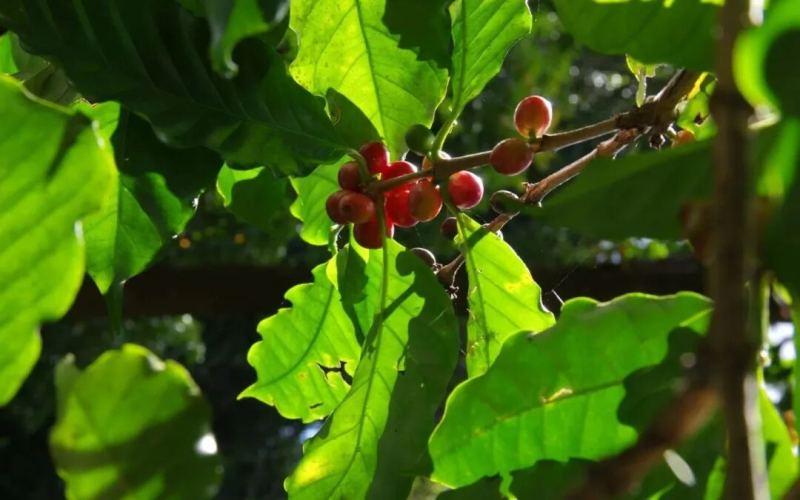
Ethiopian Coffee Beans | How Many Coffee Regions Are There in Ethiopia? Which Washing Stations and Cooperatives Produce Ethiopian Specialty Coffee?
As the birthplace of coffee, Ethiopia has always been a pilgrimage site for many coffee professionals. Many friends who come to Front Street Coffee ask as soon as they walk in whether we have Ethiopian beans, whether we have Yirgacheffe beans. Yes, whether for coffee beginners or coffee connoisseurs, Ethiopian coffee beans have that bright [more…]
埃塞俄比亚咖啡出口三大体系与ECX交易机制:罕贝拉花魁等单一农场豆如何走向海外
埃塞俄比亚作为精品咖啡的圣地,其咖啡出口体系却相当复杂。根据当地法令,咖啡出口分为ECX竞标、合作社与单一农场三大系统,其中合作社与单一庄园可绕过ECX直接出口,具备较完整的可追溯性。ECX由Eleni Gabre-Madhin于2008年创办,通过分级、仓储与即时信息改变了咖啡农的交易处境。而真正实现100%可追溯的,是近年来崛起的单一农场系统,西达摩日晒花魁正是来自罕贝拉农场的代表作。本文将梳理三大体系的运作差异、ECX的交易逻辑、六大合作社联盟的架构,以及单一农场对精品咖啡的意义。前街也将持续关注这些产地动向,为咖啡爱好者带来更清晰的产地知识。 [more…]
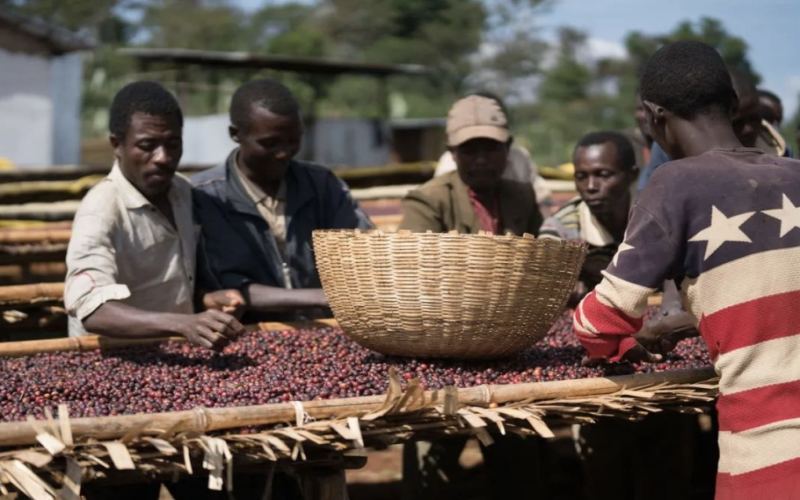
The coffee producing areas, estates, processing plants, and cooperatives, these production units have what kind of differences?
The popularity of gourmet coffee allows us to obtain more detailed planting and production information of coffee beans. These information usually accompanies the sale of coffee beans and is printed on the label of the packaging bag! Bean varieties, p [more…]
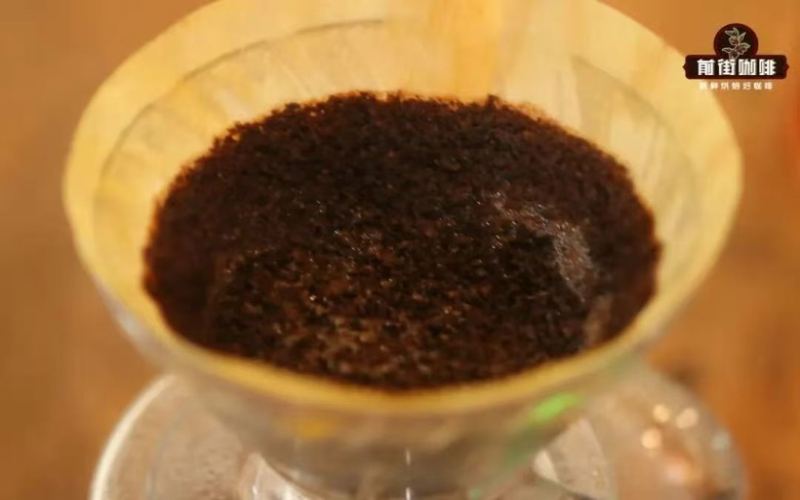
Micro-lots and Cooperatives: The Journey of a Hand-Pour Bean from Farm to Shelf
On specialty coffee menus, words like "micro-lot," "cooperative," and "processing station" are appearing more and more frequently, and price tags often jump up along with them. Behind these words lies an entire organizational system of origin—from seed to your pour-over dripper, the supply chain behind a bag of coffee is far more fascinating than you might imagine. First, let's look at the survival structure of smallholder farmers. [more…]
The Changing Landscape of Yunnan Small-Bean Coffee: Arabica Cultivation Status, Flavor Characteristics, and Future Trends
Yunnan's coffee planting area has climbed from over 300,000 mu in 2008 to more than 1.4 million mu today, with output once accounting for over 99% of the national total. Yet the expansion of the industry's scale has not been smooth sailing. Since 2012, international coffee futures prices have continued to decline, leaving Yunnan coffee farmers struggling at the edge of the cost line; the 2014 harvest season was hit by a triple blow of drought, cold damage, and the abandonment of harvesting, causing output to plummet from an expected 100,000 tons to less than 60,000 tons, while purchase prices, driven by factors such as drought in Brazil, saw their largest single-month increase in 20 years. Lincang, as an emerging main producing area, rose rapidly, and companies such as Lingfeng Coffee began implementing quality traceability systems. This article will review the cultivation situation, flavor characteristics, and future development trends of Yunnan Arabica coffee beans. [more…]

Kenya coffee | Introduction to Nyeri, Kirinyaga, Thika coffee growing areas.
The full name of Kenya is the Republic of Kenya, located in eastern Africa, crossed by the equator in the middle, adjacent to Somalia, Tanzania, Uganda, Ethiopia and South Sudan, bordering the Indian Ocean to the southeast, with a land area of 582,64 [more…]
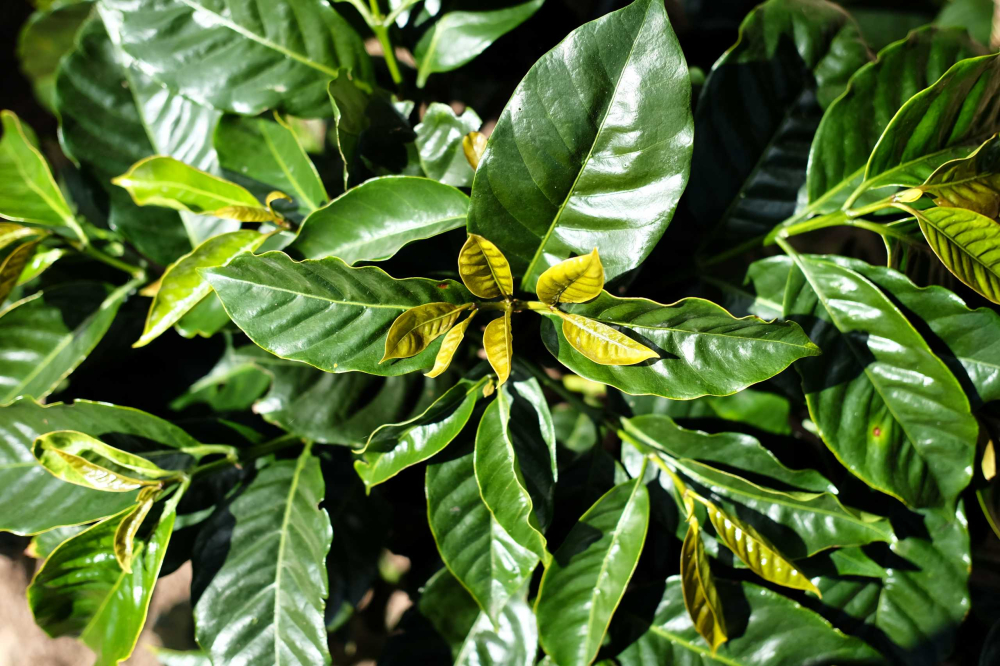
Kenya Coffee Beans | Origin, Grading, and Flavor Characteristics of Kenyan Coffee Beans: An Introduction to Water Temperature and Grind Size Parameters for Kenyan Pour-Over Black Coffee
For more specialty coffee knowledge, please follow our WeChat official account: Front Street Coffee (FrontStreet Coffee). The bright fruit acidity and vivid, full, outstanding mouthfeel of Kenyan coffee make it unforgettable to anyone who has tried it. Front Street Coffee has cupped quite a few coffee beans from different producing regions in Kenya. If we were to say that high [more…]
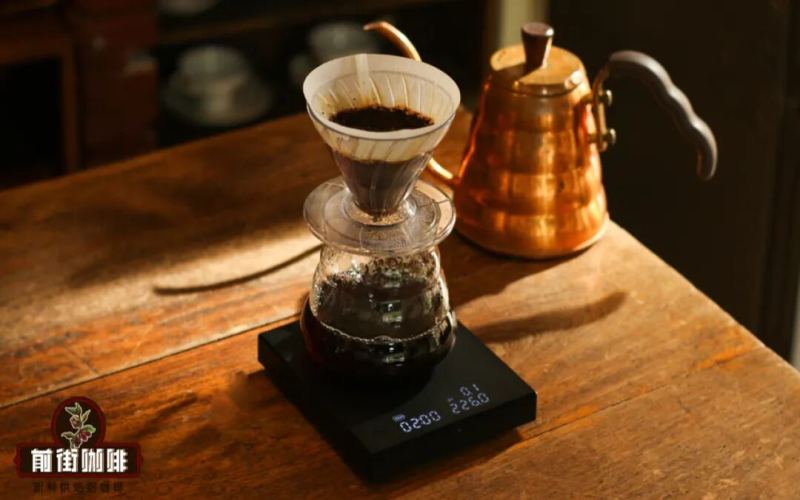
Colombian Coffee | What Is Big Belly Button Coffee? Does Big Belly Button Refer to a Coffee Variety? What Are the Flavor Characteristics of Big Belly Button from Finca La Divisa in Colombia?
“Why is this coffee called Big Belly Button?” This is a question N friends ask when looking at the Front Street Coffee bean list blackboard! But indeed, it's not just on the Front Street Coffee bean list—the name Big Belly Button stands out no matter where it's placed, so it draws more attention than other coffees! [more…]
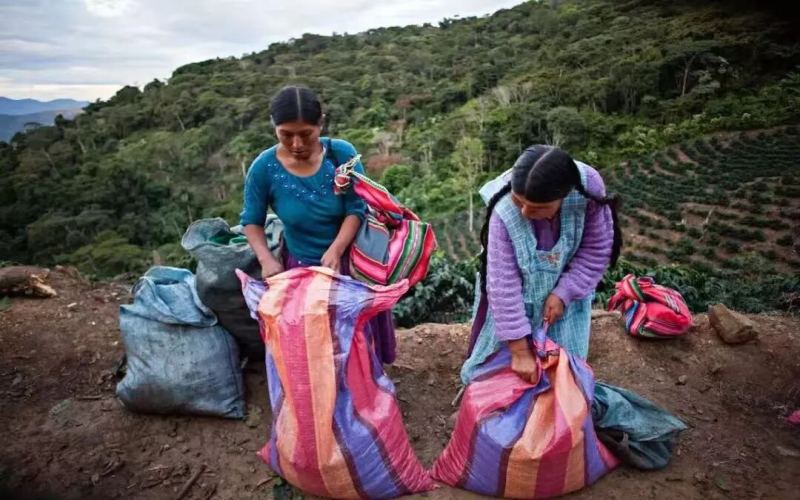
Bolivian Coffee Beans | Why is Bolivian coffee rarely seen in China? What unique characteristics does Bolivian coffee have?w
Bolivia is a fascinating place. Although it is called a paradise for coffee growing, its production has always been low. Front Street Coffee is deeply impressed by the delicate flavors of Bolivian coffee. In terms of flavor expression, Bolivian coffee is mostly characterized by rich sweetness and soft acidity. At the 2017 WBC (World Coffee [more…]
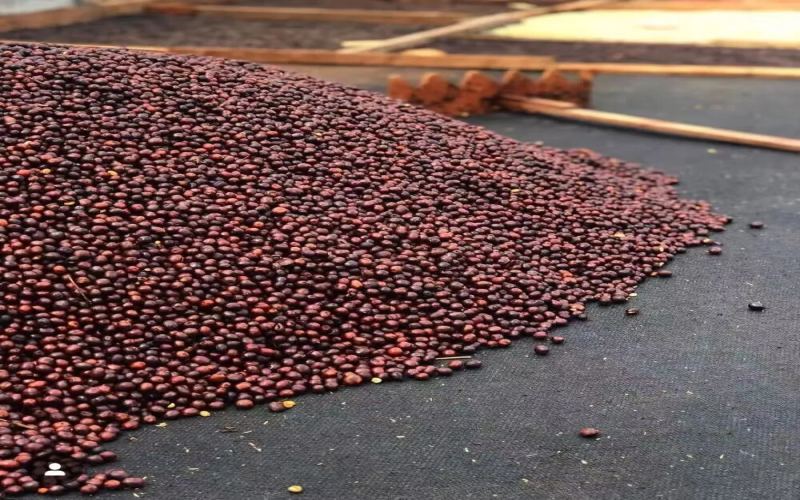
Are Caturra and Catuai coffee beans both Arabica varieties? What are the differences in their flavor characteristics?
"Caturra" and "Catuai" are two varieties under the Arabica umbrella. They may not be as universally well-known as Typica, Bourbon, Geisha, and other varieties, but they are the rising stars that most coffee farmers are eager to cultivate. Whether it's a large estate like La Esmeralda or Elida, or [more…]
Yirgacheffe Coffee Beans | What Are Yirgacheffe Coffee Beans? An Introduction to the Flavor and Characteristics of Ethiopian Yirgacheffe Coffee Beans
For coffee lovers, among the coffees they've tried, there's always at least one African coffee bean. Among them, the Ethiopian Yirgacheffe coffee beans, originating from the birthplace of Arabica, are highly renowned for their excellent flavor and are much loved by many. In recent years, domestic specialty coffee has developed rapidly, and this coffee, which enjoys great fame in the international coffee circle, [more…]

Berry Tea-Like Flavor Coffee Bean Recommendations | How to Brew Ethiopian Washed Gedingding for the Best Taste? Which Coffee Varieties Have Distinct Berry Flavors?
The term "berry" does not refer to a single specific fruit, but rather broadly denotes a category—all small, juicy fruits. However, unlike tropical fruits, berries have their own separate category in the new coffee flavor wheel released by the SCA in 2016. The berry category in the flavor wheel includes strawberry (Strawberry [more…]
An In-Depth Analysis of Kenyan AA Coffee: Origin Terroir, Grading System, and the Causes of Its Bright Fruit Acidity
On the African continent, beyond Ethiopia, Kenya is equally a presence that cannot be overlooked in the specialty coffee landscape. Anyone who has come into contact with specialty coffee, after experiencing how remarkably vivid coffee acidity can be, will almost always ask the same question: where does the coffee with the most prominent acidity come from? The brewers at Front Street Coffee often point to Kenya in their answer. Kenyan coffee is renowned for its clean and translucent cup, full and rounded body, and highly recognizable fruity acidity, conquering the taste buds of countless coffee lovers. This article will systematically review Kenya's coffee-growing terroir, historical evolution, characteristics of the top ten producing regions, and official grading standards. Using the washed fermentation process as an entry point, it will explain the reasons behind the formation of its signature flavors, and finally include the specific brewing recipe for Front Street Kenya Azalea for reference. [more…]
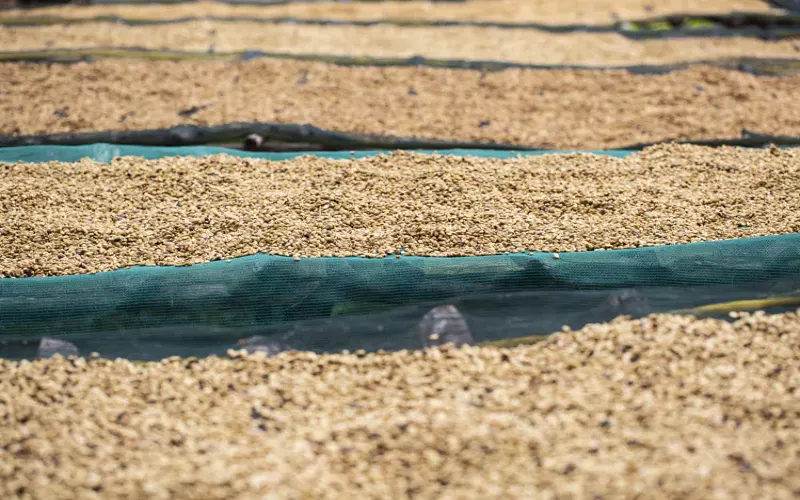
Fruity and floral single-origin beans recommendation | Is Gedeb a coffee region or a coffee variety? How should coffee beginners choose their first bag of Yirgacheffe coffee beans?
The flavor profile of Yirgacheffe is characterized by bright acidity, a non-bitter taste, and a subtle floral aroma. Its flavor is fresh and elegant, and the price is affordable, making it almost an entry-level choice for every coffee enthusiast. If you haven't tried Yirgacheffe yet, we would recommend purchasing a washed Yirgacheffe selection curated by our baristas. [more…]
Ethiopia Select Coffee Beans | What Does Yirgacheffe "Gorodindin" Mean? Which High-Value Light-Roast Hand-Grind Coffee Beans Are Suitable for Beginners?
There is a Yirgacheffe coffee with a very cute name, called "Gotiti," transliterated from Gotiti. Many people initially bought it out of curiosity to try it, but unexpectedly were amazed on the spot by its rich aroma and fresh taste, and thus became loyal fans. So what exactly is the charm that makes the public fall for [more…]
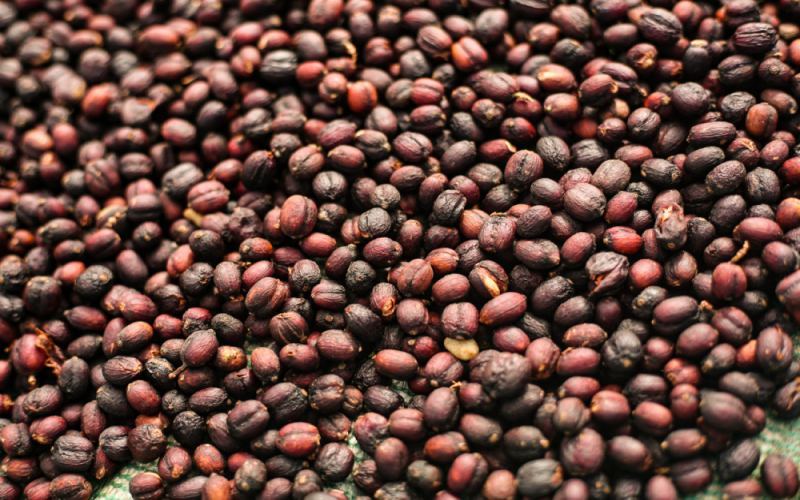
埃塞俄比亚咖啡豆品种与分级全解析:耶加雪菲风味及前街手冲参数
埃塞俄比亚作为咖啡的基因宝库,其豆种繁杂、颗粒大小不一,却造就了明亮果酸与花香交织的独特风味。本文从前街咖啡的视角出发,系统梳理埃塞咖啡的种植采收方式、Heirloom原生种的由来、九大精品产区的风土特色,以及ECX交易制度与G1-G5分级标准。同时详解耶加雪菲、西达莫、花魁等代表豆的风味表现,并附上前街咖啡的V60手冲参数,帮助爱好者全面理解埃塞豆的多样魅力。 [more…]