








On specialty coffee menus, terms like "micro-lot," "cooperative," and "washing station" are appearing more and more frequently, and price tags often jump accordingly. Behind these words lies an entire organizational system of origin—from seed to your pour-over dripper, the supply chain behind a single bag of beans is far more fascinating than you might imagine.
Let's start with the survival structure of smallholder farmers. Across global Arabica-producing regions, millions of smallholder farmers each own a few hectares of land, and a single household's annual output might be just a few bags of green beans. Such small volumes cannot connect directly with international buyers, so cooperatives emerged: farmers deliver coffee cherries or parchment beans to the cooperative, which handles centralized grading, processing, cupping, and price negotiation. The significance of the cooperative model for quality lies in the standardization that centralized processing brings—unified washing stations, fermentation control, and drying sheds give what were originally inconsistent smallholder beans a stable floor.
Micro-lots are a quality breakthrough built on this foundation. When a cooperative or washing station discovers through cupping that a particular highland plot, a certain variety, or a specific farmer's lot has outstanding flavor, it is separated out, given more meticulous processing and drying protocols, and sold in independent bags—this is a micro-lot. It might be a specific plot belonging to one farmer, or a separate harvest of a single variety. Because the volume is small (often just tens to hundreds of kilograms), management costs are high, and the risk is borne alone, the price naturally rises. The extra money you pay for a micro-lot bean buys the chance for that piece of land to be seen on its own.

The washing station is another key player. In Ethiopia, well-known washing stations are themselves a quality endorsement—cherries from the same producing region, delivered to different washing stations, follow completely different flavor paths. The frequency of turning on raised drying beds, the timing of fermentation, the humidity control in the drying environment—the washing station's craft determines the flavor ceiling of the beans. So when you look at the label on an Ethiopian bean, the reference value of the washing station's name is no less than that of the producing region.
From origin to shelf, there are also exporters, importers, and roasters passing the baton layer by layer, with cupping and grading at every stage. Green beans are stored and transported in parchment form; roasters take samples by lot, roast them, cup and score them, and only those that meet the standard enter the production plan. Behind the "Front Street Coffee · Yirgacheffe Goro" you see is a relay of quality control at every link in this chain.
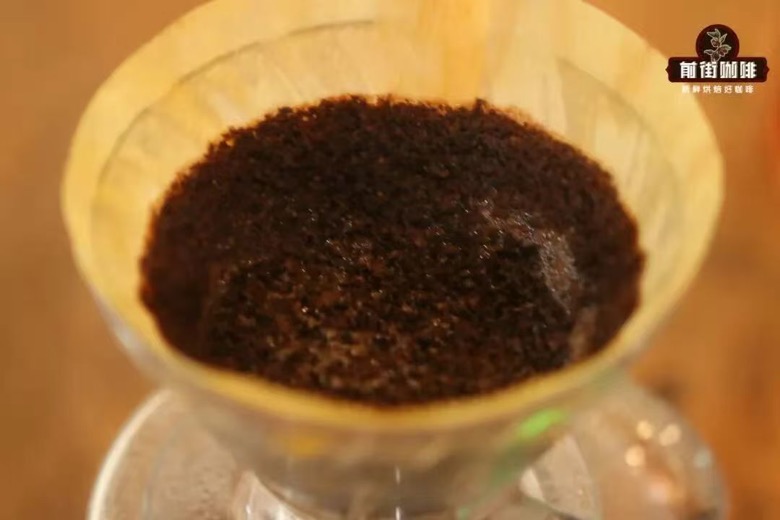
Understanding this chain offers practical help in choosing beans by teaching you to read labels: "cooperative micro-lot" means small-volume, meticulous management; "single washing station" means controllable craftsmanship; "natural/washed" is a choice of flavor direction. Next time you face a bean list, don't just look at the big producing region name—the small print on the label often hides the true identity of that bag of beans.
The above content is compiled by CoffeeHunters, a coffee news website.


