







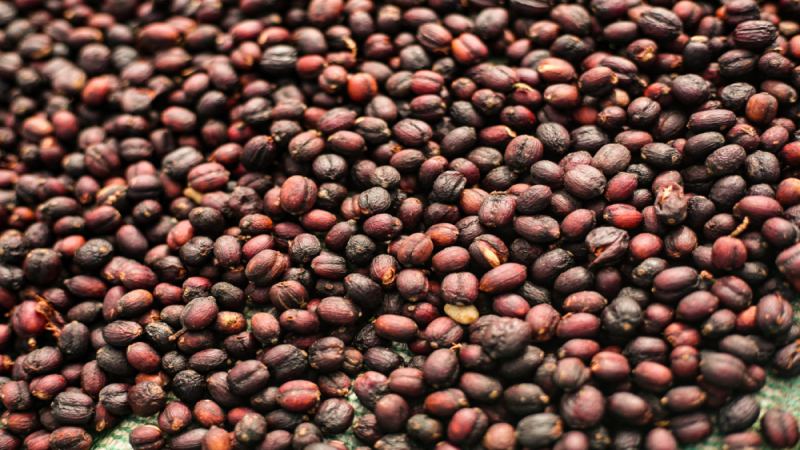
How does Ethiopian coffee grading shape what ends up in the cup?
Ethiopia's coffee is traded through the ECX system and graded G1 to G5, with G1 and G2 reserved for specialty lots. Most beans carry the Heirloom label because variety identification is impractical across such a large native gene pool. Yirgacheffe, Sidamo, and Guji each show distinct terroir within that framework.
For brewing, a V60 with a medium-fine grind, a ratio near 1:15, and a three-pour sequence works well for washed Yirgacheffe, keeping the citrus acidity and floral notes intact. Grading mainly reflects defect count and screen size, not flavor alone, so origin and processing method still carry most of the weight when choosing a bag.
Ethiopia, as coffee's genetic treasure trove, has complex varieties and inconsistent bean sizes, yet creates a unique flavor woven with bright fruit acidity and floral aromas. From the perspective of Front Street Coffee, this article systematically reviews Ethiopian coffee's cultivation and harvesting methods, the origins of Heirloom native varieties, the terroir characteristics of nine major specialty regions, as well as the ECX trading system and G1-G5 grading standards. It also details the flavor profiles of representative beans such as Yirgacheffe, Sidamo, and Huakui, and includes Front Street Coffee's V60 pour-over parameters to help enthusiasts fully understand the diverse charm of Ethiopian beans.
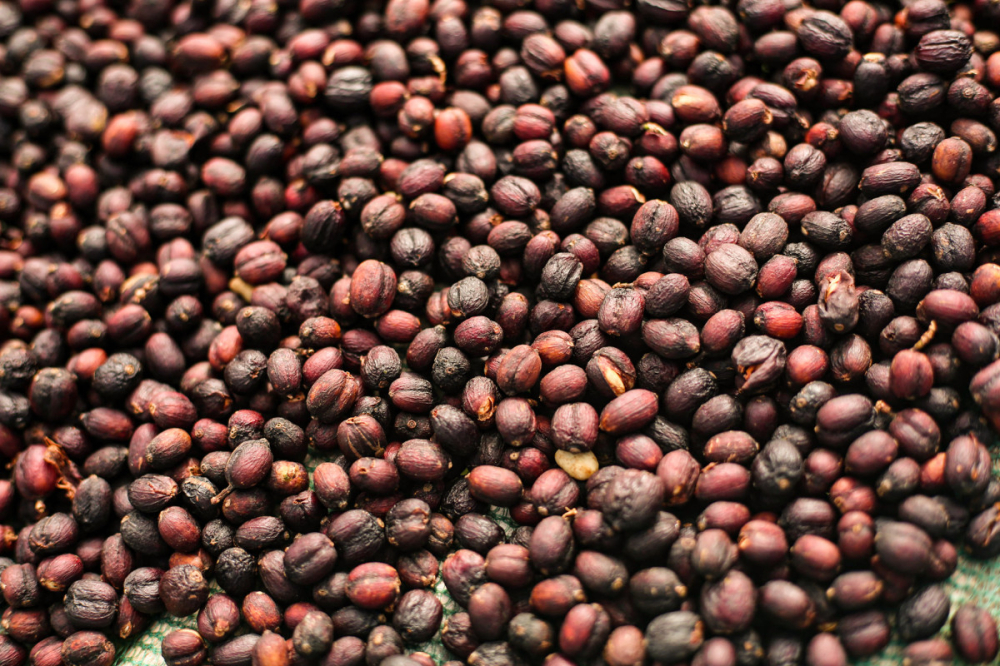
Ethiopia, the birthplace of coffee, has always been a holy land that coffee professionals worldwide yearn for. Many customers who walk into Front Street Coffee start by asking whether the shop has Ethiopian beans, or Yirgacheffe. Indeed, whether they are beginners just getting into coffee or seasoned connoisseurs, all are conquered by Ethiopian beans' bright acidity, honey-like sweetness, and clean, refreshing mouthfeel. Today, Front Street will take everyone to gain a deeper understanding of this major coffee-producing country.
Why are Ethiopian coffee beans always different in size?
Friends who often drink Ethiopian coffee should be familiar with the name [Heirloom native variety]. The vast majority of coffee produced in Ethiopia is labeled with this variety name. The reason is that the number of local coffee varieties is too large, like a natural genetic treasure trove of Arabica. On the one hand, variety identification and classification work is extremely difficult; on the other hand, out of protection intentions, the Ethiopian government is neither willing nor able to disclose specific information about these varieties. In agriculture, only crops that have undergone breeding are given clear species names. Coffee, as a local native crop, is not artificially cultivated, so multiple varieties naturally mix and coexist, and they are therefore collectively called [Heirloom native variety], which is also the reason its flavor is variable and difficult to control artificially.
First, let us understand Ethiopia's coffee cultivation and harvesting methods.
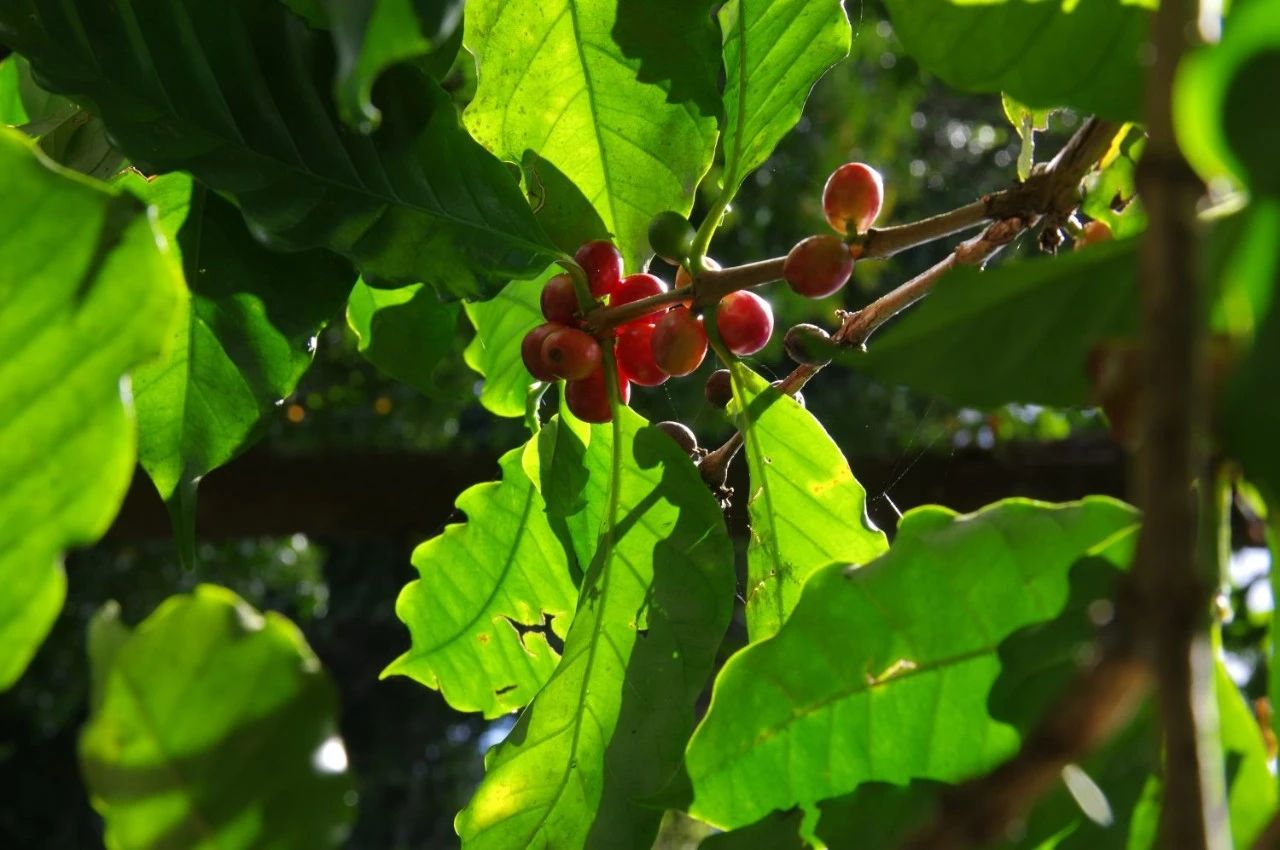
Usually, coffee farmers may cultivate multiple varieties at the same time, or may select outstanding varieties separately for sale. Ethiopia's situation is relatively special: most coffee exists in fields, courtyards, or the forest understory in a wild or semi-wild state. People in tropical regions are accustomed to letting crops grow naturally and are not very willing to invest too much manual management. After the fruit ripens, what coffee farmers harvest is actually a medley of many natural variants. Because these fruits grow under the same terroir conditions, their flavors show a certain similarity, which also forms the basic framework of a coffee region's flavor. Ethiopia has nearly 2,000 recorded coffee varieties, including 1,927 native varieties and 128 introduced foreign varieties. So judging by appearance alone, Ethiopian coffee varieties are like a "grand garden," with long, short, thin, and plump ones all present.
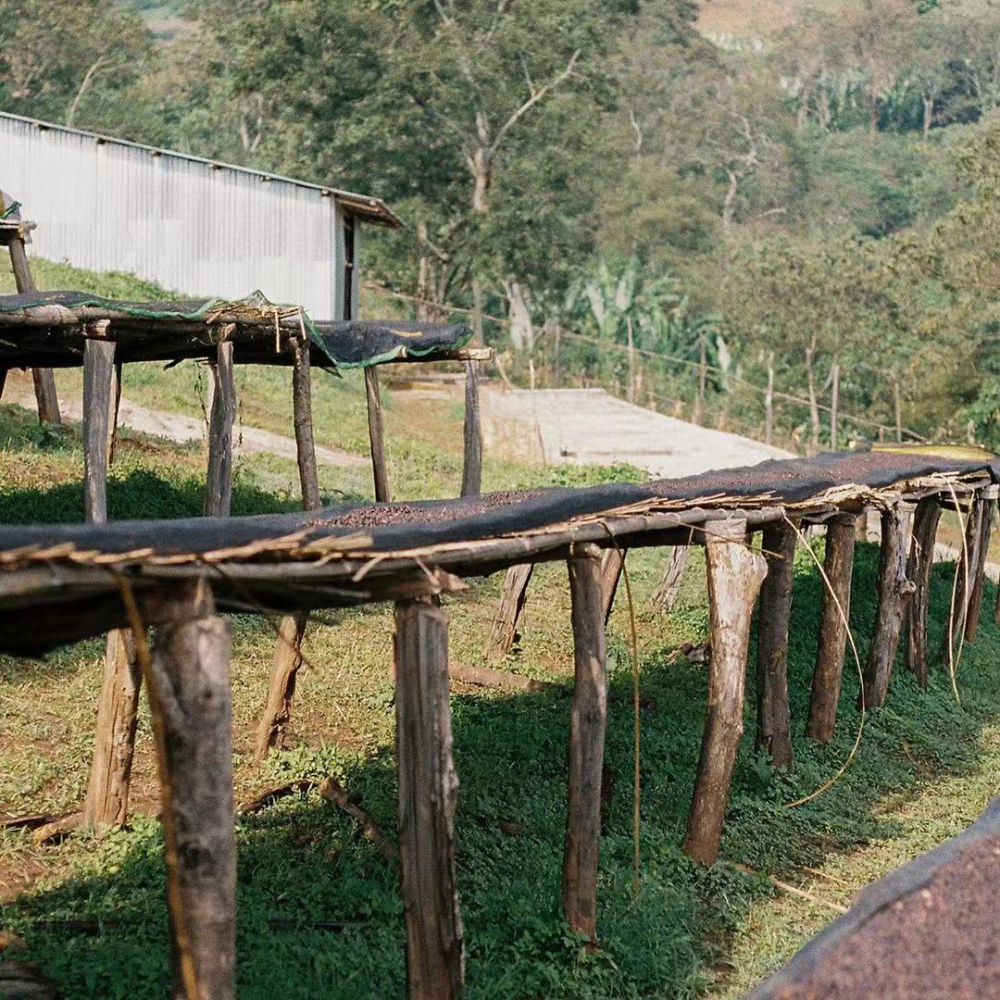
Local wild coffee trees are suitable for growing under trees, especially favoring the forest understory environment. Tree species that can shade coffee are called "Shade Tree, or Shadow Tree"; this cultivation method is called "Shade-grown Coffee." Its advantage lies in reducing ecological impact, and a diverse biological community also helps suppress pests and diseases. When it comes to the cultivation stage, locals use food crops such as bananas to shade coffee, achieving two goals at once. In fact, tea garden regions in China also plant flame trees for shade. In the primitive state, coffee farmers simply harvest together coffee that was distributed together by natural factors and later planted in small amounts.
Once coffee leaves Ethiopia's natural growing environment, it inevitably undergoes breeding, modern commercial cultivation, and grading needs, gradually forming a finished product with uniform varieties and consistent size. This is the biggest difference between Ethiopian beans and beans from other regions. Even Kenya, neighboring Ethiopia, selected SL28 and SL34 as its main cultivated varieties in the 1930s and 1940s, fifty years after it began growing coffee, and also introduced a grading system based on size, such as AA and AB. This is precisely the difference between modern agriculture and primitive agriculture.
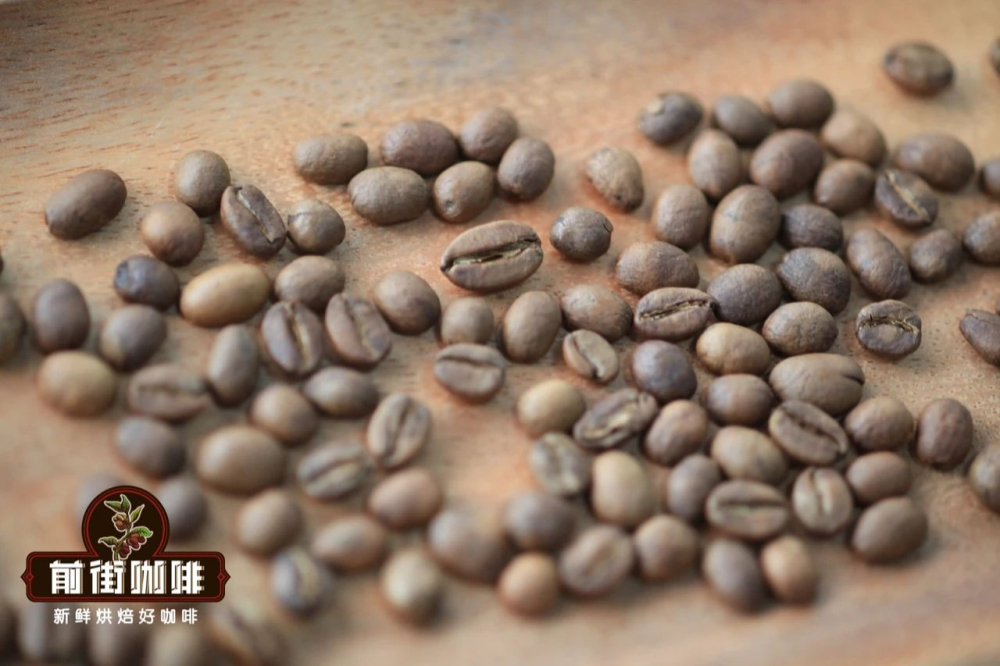
[Long-shaped beans] are distributed throughout Ethiopia's coffee-growing areas. In terms of actual proportions, the western Jimma region, including the Limu and Kaffa forests, has more long-shaped varieties, while Sidamo or Yirgacheffe have fewer.
[Small-bean variety] is relatively round in appearance, with a very small bean body, mostly between 14-15 mesh. Everyone should be most familiar with this variety. I wonder if you have noticed a bean called Huakui; its strawberry cream aroma is precisely influenced by this small-bean variety. In some batches in 2018 and 2019, we did not find this type of variety, and the strawberry cream aroma also disappeared accordingly.
Since the sizes are inconsistent, why is it still called single-origin coffee beans?
The original meaning of single-origin coffee beans is coffee beans from a single region, not a single variety. Front Street believes that as long as the beans are grown in the same region, whether it is a naturally harvested blend of mixed cultivation like Ethiopia or an artificial post-blend like Panama Butterfly Geisha blend, they all belong to single-origin coffee.
Introduction to the Regional Flavors of Ethiopia's Nine Major Specialty Regions
1. Yirgacheffe Specialty Region: Altitude 1,800-2,000 meters
Yirga cheffe is a small town in Ethiopia, at an altitude of 1,700-2,100 meters. It is one of the highest coffee-producing regions in the world and also synonymous with Ethiopian specialty coffee. Lake Turkana, Lake Abaya, and Lake Chamo bring abundant moisture here. In the rift valley represented by Misty Valley, fog pervades all year round, it is like spring throughout the four seasons, with gentle breezes, cool and humid conditions. Thousands of coffee trees thrive and multiply, nurturing Yirgacheffe's unique terroir with intertwined floral and fruity aromas and ever-changing character. The so-called Yirgacheffe flavor refers to rich citrus and lemon fruit acidity, a strong jasmine floral aroma, a light and elegant mouthfeel with tea-like notes, drinking like refreshing, clean lemon tea.
Representative coffee: Front Street Coffee washed Gutingting
2. Sidamo Region: Altitude 1,400-2,200 meters
Sidamo is located in southern Ethiopia. Sidamo coffee beans used to also include Yirgacheffe coffee and Guji coffee. However, the ECX trading system has already separated Yirgacheffe and Guji from Sidamo. Sidamo coffee is rich in fruit acidity and has a strong aroma. Front Street Coffee feels that in terms of aroma, compared with Yirgacheffe, it is no less impressive. It is very suitable for people who like strong flavors but do not like tastes that are too heavy, achieving a perfect balance and neutralization between aroma and mouthfeel.
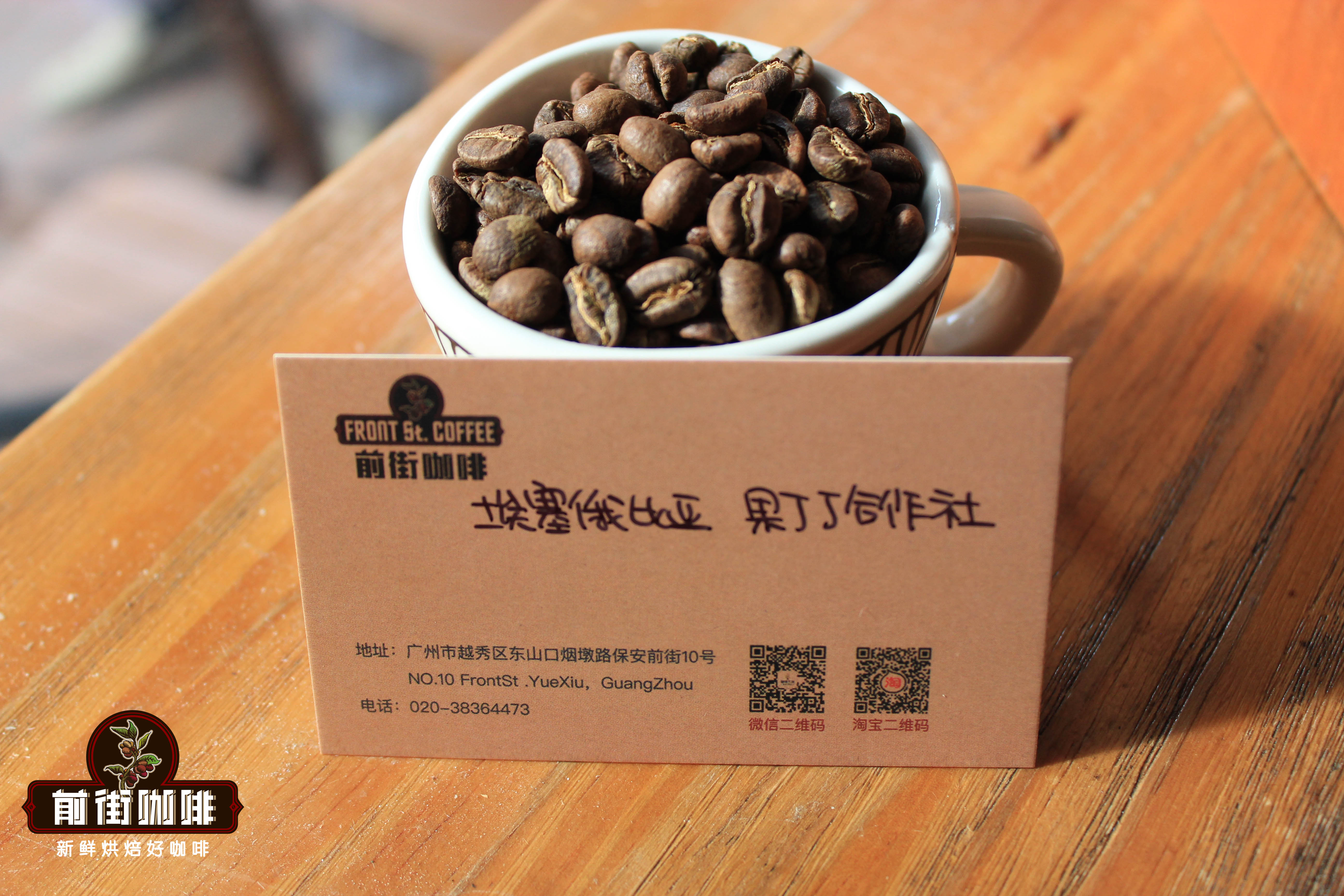
Representative coffee: Front Street Coffee sun-dried Huakui 8.0
3. Limu Region: Altitude 1,200-2,000 meters
Production is relatively small, mainly exported to European and American markets. It is not easy to buy in Taiwan, but it is very popular in Europe and America. It has three processing methods: washed, natural, and semi-washed. Limu's body viscosity is noticeably lower, and its floral and citrus expression is also inferior to Yirgacheffe and Sidamo, but it has an extra grassy aroma and brown sugar aroma, with bright fruit acidity.
4. Harar Region: Altitude 1,500-2,400 meters | Garden Coffee System
Harar exclusively uses natural processing. It is an ancient city in the east, but coffee is not grown in the urban area. The so-called Harar coffee refers to coffee produced on the Hararghe Plateau in the Greater Harar area. Because annual rainfall is only 1,000 mm, all coffee adopts the natural processing method. In terms of flavor, Harar coffee has long been famous for its special [mixed aroma], a typical flavor popular in ancient times. If Harar's defective beans can be sorted cleanly, it is easy to taste berry aromas, with a slightly pleasant fermented mixed aroma.
5. Jimma, a major commercial bean-producing region: Altitude 1,350-1,850 meters
Jimma is the capital of Kaffa Province in the Kaffa forest. The map shows it as Jimma, but coffee burlap bags spell it Djimmah. This is Ethiopia's largest coffee-producing region, accounting for one third of export volume. The Kaffa forest is known for primitive wild varieties. Jimma is the collection and distribution center for coffee from this region. Farmers habitually transport forest-picked coffee to Jimma, then mix hundreds or thousands of varieties together and sell it as commercial beans, causing the aromas of many delicious varieties to be obscured.
Washed specialty Jimma, although lacking Yirgacheffe's orange aroma and floral charm, also has a fairly clean and transparent flavor profile, similar to specialty coffee from Central America. Commercial-grade specialty Jimma is very common in Taiwan. With luck, you can also buy inexpensive, high-quality Jimma, where you can taste the fresh aroma of lemon peel, not inferior to Sidamo. Overall, Jimma is better in flavor than Brazil's large commercial bean Santos, and is a good mid-to-low-priced blend bean.
6. Illubabor (major commercial bean-producing region): Altitude 1,350-1,850 | Forest/semi-forest coffee system |
This region is located in western Ethiopia, right on the border with Sudan, and is the westernmost producing region. Its coffee genetic complexity is second only to the Kaffa forest. The beans are noticeably larger than Yirgacheffe and Sidamo, with relatively low fruit acidity, good viscosity, and balanced flavor. Most coffee from here is shipped to Jimma for blending and is rarely sold independently.
7. Gimbi, Lekempti (major commercial bean-producing region): Altitude 1,500-1,800 | Forest/semi-forest coffee system |
This region has both natural and washed beans. The beans resemble Harar's long beans, and a small amount of specialty grade is also quite popular in Europe and America. Most is praised as the poor man's Harar. Its fruit acidity and fruity flavor are inferior to Illubabor, with a bright flavor.
8. Tepi, Bebeka (major commercial bean-producing region): Altitude 500-1,900 meters | Garden/forest/semi-forest coffee system |
The two producing regions are very close. Tepi is north of Bebeka and has coffee plantations with corporate management. In recent years, it has promoted the garden system to increase farmers' income, with annual output of about 3,000 tons. Both places have wild coffee, with output not high. The flavor is very different from Harar and Yirgacheffe, and low fruit acidity is the biggest characteristic. It is suitable for blend beans and has both natural and washed processing.
9. Lake Tana area (alternative producing region): Altitude 1,840 meters | Forest system |
Monastery coffee. The surrounding forest coffee has extremely small annual output, less than 10 tons, so it is actually not really a producing region. The Eastern Orthodox monasteries, churches, religious murals, and myths around the lake area create the world's most "divine-flavored" coffee. European monks opened up the local coffee-growing industry, which was later operated by coffee communities or cooperatives in villages around the town. There are no dedicated plantations here; coffee trees are naturally scattered in forests and fields. During harvest season, the Ethiopian coffee trading company goes to the town to purchase coffee beans collected by farmers.
Ethiopian Coffee Cultivation
Ethiopia's coffee cultivation is mainly in the western and southern regions. Smallholder families account for 90% of total cultivation. Nearly 1.2 million smallholder families make a living from coffee cultivation, with each household's cultivation area less than 4 hectares. The average cultivation altitude is between 1,000-2,300 meters, planting density is between 1,000-1,800 coffee trees per hectare, and output is nearly 600 kg per hectare.
Most coffee cultivation in Sidamo and Yirgacheffe belongs to the garden coffee model, meaning coffee farmers plant coffee trees near their living areas, harvest them themselves during harvest season, and then send them to nearby processing plants built near water sources for unified processing (or they are purchased centrally by middlemen). Apart from a small number of relatively capable plantations that independently cultivate, pick, and process green coffee beans themselves, coffee beans from many different areas and different cultivated varieties are processed centrally by processing plants and then sent to auction houses for official evaluation and grading.
With Yirgacheffe as the center, from Wenago in the north to Gedeb in the south, broadly speaking, this all belongs to the "Yirgacheffe producing region." The producing areas closest to Yirgacheffe town:
Yirgacheffe Misty Valley: English name Misty Valley. Since the Yirgacheffe region introduced the washed method in the late 20th century, defective beans have been greatly reduced. Local coffee merchant Abdullash Bagersh missed the traditional natural bean flavor, so he improved the natural bean processing method, enhanced the flavor, and reduced the proportion of defects, launching three extremely famous Yirgacheffe natural beans: "Idido Misty Valley, Beloya, and Aricha." Yirgacheffe Aricha: Yirgacheffe Aricha, formerly named Idido. A well-known coffee bean processing plant near Yirgacheffe town. Misty Valley (red marker): The producing area closest to Yirgacheffe (formerly: Idido / now: Aricha coffee bean processing plant)
North of Yirgacheffe town:
Wenago Yirgacheffe Wenago
Dormorso Yirgacheffe Dormorso
The red dot is Yirgacheffe
South of Yirgacheffe town:
Konga Yirgacheffe Konga
Kochere Yirgacheffe Kochere: Yirgacheffe Kochere; some also say the correct pronunciation should be Kochere
Chelelektu Yirgacheffe Chelelektu
Gutiti Yirgacheffe Gutingting: Yirgacheffe Gutingting, located in Gedeb, south of the Yirgacheffe producing region
The Trading System for Yirgacheffe Coffee
According to Ethiopian law, there are three coffee export systems: (1) the largest private processing plant system that exports through ECX bidding; (2) the cooperative system; (3) the single farm system. Among these three systems, cooperatives and single estates can export directly without going through ECX bidding, and can be said to have completely reliable traceability/product history. But if we dig deeper, cooperatives after all also purchase coffee cherries harvested by smallholders for centralized processing, so they are not 100% traceable. The plantationization of coffee cultivation is a development trend.
Ethiopia Commodity Exchange The "Ethiopia Commodity Exchange" (hereinafter referred to as ECX) was founded in 2008 by Eleni Gabre-Madhin, former senior economist at the World Bank and director of the International Food Policy Research Institute (IFPRI). The original intention of founding ECX was to create Ethiopia's and even Africa's first commodity exchange, and by introducing modern trading rules and technologies such as pricing mechanisms, warehousing and logistics, and instant communication tools, to change the situation of high trading risk and high transaction costs in Ethiopia's agricultural product market, and to build an effective, reliable, and transparent commodity market.
At its founding, ECX was widely praised and considered likely to transform Ethiopian agriculture and reduce famine and poverty. In the past, Ethiopian farmers often because in overwhelming media reports, ECX claimed that through rural cooperatives, ECX provided market access for more than 2.4 million smallholder farmers. ECX's coffee trading operation model is roughly as follows: first, farmers sell coffee cherries to local washing stations. Some washing stations pay higher prices to purchase higher-quality coffee cherries. The washing stations send processed green beans to warehouses at delivery stations.
ECX is equivalent to a "distribution center" and has achieved the following:
1. Prices are better guaranteed. It purchases coffee beans from coffee farmers at a constant and relatively favorable price, then stores them;
2. Coffee grading, with higher prices for better quality;
3. Timely information. Coffee farmers can immediately obtain information such as transaction prices, regional processing stations, and regional coffee warehouses by making a phone call;
4. Establishment of warehouses & processing plants. As of 2012, Ethiopia had 56 warehouses distributed across 17 locations, of which 9 locations had coffee warehouses, reducing transportation costs. Taking the Yirgacheffe area as an example, the delivery station is Dila. Green beans are labeled according to producing region and graded according to green bean quality and cupping results. The higher the overall quality, the higher the selling price. Traders purchase green beans through ECX, but packaging at most indicates the producing region and village, for example "Yirgacheffe: Konga" / "Yirgacheffe: Kochere."
Coffee Cooperative Names and Introductions
Farmers' Cooperative Union
In order to facilitate direct export by farmer cooperatives, farmer cooperatives in various places have jointly established their own cooperative unions. Ethiopia now has 6 cooperative unions (Farmers' Cooperative Union), namely
● Oromia Coffee Farmers Cooperative Union (OCFCU)
● Sidama Coffee Farmers Cooperative Union (SCFCU)
● Yirgacheffe Coffee Farmers Cooperative Union (YCFCU)
● Kafa Forest Coffee Farmers Cooperative Union (KFCFCU)
● Bench Maji Coffee Farmers Cooperative Union (BMCFCU)
● Tepi Coffee Farmers Cooperative Union (TCFCU)
The advantage of cooperative unions is that they unite scattered smallholders and cooperatives into a large collective, participate in international projects such as Fairtrade, provide a unified export channel for contacting buyers externally, pay a certain proportion of proceeds to the cooperative, and the cooperative deducts management fees, retains a portion for community development, and pays the remainder to smallholders. Smallholders can obtain income more stably and conveniently and cope with cultivation and living expenses. This is also the reason why more and more smallholders are willing to join cooperatives.
Sigiga Cooperative (1600-2500 meters)
Producing region: Gedeo-Kochere
Number of members: 1,862
Land type: red-brown soil
Certifications: Fair Trade, UTZ sustainable cultivation, Organic coffee
Finchewan Cooperative (1450-2000 meters)
Producing region: Gedeo-Wenago
Number of members: 1,271
Land type: red-brown soil
Certifications: Fair Trade, Organic coffee
Konga Cooperative (1750-2300 meters)
Producing region: Gedeo-Yirgacheffe
Number of members: 1,556
Land type: red-brown soil
Certifications: Fair Trade, Organic coffee
Hafursa Cooperative (1750-2300 meters)
Producing region: Gedeo-Yirgacheffe
Number of members: 1,975
Land type: red-brown soil
Annual green coffee bean output: 798,000 kg
Average farm size: maximum 4 hectares, annual output about 600 kg per hectare
The cooperative has a washing station
Certifications: Fair Trade, Organic coffee
Resa Cooperative (1000-1400 meters)
Producing region: Gedeo-Wenago
Number of members: 2,719
Land type: red-brown soil
Can provide two sets of coffee processing equipment
Certifications: Fair Trade, Organic coffee
Addis Katema Cooperative (1000-1400 meters)
Producing region: Gedeo-Wenago
Number of members: 891
The cooperative has a washing station
Land type: red-brown soil
Certifications: Fair Trade, Organic coffee
Biloya Cooperative (1600-2500 meters)
Producing region: Gedeo-Kochere
Number of members: 1,203
Land type: red-brown soil
Provides two sets of coffee processing equipment
Certifications: Fair Trade, Organic coffee
Worka Cooperative (1650-2700 meters)
Producing region: Gedeb
Number of members: 305
Land type: red-brown soil
Annual green coffee bean output: 457,000 kg
Average farm size: maximum 4 hectares, annual output about 699 kg per hectare
The cooperative has all processing equipment
Certifications: Fair Trade, Organic coffee
Koke Cooperative (1750-2300 meters)
Producing region: Gedeo-Yirgacheffe
Number of members: 828
Land type: red-brown soil
Can provide one set of processing equipment
Certifications: Fair Trade, UTZ sustainable cultivation, Organic coffee
Hama Cooperative (1600-2500 meters)
Producing region: Gedeo-Kochere
Number of members: 1,505
Land type: red-brown soil
Can provide one set of processing equipment
Certifications: Fair Trade, Organic coffee
Chichu Cooperative (1410-2000 meters)
Producing region: Gedeo-Dila
Number of members: 1,675
Land type: red-brown soil
Average farm size: maximum 4 hectares, annual output about 591 kg per hectare
Can provide one set of processing equipment
Certifications: Fair Trade, Organic coffee
Michile Cooperative (1410-2000 meters)
Producing region: Gedeo-Dila
Number of members: 1,206
Land type: red-brown soil
Average farm size: annual output about 592 kg per hectare
Can provide one set of processing equipment
Certifications: Fair Trade, UTZ sustainable cultivation, Organic coffee
Hase Haro Cooperative (1450-2000 meters)
Producing region: Gedeo-Wenago
Number of members: 1,519
Land type: red-brown soil
Average farm size: maximum 4 hectares, annual output about 591 kg per hectare
Can provide one set of processing equipment
Certifications: Fair Trade, Organic coffee
Dumerso Cooperative (1750-2300 meters)
Producing region: Gedeo-Yirgacheffe
Number of members: 246
Land type: red-brown soil
Can provide two sets of processing equipment
Certifications: Fair Trade, Organic coffee
Tumticha Cooperative (1410-2000 meters)
Producing region: Gedeo-Yirgacheffe
Number of members: 960
Land type: red-brown soil
Can provide two sets of processing equipment
Certifications: Fair Trade, Organic coffee
Aramo Cooperative (1750-2300 meters) (90+ Clinique producing region)
Producing region: Gedeo-Yirgacheffe
Number of members: 2,254
Land type: red-brown soil
Can provide two sets of processing equipment
Certifications: Fair Trade, Organic coffee
Edido Cooperative (1750-2300 meters)
Producing region: Gedeo-Yirgacheffe
Number of members: 1,044
Land type: red-brown soil
Can provide one set of processing equipment
Certifications: Fair Trade, Organic coffee
Adame Cooperative (1000-1400 meters)
Producing region: Gedeo-Wenago
Number of members: 533
Land type: red-brown soil
Can provide one set of processing equipment
Certifications: Fair Trade, Organic coffee
Belekara Cooperative (1000-1400 meters)
Producing region: Gedeo-Wenago
Number of members: 685
Land type: red-brown soil
Can provide one set of processing equipment
Certifications: Fair Trade, Organic coffee
Adado Cooperative (1200-1700 meters)
Producing region: Sidamo-Bule
Number of members: 1,128
Land type: red-brown soil
Can provide one set of processing equipment
Certifications: Fair Trade, Organic coffee
Haru Cooperative (1200-1700 meters)
Producing region: Gedeo-Yirgacheffe
Number of members: 1,187
Land type: red-brown soil
Can provide one set of processing equipment
Certifications: Fair Trade, Organic coffee
This is why many Ethiopian coffee beans are named and distinguished by processing plant or cooperative, and it is also one of the reasons why the same batch of coffee beans contains multiple coffee varieties. The flavor of coffee beans from the same processing plant can even differ noticeably between batches. Under the Ethiopian Ministry of Agriculture there is a department called the Cupping and Liquoring Unit CLU, specifically responsible for approving the quality of exported coffee, and this includes the very important duty of defining grades; CLU existed before ECX appeared.
Before ECX appeared, for washed coffee, export grades were divided into G1 and G2; for natural coffee, export grades were G3, G4, and G5, meaning the highest grade for natural coffee was G3. After ECX appeared, grading was redefined. The names for washed grading were unchanged, while for natural coffee, G1 appeared for the first time. This is why Ethiopian natural coffee now appears on the market as G1 and G2, while G3 is gradually becoming less common.
In addition to varieties, let us also look at Ethiopia's coffee grading system.
In Ethiopia's coffee grading system, the classification system beginning with G and divided into 5+1 grades is the most common (Z is a new grade that appeared in recent years). The smaller the number, the better. Ethiopia mainly looks at the defect rate, based on "the number of defective beans allowed per 300 grams of green beans," listed as follows:
Ethiopia introduced washed processing around the 1970s. At that time, washed processing was regarded as a higher-grade method because it made it easier to obtain uniform quality. Therefore, in the early years, only washed coffee could rank in G1-G3, while natural coffee was G4-G5. However, in recent years, the wave of natural coffee revival emerging in the market has allowed natural beans to rank in the top three grades as well, and this has become normal.
Left: washed Sidamo Grade1 Right: washed Sidamo Grade2
Washed beans Grade1 means 0-3 defective beans per 300 grams of green beans; Grade2 means 4-12 defective beans per 300 grams. Of course, in reality the standards for defective beans used by sellers and buyers must differ somewhat (otherwise why could we pick out so many defective beans?), but the comparison of defect rates is still very easy to distinguish. G1 clearly has fewer defective beans than G2. This means that, excluding the influence of specific flavor and roast level, Ethiopian G1 coffee beans are of better quality and receive higher scores than G2 coffee beans. This is very obvious in defective flavors, but it does not necessarily mean G2 beans taste worse than G1, only that G1 has fewer bad beans. According to this grading method, bean quality and uniformity are not necessarily related. At the same time, G1 and G2 both belong to the Q1 grade.
So what exactly are defective beans?
Green coffee beans often contain impurities and bad beans, and these bad beans are what we usually call "defective beans." Types of green bean defects
● Full Black
◎ Characteristics: The whole bean or part of the green bean appears black and opaque.
◎ Cause: Blackening is caused by excessive fermentation, such as fermented or stinky odors, dusty off-flavors, and moldy, sour, or rotten flavors.
● Full Sour. Partial Sour
◎ Characteristics: Beans that appear yellow-brown or red-brown are identified as sour beans.
◎ Cause: Sour beans occur when beans undergo fermentation and become contaminated by bacteria during harvesting and processing.
● Fungus Damage
◎ Characteristics: In the early stage, fungus-damaged beans have yellow-brown to red-brown spots indicating erosion by bacterial spores.
◎ Cause: Fungus-damaged beans usually occur because mold spores are present on the beans, and after harvest they are stored at a certain temperature and humidity that allows mold to grow and infect the beans.
● Insect damage
◎ Characteristics: Distinguished by small black holes 0.3-1.5 mm in diameter, usually on the inner side of the coffee bean.
◎ Cause: Insect damage is the most serious problem in coffee agriculture. When the fruit is still on the tree, insects have already bored into the fruit to reproduce.
● Broken bean
◎ Characteristics: Broken beans usually have a dark red area due to oxidation.
◎ Cause: Broken beans usually occur during pulping or dry processing when machines are incorrectly calibrated or there is excessive friction or squeezing, causing the beans to crack.
● Immature bean
◎ Characteristics: Immature beans can be identified by their pale and yellow-green skin or white spots on the skin.
◎ Cause: There are many reasons for not reaching full maturity, including improper harvesting of immature fruit and berries that do not have time to mature late in the season in higher-altitude areas.
● Deformity beans
◎ Characteristics: Abnormal shape, with the center cut slightly swollen.
◎ Cause: Growth defects, physiological factors.
● Shell
◎ Characteristics: Shell beans are formed by separation and deformation from either the inside or the outside at the same time.
◎ Cause: Mainly caused by genetic mutation.
● Floater
◎ Characteristics: Floating beans look especially white or faded, and the green beans may have spots.
◎ Cause: Due to processing, this defect is caused by improper storage or drying, usually leading to fading or lower bean density.
Summary
Because Ethiopia is different from Brazil, Indonesia, and even neighboring Kenya, it grades according to the defect rate of coffee beans, so there is obvious inconsistency in coffee bean size. Especially after roasting, different coffee varieties expand at different rates during roasting, further widening the differences between coffee bean sizes. But this does not mean these beans are bad. Bad beans all remain in Ethiopia. It is precisely this inconsistency in size that means where there is loss, there is gain. The mixing of varieties and the inconsistency in bean size are precisely the reasons for the rich flavors and colorful aromas of Ethiopian coffee.
How does Front Street brew Ethiopian coffee beans?
In order to fully extract the fruity acidity of the Ethiopian producing regions, Front Street uses a higher water temperature and a finer grind for extraction, but to avoid over-extraction caused by high temperature, it uses a faster-flow dripper, such as the V60 dripper. The V60 dripper has a 60-degree cone shape. The conical angle allows coffee grounds to concentrate, and when pouring water it also allows the water flow to automatically gather toward the center of the dripper, ensuring sufficient contact time between water and coffee grounds, thereby extracting suitable coffee liquid. In addition, the ribs on the inner wall of the V60 dripper extend from the bottom to the top in a clockwise spiral, leaving enough gap between the filter paper and the dripper, making the water flow more fluid. Combined with the large hole at the bottom, the flow rate is relatively faster than many drippers.
Front Street Coffee's specific brewing parameters are: V60 dripper, water temperature 90-91°C, water-to-coffee ratio 1:15, coffee dose 15 g, grind size BG#6m (80% passing through China No. 20 standard sieve)
Front Street Coffee uses staged extraction. The amount of water for blooming is twice the coffee grounds, that is, 30 grams of water for 30 seconds. Then pour in a small stream in circles to 125 grams and pause. When the water level drops and is about to expose the coffee bed, continue pouring to 225 grams and stop. The total extraction time is 2 minutes.
The above content is compiled by CoffeeHunters, a coffee news website.


