







Search Results for: extraction variables
Why Extract Coffee at Different Temperatures? Analyzing Three-Temperature Variable-Temperature Brewing and Pour-Over Water Temperature Selection
In pour-over coffee, when extraction parameters are too high, it is usually possible to dial them back, but if over-extraction is caused by too many fines from the grinder, adjusting parameters alone is often not enough to solve the problem. In this case, sifting out the fines or adopting variable-temperature brewing are both response options recognized by Front Street Coffee. This article will focus on variable-temperature brewing: it is not a minor adjustment of 2~3°C, but rather segmented extraction with a larger temperature differential, controlling the dissolution rhythm of flavor compounds through high-temperature fast extraction and low-temperature slow release. The article will trace the origins of this method, analyze the championship cases of Wu Zelin and Emi, explain how to use cold water to regulate temperature and achieve a variable-temperature operation that starts high and ends low, and share in detail the practical process of the "Devil Brewing Method" by Tetsu Kasuya, which Front Street Coffee favors. [more…]

Hand-brewed coffee variable-temperature brewing method: How different water temperatures affect flavor layers and extraction results
In the world of pour-over coffee, water temperature has never been a fixed parameter. At world-class brewing competitions, many competitors use variable-temperature brewing, precisely steering the flavor direction of the coffee by using different water temperatures at different stages. Front Street Coffee conducted a set of comparative experiments using the same Panama Elida Typica beans, brewing them with three approaches: constant temperature, high temperature in the early stage followed by a temperature drop in the later stage, and low temperature for blooming followed by high temperature in the later stage and then a temperature drop. They measured concentration and evaluated the flavor. The results showed that variable-temperature brewing can significantly change the acidity, sweetness, and aftertaste of the coffee. This article will walk you through the operating techniques, experimental data, and flavor differences of variable-temperature brewing, helping you control your pour-over parameters more flexibly. [more…]
Temperature Variation Techniques in Coffee Brewing: Three Low-Temperature Water Methods to Unlock Geisha's Floral Aroma and Sidra's Fruity Notes
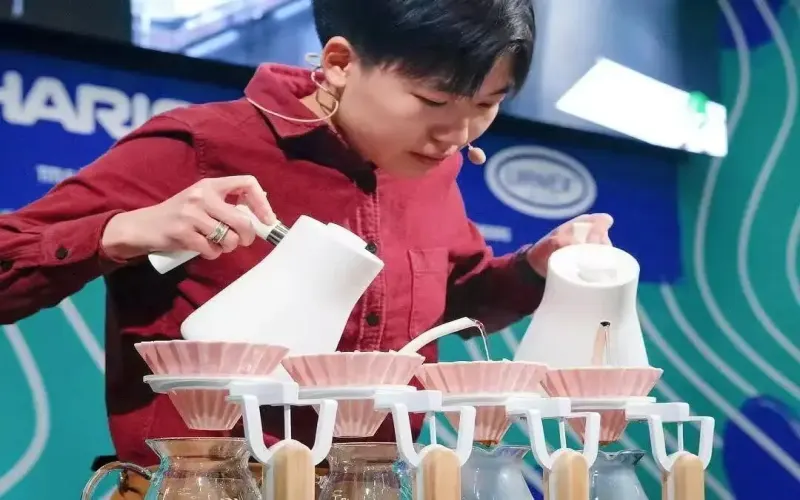
In recent years at the World Coffee Brewing Championship, competitors have frequently used low-temperature water for brewing, and even champion brewers have shared similar approaches. In fact, this isn't truly cold water, but a variable-temperature brewing method using water cooler than conventional hot water—extracting coffee in stages with multiple water temperatures to regulate the speed and amount of soluble compounds dissolving, thereby achieving the ideal flavor. This article shares three common and practical variable-temperature brewing methods: the bloom variable-temperature method, the final-stage variable-temperature method, and the immersion variable-temperature method. Using Panama Geisha and Finca La Frontera Sidra as examples, Front Street provides detailed parameters such as water temperature, grind size, and coffee-to-water ratio to help you easily try it at home. [more…]
How to Choose the Water Temperature for Pour-Over Coffee? From Extraction Principles to Variable-Temperature Brewing, Understanding the Impact of Temperature on Flavor in One Go
What role does water temperature actually play when brewing coffee? Front Street Coffee believes that while it is crucial, it is not the only factor determining flavor. The higher the temperature, the faster the extraction of soluble substances, but excessively high water temperatures quickly bring out bitterness, so adjustments need to be made within a safe range. Most coffee beans are suitable for brewing at water temperatures of 86–93°C, though the specific setting should be flexibly adjusted based on the growing region, roast level, and flavor goals. This article will move from the basic range and common misconceptions to the variable-temperature brewing methods that have become popular in recent competitions, and analyze Wu Tsung-Lin's three-temperature brewing method to help you accurately grasp temperature as a variable. [more…]
How to Use a Flat-Bottom Dripper with Adjustable Flow Rate? Hero Variable-Speed Cake Dripper Hands-On Review and Three Brewing Recipes
What kind of brewing experience does a flat-bottom dripper with manually switchable extraction modes actually deliver? Front Street recently got its hands on Hero's variable-speed cake dripper, which uses a knob mechanism to offer three flow-rate settings—immersion, slow, and uniform—while its flat-bottom design makes it quite beginner-friendly. Front Street has brewed beans such as washed Butterfly Flower, Mozart, and Juliette Geisha with it, and also tried extending the variable-speed function to iced pour-over scenarios, comparing it with the V60. This article provides a complete record of three sets of brewing parameters, flavor performance, and detailed issues found during use, for coffee enthusiasts' reference. [more…]
Pour-over Coffee Brewing Tips | What Is the Ideal Water Temperature for Pour-over Coffee? How Does Brewing Water Temperature Affect the Flavor and Mouthfeel of Pour-over Coffee?
If you ask whether water temperature is important for extraction, Front Street Coffee believes it is important, but not that important. As a tool for adjusting the extraction rate, the higher the temperature, the easier it is to extract soluble substances, but because too high a water temperature will cause coffee to quickly release bitterness, a conservative range should be chosen. Generally speaking, the vast majority on the market [more…]
Three-Temperature Pour-Over Method Explained: A Complete Guide to Variable-Temperature Staged Extraction Workflow and Parameters
Among the many variables in pour-over coffee, water temperature is often seen as the most conservative one—once a value is chosen, it is no longer changed. However, Wu Tzelo, the 2016 WBC champion, turned water temperature into a powerful tool for regulating flavor in stages. His invented "sauna pour-over method" extracts sequentially through three temperature ranges—94°C, 90°C, and 80°C—allowing acidity, sweetness, bitterness, and umami to each find their proper place. In this article, Front Street will fully replicate this technique, breaking down the extraction logic and practical parameters behind variable-temperature brewing one by one, from equipment preparation and staged pouring rhythm to the final flavor presentation, helping you understand why water temperature can become the key lever for adjusting coffee balance. [more…]
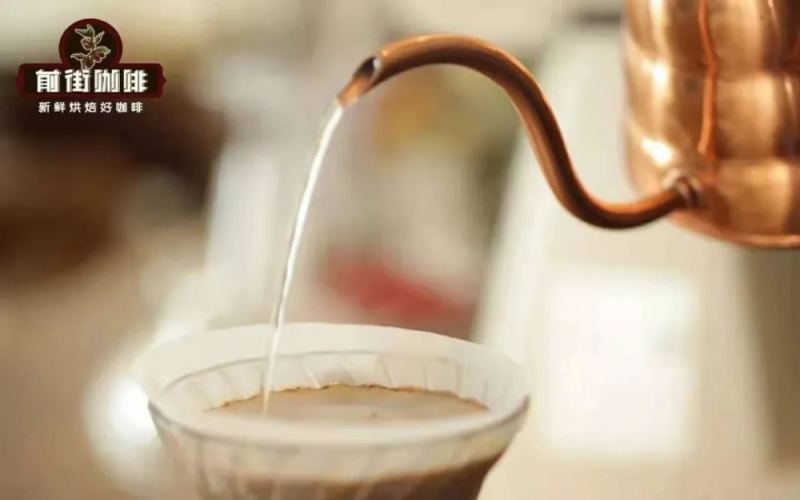
A Detailed Guide to Six Pour-Over Coffee Brewing Techniques: One-Pour, Three-Stage, 4:6 Method, Variable Temperature, Volcano Pour, and Stirring Method
The charm of pour-over coffee lies in the diversity of brewing methods, as different pouring techniques bring out entirely different flavor expressions. This article systematically sorts through six common pour-over techniques—single-pour, three-stage, 4:6 method, Santuario variable-temperature brewing, volcano pour, and stirring method—analyzing each one by one from the logic of pouring, parameter ratios to flavor characteristics, and explaining their respective applicable scenarios and operational difficulties. Using specific parameters such as 15g coffee to 225ml water and 20g coffee to 300ml water as examples, the article helps readers understand the extraction principles behind each technique. At the same time, it retains Front Street Coffee's practical experience with the three-stage method and grind adjustment for coffee enthusiasts to refer to and compare. [more…]
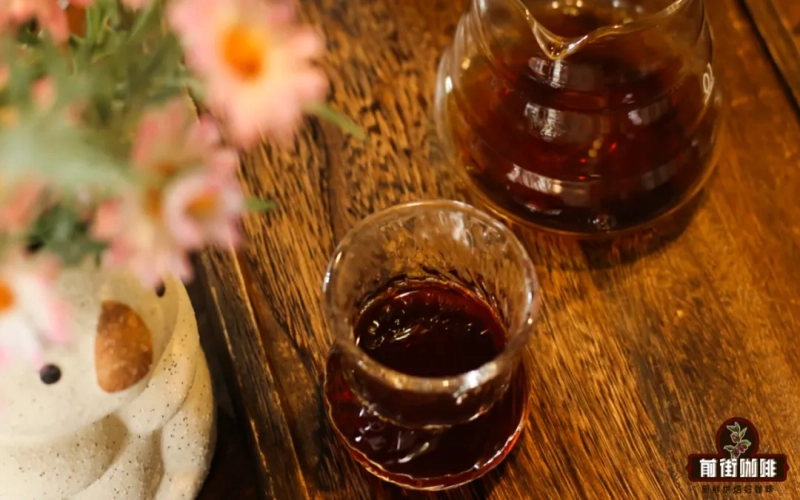
How to Make Coffee Floral Notes More Prominent? Yirgacheffe Gotingding Variable Temperature Brewing Method and Geisha Flavor Analysis
Floral notes are one of the most captivating flavors in coffee, and many people fall head over heels into the rabbit hole precisely because they tasted florals in a cup. But consistently brewing clear floral notes at home is no easy task: you need to choose the right floral beans, and you also need a brewing strategy that keeps the florals from being masked or fading too early. From the perspective of Front Street, this article first explains where floral notes come from, covering factors such as variety, altitude, processing, and roasting; then, drawing on the approach of 2022 WBrC champion Sherry, it shares a three-pour, variable-temperature brewing scheme, and uses Yirgacheffe·Gedeb as an example to give reproducible parameters and step-by-step instructions. [more…]
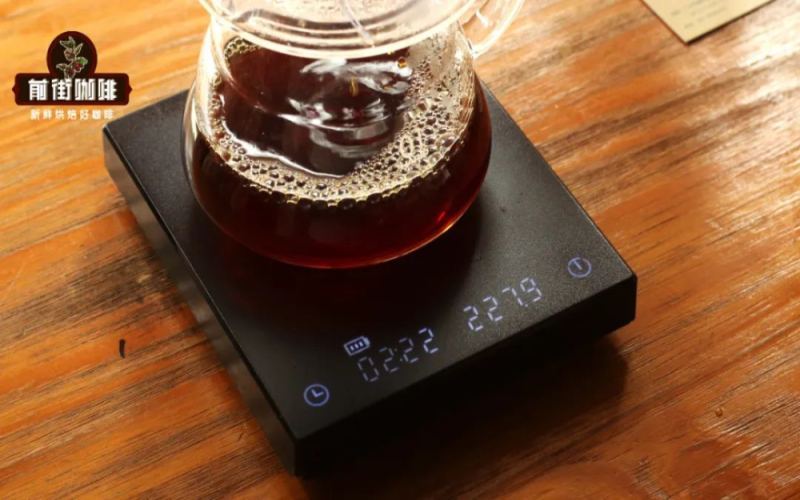
Analyzing the Core Elements of Pour-Over Coffee Extraction: Master Three Key Variables to Stabilize Flavor Output
Many coffee enthusiasts often encounter a confusion when practicing pour-over: even when strictly following the tutorial, the taste brewed each time is vastly different, and whether it tastes good or not seems to depend entirely on luck. Front Street is also frequently asked in conversations with customers—there are so many variables affecting pour-over, which one is truly the key to determining flavor? In fact, water temperature, coffee-to-water ratio, grind size, pouring technique, time, and water quality—these six elements together influence the extraction result, among which grind size is often the most easily overlooked yet extremely core link. This article will break down the actual roles of these parameters one by one, helping everyone clarify their thinking, identify the direction for adjustment, and make every cup of pour-over more controllable. [more…]
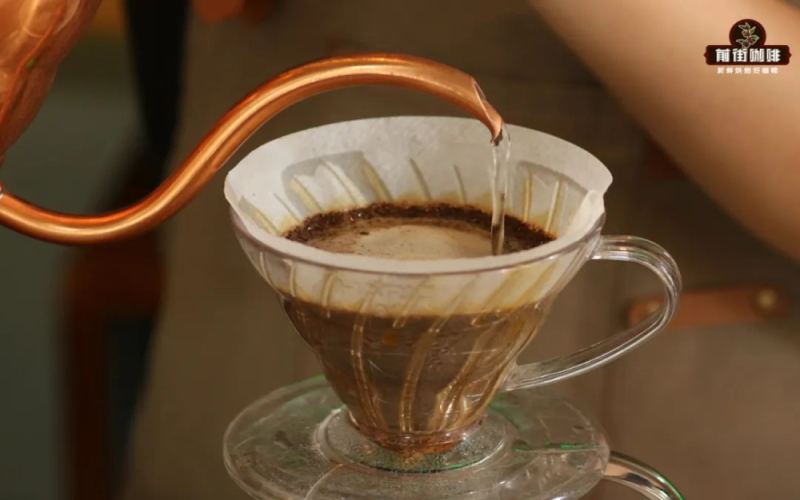
What variables affect the extraction time of pour-over coffee? A complete analysis of time references under different pouring techniques and parameters
The extraction time for pour-over coffee is not a fixed value; it fluctuates noticeably with variables such as pouring technique, coffee dose, coffee-to-water ratio, and grind size. Using a 15-gram dose as a baseline, this article systematically outlines the reference durations for the single-pour method and the three-pour method, and analyzes one by one the actual effects of increasing or decreasing the dose, adjusting the coffee-to-water ratio, and changing the grind setting on extraction time. At the same time, drawing on brewing practice data from Front Street Coffee, it explains how to use extraction time in reverse to judge whether pouring is appropriate and whether the grind is reasonable, so you can calibrate your own pour-over parameters more precisely. [more…]
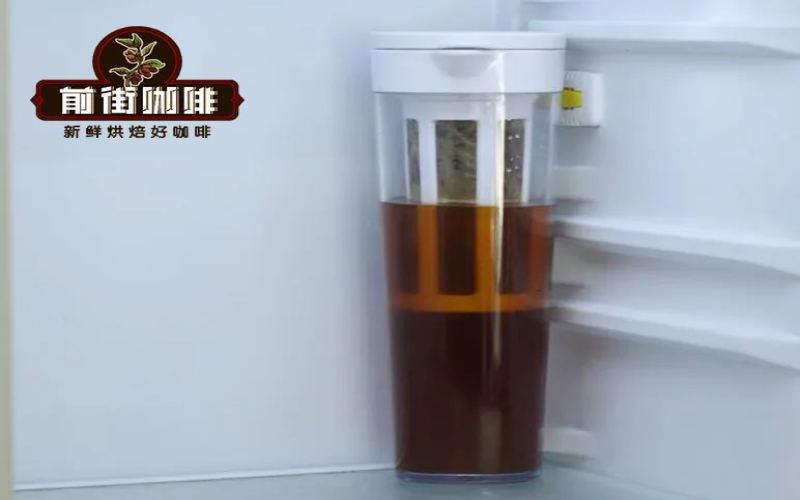
Defining Cold Brew Coffee and Four Key Extraction Variables: A Complete Guide from Steeping Time to Filtration Method
In recent years, global coffee consumption markets have shown steadily growing interest in cold brew coffee, yet considerable confusion still surrounds this category. Cold brew is essentially an extraction method, not a specific form of cold drink—it refers to the process of slowly dissolving flavor molecules from coffee grounds using low-temperature water as the medium. Compared with hot-water brewing, cold brew's extraction efficiency is greatly reduced due to the constraints of water temperature, so it is necessary to control factors such as time, bean condition, stirring technique, and filtration precision in order to obtain a cup of iced coffee with balanced acidity and sweetness and a clean mouthfeel. Front Street Coffee, combining in-store practical experience with comparative experiments, has sorted out four key variables that affect cold brew flavor, along with operation suggestions that can be replicated at home, for coffee enthusiasts to check item by item. [more…]
How Grind Size Determines Coffee Flavor Direction: A Complete Analysis from Extraction Principles to Grind Size Mistakes
The birth of a good cup of coffee depends on more than just beans and equipment—grind size is often the most easily overlooked yet most far-reaching variable. The sweet, sour, bitter, and other flavor compounds in coffee dissolve into water in a specific order, and grind size is the core lever controlling this process. This article will guide you through understanding the essence of extraction, recognizing how coffee ground size changes the final taste, and analyzing the typical problems that arise when grinding too coarse or too fine. Whether you brew with pour-over or espresso, mastering the relationship between grind and strength is the first step in building a stable brewing recipe. [more…]
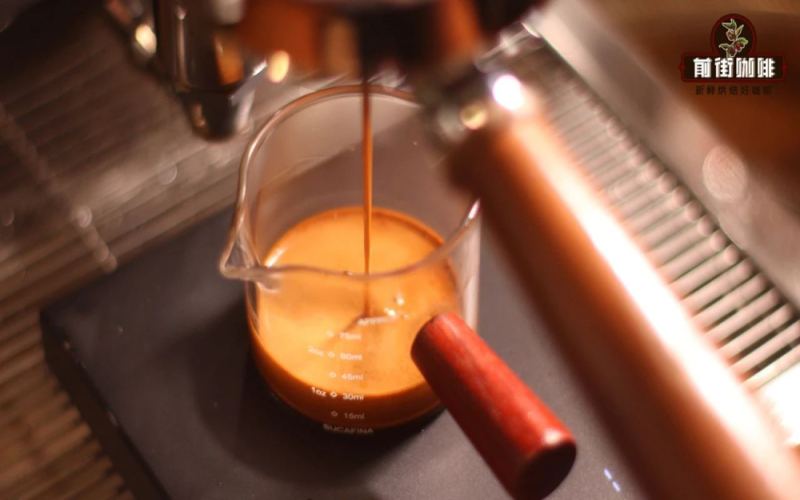
Espresso Extraction Adjustment Guide: A Full-Process Analysis from Parameter Variables to Iced Americano Preparation
The soul of an Americano lies in the quality of the espresso. Yet dialing in espresso often feels daunting—even professional baristas need multiple attempts when facing a new bean. Drawing on the hands-on experience of Front Street Coffee, this article systematically breaks down the various parameters that affect espresso extraction, explains in detail the adjustment logic behind the three core variables of grind size, dose, and yield, and offers specific correction plans based on flavor performance. In addition, the article includes a standardized procedure for making iced Americano, as well as the many health benefits of drinking Americano in moderation, providing coffee lovers with a complete reference from dialing in to serving. [more…]
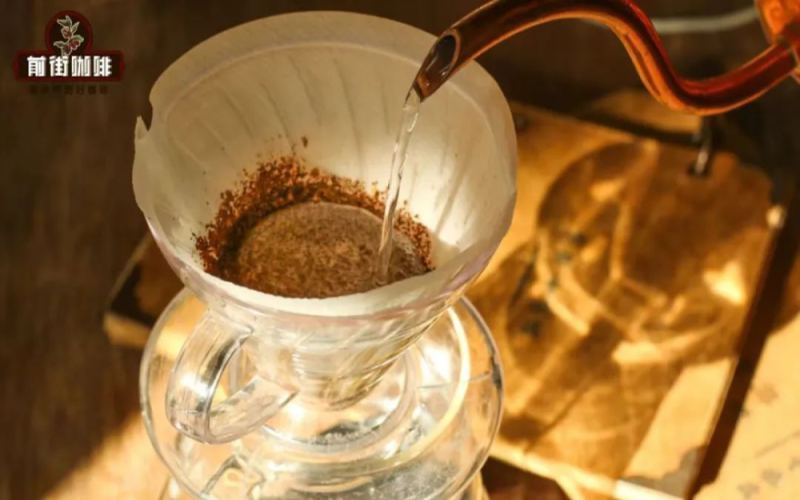
When should espresso extraction timing start? Master the time variable to precisely adjust flavor
The starting point for measuring extraction time may seem like just a matter of a few seconds, but it actually has a profound impact on judging and adjusting coffee flavor. Many coffee enthusiasts are often confused by this in practice: should espresso timing begin when the machine is started, or after the liquid begins to flow? In this article, Front Street Coffee sorts out the correct way to measure extraction time and takes a deeper look at why time is an indispensable part of extraction parameters. From the bloom pour in pour-over brewing to the pressurized permeation in espresso, understanding how time interacts with other parameters can help you quickly pinpoint the problem when the flavor goes off, making every adjustment more purposeful. [more…]
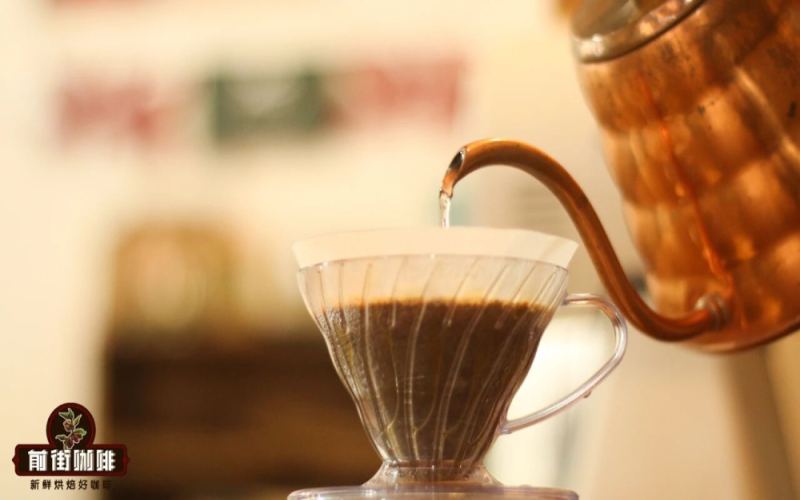
A Practical Guide to Pour-Over and Drip Bag Coffee: Equipment Selection, Flavor Variables, and Front Street Brand Recommendations
At a time when coffee machines are ubiquitous, pour-over coffee, with its simple equipment and emphasis on feel, has become the choice of connoisseurs pursuing refined flavors. This article begins with the selection of pour-over equipment, explaining in detail how key tools such as the grinder, filter paper, gooseneck kettle, and dripper affect flavor, and analyzes the characteristics of pour-over extraction: fast speed, many variables, and diverse flavors. The article also recommends Front Street brand coffee beans such as Geisha, Flower Queen, Cerrado, Strawberry Candy, Mozart, and Golden Mandheling, tailored to different taste preferences. Finally, it includes simple brewing steps for drip bag coffee, covering details such as water temperature, blooming, and pouring, helping readers easily enjoy a cup of single-origin coffee even when busy. [more…]
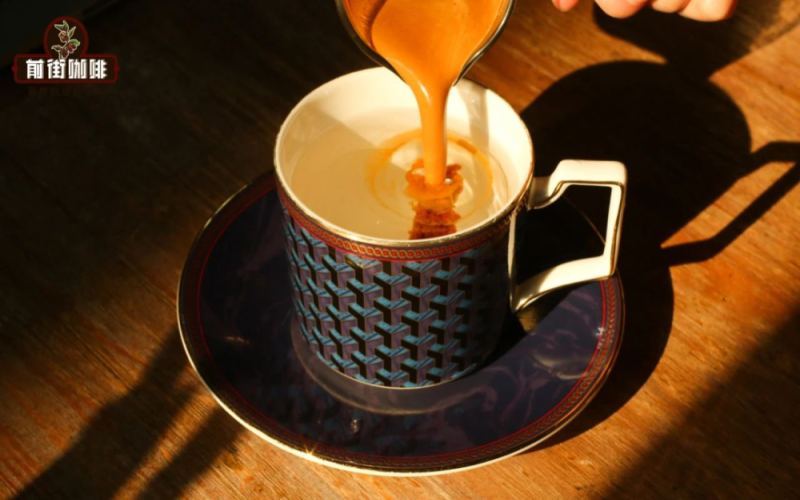
Why does iced Americano made from the same beans taste different? Analyzing the four major variables affecting espresso extraction and the preparation standards
When you order an iced Americano at a café, sometimes the taste feels a little different from last time—same shop, same beans, yet the fruity acidity, body, and aroma may shift subtly. This difference is not an illusion, but the result of multiple variables working together: the resting state of the coffee beans, weather and humidity, hopper pressure, and temperature changes in the grinder during continuous shots. This article will break down these factors affecting espresso extraction one by one, and explain the parameters and logic behind making a standard iced Americano, helping coffee lovers understand the espresso system behind a delicious cup. [more…]

How Do Pour-Over Parameters Shape Coffee Flavor? Analyzing the Link Between Brewing Variables and the Essence of Coffee Beans
Can the same coffee beans produce two completely different flavors? This involves the logic of how brewing parameters regulate flavor release. The acidic, sweet, and bitter compounds in coffee are released at different rates, and by adjusting water temperature, grind size, time, and pouring technique, it is indeed possible to change the final taste to a certain extent. However, brewing is ultimately only the final link in the coffee chain, with a limited range of adjustability, and outstanding flavor comes more from the quality of the coffee beans themselves. Front Street Coffee will use examples to explore the flavor differences between the one-pour method and the three-pour method, and why bean selection determines the ceiling of a cup of coffee more than the brewing method does. [more…]
Key Variables That Determine Espresso Flavor and a Complete Guide to Making Americano
The soul of an Americano lies in the quality of its espresso, yet dialing in espresso parameters often gives coffee lovers a headache. Drawing on the hands-on experience of Front Street Coffee, this article systematically breaks down the core variables that shape espresso flavor—grind size, dose, and yield—and offers a step-by-step tuning method to help you quickly find your ideal extraction solution at home. It also provides practical guidance on working backward from flavor to adjust parameters, along with the standard method for making iced Americanos and several health benefits of drinking Americano coffee, making it a worthwhile read for anyone looking to refine their espresso skills. [more…]
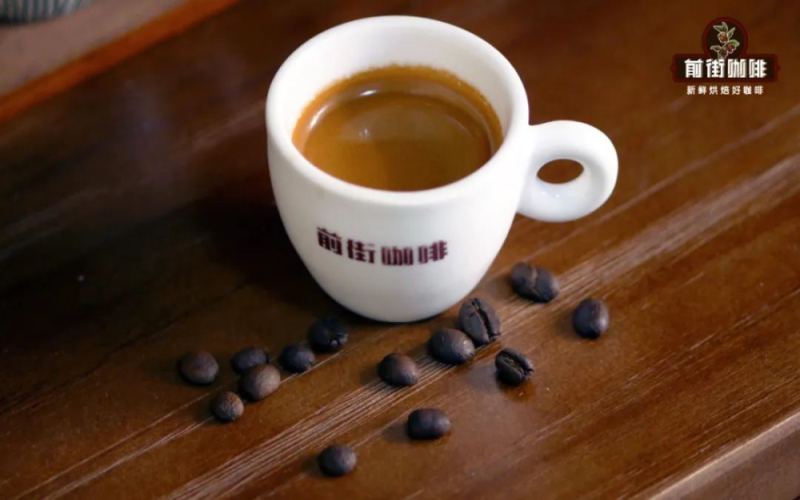
A Complete Guide to Espresso Extraction: From Milliliter Standards to Nine Key Variables
Espresso tastes bitter? The problem likely lies in the extraction process. Front Street Coffee begins with the century-long evolution of espresso machines, sorts out the operating parameters of modern Italian coffee machines, and uses the Lelite V3 as an example to fully demonstrate the production process of an espresso. From dose and distribution to water pressure, water temperature, grind size, extraction yield, and crema condition, nine key variables are broken down one by one to help you understand the technical logic behind a qualified espresso and find the adjustment direction that suits your own flavor preferences. [more…]