







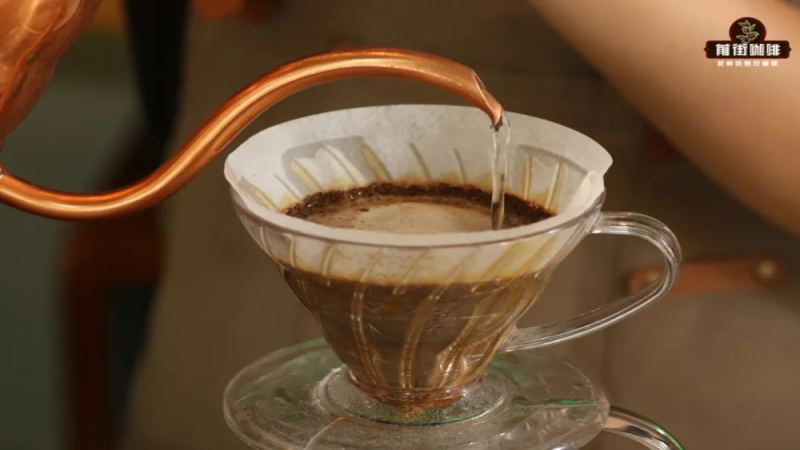
How do coffee particles and pouring method affect extraction time?
Pour-over extraction time is not fixed. It shifts with pouring technique, dose, coffee-to-water ratio and grind size. Using 15 grams of coffee, a single pour after blooming runs about 1 minute 40 seconds, while a three-pour method runs about 2 minutes 10 seconds. Time only compares meaningfully when the pouring method stays the same.
Dose matters too: 20 grams with the three-pour method takes roughly 2 minutes 30 seconds, longer than 15 grams at about 2 minutes, because total water rises with the same ratio. Grind setting and the resulting coffee particles, along with bean size, change flow. Comparing your time against a roaster's recommendation shows whether pouring or grinding needs adjustment.
The extraction time for pour-over coffee is not a fixed value; it fluctuates noticeably with variables such as pouring technique, dose, coffee-to-water ratio, and grind size. Using 15 grams of coffee as the baseline, this article systematically outlines the reference durations for the one-pour and three-pour methods, and analyzes one by one how changes in dose, coffee-to-water ratio, and grind setting affect actual extraction time. It also draws on Front Street Coffee's brewing practice data to explain how extraction time can be used in reverse to judge whether pouring is appropriate and whether grinding is reasonable, so you can calibrate your own pour-over parameters more precisely.
Pouring method Friends often ask Front Street what the standard duration is for brewing a cup of coffee. In fact, when different pouring methods are used, the reference standards for extraction time are not uniform. If we consistently use 15 grams of coffee as the baseline, the one-pour method—completing the pour in a single go after blooming—has an extraction time of about 1 minute 40 seconds, while the three-pour method—dividing the pour into three stages after blooming—has an extraction time of about 2 minutes 10 seconds.
Only when the pouring method is fixed to the same one does extraction time have value for horizontal comparison. For example, when you buy coffee beans, the merchant usually includes brewing recommendations. If you strictly follow the recommended parameters but your final extraction time differs noticeably from the value the merchant gives, then the problem most likely lies in the pouring stage.
If the flow rate is too high, extraction time may be compressed; if the flow rate is reduced, extraction time may be stretched. Therefore, the deviation in extraction time can be used as a basis for adjusting pouring intensity.
Dose When the dose increases, the total amount of water also rises under the premise that the coffee-to-water ratio stays the same, so extraction time is naturally prolonged. For example, when brewing 20 grams of coffee, the time should be appropriately longer than when brewing 15 grams. When Front Street brews 15 grams of coffee with the three-stage method, the extraction time is about 2 minutes; when switching to the same method for 20 grams of coffee, the extraction time is about 2 minutes 30 seconds.
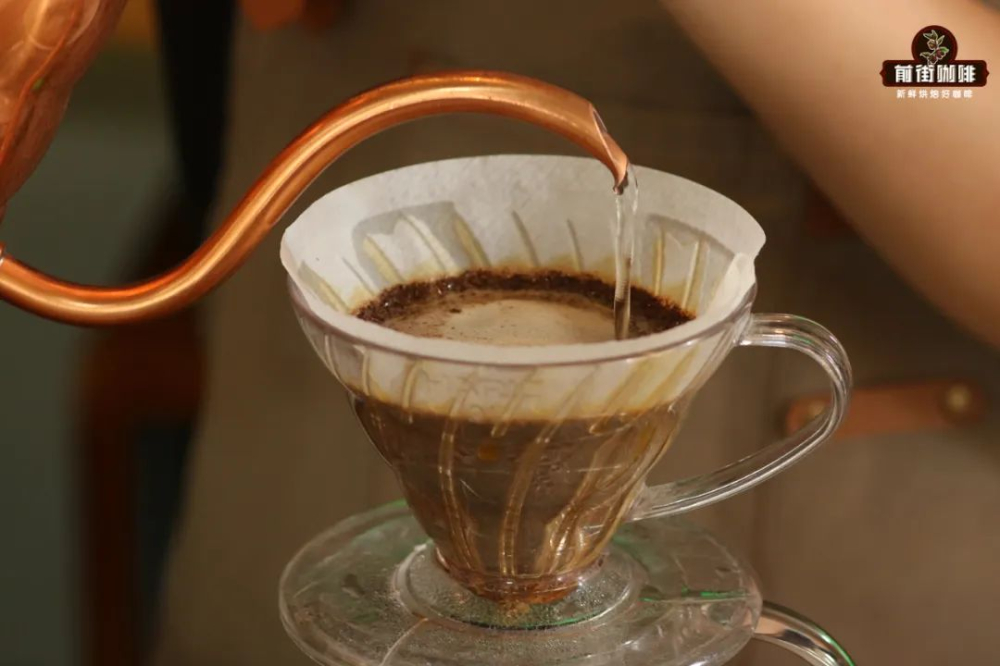
Coffee-to-water ratio The coffee-to-water ratio directly determines the total amount of water poured, and the larger the total amount of water, the longer the extraction time will be accordingly. Still taking 15 grams of coffee as an example, if a 1:15 ratio is used, meaning 225 milliliters of water is poured, the extraction time for three-stage brewing is about 2 minutes; if changed to 1:18, meaning 270 milliliters of water is poured, the extraction time under the same method is about 2 minutes 30 seconds.
Grind size The coarseness or fineness of coffee particles also affects pour-over extraction duration. Coffee grounds act as a barrier in the dripper that blocks the passage of water. When the grind is coarser, the gaps between particles are larger, water passes through more quickly, and the extraction time is correspondingly shortened.
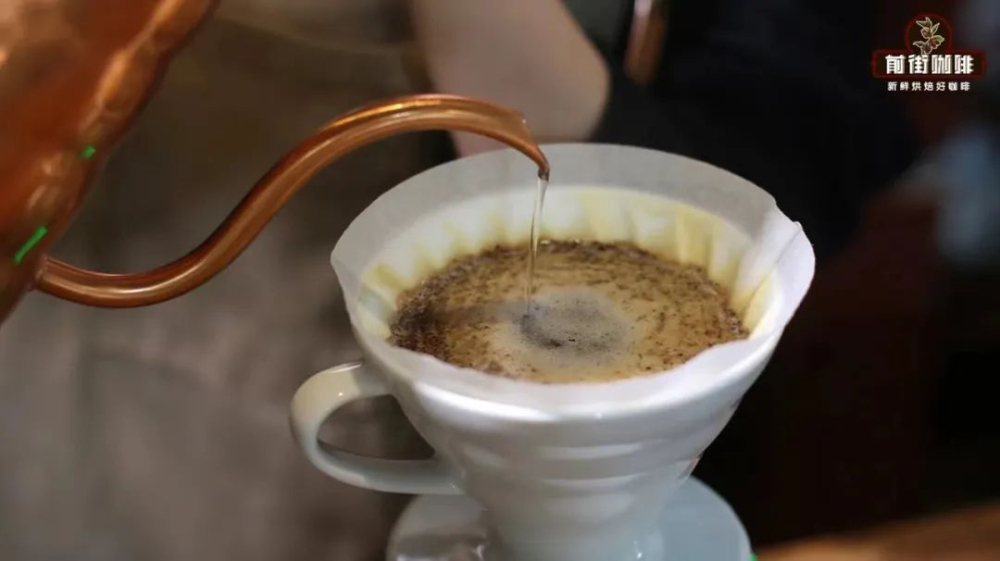
When the grind is finer, the spaces between particles become narrower, water flow is hindered, and the extraction time is thereby prolonged.
As is well known, the grind size for pour-over coffee should be neither too coarse nor too fine, but as for exactly how coarse or how fine it should be, many merchants give only vague answers such as "the size of coarse granulated sugar."
However, if the extraction time provided by the merchant is also taken into consideration, you can more accurately pin down the grind size of the coffee grounds.
The above content is compiled by CoffeeHunters, a coffee news website.


