







Search Results for: espresso evaluation
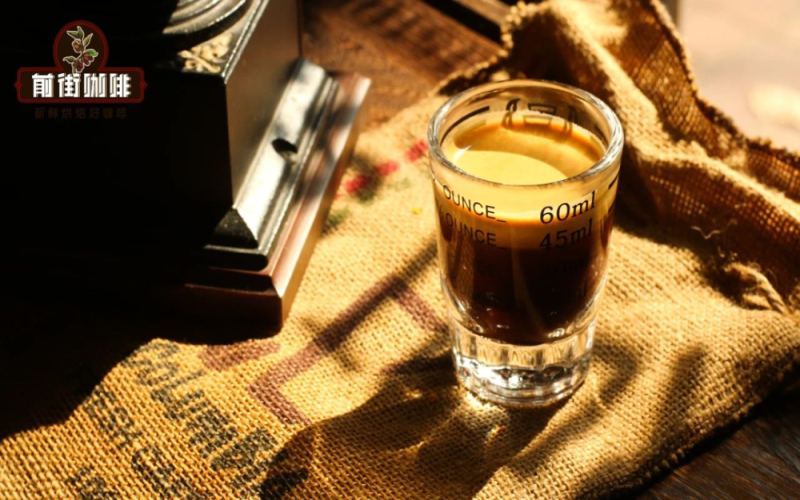
How to Determine Espresso Dose? An Analysis of Espresso Flavor Evaluation Methods
Espresso is the core of Italian coffee, and its dose selection and flavor evaluation are key concerns for coffee enthusiasts. Starting from the definition and history of espresso, this article traces its evolution from its invention in Italy in the early 20th century to the development of modern coffee machines, and provides a detailed introduction to the reference dose ranges for single and double shots with different portafilter basket diameters. At the same time, the article also offers a systematic sensory evaluation method, covering aroma, the balance of acidity, bitterness, and sweetness, body, flavor layers, and overall balance, helping readers appreciate a cup of Espresso more professionally. The article also incorporates Front Street Coffee's product recommendations, providing practical references for daily brewing and bean selection. [more…]
How to Identify High-Quality Coffee Beans? An Analysis of Specialty Coffee Evaluation Standards and Selection Key Points
In the face of a dazzling array of coffee beans, how can one judge quality? Currently there is no unified international definition of specialty coffee, but the Specialty Coffee Association of America and coffee-producing countries each have their own set of evaluation criteria. The former scores based on dimensions such as dry and wet aroma, acidity, body, aftertaste, flavor, and balance, while the latter focuses on conditions such as variety, altitude, terrain, and processing method. This article systematically sorts out these standards and summarizes the core characteristics of specialty coffee beans in terms of variety, growing environment, harvesting and processing, and grading, storage, and transport, while also explaining the freshness, healthfulness, and flavor performance that specialty coffee beverages should have. At the end, it also recommends Front Street Coffee's espresso blend solutions for different needs, for the reference of coffee enthusiasts and industry professionals. [more…]
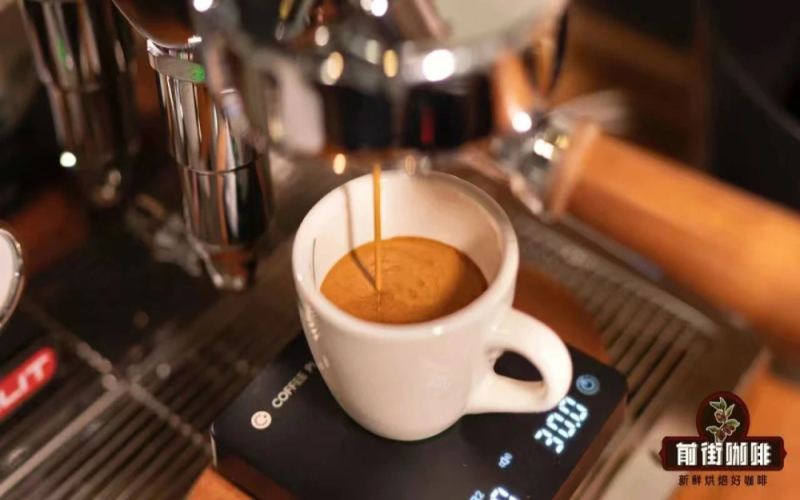
Espresso Tasting Guide: Why It's Served with Ice Water, How to Drink It Properly, and Key Flavor Evaluation Points
Espresso often exists as a hidden menu item in most cafés, and many people new to coffee are both curious and unfamiliar with it. This article begins with the origins of espresso and the purpose of drinking it, explains how it differs from pour-over coffee in flavor expression, focuses on why a glass of ice water is served alongside it, and breaks down step by step the complete tasting process—from rinsing the mouth, stirring, and sipping in stages to drawing in air to sense the finish. It also introduces the Sunflower Warm Sun blend used at Front Street Coffee locations, helping readers understand the beans and extraction logic behind a good espresso. [more…]
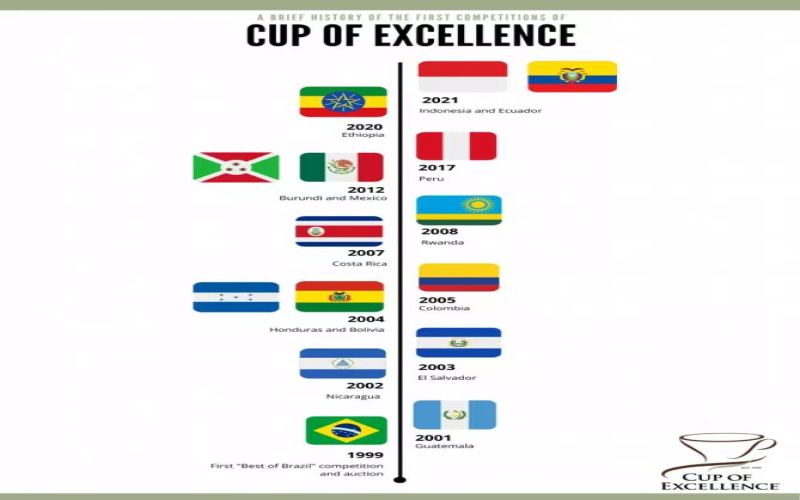
An Analysis of the SCAA and COE Coffee Certification Systems: Differences in Scoring Standards and Their Essential Distinction from SOE
In the world of specialty coffee, the SCAA and COE are two authoritative systems that cannot be overlooked. The former established industry standards and cupping protocols, while the latter selects top-tier green beans through rigorous competitions. How do their scoring logics differ? And why are COE and SOE often confused? This article will trace the development and operational mechanisms of the SCAA, CQI, and COE, explain in detail the differences in cupping score sheets, and use the example of the 22nd-place sun-dried Typica that Front Street Coffee bid for at Ethiopia's first COE competition in 2020 to present the complete story from origin to cup. [more…]
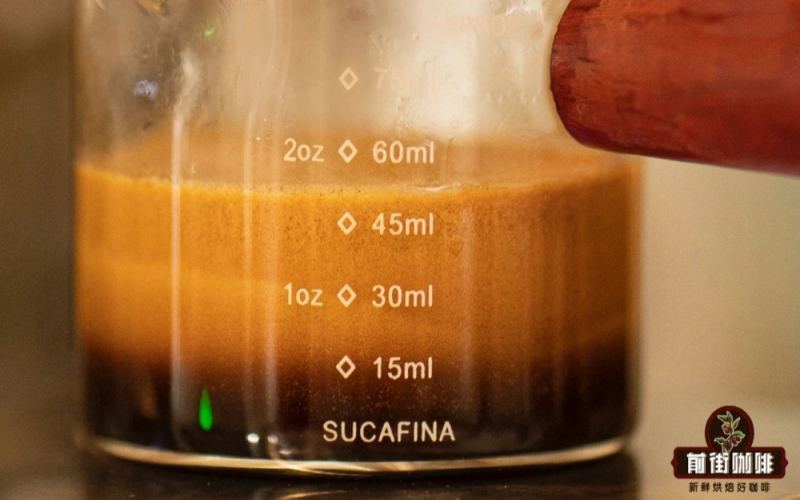
Where Does the Crema Layer of Espresso Come From? Understanding the Causes, Evaluation Criteria, and Common Issues in One Article
That golden, velvety layer of crema on the surface of an espresso—Italians call it crema—is not just a visual finishing touch, but also an important clue for judging extraction quality. What exactly is this layer of crema made of? Why can only an espresso machine produce it? From the perspective of Front Street Coffee, this article systematically sorts out the formation principles of crema, the standards for good quality, and the causes and solutions for common problems such as thin, pale, rough, and clumpy crema, helping you more accurately read the condition of a cup of Espresso. [more…]

2024 WBC World Barista Championship Rule Updates: Refined Provisions on Judge Conflicts of Interest and Milk Selection
The SCA recently published the latest rules and regulations for the 2024 World Barista Championship. Overall, the changes are not extensive; they mainly focus on further clarifying the wording regarding the judging process, conflict-of-interest declarations, and milk selection, while also adjusting the method for evaluating the tactile assessment of espresso. For coffee professionals and enthusiasts who follow the direction of the competition, these detailed changes may directly affect competitors' preparation strategies and judges' officiating standards. This article will sort through the key points of the rule changes one by one to help readers quickly grasp the key adjustment directions of this year's WBC. [more…]

Does latte art enhance coffee flavor? Analyzing the actual effect of visual presentation on taste evaluation
Latte art is the craft of a barista drawing patterns on the surface of an espresso with steamed milk foam. Does it actually change the taste and mouthfeel of a latte? This article analyzes the question from three angles: visual psychology, preparation technique, and quality of integration. Through comparative experiments, Front Street Coffee found that, provided the coffee beans, milk, extraction, and ratios are all on point, latte art and no latte art make no noticeable difference to taste—but latte art places higher demands on foam quality and evenness of integration. The article also explores the balance between pattern complexity, preparation time, and the drinking experience, helping enthusiasts view the relationship between latte art and flavor rationally. [more…]

What are the differences between single and double espresso shots? Front Street explains taste evaluation and suitable coffee bean selection
For friends who love espresso, the difference between a single shot and a double shot lies not only in the dose, but also has a direct impact on the flavor and strength in the cup. Front Street Coffee systematically sorts out the core differences between the two, from extraction parameters and the choice of filter basket and portafilter to grind size adjustment, and shares how to judge whether a shot of espresso is up to standard from three dimensions: sight, smell, and taste. The article also explores in depth what kind of coffee beans should be used for espresso, explains in detail the trade-off logic between blends and SOE, and recommends four beans specially formulated by roasters—Front Street Classic Blend, Specialty Blend, Commercial Blend, and Dark Cocoa Blend—along with reference pour-over parameters for espresso beans, providing coffee lovers with a complete and practical espresso guide. [more…]
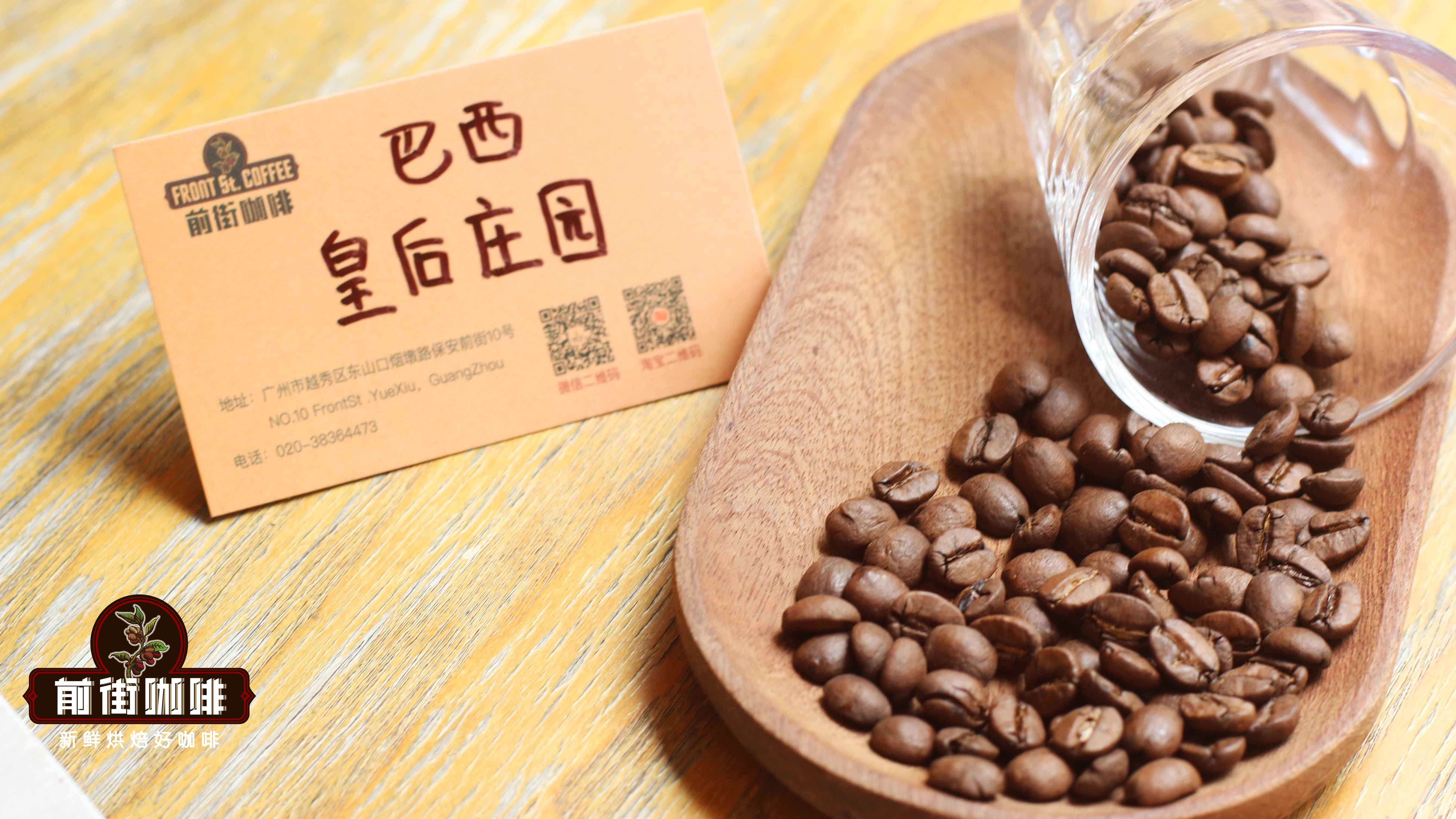
Analysis of the Yellow Bourbon Variety at Brazil's Queen's Estate: Cocoa and Chocolate Flavor Coffee Beans and Evaluation for Pour-Over and Espresso Brewing
For friends who prefer a full-bodied taste and dislike acidic coffee, Front Street Coffee's Brazil Queen Estate Yellow Bourbon is a bean well worth paying attention to. It comes from a historic volcanic valley estate in Brazil, and the family behind it has won numerous awards in COE competitions, even taking the Cup of Excellence championship in 2011. This Yellow Bourbon is processed using the semi-washed method, with a flavor profile centered on rich chocolate, nuts, and soft fruit sweetness, low in acidity and clean. Whether brewed with pour-over, French press, moka pot, or espresso machine, it delivers consistently stable performance. This article will provide a complete analysis of this non-acidic coffee bean, from the estate's background, award records, green bean processing methods, and grading system to its actual brewed flavor. [more…]

Evaluating by Roast Level: Coffee Beans Worth Buying Again and Again
Whether a coffee bean is worth buying repeatedly often depends not on how dramatic its flavor is, but on whether it can steadily become part of your daily routine. Roast level is a very practical starting point for judgment: light roasts highlight floral and fruity aromas and the interplay of acidity and sweetness, medium roasts emphasize balance and sweetness, while dark roasts are better suited for rich, smooth drinks. First, based on what you want in your cup [more…]
Coffee Flavor Description and Tasting Methods: How to Identify the Aroma and Taste Layers of Specialty Coffee
Every cup of specialty coffee has its own unique flavor language, from acidity and aroma to aftertaste, forming its taste portrait. This article systematically explains the logic of describing coffee flavor—what vocabulary to use and from which dimensions to evaluate a cup of coffee—and lists common fruit flavor types from producing regions such as Africa and Central and South America, helping you gradually build your taste judgment in daily drinking. At the same time, the article also clarifies common misconceptions such as the relationship between espresso and roast level, guiding you to truly understand coffee through both the channels of smell and taste buds. [more…]
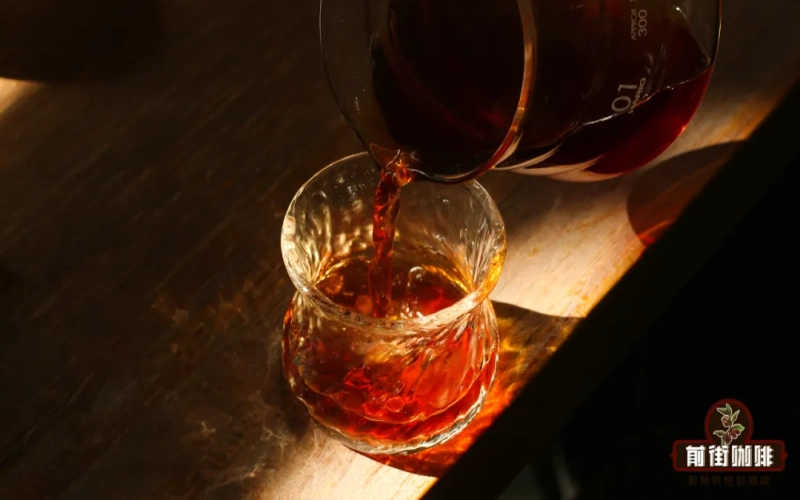
Can Coffee Brew Color Be Used to Judge Quality? The Filtration Principles and Extraction Effects Behind Clean vs. Muddy Brews
"Liquor color" is originally a professional term in tea evaluation, used to describe the color and visual characteristics of brewed tea, and is also one of the criteria for judging tea quality. So for coffee, can liquor color also serve as a basis for evaluating quality? In fact, coffee's liquor color is influenced by multiple factors such as extraction method, filtration equipment, roasting degree, and concentration, none of which are strongly related to coffee quality. Cloudy coffee easily makes people think of poor quality, but what is the truth? Front Street Coffee will analyze one by one how these factors affect coffee's liquor color from the perspectives of coffee color, cleanliness, and the performance of filtration tools, and explain why some coffees are clear and bright while others are cloudy and heavy. [more…]

Why Is Latte-Making a Key Part of Barista Assessments? A Full Breakdown of Milk Foam Quality and Latte Art Techniques
In the skill assessment of baristas, making a hot latte is often regarded as a key evaluation component. From grinding and extraction to milk frothing and latte art, every step reflects whether a barista's basic skills are solid. A high-quality latte not only requires standardized and smooth operation, but also fine, dense milk foam with moderate thickness and good fluidity, so that it can support delicate latte art patterns. In addition, controlling the milk temperature between 60°C and 65°C can bring out the sweetness of lactose, while the quality of integration directly affects the taste and the cleanliness of the latte art background. Front Street Coffee often shares that by observing the overall performance of a latte, a barista's core abilities can be comprehensively evaluated, which is also an assessment method that other coffee drinks cannot easily replace. [more…]

Coffee Bean Review for Long-Term Drinking: Balancing Budget and Drinking Frequency
Evaluating coffee beans suitable for long-term drinking is best approached by gradually building judgment from tasting experience. When buying beans for daily use, you need to consider how quickly you'll drink them, how much to buy at once, and whether you mainly make black coffee or milk coffee at home. The flavor words on the packaging can offer clues, but they cannot replace the actual drinking experience—whether the acidity is gentle, whether the sweetness lingers [more…]
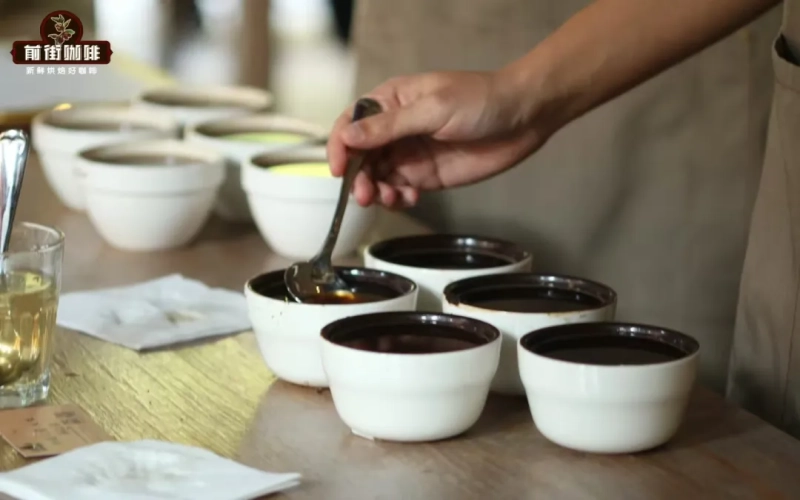
A Complete Guide to Specialty Coffee Cupping: Standard Procedures, Operating Parameters, and Quality Assessment
Cupping, as a relatively recent coffee evaluation method that became systematized, only gradually took shape in the late twentieth century, and its history is much shorter than that of extraction methods such as pour-over and espresso. By standardizing variables such as dose, water temperature, water quality, and steep time, it allows the flavor performance of different beans to be compared horizontally under the same standard. This article will comprehensively sort out the specific operating process of cupping and its key parameters (such as 11~12g dose, 1:18.18 brew ratio, 94°C water temperature, 75~250ppm water quality, and 4-minute steep), and objectively analyze the advantages and limitations of this method to help coffee enthusiasts understand tasting logic more professionally. The article also combines the practical experience of Front Street Coffee to provide actionable reference suggestions. [more…]

What's the difference between commercial coffee beans and specialty coffee beans? From grading standards to taste evaluation, explained clearly in one go
People who drink coffee regularly may have heard terms like industrial coffee, commercial coffee, and specialty coffee, but by what standards are they actually classified, and how do they differ in taste and use? This article starts with the varietal composition of coffee beans, sorts out the definitions and main uses of the three categories, and further introduces evaluation methods for specialty coffee such as growing altitude, screen size, and defect bean ratio, as well as the higher standards represented by estate coffee. The article also discusses how consumers can determine which tier the coffee they drink falls into, and recommends several commercial and single-origin beans from Front Street Coffee with outstanding value for money, suitable for enthusiasts who want a systematic understanding of coffee grading. [more…]
A Complete Guide to Espresso Tasting: A Professional Guide from Sight and Aroma to Taste and Aftertaste
Espresso is regarded by many coffee enthusiasts as the most challenging subject for tasting, as its appearance, aroma, flavor, and aftertaste all contain rich dimensions for evaluation. This article systematically outlines practical methods for tasting espresso from six aspects: visual observation, aroma, tasting approach, mouthfeel, flavor layers, and aftertaste performance, helping coffee enthusiasts gain a deeper understanding of the unique charm of this classic Italian beverage. The article also mentions product recommendations from Front Street Coffee, providing reference for friends who love Espresso. [more…]
How to Choose a Commercial Coffee Bean Brand? Industrial, Commercial, and Specialty Coffee Grading Standards and Front Street Commercial Bean Recommendation Guide
Faced with the dazzling array of coffee beans on the market, many café operators and coffee enthusiasts are puzzled: which brand of commercial coffee beans is actually good? What kind of beans are truly suitable for commercial use? To answer these questions, we first need to clarify the basic definitions and usage differences among the three major categories: industrial coffee, commercial coffee, and specialty coffee. This article will systematically sort out the criteria for distinguishing these three types of coffee, delve into the evaluation system of specialty coffee in terms of growing altitude, screen size specifications, and the proportion of defective beans, and further introduce the traceability mechanism and terroir characteristics of estate coffee. Finally, combined with Front Street Coffee's commercial product line, it provides readers with a reference for choosing commercial coffee beans that offer both quality and value for money. [more…]

Which fresh milk should you choose for iced lattes and flat whites? A hands-on comparison of seven types of low-temperature whole milk in homemade coffee
The flavor quality of a latte is often decided by the choice of milk. There are many fresh milk brands on the market, with a wide price range, and their performance when paired with coffee varies. For home coffee enthusiasts, it is difficult to buy them one by one for comparison testing. This time, Front Street Coffee selected seven whole milk products that are common in coffee scenarios and relatively easy to buy, and conducted a comprehensive evaluation from low-temperature direct drinking, taste after heating, to the flavor, balance, and milk foam texture when making iced lattes and hot flat whites. There is no commercial promotion throughout, and the aim is to provide purchasing reference for readers with different taste preferences. This article does not set a final conclusion; the focus is on presenting the real performance of each milk to help everyone find the one that suits them. [more…]
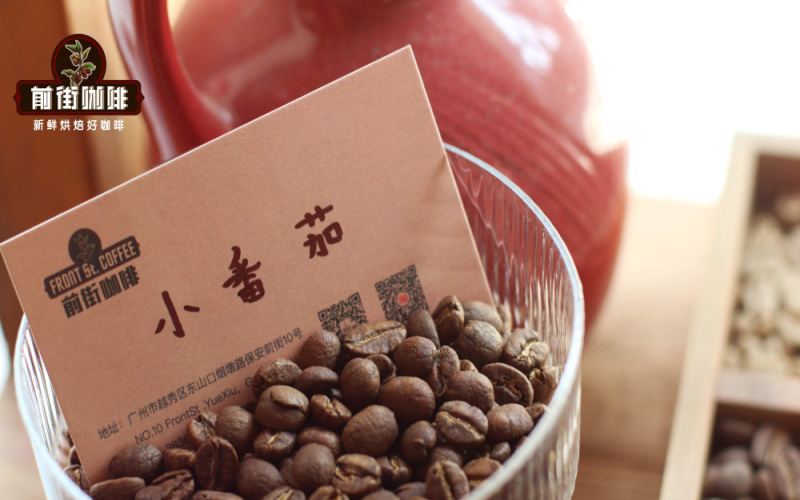
Deep-Roasted Kenya Meets Mandheling: Flavor Direction and Brewing Test After Blending by Ratio
Kenyan coffee has always been famous for its bright berry-like acidity, yet many early books recorded it as a dark roast, which is completely at odds with today's mainstream understanding. For this session, Front Street Coffee selected two high-altitude washed beans, Kenya Small Tomato and Karogoto, roasting both uniformly to the start of second crack, then conducting cupping, pour-over, and French press evaluations separately, and also attempting to blend them 1:1 with dark-roasted Mandheling into espresso. What kind of flavor transformation can a dark roast actually bring? Does it preserve a rich caramel character, or does it wipe out the original floral and fruity aromas? Using measured data and brewing parameters, this article takes you through a fresh look at the pros and cons of dark-roasted Kenya, as well as its unique value in blends. [more…]