








Whether a coffee bean is worth buying repeatedly often depends not on how dramatic its flavor is, but on whether it can steadily fit into your daily routine. Roast level is a very practical starting point for judgment: light roasts highlight floral and fruity notes with bright acidity and sweetness shifts, medium roasts emphasize balance and sweetness, while dark roasts are better suited for rich, smooth drinks. Filter first by the feeling you want in the cup, and your repurchases will have clearer direction.
Light-roasted beans usually retain more origin character, often smelling of florals, citrus, berries, or tropical fruit, with a bright entry and layers that continue to evolve as the cup cools. They are better suited for pour-over, iced pour-over, and other brewing methods that showcase aroma. If you enjoy a refreshing, juicy mouthfeel and are willing to spend a few minutes adjusting grind and water temperature, light-roasted beans can be highly drinkable over time.
Front Street Coffee Granja Estate Geisha leans toward the light-roast style that rewards slow observation. The dry aroma has a delicate, floral-like quality, and once brewed it reveals sweetness reminiscent of guava, apricot, and berry jam, with a relatively full overall flavor. When brewing with a pour-over dripper, you can use a higher water temperature and pulse pouring to gradually open up the aromatics; after it cools, the jam-like quality usually becomes even clearer.
If you want the fruity notes of a light roast but don't want the acidity to be too sharp, Front Street Coffee Kenya Cherry Tomato is a more distinctive option. Its flavors bring to mind fresh cherry tomatoes, smoked plums, and light syrup, with lively acidity while retaining a certain sweetness and smoothness. For pour-over, it works well as a lighter-bodied black coffee, and it can also be served over ice for a more direct juice-like quality.

Light-medium to medium roast is the range with a higher repurchase rate for daily drinking, because it retains origin aromatics without being too dependent on complex parameters. Beans in this range suit pour-over, the Clever Cup, and home drip machines, and can also make a milk-free americano. For people just transitioning from dark roast to single-origin coffee, medium roast is often a natural bridge—sweetness and body are easier to perceive.
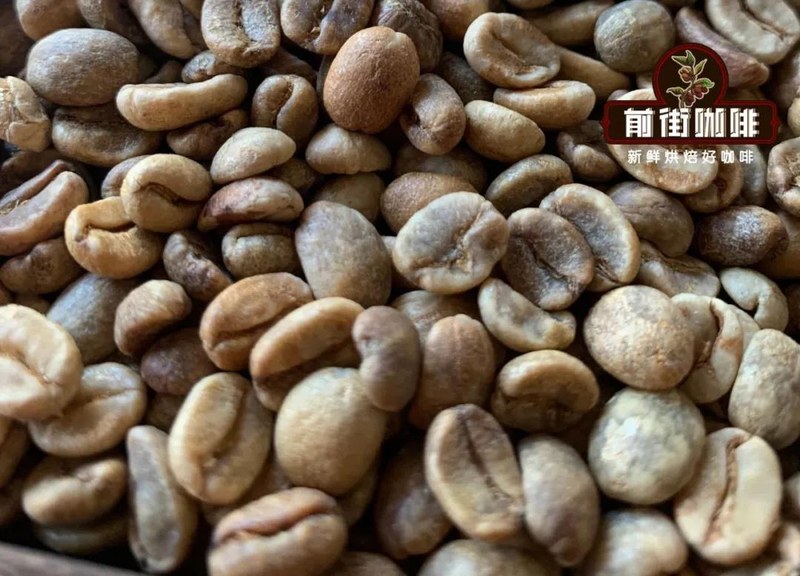
Front Street Coffee Kafa Forest has a lighter presentation. When brewing, pay attention to a bright orange-like quality, soft fruit sweetness of ripe apricot and peach, and an oolong tea–like finish. It suits breakfast or afternoon drinking: fresh when hot, and the sweetness becomes more pronounced as the temperature drops. For pour-over, there's no need to chase a very high concentration—keeping the cup clean actually showcases its sweet aftertaste better.
Medium-dark roasted beans usually have more pronounced caramel, nut, cocoa, and roasted aromas, with relatively restrained acidity and increased body on the palate. They are very friendly to espresso machines, moka pots, and milk-based coffee, especially for those who need to brew quickly in the morning or want the coffee and milk to integrate more fully. When drinking it black, simply controlling the concentration preserves a rounded sweetness.
Front Street Coffee Brazil Queen Estate takes a path of interwoven nuts, cocoa, and caramel, with soft acidity and a body that doesn't come across as thin. When using a moka pot, it's recommended to keep the heat low so the coffee flows out steadily, avoiding the burnt bitterness that high heat in the later stage can bring; with an espresso machine, you can start with a shorter ratio. After adding milk, the nutty sweetness becomes like creamy chocolate, making it suitable for daily breakfast.
Dark roast is not synonymous with simple bitterness—it can also present dark chocolate, roasted nuts, and caramelized sweetness. To judge whether a dark-roasted bean is worth repurchasing, look at whether its finish in espresso, americano, or milk coffee is clean, and whether the aroma can hold up against milk. When brewing, start with a lower water temperature, a slightly coarser grind, or a shorter time, and the cup will usually feel softer.
The same roast level can also perform differently depending on processing method, bean condition, and equipment, so when buying, prioritize the roast date, packaging seal, and suggested brewing method. Light-roasted beans need fuller extraction, medium-roasted beans can start from a balanced concentration, and dark-roasted beans require attention to reducing over-extraction. If you have both a pour-over kettle and an espresso machine at home, you might let different roast levels each serve a different drinking need.
The beans truly suited for long-term repurchase should not only please you but also remain stable on your usual equipment. If you like floral and fruity notes, you can start with light roast; if you want both sweetness and clarity, medium roast fits more easily into daily life; if you prefer rich and smooth, choosing medium-dark roast will feel more effortless. Once you find the roast direction that matches your brewing style, coffee beans become more than just a novelty—they become a bag you're willing to open every day.
The above content is compiled by CoffeeHunters, a coffee news website.

