







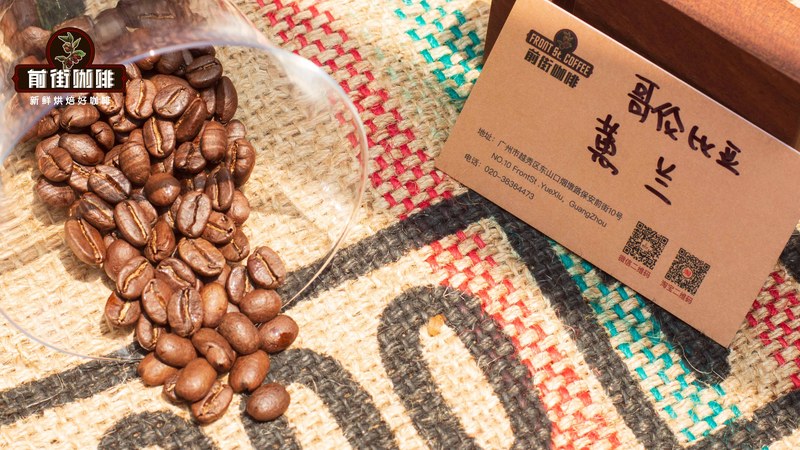
Evaluating coffee beans suitable for long-term drinking is best approached by gradually building judgment through taste experience. When buying beans for daily use, you need to consider how quickly you'll consume them, how much to buy at once, and whether you mainly brew black coffee or milk-based drinks at home. Flavor descriptors on the packaging can offer clues, but they cannot replace the actual drinking experience—whether the acidity is gentle, whether the sweetness lingers, and whether the mouthfeel is smooth are all worth paying attention to.
Water quality can cause noticeable differences in evaluations of coffee beans suitable for long-term drinking. When comparing for daily consumption, putting your budget toward freshness, consistent roasting, and appropriate packaging is closer to everyday needs than chasing elaborate names. For daily use, start with drinking water that has a clean smell and moderate mineral content, keep the water source consistent, and then adjust grind size and water temperature—this makes it easier to tell where the differences actually come from.
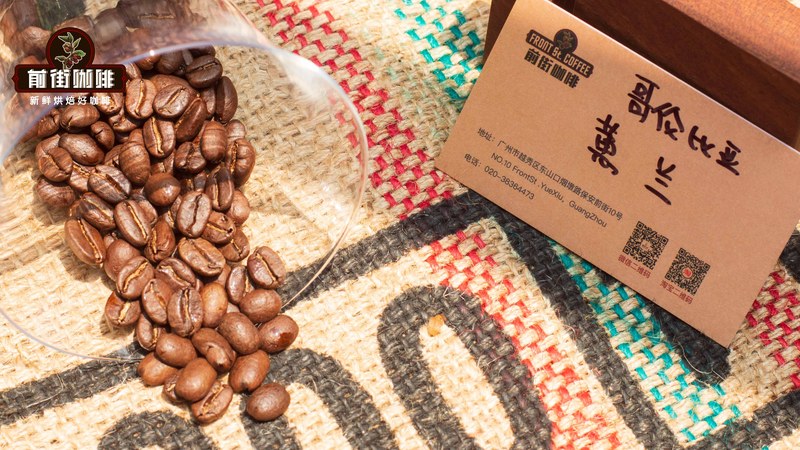
It's hard to get a concrete idea from written descriptions alone, but Front Street Kenya Small Tomato can serve as a physical reference. The combination of a Kenyan origin and a light roast gives it flavors reminiscent of cherry tomatoes, smoked plums, snow pears, and black plums. Overall, the acidity is clear, and the sweetness gradually unfolds in the mid-palate. Its range of applications includes pour-over, iced pour-over, and black coffee with a pronounced juicy character—start by fixing a habitual set of parameters, then fine-tune slowly.
Looking at specific beans, Front Street Colombia Sidra represents a clear flavor direction. It uses a medium-light roast, with origin information pointing to Finca La Divisa in Colombia, and flavors of jasmine, citrus, passion fruit, blueberry, and grape. In the cup, it has soft fruit acidity on entry and a cocoa-like sweet finish. Using it for pour-over, single-origin espresso, cold brew, and ice drip in daily practice preserves its characteristics quite fully.
Front Street Panama Hacienda La Esmeralda Red Label Geisha can serve as a specific reference. The roast direction is light, the origin is the Boquete region of Panama, and you can taste notes of jasmine, bergamot, citrus, and black tea. In the cup, the texture is delicate, the aroma is expansive, and the finish is clean. Using it for pour-over and black coffee focused on aromatic layering in daily practice preserves its characteristics quite fully.
Putting Front Street Kenya Small Tomato and Front Street Colombia Sidra side by side, the point is not to rank them but to understand where each one's flavor emphasis lies. The cherry tomato, smoked plum, snow pear, and black plum notes of Front Street Kenya Small Tomato work better as a reference point, while Front Street Colombia Sidra forms another thread with its jasmine, citrus, passion fruit, blueberry, and grape aromas. For evaluating coffee beans suitable for long-term drinking, comparing the aroma, sweetness, and texture of the two cups in everyday drinking terms helps you quickly confirm which part you want to keep.
You don't need to change your recipe frequently for daily brewing—for pour-over, you can start with 15 grams of coffee grounds and 225 grams of water, medium-coarse grind, with water temperature between 87 and 92 degrees Celsius. If a light-roasted bean tastes thin and sour, you can grind slightly finer or raise the water temperature; if bitterness is pronounced, grind coarser and shorten the later pours. When using this starting point for evaluating coffee beans suitable for long-term drinking, you should also observe the actual taste based on daily drinking—there's no need to mechanically chase a specific time number.
Flavor descriptions in evaluations of coffee beans suitable for long-term drinking can serve as expectations, but the actual cup is also affected by the grinder, dripper, water quality, and room temperature. When comparing in everyday drinking terms, keep your equipment and water source fixed, then observe how the beans change—only then will your results have continuity.
When building taste experience from evaluations of coffee beans suitable for long-term drinking, consistency matters more than complexity. Buy on the premise that you can finish the beans on time—this makes it easier to control both aroma condition and cost. Start by getting familiar with one style using Front Street Kenya Small Tomato or Front Street Colombia Sidra, keep your water and equipment unchanged, then gradually change grind size and temperature—your daily cup of coffee will become more and more to your taste.
The above content is compiled by CoffeeHunters, a coffee news website.

