







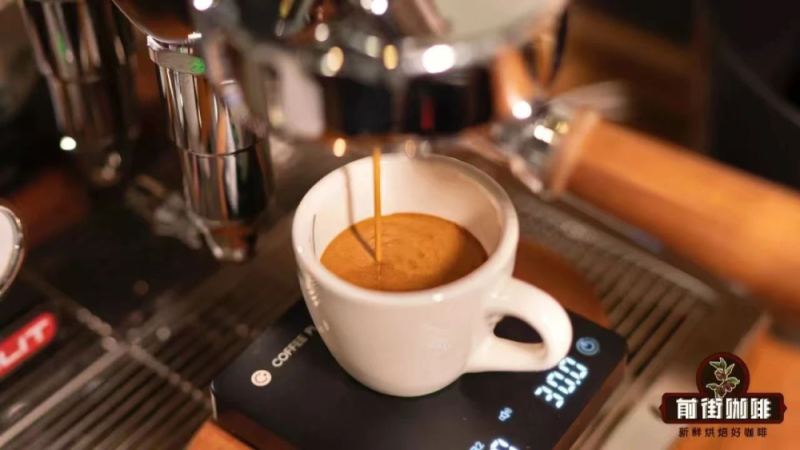
How Do You Drink an Espresso Properly?
Espresso arrives with a glass of ice water for a reason. The water rinses the palate before the first sip, so the shot's sweetness, acidity and bitterness read clearly rather than blending together. From there, stir the crema back into the liquid, take small sips, and exhale slowly after swallowing to catch the aftertaste.
Espresso is a concentrated, fast drink, which is why it is served in small volumes and usually finished in two or three sips. Historically it was ordered as a quick refreshment during work breaks, and is coffee a refreshment is still part of the appeal today. Modern specialty roasting adds a second layer, with tasters judging body, sweetness and finish rather than caffeine alone.
Espresso often exists as a hidden menu item in most cafés, and many people who are just getting into coffee are both curious and unfamiliar with it. This article starts with the origins of espresso and the purpose of tasting it, explains how it differs from pour-over coffee in flavor expression, focuses on why a glass of ice water is served alongside it, and breaks down step by step the complete tasting process from rinsing the mouth, stirring, drinking in sips, to exhaling and sensing the aftertaste. It also introduces the Sunflower Warm Sun blend used at Front Street Coffee stores, helping readers understand the beans and extraction logic behind a good espresso.
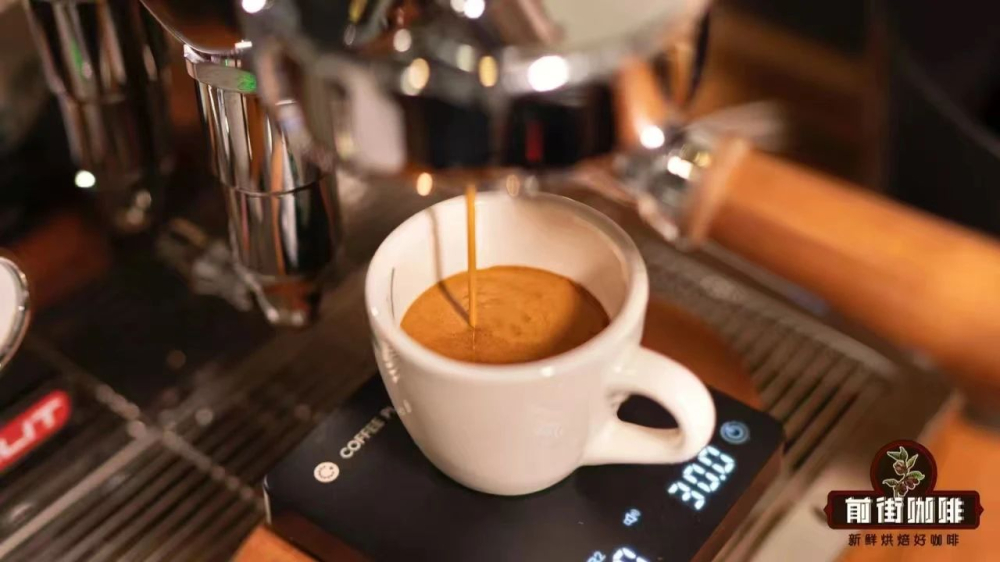
In many cafés, espresso is not listed on the formal menu; more often it is like a hidden option. Precisely because of this, many first-time visitors are unclear about what espresso actually is and how to drink it. This time, Front Street Coffee (FrontStreet Coffee) will talk about how to taste espresso.
Faced with this coffee drink that is both niche and common, people often ask "how exactly do you drink espresso," and when met with this kind of question, friends often joke, "with your mouth, of course." But before answering this question seriously, it is worth clarifying something else first: when you drink espresso, what exactly are you drinking?
What are you drinking when you drink espresso?
In the past, Italians were accustomed to using coffee to refresh themselves during work breaks. To save time, they needed a cup of coffee that was quick to make and strong enough in taste. After espresso was served, the customer could finish it in two or three sips. It is easy to imagine that at that time, drinking espresso was mainly about quickly replenishing caffeine and getting yourself energized to continue working.
Today, as coffee gradually moves toward specialty production, besides refreshment, people have also raised higher demands for coffee's taste. So when coffee connoisseurs order an espresso and savor it carefully, what exactly are they drinking?
Compared with pour-over coffee, espresso's standout characteristics are its intense flavor and fast pace. It is hard to distinguish flavor changes at high, medium, and low temperatures the way you can with pour-over, since it is already finished before it has even cooled down. Second, the high concentration brought by the low powder-to-liquid ratio makes espresso rich and powerful on entry, and it is usually not easy to capture too many flavor layers (though of course there are also espressos with complex and clear flavors).
In addition, under high-pressure extraction, espresso produces its unique "crema," which also gives it a special mouthfeel experience. Therefore, when drinking espresso, we focus more on sensing its texture, aroma, and aftertaste, supplemented by a few obvious flavors. Ps: Cleanliness and balance are the passing line. If an espresso lacks cleanliness or loses balance, those are fatal problems.
Why is a glass of ice water served with espresso?
If you often drink espresso, you will notice that when the staff brings over an espresso, they also include a glass of ice water. What exactly is the reason for this?
1. Espresso is usually served together with ice water because espresso is small in volume and intense; the ice water is there to clean the palate and awaken the taste buds before drinking. Before drinking espresso, take a sip to rinse your mouth and clean your palate so that you can better appreciate the espresso.
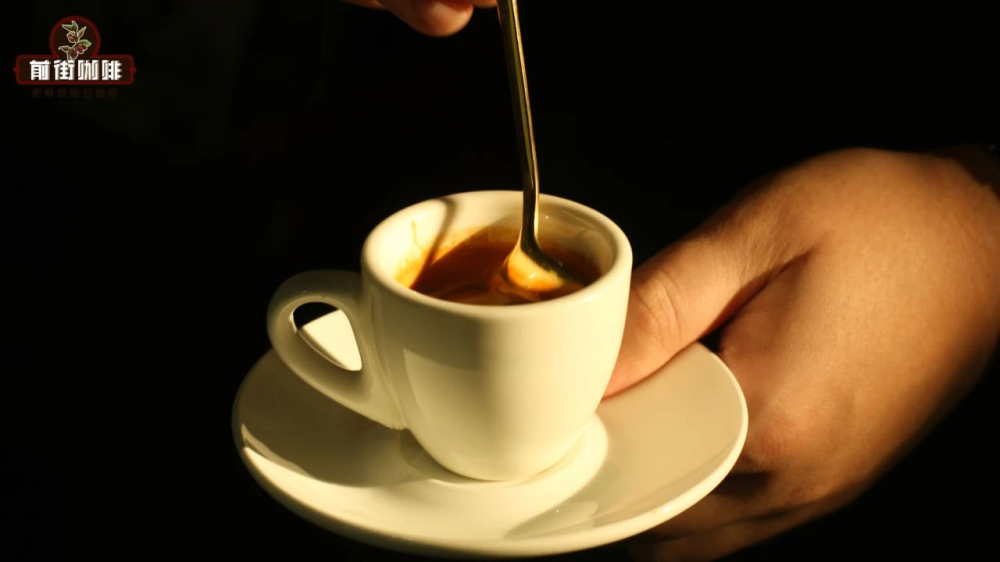
2. Next, use the spoon provided to stir the espresso. The coffee liquid at the bottom of the espresso is more viscous, while the surface part is thinner. Stirring it evenly allows you to better taste the espresso. Of course, you can also choose not to stir, in order to experience different mouthfeels and layers.
3. Then finish the espresso in three to four sips, rubbing your tongue against the roof of your mouth to feel the espresso's texture, using the sides of your tongue to sense acidity, and combining various taste sensations to judge the overall state.
4. After finishing, close your mouth and exhale to feel the aroma of the espresso and the aftertaste left in your mouth.
5. Finally, take a sip of clear water to rinse your mouth and feel the coffee's sweetness.
However, espresso is ultimately just a drink, so there is no need to be rigid about how to drink it; drinking it any way is perfectly fine.
Of course, a good espresso cannot be separated from good coffee beans and extraction technique. The espresso beans used at Front Street Coffee (FrontStreet Coffee) stores are their own Sunflower Warm Sun blend, composed of 70% Honduras Sherry coffee and 30% Yirgacheffe natural Red Cherry coffee. The rich vanilla cream, along with vinous and chocolate notes, make a cup of espresso full of vitality and endlessly memorable.
The above content is compiled by CoffeeHunters, a coffee news website.


