







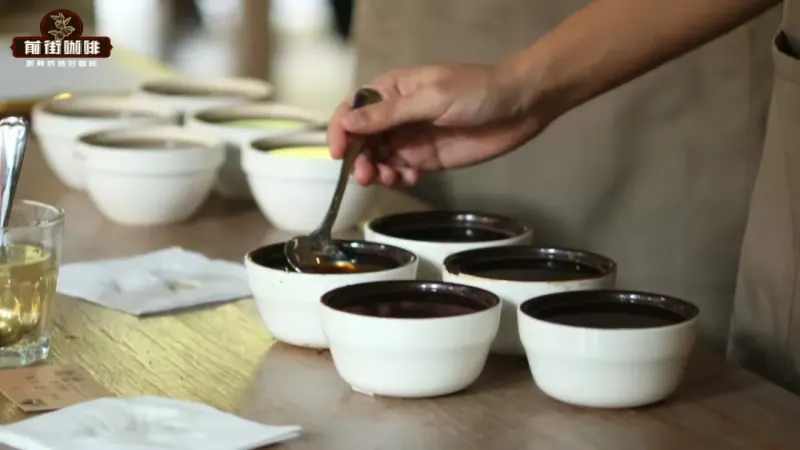
Cupping, as a relatively recent coffee evaluation method that only became systematized in the late twentieth century, has a much shorter history compared to extraction methods like pour-over and espresso. By standardizing variables such as dose, water temperature, water quality, and steeping time, it allows the flavor performance of different beans to be compared horizontally under the same standard. This article will provide a complete overview of the specific operational process of cupping, key parameters (such as 11~12g dose, 1:18.18 coffee-to-water ratio, 94°C water temperature, 75~250ppm water quality, 4-minute steeping), and objectively analyze the advantages and limitations of this method, helping coffee enthusiasts understand tasting logic more professionally. The article also combines the practical experience of Front Street Coffee to offer actionable reference suggestions.
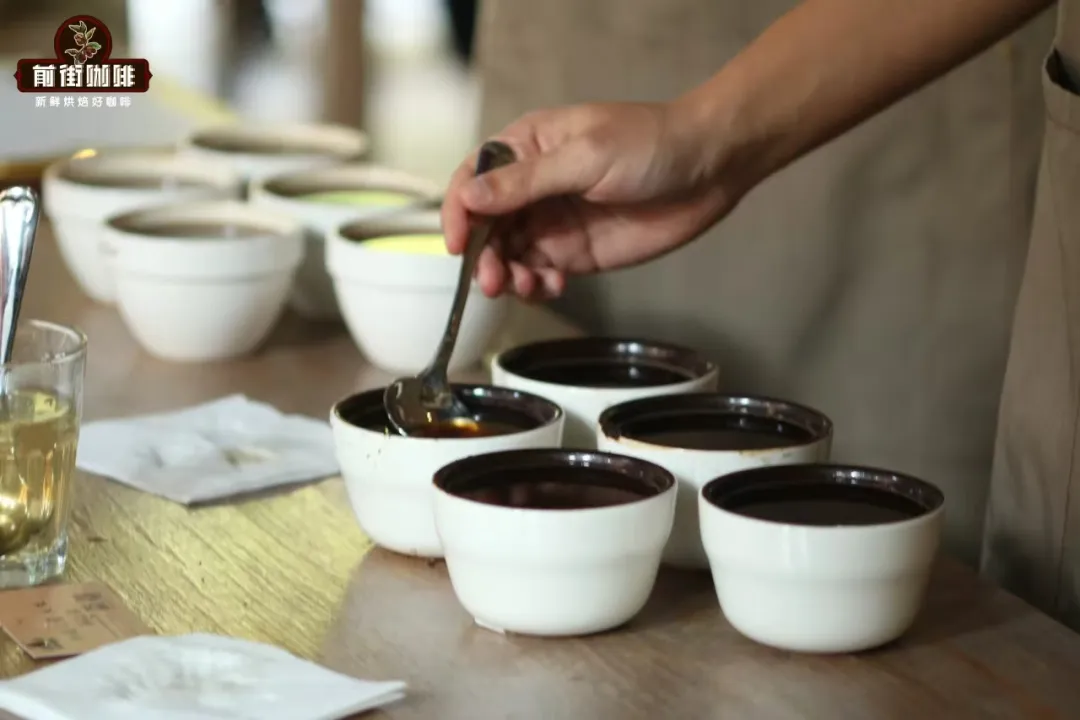
This evaluation method, cupping, took shape at the end of the twentieth century, and when compared with other coffee extraction methods, its history is not long.

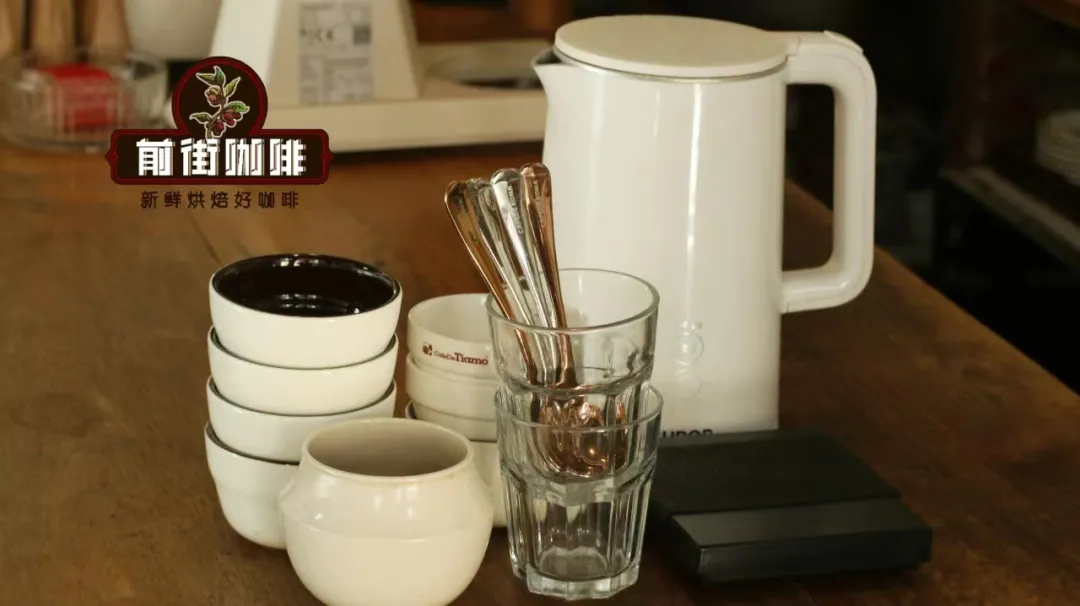
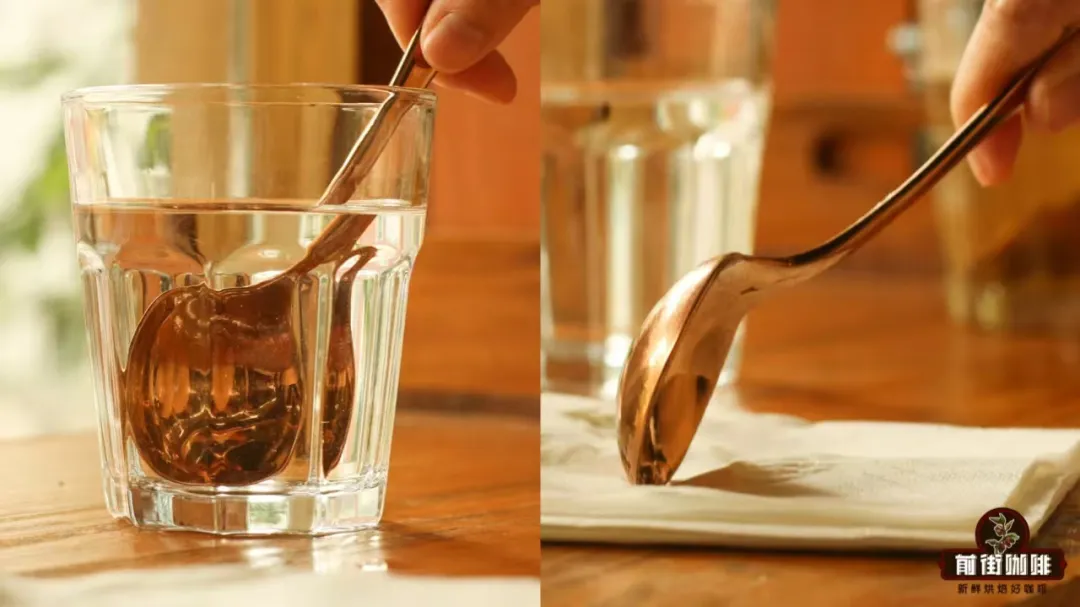
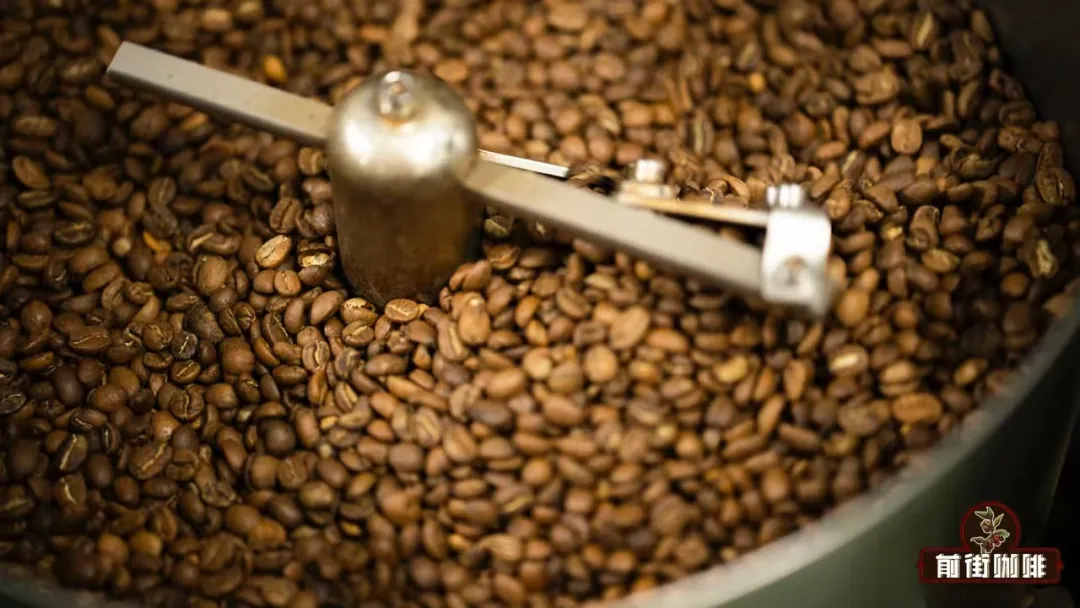
The dose is usually controlled between 11g and 12g.
The coffee-to-water ratio is set at 1:18.18.
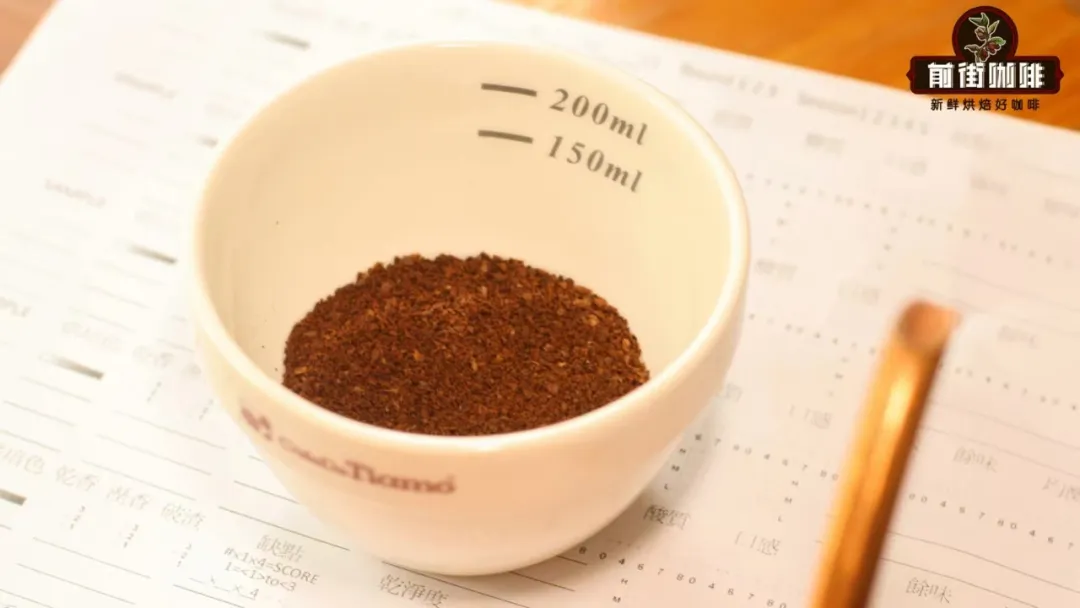
The grind size requires a 75% passing rate through a No. 20 sieve.
The water temperature is 94°C.
The water quality TDS needs to be within the range of 75~250ppm.
The steeping time is maintained at 4 minutes.
The above content is compiled by CoffeeHunters, a coffee news website.


