







Search Results for: employment stability

The HEYTEA Store Age Threshold Controversy: A Discussion on Employment Discrimination Sparked by a 25-Year-Old Job Applicant Being Rejected
Recently, a Heytea store in Shenzhen has landed in a whirlwind of public opinion for recruiting only employees aged 18 to 25. After a job seeker over 25 was rejected, it sparked heated discussion among netizens. Some criticized it as blatant age discrimination, while others believed that because work at milk tea shops is intense, companies have the right to choose freely. Behind the incident, it reflects the widespread preference for the "youth dividend" in the current job market, as well as the difficulties faced by middle-aged job seekers. Legal professionals pointed out that such a practice is suspected of violating the Labor Law and the Employment Promotion Law, and the Shenzhen Federation of Trade Unions also spoke out in criticism. Heytea responded that it was a communication deviation at a single store. Who is right and who is wrong in this controversy? Will young people over 25 still continue to drink Heytea? [more…]
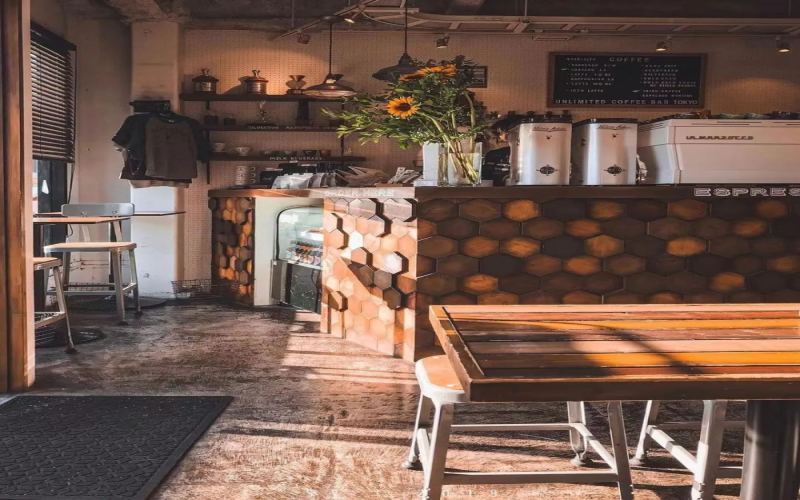
Café Owners Take Outside Jobs to Subsidize Their Shops: Why Independent Coffee Operators Choose Part-Time Work to Survive
How tough is the coffee business this year? Many independent café owners have found that store revenue alone is no longer enough to support themselves, let alone get rich from coffee. To keep the small shops they poured their hearts into, some have pivoted to food service, some have thrown themselves into social media marketing, some have launched membership top-up schemes to lock in regulars, and some owners have simply chosen to take outside jobs, using their wages to subsidize the café's daily expenses. How do these "re-employed baristas" juggle their main business and side gigs? And are employers willing to hire someone who is themselves a fellow café owner? This article takes you inside the real circumstances of these coffee operators who persist out of love. [more…]

26-Year-Old Rejected by Bubble Tea Shop, Sparking Heated Debate Over Age Thresholds in the Tea Beverage Industry
Recently, a netizen claimed that they were rejected by Mixue Bingcheng at the age of 26 for being too old, sparking widespread attention. In fact, age restrictions for staff in the tea beverage industry are nothing new; some stores even only hire young people aged 16 to 19, and it is very difficult to enter the industry after 25. Customer service at the headquarters responded that recruitment age is decided by individual stores, while stores place more emphasis on employees' physical stamina and stability. This wave of age anxiety is spreading from baristas to the entire tea beverage service industry, leaving many overage job seekers feeling helpless. [more…]
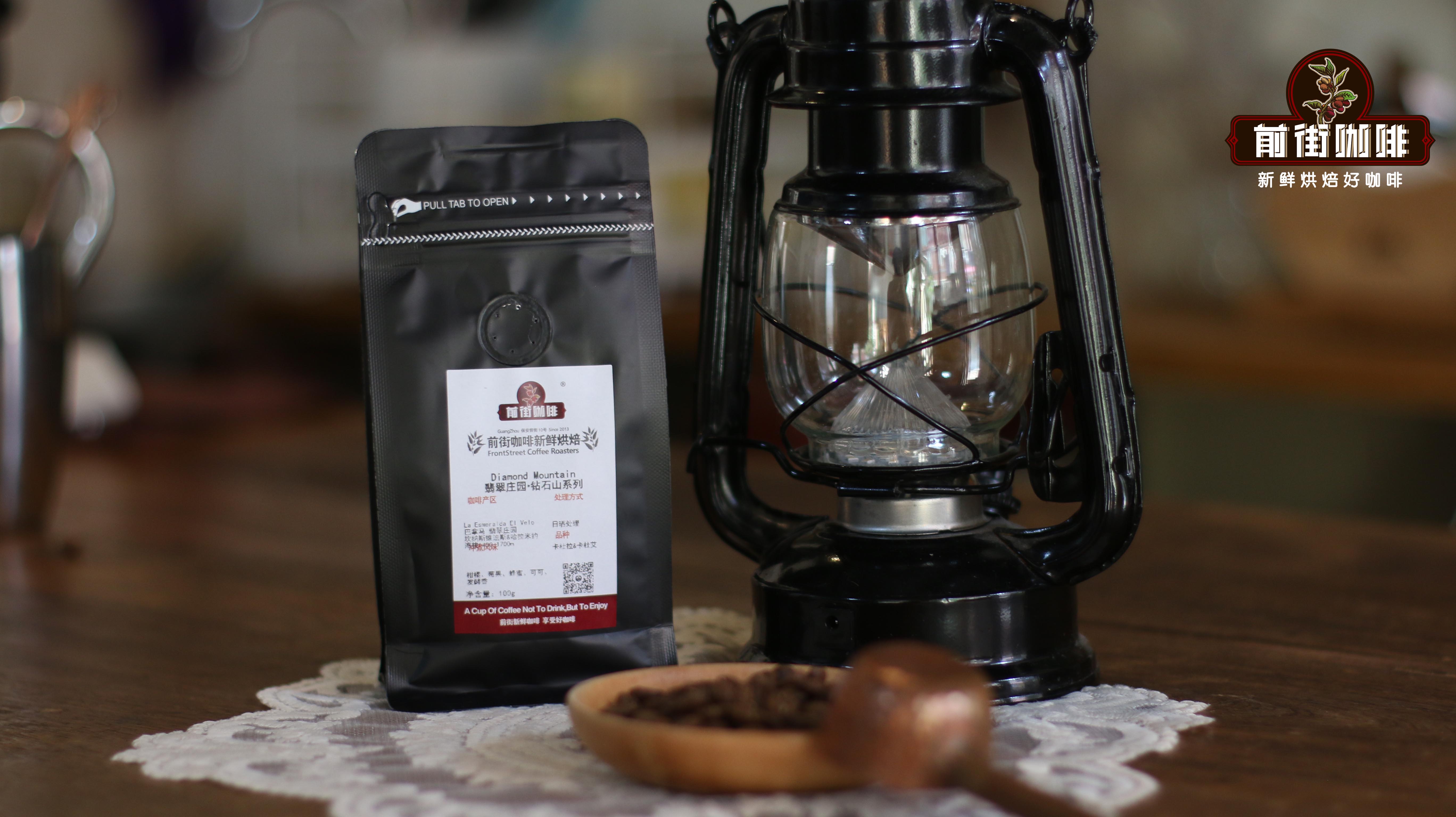
Tracing the Origins of Panama Hacienda La Esmeralda's Diamond Mountain Series: A Full Analysis of Catuai Variety Characteristics and Natural Process Flavors
In the specialty coffee world, Panama's Hacienda La Esmeralda has repeatedly created legends with its Geisha variety, but its Diamond Mountain series is equally worth attention. This series comes from the Boquete region around Barú Volcano, predominantly featuring the Catuai variety, which combines high yield and disease resistance with clean, bright flavor characteristics. Hacienda La Esmeralda processes Diamond Mountain using the natural method, employing Guardiola dryers and a resting and stabilizing process, endowing the coffee with rich fruit aromas, honey sweetness, and a cocoa finish. After Front Street Coffee introduced this series, it presents its red berry notes through a medium-light roast. This article traces the rise of Hacienda La Esmeralda, its award records, and provides a detailed analysis of Diamond Mountain's origin conditions, variety advantages, processing methods, and brewing flavor performance. [more…]
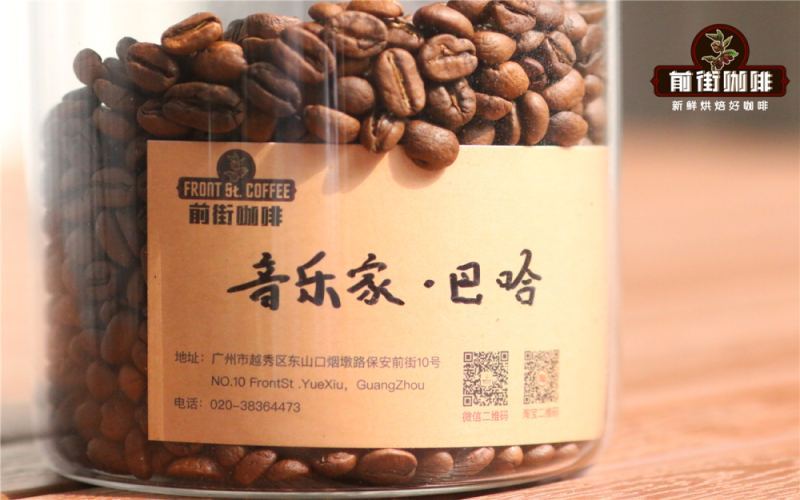
Where in Costa Rica is Front Street Bahia coffee produced? Why does raisin honey processing bring high sweetness?
Front Street Musician Series Bach is a coffee bean from the Tarrazú region of Costa Rica, processed using the raisin honey method, showcasing rich fruity aromas of strawberry, blackberry, and raisin with a wine-like fermented charm. This article will start from the origin information, processing techniques, flavor performance, and products in the same series to analyze the source of sweetness in Bach coffee beans, and introduce the technical characteristics of raisin honey processing, as well as the H1 variety and anaerobic honey processing technique used in the 2020 new crop season of Front Street Mozart. [more…]

How Hard Is It for Former Employees to Return to Luckin? Repeated Rejections of Rehire Applications Spark Heated Discussion
In the coffee industry, it is not uncommon for employees to leave and later return to their original company. However, a former Luckin Coffee employee who tried to return to the bar in a part-time capacity after a two-year absence ran into repeated rejections. The recruiter explicitly stated that "those who have previously worked at Luckin cannot be rehired," a rule that has sparked confusion and discussion among many former employees. Compared with Starbucks' open attitude toward rehiring former employees, why is Luckin's recruitment policy so strict? Is it out of consideration for stability, or is there another reason? This article will walk you through the various perspectives behind this phenomenon. [more…]
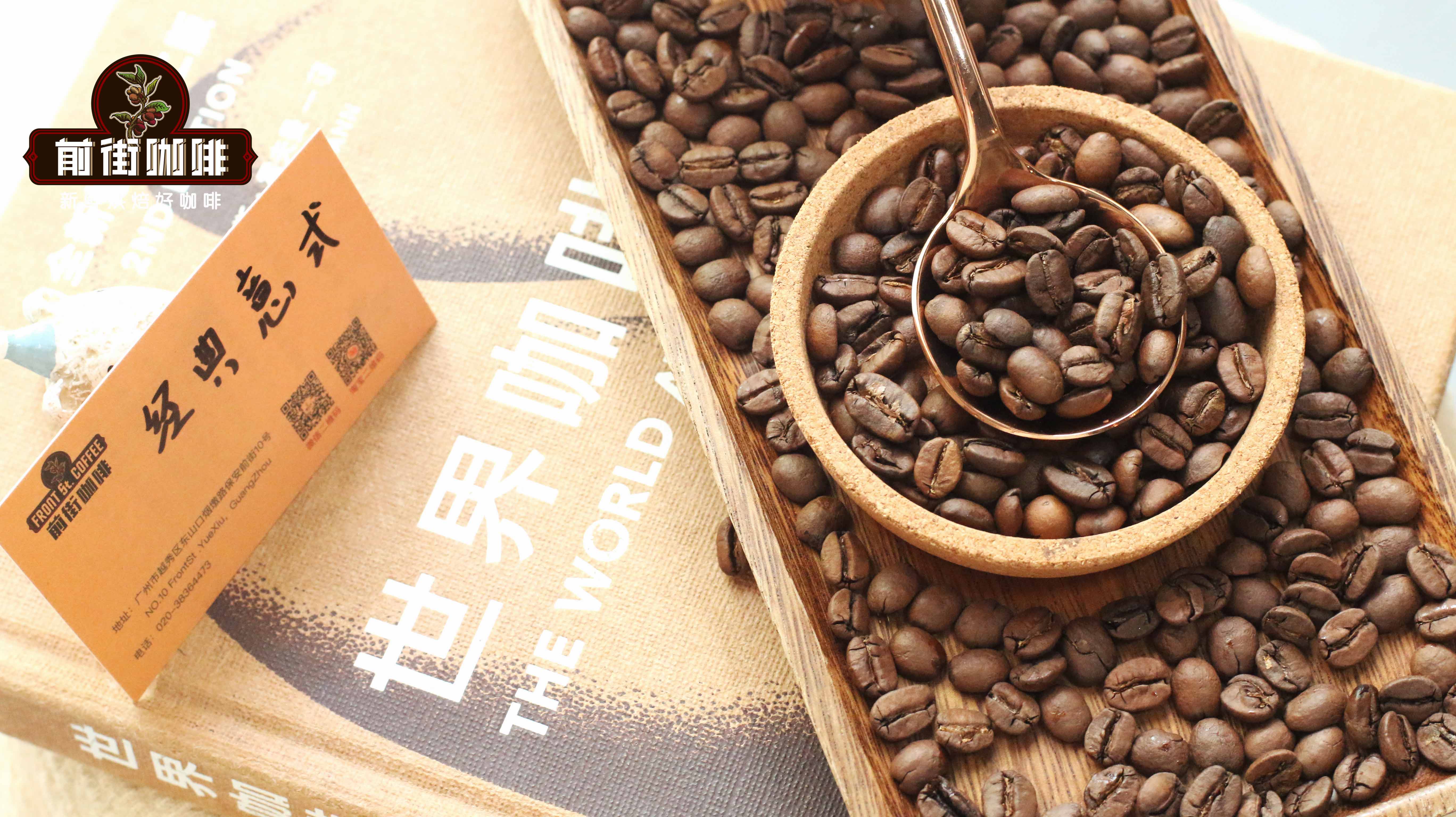
The Meaning of Espresso | What's the Difference Between Italian Coffee and American Black Coffee? How Is Authentic Italian Espresso Made?
For more specialty coffee knowledge, please follow: Front Street Coffee (Frontsteet Coffee). Espresso is a highly concentrated coffee liquid extracted by an espresso machine under 9 bar pressure, and is one of the coffee categories. Espresso is a type of [more…]

What's the Difference Between Espresso and Americano? A Full Breakdown of Espresso Extraction and Common Fancy Coffee Drinks
Espresso is a highly concentrated coffee liquid extracted quickly under 9 bars of pressure using an espresso machine, and it holds a pivotal position in the coffee family. This brewing method originating from Italy has been passed down for a century, and its name itself is the past participle of the Italian verb esprimere, tracing back to the Latin exprimō, meaning "to press out"; however, some linguists also associate it with the English word express, believing it implies the meaning of "fast." Regardless of how the etymology is interpreted, it happens to point to the two core characteristics of Espresso. Next, Front Street Coffee will unfold from the bean selection for espresso, extraction parameters, flavor performance, and the various classic coffee drinks derived from it, to give everyone a comprehensive understanding of the difference between espresso and American black coffee. [more…]
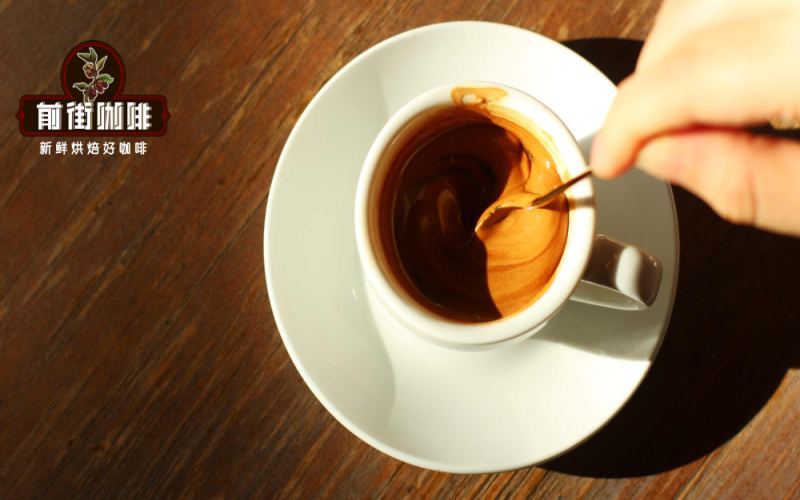
Delonghi Coffee Machine Americano Coffee Making Steps and Italian Blend Coffee Bean Brand Recommendations
As a coffee machine brand originating from Italy, De'Longhi is widely recognized in more than eighty countries around the world thanks to its stainless steel body and patented cappuccino system. To make a delicious Americano with it, bean selection and operation are equally key. This article first sorts out De'Longhi's main models and purchasing considerations, then, centering on the Front Street Coffee espresso blend series, introduces the flavor characteristics and suitable scenarios of three beans—Classic Blend, Dark Cocoa Base Blend, and Strawberry Candy Espresso—and finally provides the specific Americano-making process from grinding, distribution, and extraction to stirring, for coffee lovers' reference. [more…]

Grasp the peak flavor window and degassing state to make latte beans' aroma last longer
The aromatic depth and smooth texture presented by a cup of latte are closely related to the current freshness and gas state of the coffee beans. After being heated during roasting, coffee beans continuously release carbon dioxide, and the flavor compounds inside are also constantly undergoing oxidation and transformation. Freshly roasted coffee beans, due to the high concentration of carbon dioxide within them, produce during extraction [more…]
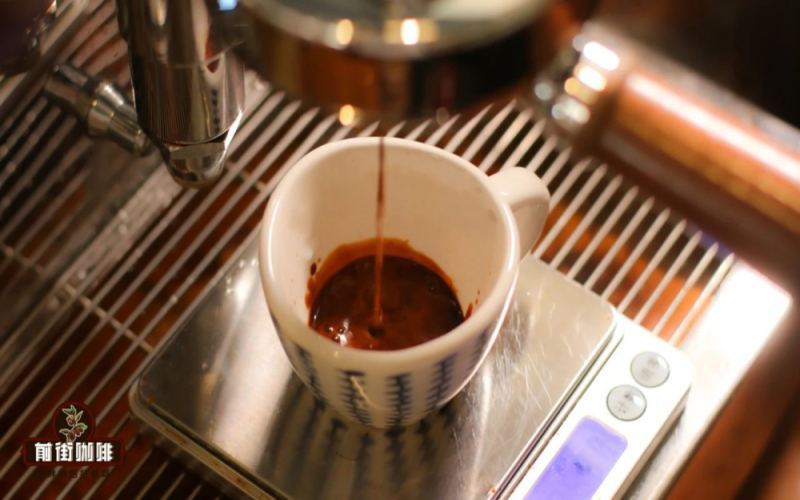
The Complete Guide to Espresso: Meaning, Characteristics, the Science of Crema, and How to Drink It Properly
Although espresso has not been around for a particularly long time in the world of coffee, it occupies a pivotal position in the evolution of coffee over the past thousand-plus years, and today it has almost become synonymous with coffee itself. In this article, we join Front Street Coffee in reviewing the development of espresso, clarifying the origin and meaning of the term Espresso, explaining the difference between ordinary Espresso and SOE, outlining the core characteristics of pressure extraction and the compositional principles of golden crema, and providing flavor descriptions of several Front Street espresso blend beans along with practical steps for tasting espresso, to help coffee lovers understand this small cup of concentrated coffee more systematically. [more…]
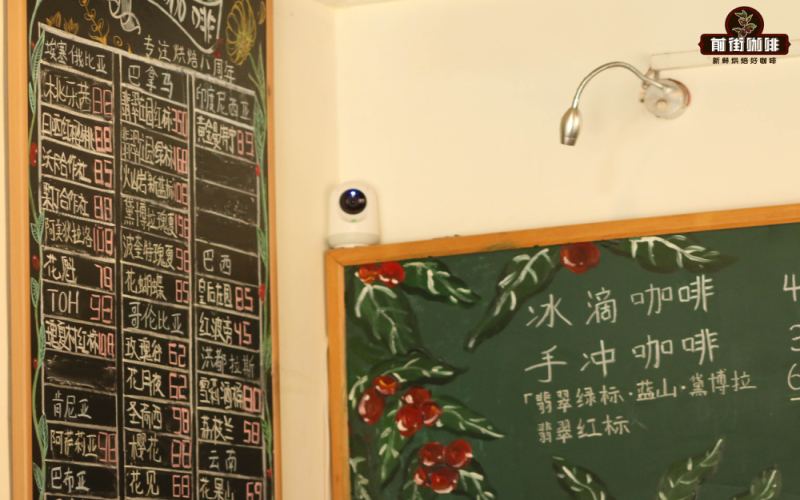
Which Ethiopian region does Hunkute coffee originate from? A full analysis of the flavor differences between Sidamo and Kenyan coffee
Ethiopia and Kenya on the African continent are the two most brilliant stars in the world of specialty coffee. Although the coffees of both places are known for their fruity acidity, they present themselves in completely different ways: Ethiopia's acidity is light, bright, clean, and refreshing, while Kenya's manifests as a full, thick berry-like juiciness. This article will explore in depth the regional origin of Flavor Queen coffee beans—Sidamo Hambela—and systematically sort out the regional characteristics of Yirgacheffe and Sidamo, the differences between Ethiopian heirloom varieties and Kenyan SL varieties, as well as their respective washed and natural processing methods. It also includes Front Street Coffee's roasting and brewing recommendations for beans from these two major regions, helping coffee lovers understand the charm of African coffee more clearly. [more…]
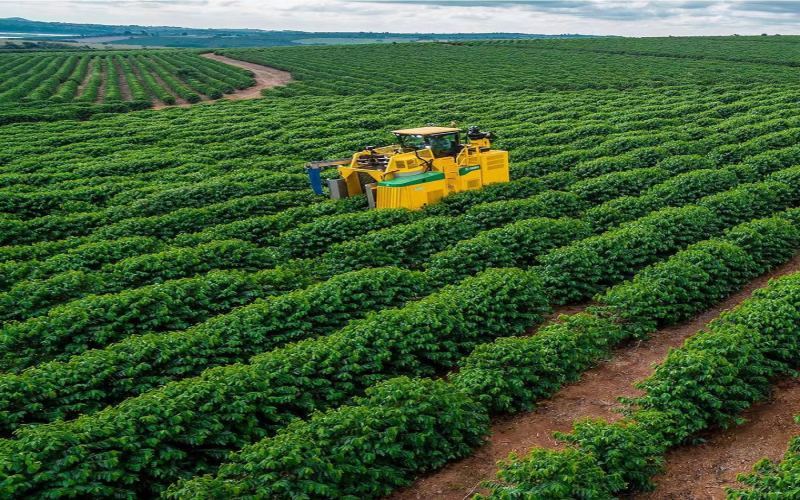
The Past and Present of Brazilian Bourbon Coffee: A Full Analysis of the Variety and Flavor from Introduction to Specialty Producing Regions
As the world's largest coffee producer, Brazil's coffee cultivation history can be traced back to 1727. From its initial introduction to today, where the state of Minas has become a core specialty coffee region, Brazilian coffee has undergone government control, free market opening, and quality reform. This article systematically reviews the variety characteristics and flavor performance of the Brazilian Bourbon variety, and how Front Street Coffee presents the unique charm of Brazilian coffee through two beans from Cerrado and Queen's Estate, along with detailed brewing parameters and flavor descriptions. [more…]
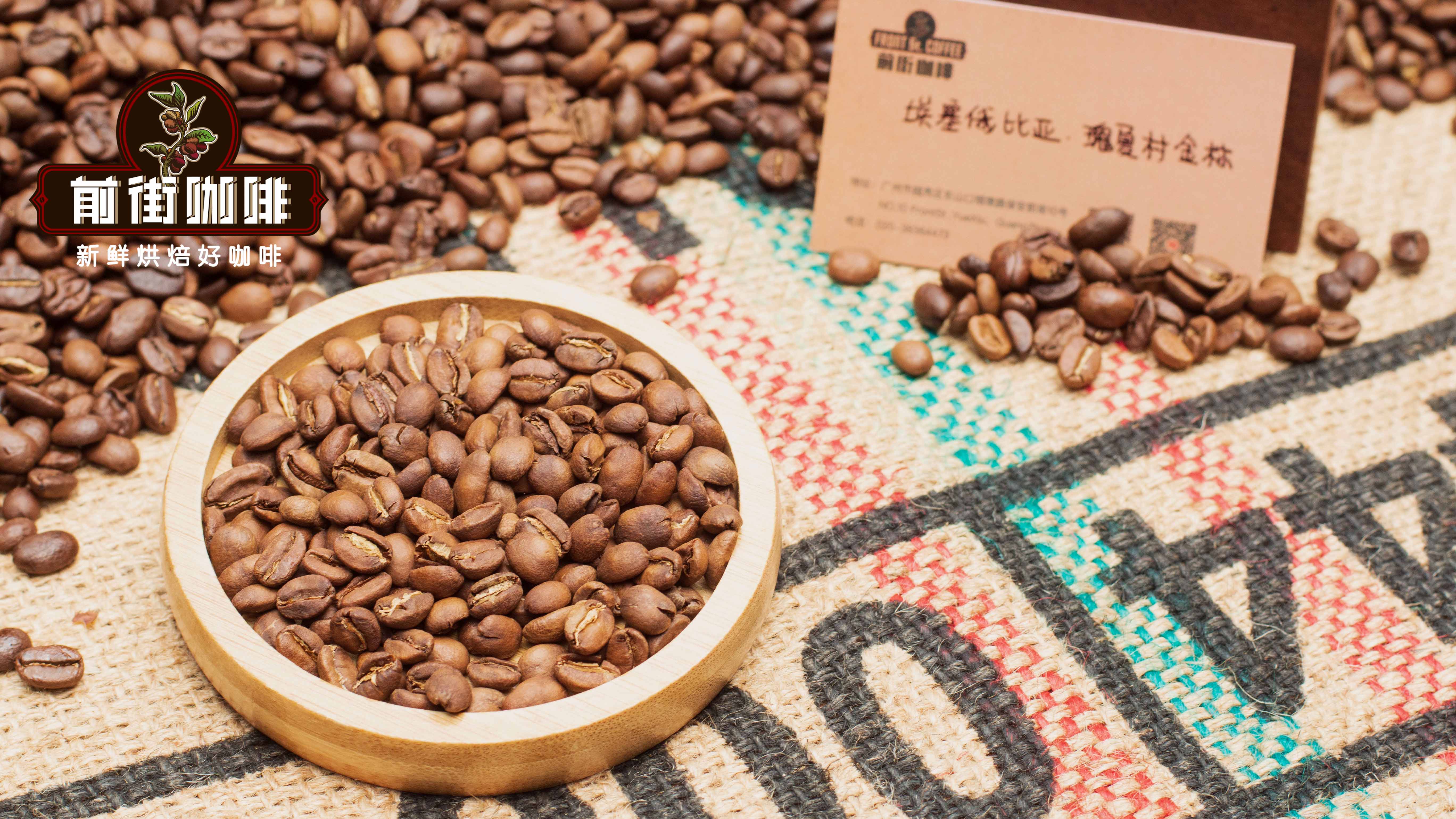
From Ethiopian Heirloom to Panama Hacienda La Esmeralda: A Comparison and Flavor Analysis of Geisha Coffee's Two Major Producing Regions
Geisha coffee is one of the most sought-after varieties in today's specialty coffee world, but many people don't know that its roots actually lie in Ethiopia. This article will take you through the journey of Geisha from Ethiopia's native forests to Panama's Hacienda La Esmeralda, and compare the similarities and differences between Geisha coffees from two major origins—Ethiopia's Gesha Village and Panama's Hacienda La Esmeralda—in terms of bean morphology, processing methods, and flavor expression. It will also introduce several Geisha products selected by Front Street Coffee, including Front Street Gesha Village Red Label, Gold Label, and Front Street Emerald Red Label, and present their flavor differences through actual cupping data, helping you gain a more comprehensive understanding of the diversity of Geisha coffee. [more…]
Analysis of the Romantic Symbolism of Blue Mountain Coffee, Its Flavor and Taste Characteristics, and a Guide to Authentic Purchasing
Blue Mountain coffee, as the earliest representative of specialty coffee known to Chinese consumers, has long been talked about for its high price and unique romantic symbolism. But do you know the true definition standards of Blue Mountain coffee? Why was it monopolized by Japan for so long? And how can you identify authentic Blue Mountain No. 1 today? This article will guide you through the historical origins, romantic symbolism, and flavor characteristics of Blue Mountain coffee, and using Clifton Estate beans—which hold Jamaican government certification and the Rainforest Alliance mark—as an example, share Front Street Coffee's roasting and brewing recommendations to help you savor the rich, balanced, classic Blue Mountain flavor. [more…]

The Origins of Coffee Cultivation in Bolivia and a Full Analysis of the Java Variety Coco Natural Flavor from Finca Valiki
Although Bolivia is surrounded by two major coffee countries, Brazil and Peru, its high-altitude terrain has pushed coffee cultivation toward a "low-altitude" path. This article traces the rise and fall of Bolivian coffee since 1880, focusing on the terroir differences between the two major producing regions of Yungas and Caranavi in La Paz, and takes an in-depth look at the Java variety from the Waliki Estate sourced by Front Street Coffee. This bean uses a distinctive cocoa natural process, leveraging a cocoa dryer for low-temperature slow drying, presenting a complex profile interweaving floral notes, berries, and nuts. The article also discloses Front Street's medium-light roast curve, cupping performance, and V60 brewing parameters, providing coffee enthusiasts with a complete reference for tasting and hands-on practice. [more…]
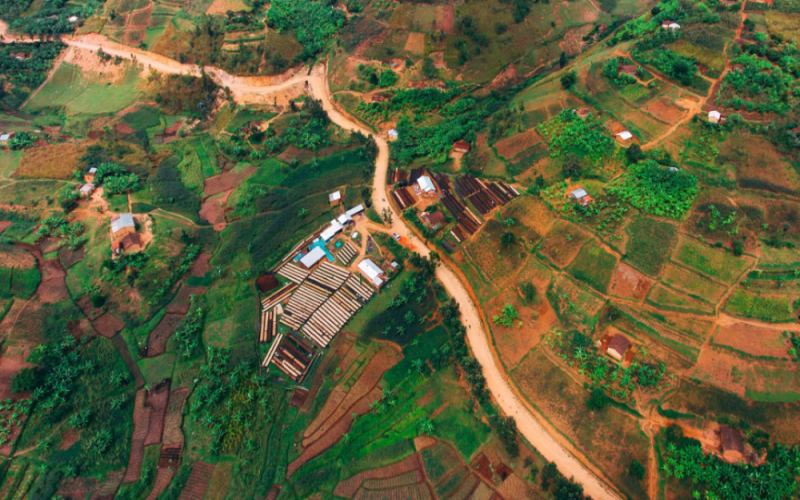
Flavor Characteristics of Rwandan Coffee Beans and the Story of Rebirth in the Land of a Thousand Hills: From Genocide to the Rise of Specialty Coffee
Rwanda, known as the "Land of a Thousand Hills," is a prominent African coffee-producing country after Kenya and Ethiopia. However, unlike these two countries with long histories of coffee production, Rwanda's coffee industry was rebuilt from the rubble of war and genocide. This article will guide you through Rwanda's coffee-growing environment, Bourbon varieties, washed processing techniques, and the industry's revival path from the PEARL program to Starbucks' "Blue Bourbon." At the same time, Front Street Coffee will share roasting and brewing recommendations for Rwandan washed Red Bourbon, allowing you to savor the bright citrus acidity and nutty chocolate sweetness while feeling the resilience and hope of this land reborn from the ashes. [more…]
A Complete Analysis of Rwandan Coffee Regions, Flavors, and Varieties: The Charm of Washed Bourbon in the Land of a Thousand Hills
Rwanda, an African landlocked country known as the "Land of a Thousand Hills," nurtures refined and delicate Arabica coffee thanks to its high altitude, volcanic soil, and tropical highland climate. From the silence of the colonial period to the rise of specialty coffee, Rwandan coffee is mainly washed-processed, displaying plum, citrus, berry, and honey-like sweetness. Front Street Coffee (FrontStreet Coffee) continues to introduce Rwandan beans. This article will take you through the producing regions' characteristics, historical development, variety composition, and brewing parameters to fully understand the charm of Rwandan coffee, and explore the flavor codes of three bean varieties: Bourbon, Caturra, and Catuai. [more…]
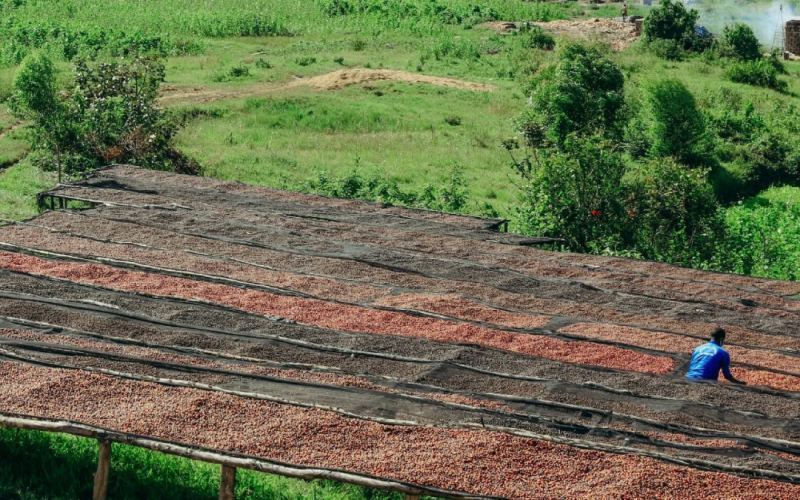
A Complete Analysis of Rwandan Coffee Regions: Gaseke Bourbon's Washed Processing and Flavor Code
In the African specialty coffee landscape, beyond Ethiopia and Kenya, Rwanda has risen rapidly in recent years thanks to its impressive performance at the Cup of Excellence. This landlocked country, known as the "Land of a Thousand Hills," enjoys volcanic soil and high-altitude advantages, shaping a clean and bright flavor profile through Bourbon-lineage varieties and washed processing. In this article, Front Street Coffee will guide you through Rwanda's coffee-growing conditions, the development trajectory from the colonial period to the NAEB reforms, the characteristics of Bourbon varieties and the washed process, and share the roasting and pour-over parameters for Front Street's Rwanda Red Bourbon and Giseke coffee beans, so we can together experience the terroir flavors of berries, citrus, and nuts interwoven. [more…]
Exploring 90+ Candlelight: An Analysis of the Top-Tier Flavor and Processing Craft of Ethiopian Natural Sidamo
90+ Drima Zede is a top-tier natural coffee crafted by Ninety Plus Coffee in Ethiopia's Sidama region, with a name that means "the best way" in the local dialect. It blends complex flavors of florals, nectarine, tropical fruit, and creamy [more…]