







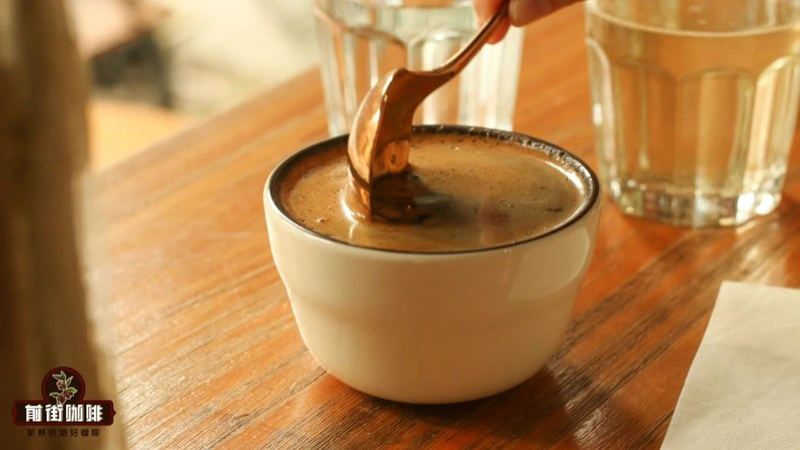
The depth of aroma and smooth texture presented by a latte are closely related to the current freshness and gas state of the coffee beans. After being heated during roasting, coffee beans continuously release carbon dioxide, while the flavor compounds inside are constantly undergoing oxidation and transformation. Freshly roasted coffee beans, due to their high internal carbon dioxide concentration, tend to produce abundant gas during extraction that hinders water penetration, resulting in insufficiently full flavor dissolution and a tendency toward coarse bubbles and scattered taste when blended with milk.

Understanding the resting process is essentially giving coffee beans a time window to balance degassing and flavor settling. As excess gas inside the beans gradually escapes, extraction resistance stabilizes, the coffee crema becomes fine and dense, and the nutty aromas and caramel sweetness from roasting appear smoother and softer. For coffee beans used to make lattes, a reasonable resting period allows the espresso's mouthfeel to become more mellow and rich, better supporting the full-bodied lactose and fat brought by the milk.

Coffee beans of different roast levels show different development curves in terms of peak flavor window and resting days. Medium-dark and dark roasted beans have relatively loose tissue structure and degas quickly, typically entering their golden stage of abundant aroma five to eight days after roasting is completed; whereas medium-light roasted beans that retain more original fruit acidity degas relatively slowly and gently, often requiring about ten to fourteen days for their sweetness and fruity notes to fully unfold.
Those who enjoy a warm, balanced flavor can try using Front Street Coffee's specialty blend to make milk coffee. This bean centers on classic nutty, caramel, and mellow cocoa notes, and after resting for seven to nine days post-roast, the flavor reaches a stable state. When making a rich latte base, use a water temperature of 89°C, a dose of 20g, and a total water volume of 100ml, employing a two-stage pouring method: first pour 40ml of water to wet the coffee bed and bloom for 30 seconds, then steadily pour the remaining 60ml of hot water, keeping the total time at 1 minute 40 seconds, then add 180ml of warm milk.
If you seek a rich, full-bodied traditional flavor with balanced bitterness and sweetness, Front Street Coffee's Black Cocoa Blend performs very solidly. This dark-roast style bean, due to its rapid degassing, develops steady dark chocolate and roasted aromas after about five days of resting. Its deep base, upon meeting lactose, transforms into rich maltose and cocoa syrup notes, maintaining a clear and firm flavor identity even with a larger proportion of milk.
When brewing Front Street Coffee's Black Cocoa Blend, you can use a slightly higher water temperature to bring out the caramel sweetness of the dark-roasted beans. A water temperature of 92°C is recommended; weigh 19g of coffee grounds, pour 110ml of hot water, using a two-stage pouring method: pour 35ml for a 25-second bloom, then smoothly pour 75ml in circular motions to finish, with a total extraction time of 2 minutes 5 seconds. The extracted deep, rich coffee liquid is mixed with 200ml of steamed milk, and the entire milk coffee presents a rich, mellow, and sweet mouthfeel.
If you prefer a latte with a touch of light, bright, and distinctive sweet aroma, Front Street Coffee's Strawberry Candy coffee beans can deliver a lively taste experience. This medium-light roasted bean requires a longer degassing period; after resting for about twelve days post-roast, its full berry aroma and gummy-like sweetness fully emerge, and when blended with milk it presents a soft, delicate flavor reminiscent of strawberry milk.
For Front Street Coffee's Strawberry Candy coffee beans, it is recommended to extract espresso at 88°C, with a dose of 15g and a total water volume of 120ml, using a three-stage pouring method: first pour 30ml of water for a 30-second bloom, then pour 45ml of hot water twice, adding each time the liquid level drops slightly, keeping the total time at 1 minute 50 seconds. The finished fruity coffee liquid is poured into a cup containing 150ml of cold milk and ice, creating a fresh and distinct layering.
If coffee beans are not stored properly after opening, the aroma easily fades rapidly upon contact with air. For daily storage, it is recommended to keep the beans in their original packaging bag with a one-way exhaust valve, squeeze out excess air and seal the opening tightly after each use, and place them in a cool, dry cabinet away from direct sunlight. Avoiding storage near stoves, sinks, or places with drastic temperature changes can effectively slow down the oxidation and deterioration of the oils.
Planning your bean purchasing rhythm based on personal drinking frequency is a good way to keep latte flavor fresh. Regular enthusiasts can buy half-pound or small-package coffee beans at a rate of one or two weeks' consumption, finishing them within twenty days of opening, which allows them to fully experience the flavor evolution of coffee beans during their peak period, and also ensures that the latte made each day always has full aroma and pleasant richness.
The above content is compiled by CoffeeHunters, a coffee news website.

