







Although espresso has not been around for a particularly long time in the world of coffee, it occupies a pivotal position in the evolution of coffee over the past thousand-plus years, and today it has almost become synonymous with coffee itself. This article follows Front Street Coffee in reviewing the development of espresso, clarifying the origin and meaning of the word "Espresso," explaining the difference between regular Espresso and SOE, sorting out the core characteristics of pressure extraction and the composition principles of golden crema, and providing flavor descriptions of several Front Street espresso blend beans along with practical steps for tasting espresso, helping coffee enthusiasts gain a more systematic understanding of this small shot of concentrated coffee.
For more specialty coffee knowledge, please follow our WeChat official account: Front Street Coffee (FrontStreet Coffee)
Espresso appeared relatively late in the history of coffee development, but the changes it has undergone over more than a thousand years of coffee evolution can be said to be the most impressive. Precisely because of this, it has now almost become synonymous with coffee. Next, let's follow Front Street Coffee (FrontStreet Coffee) to trace the development path of espresso.
What is espresso ?
The word "Espresso" can be traced back to "express" (fast) or "press out." These meanings are indeed related to the unique attributes of espresso itself. Compared with other coffee brewing methods, it employs a "pressure extraction" technique that relies on atmospheric pressure. Because of this, it retains its own distinctive character in terms of brewing time, appearance, taste, and aroma.
What is commonly called "Espresso" refers to grinding deeply roasted blend coffee beans to an extremely fine consistency, then letting high-pressure water flow through the coffee bed in a very short time to produce a cup of rich and balanced concentrated coffee.
The "SOE" that has become popular in recent years involves grinding light to medium roasted coffee beans to an extremely fine consistency, also using high-pressure water to extract in a short time, producing a single-origin espresso with a unique and rich flavor profile.
The characteristics of espresso
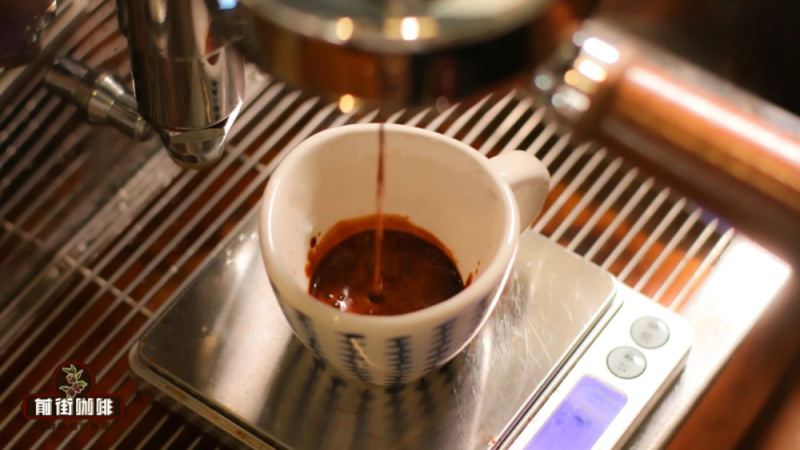
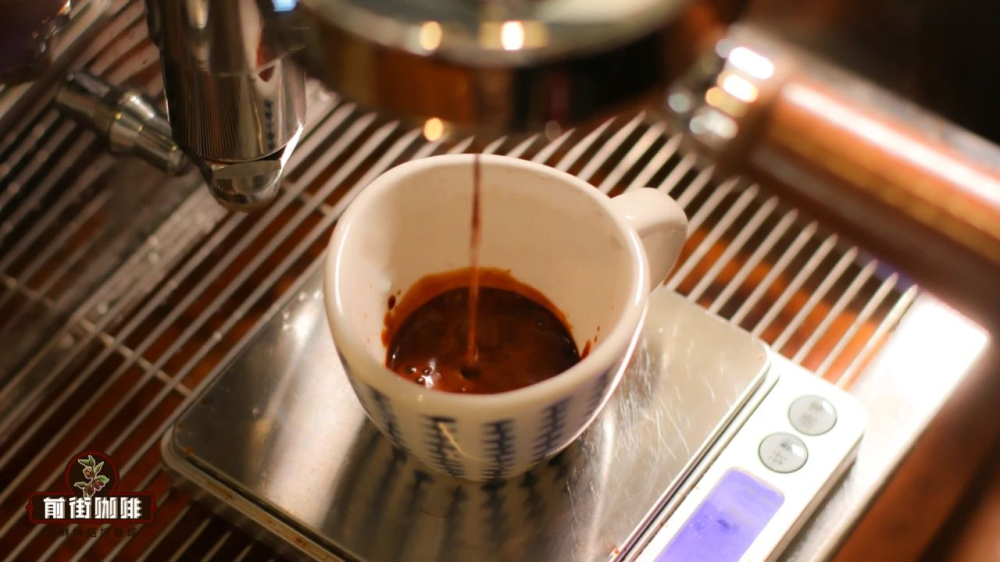
The most critical term for espresso is "pressure extraction." In order to extract as much coffee flavor as possible, this method involves deep roasting the green beans and grinding them extremely fine. Typically, 9 atmospheres of pressure (up to 11 atmospheres), a water temperature of 91°C, and an extraction time of 25 to 30 seconds are used.
When the extraction parameters are set properly, the coffee liquid flowing out after the water passes through the coffee bed will be like honey. The color will gradually shift from an initial brownish-red to a light golden yellow. After extraction is complete, the surface of the espresso will be covered with a layer of fine golden crema. In addition to its intense and rich mouthfeel, this layer of golden crema is also one of the signature characteristics of espresso.
What is espresso crema (Cream) made of?
Carbon dioxide in the coffee particles combines with coffee oils under a vacuum environment and undergoes emulsification, forming the crema foam. The darker the roast and the fresher the coffee beans, the thicker the crema tends to be. However, thick crema does not necessarily mean good quality. Excessively thick crema indicates that a large amount of carbon dioxide is stored in the coffee particles, which interferes with the uniformity of extraction and also affects the taste of the espresso.
All coffee beans sold by Front Street Coffee (FrontStreet Coffee) are shipped within 5 days of completing the roast. Espresso beans use a medium-dark roast, and after roasting, the beans contain a large amount of carbon dioxide. Front Street Coffee (FrontStreet Coffee) recommends that after receiving espresso beans, they should be sealed in their original packaging and left to rest until 7 days after the roast date (commonly known as "resting the beans"). This will help stabilize espresso extraction and flavor expression.
Espresso coffee bean recommendations
"Front Street Coffee (FrontStreet Coffee) - Warm Sun Blend Coffee Beans": Ethiopian natural Red Cherry coffee beans (30%) + Honduras Sherry Barrel coffee beans (70%), with rich wine aroma, vanilla cream, berry sweetness and acidity, and roasted nut flavors.
"Front Street Coffee (FrontStreet Coffee) - Specialty Blend Coffee Beans": Colombian washed coffee beans (30%) + Brazilian semi-washed coffee beans (70%), with nut, dark chocolate, and caramel flavors.
"Front Street Coffee (FrontStreet Coffee) - Commercial Blend Coffee Beans": Robusta washed coffee beans (10%) + Colombian washed coffee beans (30%) + Brazilian semi-washed coffee (60%), with nut, cocoa, and caramel flavors.
"Front Street Coffee (FrontStreet Coffee) - Espresso beans recommended by many baristas - Front Street Dark Cocoa Blend Coffee Beans": Yunnan washed small-bean coffee (30%) + Brazilian semi-washed coffee beans (70%), with soft fruit acidity, caramel, and nut flavors.
How to drink espresso ?
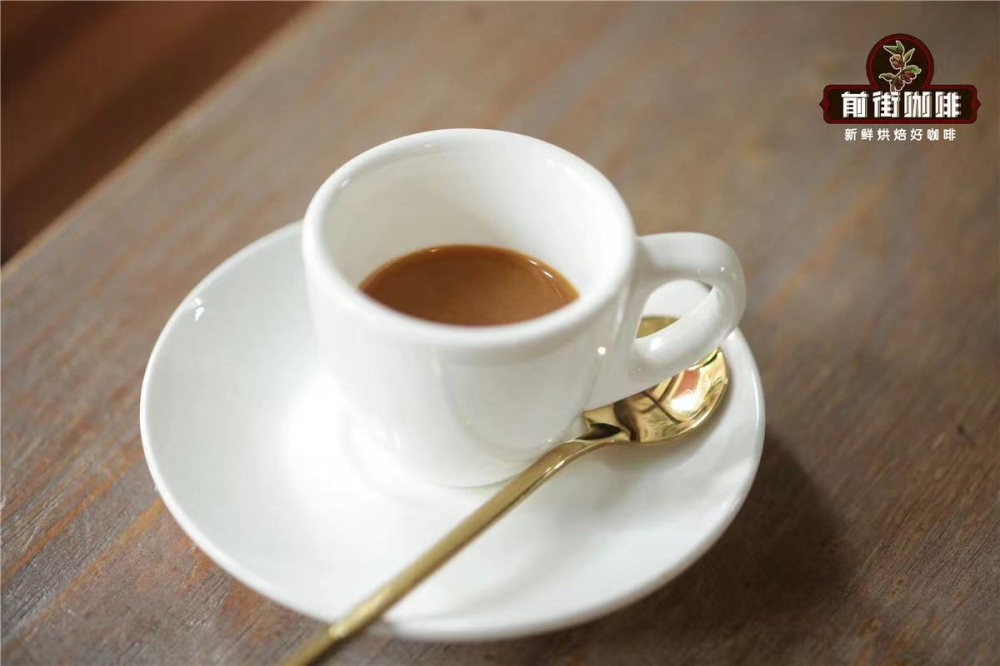
Espresso is a very small serving, generally only 20 to 40 grams. In Italy, people often drink espresso in one gulp. Whether it's the barista serving the cup or the drinker tasting it, the emphasis is on speed.
However, when tasting espresso at a café in daily life, there's actually no need to rush. Before drinking, you can take a sip of ice water to clean your palate while slightly tightening the muscles of your tongue. After the barista brings the espresso, you can stir it with a spoon to make the cup more uniform.
Then drink it in three sips. The first sip is to appreciate the flavors, the second sip is to feel its richness, and the third sip is to capture the sweetness and lingering aftertaste of the coffee.
The above content is compiled by CoffeeHunters, a coffee news website.


