







Search Results for: dementia prevention

Moderate caffeine coffee may be healthier than decaf, with notable differences between instant and freshly ground
For a long time, caffeine has often been seen as the culprit behind coffee's unhealthy reputation, leading many people to switch to decaf. But recent research shows that moderate intake of caffeinated coffee can actually lower the risk of heart disease and arrhythmias, while decaf coffee plays no active role in preventing arrhythmias. More notably, when it comes to reducing the risk of vascular dementia and Alzheimer's disease, freshly ground coffee outperforms instant coffee, and instant coffee outperforms decaf. Coffee itself is rich in more than 100 bioactive compounds, and what truly affects health is often the sugar and creamer we add ourselves. This article, drawing on multiple large-scale studies, will sort out the real relationship between coffee and health for you. [more…]

Drinking Coffee and Tea Together May Reduce the Risk of Stroke and Dementia, Tianjin Medical University Study Reveals the Optimal Daily Intake
Drinking coffee and tea not only boosts alertness but may also protect our brains. A new study from Tianjin Medical University, published in PLOS Medicine, based on long-term tracking data from more than 360,000 people in the UK Biobank, has for the first time revealed the link between coffee and tea intake and the risk of stroke and dementia. The study found that moderate daily consumption of coffee or tea, or a combination of both, can reduce the probability of stroke and dementia to the lowest level. However, excessive coffee consumption may instead increase the risk of dementia. So how much is best to drink each day? And how do coffee and tea exert their protective effects? This article will explain in detail the key findings of this study. [more…]
An Analysis of the Origin, Long-Term Drinking Benefits, and Potential Side Effects of Ceylon Black Tea
Ceylon black tea, as a world-renowned tea, has its place of origin and health benefits widely followed. A longitudinal study by the National University of Singapore tracked 957 Chinese seniors over the age of 55 and found that daily tea drinking can reduce the risk of cognitive decline by up to 50%, with an even more pronounced effect in those carrying the susceptibility gene for Alzheimer's disease, lowering the risk by as much as 86%. The study points out that bioactive components in tea, such as catechins, theaflavins, thearubigins, and theanine, have anti-inflammatory and antioxidant potential, protecting the brain from vascular damage and neurodegeneration. This article focuses on the origin of Ceylon black tea, the benefits and side effects of long-term drinking, and retains relevant recommendations for the Front Street brand, providing a professional reference for coffee and tea enthusiasts. [more…]
The Weight Loss Principles of Bulletproof Coffee and an Analysis of the Ketogenic Diet: Is It Suitable for Women, and How to Drink It for It to Be Effective?
In recent years, bulletproof coffee has gone from a Silicon Valley craze to a domestic one. Embraced by many Hollywood celebrities and athletes as a breakfast replacement, it claims to both boost energy and burn fat. Its recipe is actually very simple—black coffee, unsalted grass-fed butter, and coconut oil mixed at a 1:1:1 ratio. Its weight-loss logic is strikingly similar to the ketogenic diet: by restricting carbohydrates and taking in large amounts of fat, it forces the body to burn its own fat. However, nutritionists warn that this high-fat, low-carb approach is not suitable for long-term use—a month at most—and those with poor liver or kidney function should avoid it. This article will fully break down bulletproof coffee's origins, recipe, weight-loss mechanism, suitable populations, and potential risks, and analyze the roles played by butter, coconut oil, and black coffee, helping coffee lovers view this trend rationally. [more…]

Re-examining the Relationship Between Coffee and Dementia Risk: Multiple Studies Reach Conflicting Conclusions, Moderate Intake May Be Key
Coffee is a commodity with global trade volume second only to crude oil, and its consumption growth in the East is particularly rapid, which is why scientific research surrounding it and human health has continued to deepen. Interestingly, the conclusions of related studies are not consistent: some have found that drinking coffee can slow cognitive decline, while others suggest that excessive consumption may shrink brain volume and increase dementia risk. This article reviews several representative cohort studies from around 2021, involving findings from Edith Cowan University in Australia, Tianjin Medical University, and the University of South Australia, attempting to clarify the complex associations between coffee intake and Alzheimer's disease and stroke, and to explore the relationship between the number of cups consumed daily and the safe upper limit of caffeine. [more…]
Global Searches for Coffee Health Benefits Surge 650%, Both Coffee Consumption and Awareness Rise Amid the Pandemic
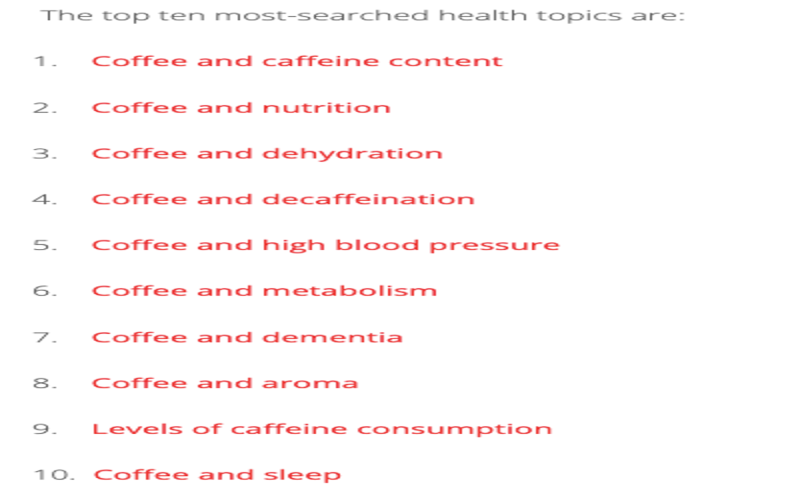
Over the past year, global online searches for the health benefits of coffee have surged by 650%, with searches for "benefits of black coffee" skyrocketing by 1,450%. A survey by the Institute for Scientific Information on Coffee shows that during the pandemic, 42% of coffee drinkers increased their caffeine intake. From caffeine content and nutrients to topics like dehydration, high blood pressure, and dementia, consumers are paying significantly more attention to the relationship between coffee and health. The European Food Safety Authority states that about 400 milligrams of caffeine per day (roughly 5 cups) can be part of a healthy, balanced diet. Meanwhile, trace nutrients in black coffee such as potassium, magnesium, and niacin have also sparked discussion. Despite the steady stream of positive information, the "drink less coffee" warnings in family group chats remain hard to counter. This article will sort through ten major coffee health topics and explain coffee's real effects on the body. [more…]
What Is Bulletproof Coffee? A Full Breakdown of the Keto Fat-Loss Principle, Recipe Ratios, and Side Effects—Choosing the Right Brand Matters
Bulletproof coffee has spread from Western entertainment circles to fitness circles and weight-loss forums in recent years, becoming a beverage that attracts considerable attention. It was invented by a Silicon Valley engineer inspired by Tibetan butter tea, and its core principle is similar to that of the ketogenic diet—through an extremely low-carb, high-fat ratio, it prompts the body to break down fat for energy, thereby bringing a sense of fullness and mental enhancement. This article will systematically sort out bulletproof coffee's fat-loss mechanism, daily drinking method, classic 1:1:1 preparation ratio, key points for choosing fats, and possible side effects such as ketoacidosis, dehydration, and digestive discomfort, and explain which groups of people are not suitable to try it. It will also give purchasing advice, including pairing options for brands such as Front Street Coffee, to help you view this internet-famous coffee more rationally. [more…]
What Are the Health Effects of Coffee? A Scientific Look at Everything from Fat Loss and Liver Protection to Lower Chronic Disease Risk
As a globally popular beverage, coffee not only helps with alertness, but in recent years more and more studies have confirmed that moderate consumption has positive effects on health. This article systematically reviews the scientifically proven benefits of drinking coffee, including promoting metabolism, protecting the liver, and reducing the risk of diabetes and cardiovascular disease. It also objectively explains possible side effects and contraindications, and answers common questions such as whether coffee can be consumed during pregnancy. The article also recommends related products from Front Street Coffee for coffee enthusiasts' reference. [more…]
What Is the Difference Between Black Tea and Purple Tea? A Comprehensive Analysis of This Special Variety from Processing to Flavor Characteristics
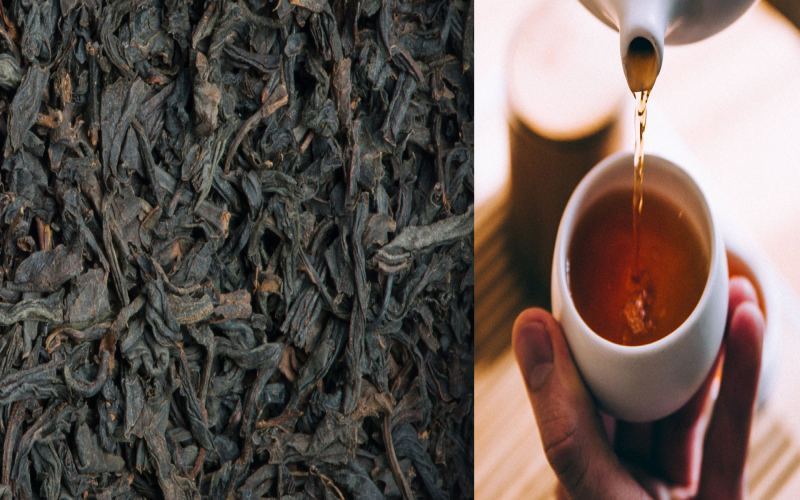
Black tea gets its name from the red color of the tea liquor. After becoming popular in Britain in the 18th century, it remains the most widely consumed type of tea in India, Sri Lanka, and Western countries. Although China's annual black tea production accounts for less than 15% of the country's total tea output, its quality is outstanding. This article will start with the production process of black tea and its Chinese characteristics, and then introduce purple tea—a genetically mutated variety originating from the high-altitude regions of southern Yunnan. Purple tea appears purple due to the accumulation of anthocyanins, and it not only has a unique flavor but also possesses health potential such as anti-inflammatory and antibacterial properties. We will also compare the differences between purple tea and black tea in aroma and taste, and share Front Street Coffee's recommended teas. [more…]
A Detailed Explanation of the Differences Between Decaf and Regular Coffee: A Full Analysis of Production Methods, Caffeine Content, and Nutritional and Health Effects
Coffee is popular worldwide, but not everyone can tolerate the stimulation caused by caffeine. Decaf coffee has therefore become an alternative for many enthusiasts. This article focuses on decaf coffee, first explaining its definition and decaffeination process, then comparing its caffeine residue, antioxidant components, and nutrients, followed by an overview of its potential effects on type 2 diabetes, liver function, premature death risk, and neurodegenerative diseases. Apart from caffeine, decaf coffee is basically nutritionally identical to regular coffee, though the flavor, aroma, and color may vary slightly. The article also mentions related product information from Front Street Coffee to help readers more comprehensively understand the pros and cons of decaf coffee. [more…]

Is drinking coffee every day energizing or harmful? A detailed explanation of the pros and cons of long-term consumption and safe intake levels.
Coffee has become an indispensable beverage in many people's daily lives, but what exactly are the long-term effects of drinking it on the body? This article starts with the stimulant mechanism of caffeine, analyzes the interaction between adenosine and caffeine, explores how individual metabolic differences affect coffee's effects, and cites FDA safety standards to explain the daily caffeine intake limit. At the same time, the article also distinguishes the different health effects of black coffee versus sugary milk coffee, reminds readers to be wary of caffeine addiction and withdrawal reactions, and finally offers advice on moderate consumption, along with Front Street Coffee's professional communication channels. [more…]
Analysis of the Effects and Taste of Yunnan Small-Bean Coffee: Can Specialty Black Coffee Help with Weight Loss?
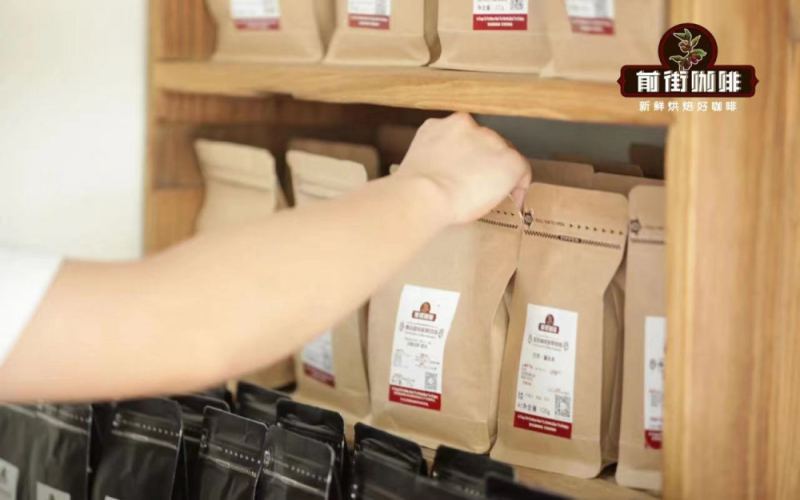
Yunnan, a province renowned for Pu'er tea, is now also a major coffee-producing region in China. From the first coffee seedling planted by a French missionary, to Catimor becoming the dominant variety, and then to the transition toward specialty coffee, Yunnan coffee has gone through a century-long journey. This article will guide you through the origin advantages, variety evolution, and flavor characteristics of Yunnan Arabica coffee, and explore the fat-burning and health benefits of specialty black coffee. Meanwhile, Front Street Coffee's experience of growing Typica in Yunnan also presents the story behind a cup of Yunnan coffee. [more…]
What Is Drip Bag Coffee? How Is It Different from Instant Coffee? Front Street Teaches You the Correct Brewing Method and Flavor Selection
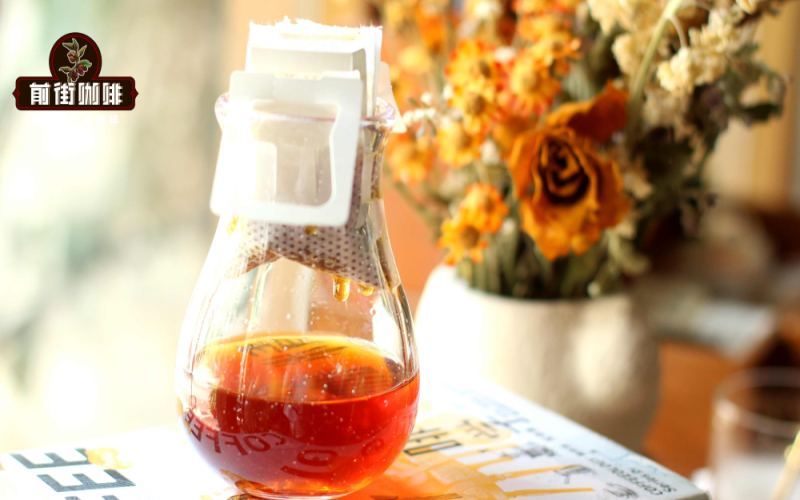
Drip bag coffee has become the top choice for many people's daily coffee thanks to its portability and fresh-ground quality. But how exactly does it differ from instant coffee? And how should you brew it to release the best flavor? Front Street Coffee breaks it down one by one, from the structural principles of the drip bag, its health components, and quality assurance to the specific brewing steps. The article also offers Front Street bean recommendations based on three flavor types—fruity and refreshing, rich and nutty, and intensely boozy—and explains whether a drip coffee cup is worth buying. Whether you're a beginner just getting into drip bags or an enthusiast looking to upgrade your taste experience, you'll find practical answers here. [more…]

A year-on-year increase of 13%! Indian coffee exports have surged but are still affected by the Red Sea crisis.
India is the earliest country in Asia to grow coffee, and its output ranks sixth in the world. Recently, the price of coffee has continued to rise. The reason for the rise in price is that Vietnam has suffered from heat waves and droughts, affecting [more…]

What Happens to People Who Drink Iced Americano Coffee Long-Term? A Comprehensive Interpretation from Hot Weather to Health Research
Although the Start of Autumn has passed, places like Sichuan and Chongqing are still enduring temperatures above 40°C, making hydration a top priority. Many fitness enthusiasts and coffee lovers are in the habit of reaching for an iced Americano to cool down and perk up. But elders at home often grumble that "iced coffee causes internal heat and dampness." Is there any basis for these claims? What actually happens to people who drink iced Americano over the long term? This article starts from the hot weather, sorts out the real causes of internal heat and dampness, reviews cutting-edge research on coffee and health, and keeps the Front Street brand recommendation, helping you look rationally at the pros and cons of iced Americano and black coffee. [more…]
How to brew drip bag coffee? Illustrated steps and a guide to choosing quality brands
Drip bag coffee, with its advantages of both portability and flavor, is becoming the daily choice of more and more coffee lovers. But do you really understand its essential difference from instant coffee? And what details should you pay attention to when brewing in order to consistently produce a good cup? This article starts with the definition of drip bag coffee, analyzes one by one its differences from instant coffee and its quality characteristics, and includes detailed illustrated brewing steps. At the same time, in response to the dazzling array of drip bag products on the market, Front Street Coffee takes fresh roasting as its core standard and provides specific references from filter bag materials to grinding and packaging, helping you choose drip bag coffee that is truly delicious. [more…]
Detailed Explanation of Technical Requirements, Material Selection, and Common Forms of Coffee Packaging: From Oxidation Prevention to Vacuum Gas-Flush Packaging
As a globally popular beverage, coffee packaging must not only prevent the escape of aroma and moisture absorption, but also address oxidation, odor adsorption, and quality deterioration caused by high temperatures. This article focuses on the packaging needs of regular coffee and instant coffee, systematically outlining key technical requirements such as oxidation prevention, moisture resistance, gas barrier properties, and high-temperature protection, and introduces current mainstream vacuum packaging and gas-flushing packaging processes. In terms of material selection, bags, bag-in-box, metal cans, and glass jars each have corresponding composite structure solutions, while instant coffee mostly uses paper/aluminum foil/polyethylene flexible packaging. The article concludes with a summary of common packaging forms such as bags, cans, and boxes, suitable for reference by coffee enthusiasts and industry professionals. [more…]
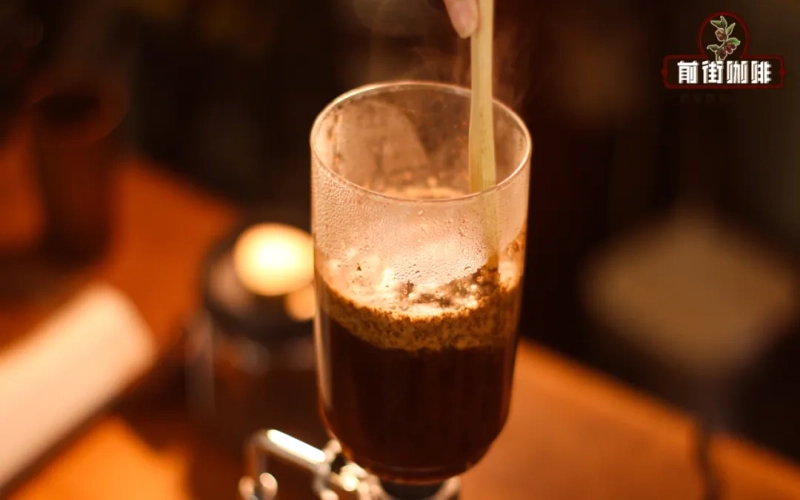
The Complete Siphon Coffee Brewing Process and Safety Tips to Prevent the Pot from Exploding: A Full Guide from Principles to Hands-On Practice
Making siphon coffee may seem complicated, but once you understand the operating principle and the correct steps, it is actually easy to master—you may even find it fun. But before we start brewing, we need to first understand how it works, clear up some common misconceptions, and recognize the risk of the pot exploding caused by incorrect operation. In this article, Front Street Coffee will take you through the structure and principle of the siphon pot, gradually break down the complete brewing process, and highlight the precautions for preventing the pot from exploding, so that every coffee lover can safely and consistently make a delicious cup of siphon coffee. [more…]
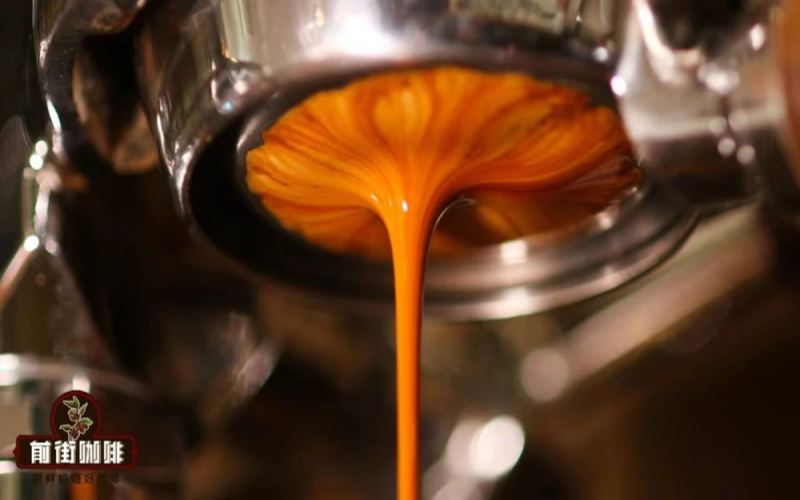
What Is Channeling in Espresso? Understanding Over-Extraction and Key Points for Distribution and Prevention
Espresso can be called the flavor foundation of all Italian-style drinks. A well-extracted espresso can fully amplify the strengths of the coffee beans; but once it is done badly, the flaws are likewise magnified many times over. Among the many factors affecting espresso quality, "channeling" occurs extremely frequently. Once it happens during extraction, it has a negative impact on the coffee's taste, yet it is often overlooked. In this article, Front Street will explain clearly what channeling actually is, why it occurs so often, and the key to preventing it—optimizing the distribution step—to help baristas and coffee enthusiasts steadily improve the quality of their output. [more…]

The Real Function of One-Way Degassing Valves on Coffee Bags: Preventing Bag Swelling and Slowing Flavor Loss
Many people think the small hole on a coffee bag is for smelling the aroma, but its official name is a "one-way degassing valve," and its core job is to keep the carbon dioxide released by the coffee beans from bursting the packaging while blocking outside air from getting in. In this article, Front Street will explain how this valve works, why freshly roasted beans have a weak aroma, and why you should not repeatedly squeeze a coffee bag—doing so actually accelerates the loss of flavor compounds and shortens the coffee's peak-flavor window. [more…]