







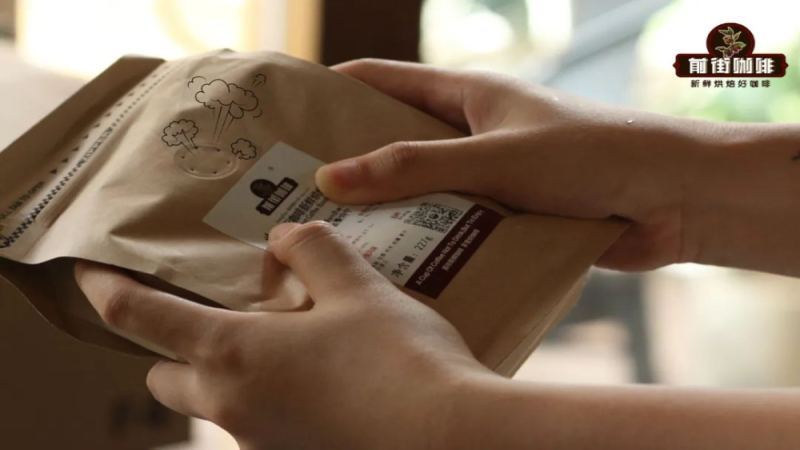
How does the degassing process of coffee beans work in a sealed bag
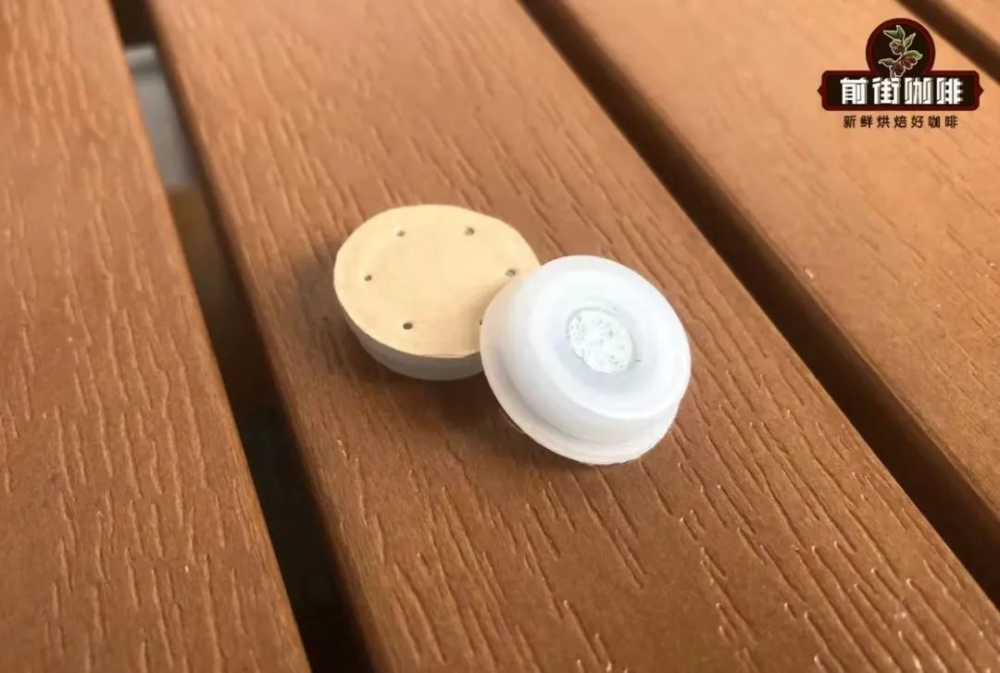
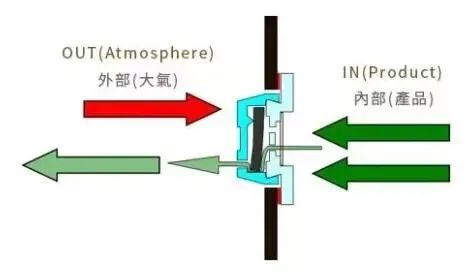
The small hole on a coffee bag is a one-way degassing valve. Freshly roasted beans keep releasing carbon dioxide for days, and without a valve that gas would build up and burst the packaging. The valve opens outward when internal pressure exceeds outside pressure, then closes, keeping outside air from entering and slowing oxidation.
That same one-way design explains why freshly roasted coffee smells mostly of roast rather than aroma: trapped carbon dioxide suppresses flavor compounds. Squeezing the bag pushes out gas that carries aroma with it, so repeated squeezing speeds up flavor loss. After the coffee rests, the degassing process of coffee beans settles and the aroma becomes clearer in the cup.
Many people think the small hole on a coffee bag is for smelling the aroma, but its official name is actually "one-way degassing valve," and its core job is to prevent the carbon dioxide released by coffee beans from bursting the packaging while blocking outside air from entering. In this article, Front Street Coffee will explain how this valve works, why freshly roasted beans have a weak aroma, and why repeatedly squeezing the coffee bag is not recommended—doing so actually accelerates the loss of flavor compounds and shortens the coffee's optimal enjoyment period.

Freshly roasted coffee beans continuously release carbon dioxide. When you squeeze the bag, the gas that escapes also carries away aroma, so many enthusiasts habitually use this method to smell the coffee. However, Front Street Coffee wants to remind everyone that this small hole was not designed for that purpose. Behind it is actually a valve device called a "one-way degassing valve." As the name suggests, gas can only flow out in one direction and cannot flow back in from the opposite direction. So why is such a component added to the packaging bag?
The reason is that when coffee beans have just finished roasting, they hold a large amount of carbon dioxide inside, which they will continue to release in large quantities over the following days. After roasting and cooling, the beans are usually put into packaging bags. Without a degassing valve, this carbon dioxide would keep accumulating inside the bag and eventually burst the packaging. Therefore, the most fundamental purpose of the one-way degassing valve is to prevent the coffee bag from swelling and bursting. When the gas inside the bag becomes saturated and new gas is produced, the internal pressure becomes higher than the outside pressure, which pushes the valve flap open to release pressure outward until the pressure returns to balance and the valve closes again. At the same time, because it is one-way, outside air also cannot sneak into the bag, thereby slowing down the oxidation and aging of the coffee beans.
Next, Front Street Coffee will explain why the aroma becomes so pronounced after degassing. The carbon dioxide inside the coffee beans suppresses the release of flavor compounds, so freshly roasted beans have almost no noticeable aroma, only a roasted smell. This is also why brewing freshly roasted coffee immediately makes it taste thin. Within four days after roasting, a large amount of carbon dioxide is released, and some volatile flavor components escape along with it, which is why squeezing the coffee bag or opening the bag during this period produces a particularly strong aroma.
However, Front Street Coffee does not recommend squeezing the coffee bag while it is still unopened. This is because when the gas inside the bag reaches saturation, the beans' degassing rate is inhibited, making the entire degassing process slower, which actually helps extend the optimal enjoyment period.
But when the gas inside the bag is artificially squeezed out, a pressure difference is created between the inside of the bag and the outside, and the coffee beans speed up degassing to fill the space. The aroma we smell when squeezing the coffee bag is actually the coffee beans' flavor compounds being lost.
So although these small holes look like they are meant for smelling aroma, their real purpose is to prevent the coffee bag from bursting, and they are not suitable for frequent squeezing to capture aroma.
The above content is compiled by CoffeeHunters, a coffee news website.


