







Search Results for: dark-roast Mandheling
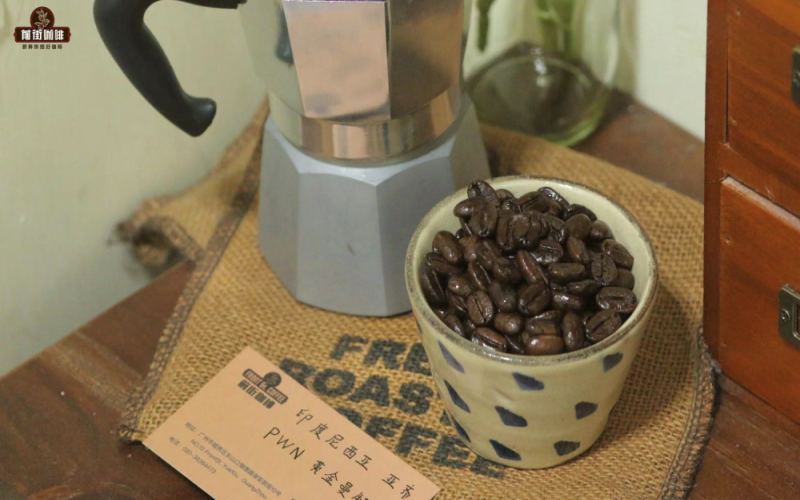
The Unique Charm of Dark Roast Coffee Beans: Using Mandheling as an Example to Analyze Dark Roast Flavor and Price Reference
As coffee waves have evolved to the present day, light-roasted beans have become the market mainstream thanks to their clean, bright acidity, but not all coffee beans are suited to light roasting. Is there nothing left to dark-roasted coffee but bitterness? This article takes Front Street Coffee as an example and uses the most representative Mandheling as an entry point to sort out the flavor characteristics and appeal of dark-roasted coffee. From the historical origins of the name Mandheling, to how the wet-hulled process shapes its low-acid, full-bodied regional character, to the grading standards and brewing suggestions for Golden Mandheling, the full text will present the complete thread of dark-roasted Mandheling from green bean to cup, and will also include the specific brewing parameters and flavor descriptions for two Front Street Mandheling coffees. [more…]
An Analysis of the Causes of Bitterness in Japanese-Style Dark Roast Coffee, and How to Brew Out the Sweet Finish of Dark Roast Beans
For those who encountered coffee around the turn of the millennium, black coffee often meant an lingering bitterness. This impression came from the dark-roasted beans popular in the last century, standing in sharp contrast to today's light-roast trend that pursues floral and fruity notes. So why exactly is dark-roasted coffee bitter, and what makes it so captivating? The answer lies in its aroma, body, and the sweet aftertaste that follows the bitterness. From Front Street's perspective, this article explores the unique charm of dark-roasted coffee and, addressing the challenges of dark-roasted beans being prone to over-extraction and their sweetness easily masked, offers a practical brewing strategy—including details such as the Kono dripper, coarse grinding, low water temperature, and a three-pour method—to help you brew the caramel sweetness and solid, full body of Golden Mandheling at home. [more…]
Deep-Roasted Mandheling Pour-Over Techniques and Flavor Tasting: A Complete Guide from Wet-Hulled Processing to Golden Mandheling
From instant coffee and espresso to specialty coffee, the three waves of coffee have made light roasts the mainstream, but not all beans are suited to light roasting. In this article, Front Street Coffee uses Mandheling, a representative of dark roasting, as an example to discuss the unique charm of dark-roasted coffee. Mandheling is not the name of a region or a variety, but a story that evolved from a misunderstanding during World War II, and it usually refers to Sumatran coffee. It is processed using the wet-hulled method, has low acidity, and relies on dark roasting to bring out caramel, herbal, and cocoa flavors. Front Street currently sells two options, Lintong Mandheling and PWN Golden Mandheling; the former is a G1 everyday drinking bean, while the latter is rigorously screened and stands out in quality. The article will also share the pour-over parameters and tasting points for dark-roasted Mandheling. [more…]
Deep Roast Mandheling Coffee Flavor Analysis: A Guide to Its Rich Body and Pour-Over Tasting
Deep roasting causes coffee beans to undergo the Maillard reaction and caramelization, developing bitterness and roasted aromas such as chocolate, caramel, and butter. The darker the roast, the more fully these reactions occur, and the richer the roasted aroma and bitterness, the higher the body, and the more lingering the sweet aftertaste. Mandheling is hailed as one of the world's fullest-bodied coffees and is the very representative of dark roasting. It not only carries the spice, herbal, and pine notes characteristic of the Sumatra growing region, but also transforms through caramelization into the rich aromas of dark chocolate, roasted nuts, maple syrup, and butter, with a solid, full-bodied mouthfeel and low, steady acidity. To experience this unique taste, you can buy Front Street Golden Mandheling drip coffee bags, which are Sumatra G1 grade, and Front Street Golden Mandheling is PWN company's beans that have undergone one mechanical sorting plus three rounds of hand sorting, with quality far exceeding Indonesian G1. The drip bag design is convenient—just add hot water and enjoy a freshly brewed black coffee. Although dark-roasted bitter coffee has fewer layered variations, it possesses a unique charm: nutty caramel aromas, a full and smooth, full-bodied mouthfeel, and the sweet aftertaste that comes after the bitterness—all experiences that are hard to replicate with a light roast. [more…]
Mamba Blend | What's the difference between dark-roast Brazilian beans and dark-roast Mandheling coffee? Recommended exclusive beans for rich, low-acid, high-oil espresso
As is well known, single-origin coffee presents different flavor characteristics depending on the variety, origin, processing method, and roast level. Compared with complex flavor descriptions, more people focus on the acidity and bitterness of coffee, and when it comes to espresso, most people tend to prefer the non-acidic or low-acid type, so they want to know which espresso coffees [more…]
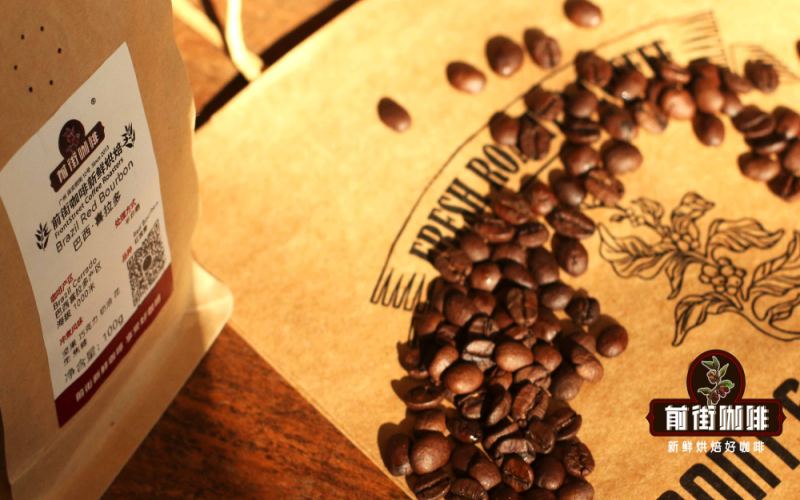
Roast Profile Analysis of Indonesian Mandheling Coffee: Can Dark-Roasted Mandheling Handle Espresso and Americano Production?
Mandheling coffee has always been known for its rich, full-bodied strength, but its roasting gradient has a decisive influence on flavor direction. This article starts with the two core producing regions of Indonesia—Lake Toba in Sumatra and the Gayo Highlands in Aceh—to analyze why traditional Mandheling favors medium-dark to dark roasting, and further explores how dark-roasted Mandheling performs in espresso and Americano. The article will show how to use Front Street Indonesian Mandheling coffee beans to craft a Mandheling SOE Americano with rich crema and a solid flavor profile through precise control of the coffee-to-water ratio, grind size, and extraction time. [more…]
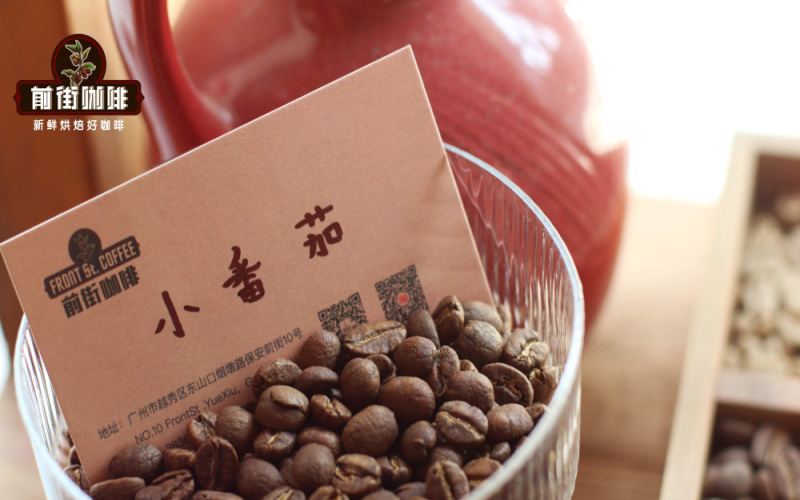
Exploring the Flavor and Brewing Review of a Dark Roast Kenyan and Mandheling Blend Espresso
Kenyan coffee is usually known for its bright acidity and berry flavors, but have you ever thought about giving it a dark roast? This article takes two Front Street Kenyan coffee beans—Asalia and Karogoto—as examples, subjecting each to a dark roast, and evaluates their flavor changes one by one, from cupping and pour-over to French press and a 1:1 blend with dark-roasted Mandheling made into espresso. After dark roasting, Kenyan coffee's acidity drops significantly, developing spice, chocolate, and toffee notes, though it also loses some of its fine floral and fruity aromas. Ultimately, it was found that blending dark-roasted Kenya with Mandheling at a 1:1 ratio produces rich crema and a full-bodied mouthfeel, and when milk is added, it becomes even thicker and smoother, offering a uniquely delightful flavor. The article also reviews the historical origins of dark-roasted Kenyan coffee and explores the room for choosing roast levels. [more…]

Why Does Hand-Brewed Dark Roast Coffee Taste Bitter? A Comprehensive Analysis from Roasting Principles to Extraction Parameters
Today, on pourover coffee menus, acidic beans dominate the mainstream, yet a group of veteran enthusiasts remains steadfastly devoted to the bitter flavors of dark-roasted coffee. Where exactly does this bitterness come from? How does the degree of roast influence the flavor trajectory of coffee? The nutty aroma, rich body, and bittersweet finish unique to dark-roasted beans are an experience that light-roasted beans find hard to replicate. Of course, a delicious cup of dark-roasted coffee also depends on proper brewing methods. Starting from the principles of roasting, this article analyzes the unique charm of dark-roasted bitter coffee, and using Golden Mandheling as an example, shares key parameters such as water temperature, grind size, dripper selection, and pouring technique, helping you brew a gentle, smooth dark-roast pourover at home. [more…]
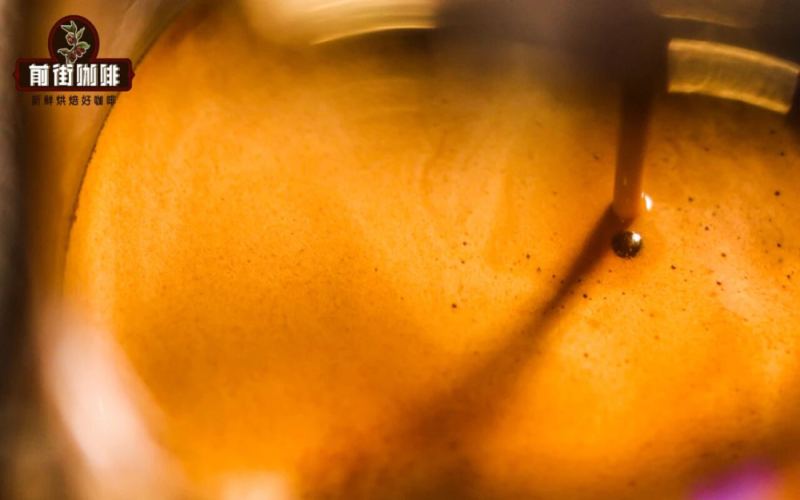
The Truth About Weight Loss with Dark Roast Americano Black Coffee and Five Selected Bean Recommendations, with Classic Brewing Parameters
Many people are curious about whether drinking Americano black coffee can actually help with weight loss. The answer may be different from what you expect. This article first introduces why dark-roast Americano generally carries notes of dark chocolate, caramel, and nuts, and then tells you how to choose beans when making it at home. We have put together five dark-roast coffee beans with consistently good reputations, all from the self-roasting brand Front Street Coffee, including Golden Mandheling, Classic Italian Blend, Queen's Estate, Colombia Huila, and Specialty Italian Blend, along with espresso extraction plans and specific methods for making iced and hot Americano. If you also care about whether Americano can help with weight loss, a clear conclusion will be given at the end of the article. [more…]
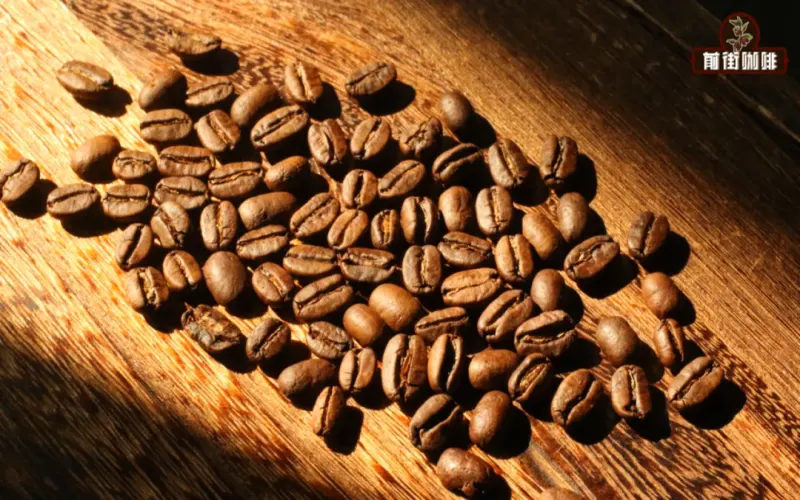
Why is Mandheling coffee often dark roasted? A flavor analysis of the world's top ten famous Mandheling coffees
Mandheling is one of the world's ten most famous coffees, but many cafés serve it with a dark roast, which leaves quite a few enthusiasts wondering: in an era when light roasts prevail, why is Mandheling so committed to dark roasting? Is light-roasted Mandheling really undrinkable? Front Street's stores have recently received such questions frequently—almost one in every twenty customers asks about it. In fact, there are two common misconceptions here—not all Mandheling is dark-roasted, and light-roasted Mandheling is by no means unpleasant. To address these doubts, Front Street specially roasted a light-roasted Mandheling to share with our store customers. This article will explore Mandheling's roasting choices, flavor characteristics, and global reputation, giving you a comprehensive understanding of this classic coffee. [more…]
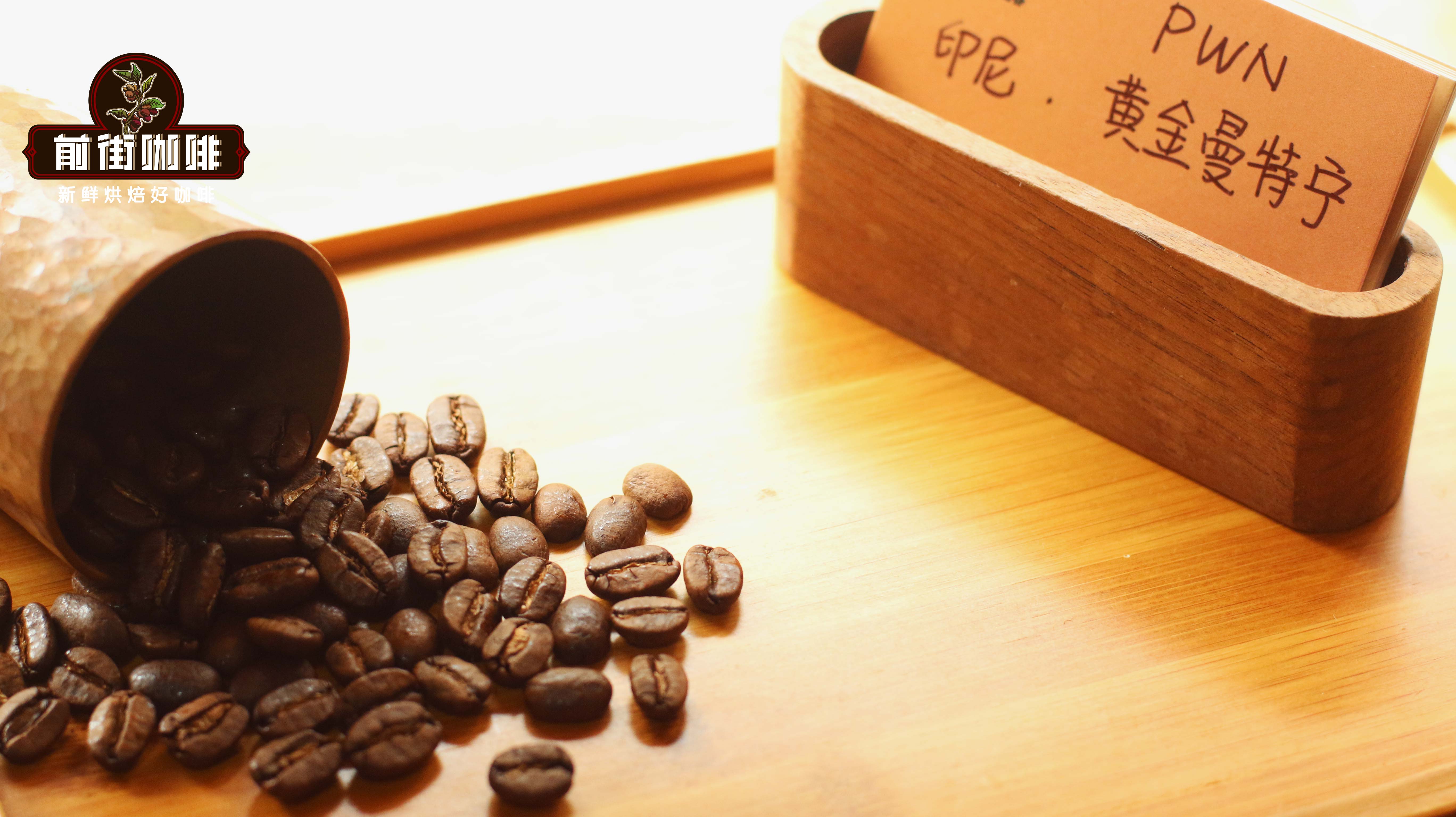
An Analysis of Sumatran Mandheling Pour-Over Techniques: The Source of the Unique, Rich Flavor of Dark-Roasted Golden Mandheling
Mandheling coffee is the iconic representative of Indonesian coffee, beloved for its full-bodied mouthfeel and unique herbal, woody agarwood notes. This article starts with Mandheling's origin background and the history of the wet-hulling process, analyzes the transformation of its flavor from high-acid green beans to full-bodied dark roast, and shares Front Street Coffee's Golden Mandheling pour-over recipe, including the reasons for choosing the KONO dripper, 88°C water temperature, 15 grams of coffee grounds, and a 1:15 coffee-to-water ratio and other specific parameters. Whether you are a beginner just getting to know Mandheling or an enthusiast looking to refine your brewing technique, you will find practical reference here. [more…]
What is the difference in flavor between Blue Mountain No. 1 and Golden Mandheling? Is it true that dark-roasted coffee only tastes bitter?
In today's world where light roasts dominate the specialty coffee scene, dark-roasted coffee still retains a loyal following. This article explores the unique charm of dark-roasted coffee from three dimensions: aroma, mouthfeel, and sweetness. Using Jamaica Blue Mountain No. 1 and Indonesian Golden Mandheling as examples, it illustrates the differences in aroma that beans from different origins and varieties exhibit under dark roasting; and from the perspectives of expansion rate, moisture loss rate, and bitter compounds, it explains why dark-roasted coffee is richer and fuller-bodied. It also explores the taste layers of dark-roasted coffee where bitterness carries sweetness, as well as the lingering sweet aftertaste—a characteristic that light roasts find hard to replicate—taking you to rediscover the rich character of dark-roasted coffee. [more…]
Deep-Roasted Kenya Meets Mandheling: Flavor Direction and Brewing Test After Blending by Ratio
Kenyan coffee has always been famous for its bright berry-like acidity, yet many early books recorded it as a dark roast, which is completely at odds with today's mainstream understanding. For this session, Front Street Coffee selected two high-altitude washed beans, Kenya Small Tomato and Karogoto, roasting both uniformly to the start of second crack, then conducting cupping, pour-over, and French press evaluations separately, and also attempting to blend them 1:1 with dark-roasted Mandheling into espresso. What kind of flavor transformation can a dark roast actually bring? Does it preserve a rich caramel character, or does it wipe out the original floral and fruity aromas? Using measured data and brewing parameters, this article takes you through a fresh look at the pros and cons of dark-roasted Kenya, as well as its unique value in blends. [more…]
How Does Coffee Roast Level Affect Flavor? Medium vs. Dark Roast Differences Explained and Five Dark Roast Beans Recommended
The flavor profile of coffee is largely determined by the roast level. From light to dark roast, as the beans spend more time in the roaster, acidity gradually diminishes while bitterness and body steadily increase. Understanding the flavor characteristics of light, medium, and dark roasts can help coffee lovers more efficiently identify beans that suit their taste. This article will systematically break down the core flavor differences between medium and dark roast coffee, explain which roast level corresponds to coffee with lower acidity, and compile a list of five currently popular dark roast coffee beans, including several representative products from Front Street Coffee, for drinkers with different preferences to reference. [more…]
A Complete Guide to Grind Settings for Dark Roast Espresso Beans: Dialing In and Five Classic Bean Recommendations
Deep-roasted coffee beans, with their rich, full-bodied character and long-lasting sweet finish, have become the top choice for many who dislike acidity. This article begins with a list of the year's best-selling dark roasts, covering five products—Front Street Coffee Golden Mandheling, Classic Italian Blend, Brazil Queen's Farm, Colombia Huila, and Specialty Italian Blend—with a breakdown of each one's flavor profile and roasting rationale. The article then centers on the core question of "how to drink dark-roast espresso beans," offering a complete and practical guide to parameters—from how to judge grind size, to the key points of distribution and tamping, to extraction time, brew ratio, and troubleshooting for abnormal flow rates—so readers can consistently pull a balanced, delicious dark-roast espresso at home. [more…]
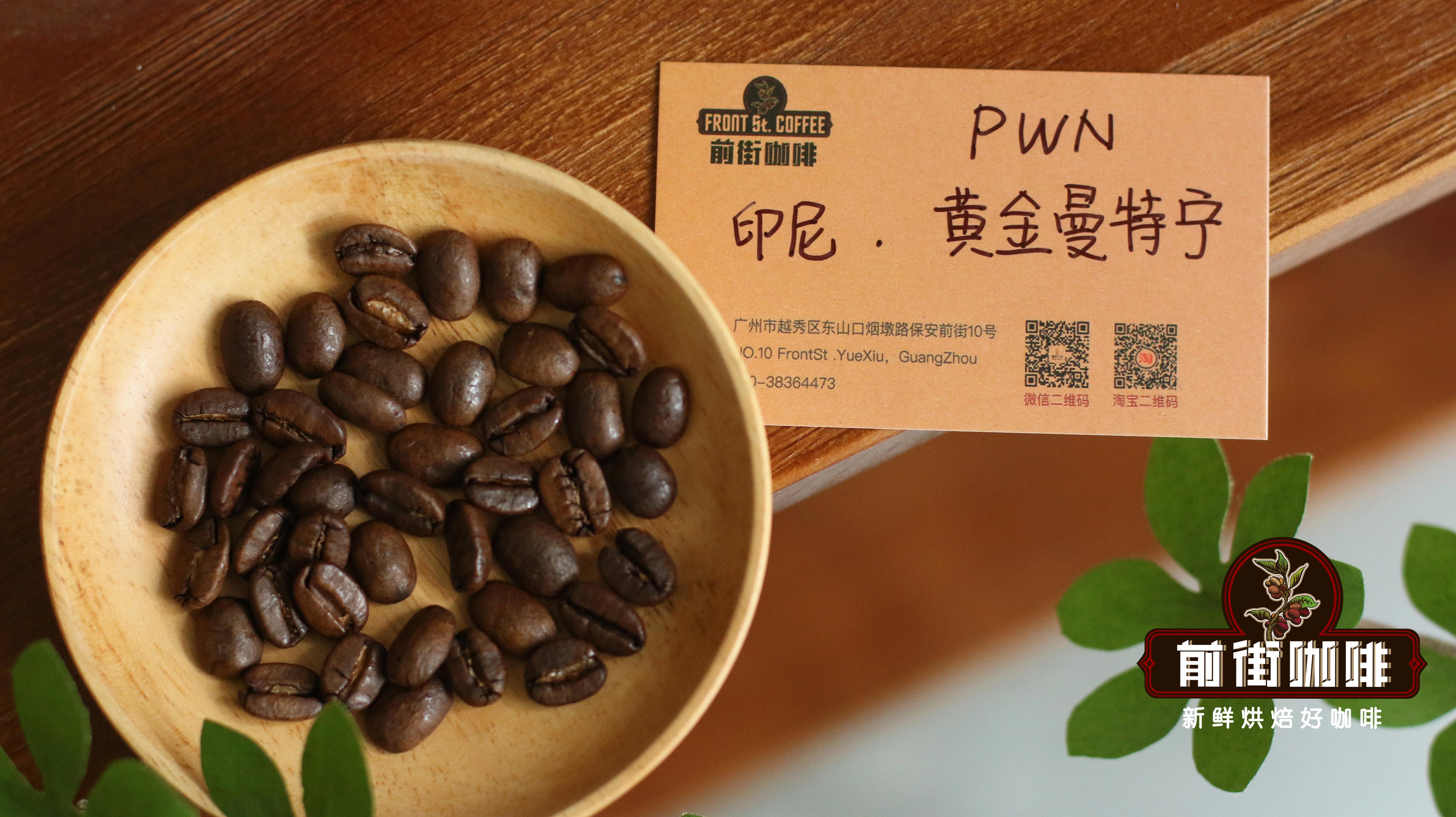
Why is Golden Mandheling roasted to a medium-dark level? An in-depth look at the premium flavor of PWN Golden Mandheling and key pour-over points
Golden Mandheling is the finest representative of Indonesian Mandheling coffee, and the PWN Golden Mandheling sold by Front Street Coffee is a flagship authentic product. This article will focus on the three major flavor-determining factors—origin, variety, and processing method—to provide a detailed interpretation of the definition of Golden Mandheling, PWN's quality control standards, and the unique herbal and woody notes imparted by the wet-hulling process. At the same time, we will also explore why Mandheling is generally dark-roasted, and how this roast level shapes its classic flavor of full body, low acidity, and spicy and caramel sweetness. Whether you want to understand the truth about Golden Mandheling's grading or want to master the key points of its pour-over and espresso extraction, this article can give you clear answers. [more…]
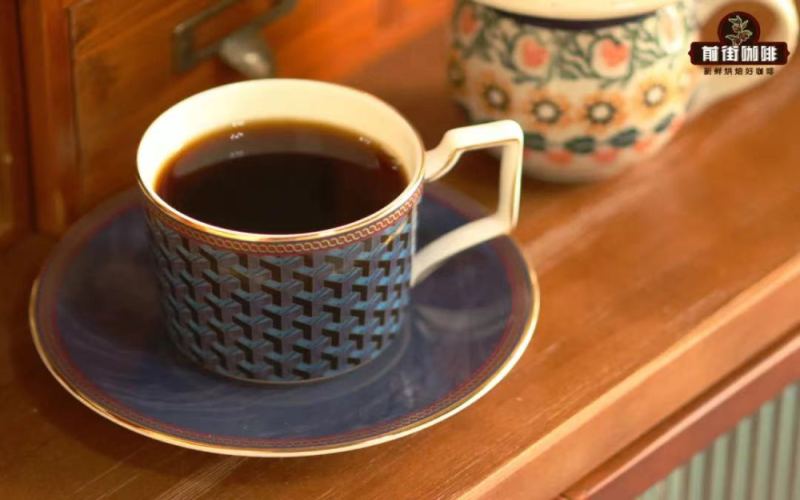
Indonesian Coffee Bean Grades | What are the flavor and mouthfeel characteristics of Sumatra Golden Mandheling G1 coffee? What kind of people are suitable for drinking hand-brewed dark-roast Mandheling black coffee?
Front Street Mandheling coffee, as one of the representatives of dark-roasted coffee, is something some people love for a lifetime because of its rich, mellow body, while others keep saying no to it because they find it too bitter. To make Front Street Mandheling coffee taste good, one factor is that the coffee beans themselves are of high quality, and the other is whether the roaster has mastered [more…]
Why Golden Mandheling Favors Medium-Dark Roast: A Full Analysis of Authentic PWN and Pour-Over Extraction Details
Golden Mandheling is a premium representative within Indonesia's Mandheling system, and the reasons it is best suited to medium-dark roasting are closely tied to the terroir of its producing region, the wet-hulling process, and historical drinking habits. Starting from Front Street Coffee's best-selling PWN Golden Mandheling, this article first clarifies the key fact that it is not a grade but a registered trademark of the Pwani company, then explains the geographical conditions of Sumatra's two major producing regions, Toba and Aceh, before breaking down how the wet-hulling process brings about herbal, woody, and medicinal notes. On the roasting level, the article explains why Mandheling has traditionally been dark-roasted, and how Front Street uses dark roasting to highlight its full-bodied, caramel, and spicy character while reducing acidity, allowing this bean to display different charms in pour-over, SOE espresso, or moka pot. [more…]
How Does Roast Level Shape Coffee Flavor? The Difference Between Light and Dark Roasts and Five Popular Dark Roast Bean Recommendations
The roast level of coffee is one of the key factors determining its flavor profile. From light to medium to dark roast, as roasting time increases, coffee beans present distinctly different aromas and tastes. Light roasts often feature bright fruity acidity and floral notes, medium roasts balance sweetness and acidity with nutty and chocolatey tones, while dark roasts are known for their rich bitterness and lingering sweet aftertaste. Understanding these differences can help you more precisely find the coffee that suits your taste. This article will systematically outline the flavor characteristics of the three roast levels and review five of the year's most popular dark-roasted coffee beans, including Front Street Coffee PWN Golden Mandheling, Classic Espresso Blend, Queen's Estate, Colombia Huila, and Specialty Espresso Blend, for coffee lovers' reference when purchasing. [more…]
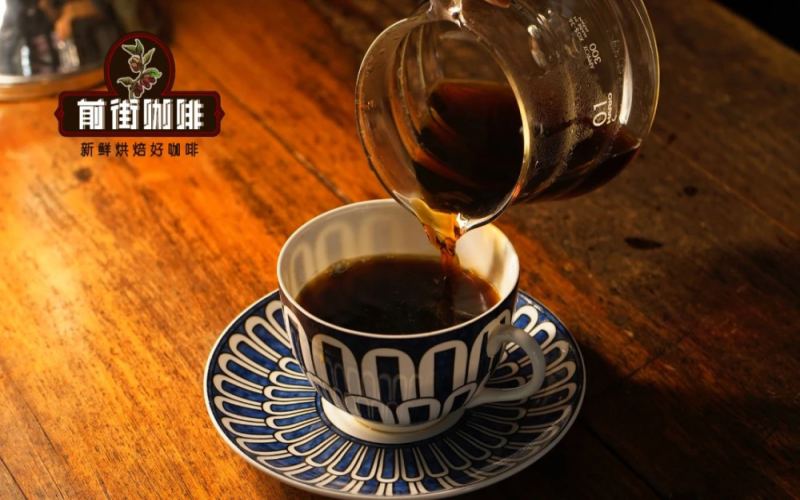
How Much Caffeine Is in Dark Roast Coffee Beans? A Selection of Dark Roast Black Coffees Worth Trying
The acidity and bitterness of coffee are closely related to the roast level, but is it true that dark-roasted beans contain more caffeine? This is a topic often discussed among coffee enthusiasts. In this article, Front Street Coffee first systematically outlines the eight roast stages from light to extremely dark and their flavor characteristics, then, combining specific origins with actual cupping experience, recommends three representative dark-roasted coffee beans—Golden Mandheling, Colombia Huila, and Brazil Queen Estate. Whether you prefer a rich, bitter profile or want to understand the logic of selecting dark-roasted beans, this content will help you build a clear cognitive framework and find the one that suits your taste. [more…]