







How does Mandheling coffee behave as an espresso or Americano?
Mandheling coffee comes from Arabica grown around Lake Toba in North Sumatra and the Gayo Mountains in Aceh, at 1,200 to 1,500 meters, and it is almost always roasted medium-dark to dark. That roast level tames the acidity and builds the heavy, bittersweet body with spice, cedar and herbal notes that the name is known for, so the beans hold up well in espresso and Americano.
Dark-roasted Mandheling produces an SOE americano with thick crema and a solid, sweet base when the dose, grind and extraction time are dialed in. Expect a caramelized aroma and low acidity. Pour-over, drip bags, French press, siphon and moka pots all work with these beans, so the same roast can serve several brewing methods.
Mandheling coffee has always been renowned for its rich, full-bodied character, but its roasting profile has a decisive influence on the direction of its flavor. This article starts from the two core producing regions of Indonesia—Lake Toba in Sumatra and the Gayo Mountains in Aceh—to analyze why traditional Mandheling favors medium-dark to dark roasting, and further explores how dark-roasted Mandheling performs in espresso and Americano. The article will demonstrate how to use Front Street Indonesian Mandheling coffee beans, through precise control of the coffee-to-water ratio, grind size, and extraction time, to craft a cup of Mandheling SOE Americano with abundant crema and a solid flavor.
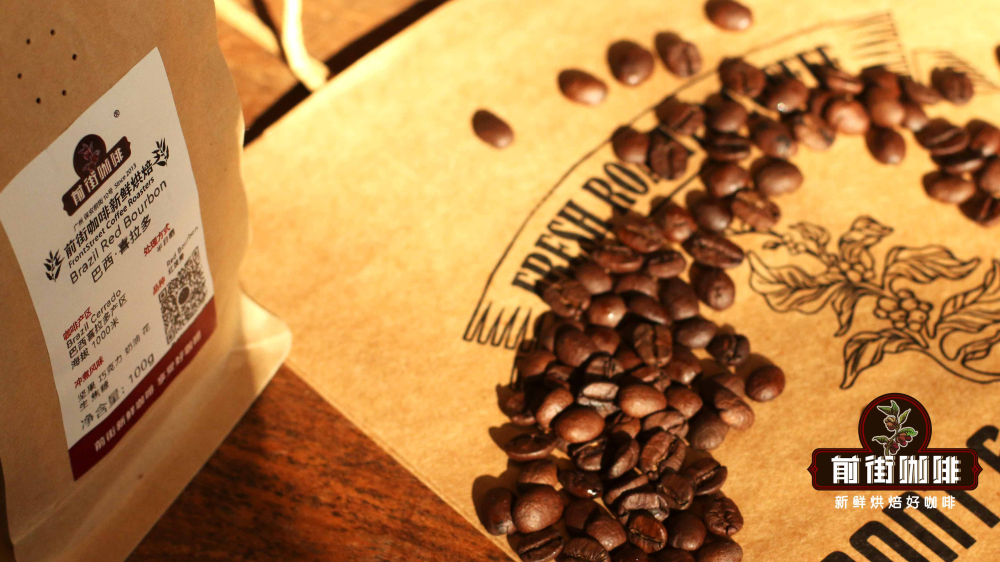
Those who have tasted Front Street Mandheling may have noticed that its beans are relatively large, dark in color, with an intense caramelized aroma rushing to the nose, and a sweet, heavy body on the palate. These characteristics are ultimately determined by the coffee's terroir and roasting level.
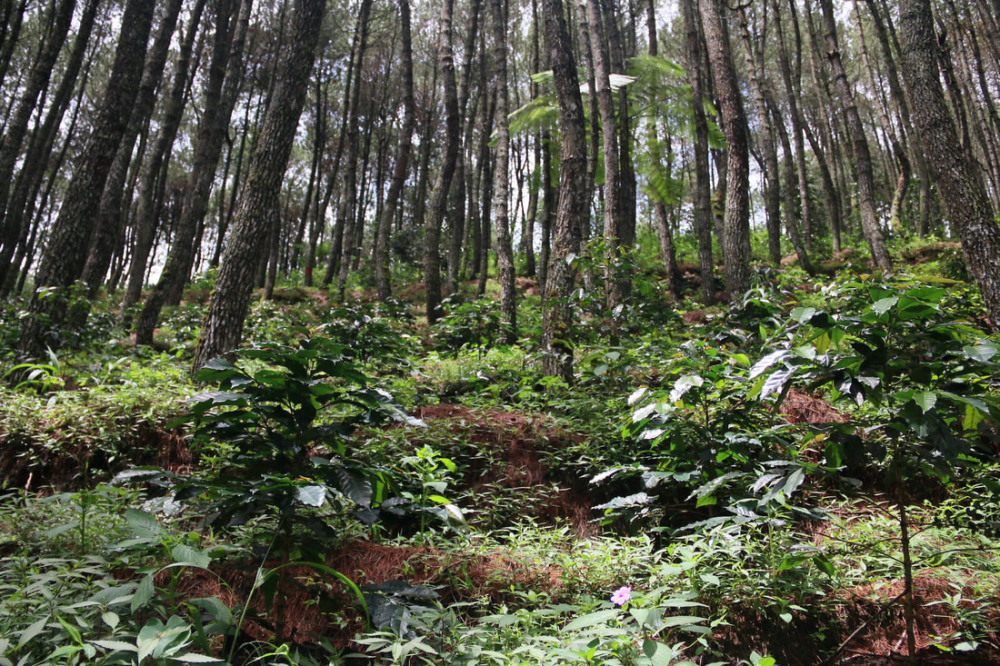
In strict definition, only Arabica coffee produced around Lake Toba in Sumatra, Indonesia, qualifies to bear the name "Mandheling." Sumatra's finest coffees are concentrated in two areas: one is the Lintong region, located near Lake Toba in North Sumatra; the other is around the Gayo Mountains in Aceh Province at the northernmost tip of Sumatra. The growing altitude in these regions generally ranges from 1,200 to 1,500 meters, with coffee trees cultivated by smallholders under shade. After wet-hulling processing, they present a unique jungle character and a strong, full-bodied texture—this is precisely the signature flavor of Mandheling.
Traditional-style Mandheling almost always uses medium-dark to dark roast. The reason is that light or medium roasting retains more acidity and lacks body, making it difficult to showcase the charm of classic Mandheling.
In contrast, medium-dark roasted beans are heated longer, the bean surface fully expands, and the color is even with a luster. Acidic substances gradually diminish, the sweet aftertaste reaches its optimal state, while releasing Mandheling's distinctive spice, cedar, and herbal notes. The taste is rich and bittersweet, with excellent aroma and finish. Front Street Mandheling is extremely flexible in brewing method—pour-over, drip bags, French press, and siphon are all suitable, and a moka pot or home espresso machine can handle it as well.
Many people wonder: how can you make an Americano with richer crema?
The first requirement is to have a bag of freshly roasted Front Street Mandheling coffee beans. Days 4 to 45 after roasting are the period when the aroma is at its fullest. Only during this window can the coffee release more soluble substances and oils, making the Americano or latte smooth and delicious. All Front Street coffee beans are roasted within 5 days and shipped within 24 hours, ensuring they are still in the optimal flavor window when you receive them.
Coffee beans: Front Street Indonesian Mandheling coffee
Coffee dose: 20g
Coffee liquid yield: 40g
Dose-to-yield ratio: 1:2
Extraction time: 26–33 seconds
Grind setting: Galileo 2.0
When making espresso with Front Street Mandheling, use a double basket with a dose between 18 and 20 grams, maintaining a coffee-to-liquid ratio of 1:2. That is, 20 grams of coffee corresponds to extracting 40 grams of liquid, and 18 grams corresponds to 36 grams of liquid.
In practice, Front Street first wipes the basket dry, starts the grinder to grind a double dose of coffee, and places it on an electronic scale to adjust to 20 grams. Then use a distribution tool to level the coffee bed evenly, and tamp it firm to ensure a stable extraction. Next, open the extraction switch to release water, rinsing the group head while flushing away residual coffee grounds. Lock the portafilter steadily onto the group head and flip down the extraction switch. When the electronic scale shows the coffee liquid has reached 40 grams, taking about 28 to 33 seconds, flip the switch down to stop extraction.
Once you have a cup of Mandheling SOE espresso, you can add water to taste. A recommended ratio is 1:5—add 200 grams of 80°C hot water to 40 grams of coffee liquid, and a cup of Mandheling SOE Americano is complete.
The above content is compiled by CoffeeHunters, a coffee news website.


