







Is Convenience Store Geisha Coffee Worth the Price?
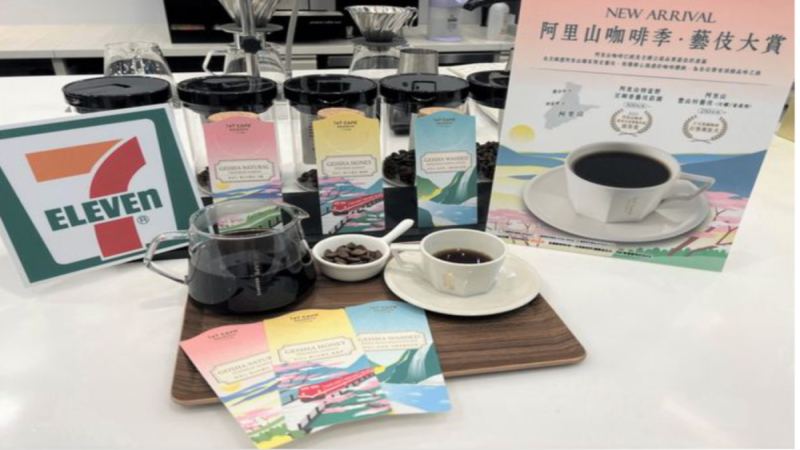
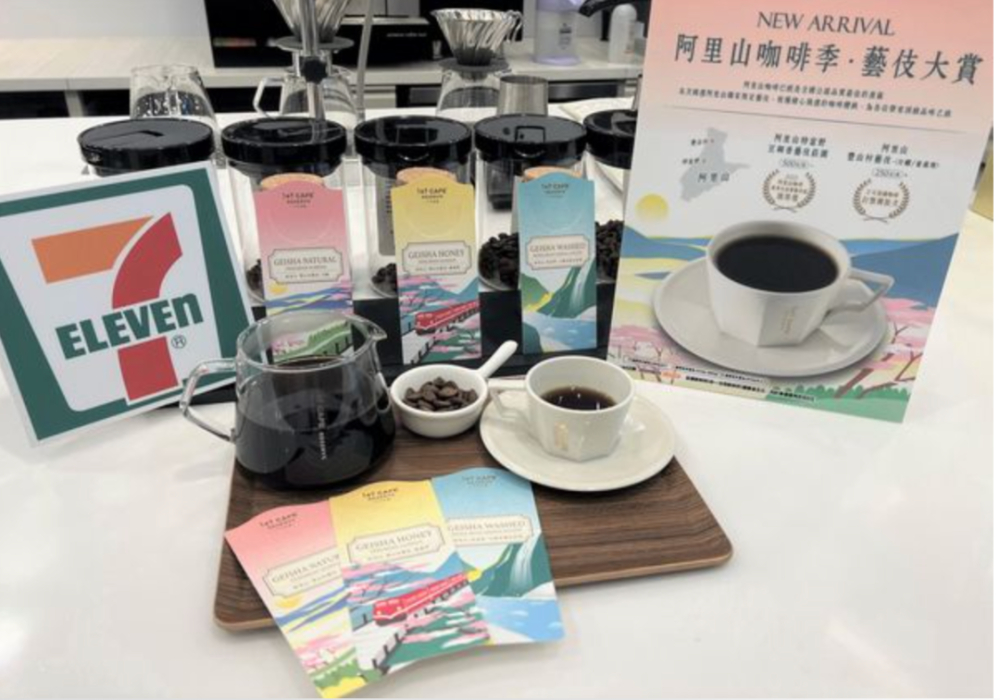
7-ELEVEN in Taiwan, run by Uni-President Group, announced on the 22nd that it will sell three limited-time Alishan geisha coffees at 18 stores with specialty coffee sections. Prices run from NT$250 to NT$500, roughly 57 to 114 yuan. The beans come from Alishan's Fengshan Village and the Douyuxiang estate, which won first prize in this year's Alishan geisha competition.
The chain entered freshly ground coffee in 2004 and has set aside specialty coffee sections since 2018, keeping prices low compared with independent shops. Reaction online split: some called the geisha coffee too expensive for a convenience store, while others said lower prices make the variety approachable to more specialty coffee drinkers. The move tests how far convenience store coffee pricing can stretch.
Convenience stores selling Geisha—doesn't that sound a bit surprising? 7-ELEVEN in Taiwan, operated by the Uni-President Group, recently announced that it would offer three limited-time Geisha coffees from Alishan at 18 stores with specialty coffee sections, priced at NT$250 to NT$500, or about 57 to 114 yuan. Once the news broke, discussion among netizens quickly heated up: some complained it was expensive and that convenience store coffee should stay affordable; others applauded, feeling it could make Geisha seem more approachable. These beans come from Alishan's Fengshan Village and the Douyuxiang Geisha Estate, the latter of which just won first prize in the Geisha category at this year's Alishan Coffee Estate Elite Exchange Competition. Is 7-ELEVEN's move a bid to elevate its brand image, or a test of the convenience store coffee pricing system? This article walks you through the whole story and discusses the price and value of Geisha coffee.
According to media reports from China's Taiwan region, 7-ELEVEN under Uni-President Group announced on the 22nd that it would launch three limited-time Geisha coffees, priced between NT$250 and NT$500, or roughly 57 to 114 yuan. However, these coffees will be sold only at 18 stores with specialty coffee sections, and in limited quantities.
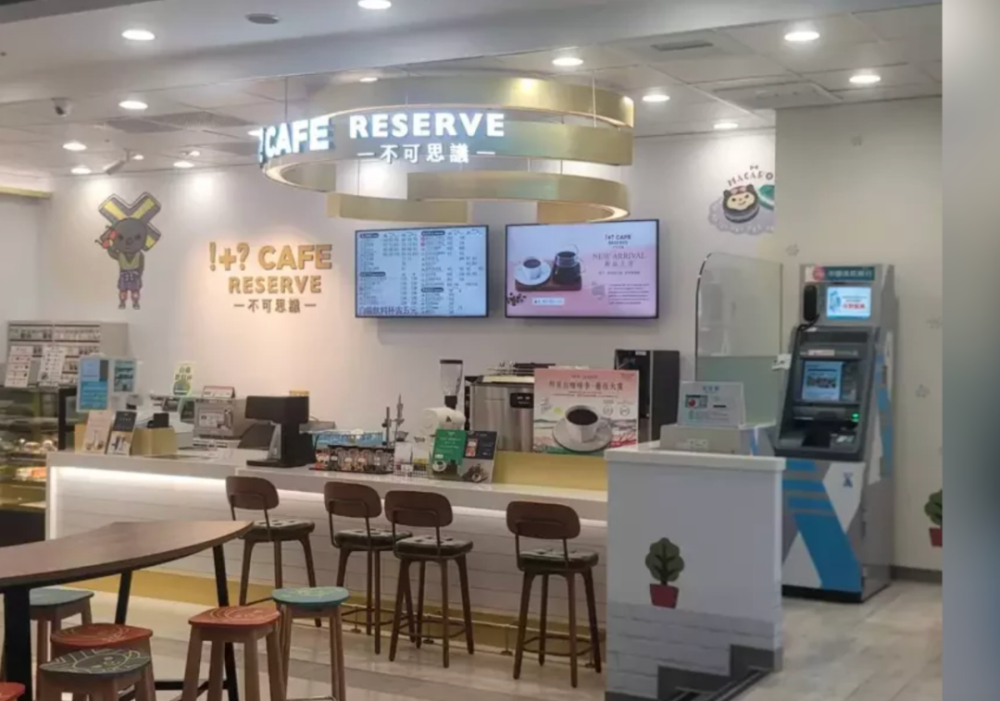
7-ELEVEN in Taiwan entered the freshly ground coffee business as early as 2004. In recent years, as consumers have paid more attention to coffee's origin, variety and flavor, the convenience store chain has gradually set aside specialty coffee sections in some stores since 2018.
Unlike many independent specialty coffee shops, 7-ELEVEN's specialty coffee adopts a hybrid business model, with a fairly clear price advantage and a market position similar to Luckin, focused on letting consumers drink specialty coffee at affordable prices.
However, precisely because its coffee had long been priced affordably, the debut of these three Geisha coffees immediately sparked discussion online.
Some netizens called it too expensive: the point of buying coffee at a convenience store is that it's cheap, and this price is really not low—if you're going to spend that much, why not just go to an independent coffee shop? Others took a positive view: only by making Geisha look less prohibitively expensive can more people be drawn to try better specialty coffee. Still others felt that tastes vary, and no matter the price, as long as buyers consider it good value, there will naturally be people who appreciate it.
Some netizens even joked, "Uni-President can make convenience store coffee surpass Starbucks!" (Starbucks in Taiwan is also managed by Uni-President Group; the most expensive drink at local Starbucks currently sells for NT$400, about 91 yuan.)
This time, 7-ELEVEN selected Geisha grown in Alishan, from Fengshan Village in Alishan (natural and honey processed) and the Alishan Douyuxiang Geisha Estate. Among them, the Douyuxiang Geisha Estate won first prize in the Geisha category at this year's "Alishan Coffee Estate Elite Exchange Competition," which became famous for auctioning Geisha beans at sky-high prices.
In this year's "Alishan Coffee Estate Elite Exchange Competition," a 5-kilogram lot of natural coffee beans from Zouzhuyuan fetched a sky-high NT$520,000 (about 118,000 yuan), making Geisha coffee a hot topic once again and drawing more attention from ordinary consumers. 7-ELEVEN is seizing on this wave of discussion to try to change people's fixed impressions of convenience store coffee.
Looking back at the pricing of these three coffees, it is actually not particularly outrageous. Given the difficulty of cultivating the variety and its yields, such a price offers fairly strong value for money. It's just that different consumers often have their own corresponding perceptions of value and price for different brand images.
The same coffee beans at the same price would look like a real bargain in an independent coffee shop or a well-known coffee shop; but in a convenience store channel, they instead seem overpriced.
An influential convenience store brand selling Geisha may look "mismatched" on the surface, but it is not "undeserving." 7-ELEVEN's entry may also, by virtue of its own advantages, shape part of the industry's pricing to a certain extent.
Today, the price of Geisha coffee is simply too high. In the more than ten years since Geisha rose to fame, its auction prices have climbed from just over US$20 per pound to more than US$2,500 per pound today. As its fame has grown, Geisha has also left ordinary consumers with a sense of being "out of reach."
However, this high price level is to a large extent driven by hype. It is undeniable that Geisha coffee beans really do taste much better than common specialty coffee beans on the market, but that does not mean all Geisha is top quality, nor that Geisha grown in every region is automatically deserving of a high price.
Taiwan's Geisha output is not large, and its price is also relatively high compared with other local coffees, but this is exactly a good opportunity to "tell a story" to consumers.
Coffee, as an agricultural product, is closely tied to nature. Today, many coffee consumers not only care about traceability information for coffee beans, but also hope the products they buy can help coffee-growing regions achieve sustainable development and make coffee bean quality better and better.
7-ELEVEN also understands that sustainability is one of the most important factors in specialty coffee marketing, so it chose locally grown Geisha coffee beans to tell more consumers the story of local cultivation and coffee farmers at an accessible price.
This not only gives consumers a sense of participation within a reasonable spending range and a chance to improve their life experience; the brand can also use it to change public recognition of itself and thereby win more room for development.
Image source: Internet
For professional coffee knowledge exchange and more coffee bean information, please follow Coffee Workshop (WeChat public account: cafe_style)
For more specialty coffee beans, please add the private WeChat of Front Street Coffee (FrontStreet Coffee), WeChat ID: qjcoffeex
The above content is compiled by CoffeeHunters, a coffee news website.


