








How to Drink Dirty Coffee Without Breaking the Layers
Dirty coffee is an iced milk base topped with a hot espresso shot poured close to the surface. Drink it straight from the glass without stirring: the first sips bring the espresso, then the cold sweet milk follows. The contrast in temperature and taste between the two layers is the point of the drink, not a mistake.
Bean choice drives that contrast. A medium-dark roasted espresso bean gives strong, bitter notes that sit opposite the sweetness of the milk. Keep the dirty coffee milk ratio generous and chill the milk well, then shorten the pour distance so the shot rests on top instead of mixing in.
Dirty Coffee, with its striking layers of espresso and iced milk, creates a strong contrast both visually and in taste, making it a popular item in cafés. Some love the soothing scene as it sinks, while others are curious about its "dirty" feel. This article starts with espresso bean selection, milk characteristics, and temperature and density differences to break down the key points for making a proper Dirty, and explains how to shorten the extraction distance and avoid disrupting the layers, so that bitterness and sweetness, heat and ice form a clear contrast in the cup.
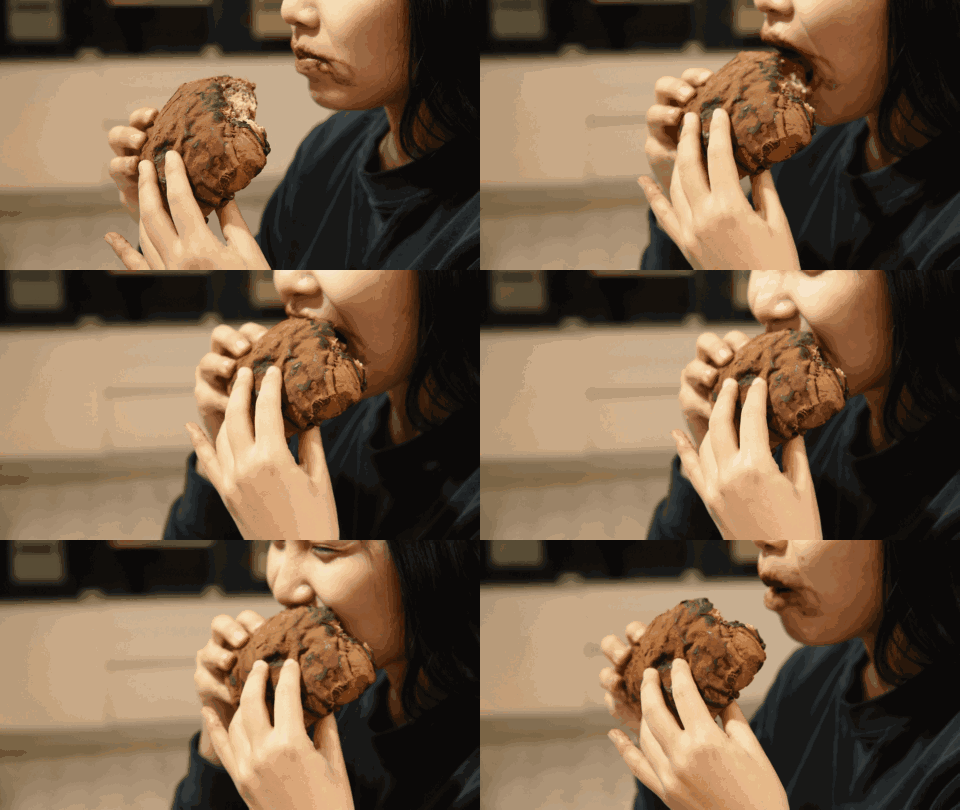
Dirty buns once swept the country and became a phenomenal internet-famous pastry, and many people fell for that bizarre way of eating where "if it's not messy, it's not internet-famous."
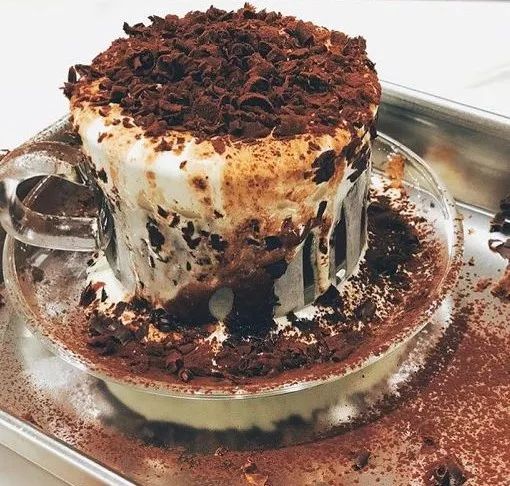
After dirty buns, dirty coffee also became popular. Dirty coffee, as the name suggests, is dirty coffee, and like dirty buns, it sounds so dirty that people want to complain about it. But in coffee shops, real dirty coffee is actually very visually appealing, especially the moment it is just made, watching the espresso slowly sink down is very soothing. Today Front Street Coffee will teach everyone how to make it.
Contrast is the soul of Dirty coffee. It is not only reflected in its appearance; the temperature and taste of the milk and coffee must also have a clear contrast. So to make a proper Dirty, not only must the milk and coffee be layered, but the two must also be separated by a huge gap in temperature and taste. Next, Front Street Coffee will share how to make a delicious cup of Dirty coffee.
Dirty coffee's requirements for espresso
It can be said that Dirty's contrast is mainly brought in by the espresso. Because when we drink Dirty, the first thing we come into contact with is inevitably the espresso, and only then the milk, so the taste of the espresso is very important.
The important factor determining the taste of espresso is the coffee beans used. The lighter the roast, the more acidic the coffee tastes; the darker the roast, the more bitter the taste. The main taste of milk is one word: sweet. So the beans we choose should mainly have a flavor that falls on the opposite side: strong and bitter.
Baristas usually recommend using medium-dark roasted espresso beans, so that the extracted espresso will not have an obvious acidity, nor will it be too intensely bitter. Just the right amount of bitterness is enough to form a strong contrast with the milk, while not making you frown when tasting the espresso because it is too bitter.
If you like nutty flavors, you can buy Front Street Coffee Signature Blend, where you can taste the aroma of almonds and caramel; if you like chocolate aromas, you can choose Front Street Coffee Black Cocoa, an espresso moka pot coffee bean recommended by many baristas — Front Street Coffee Black Cocoa Blend. It has a balanced mouthfeel and also carries more characteristics of cream and cocoa cookies.
Dirty coffee's requirements for milk
Milk is the only other ingredient in Dirty, so the choice of milk is also very important. In order to form a sharp contrast with the coffee, the milk needs to head toward the other "extreme."
If the espresso is bitter, then the milk must be sweet. The amount of substances in milk determines its richness. When the content of protein, fat, lactose, and other substances is higher, the taste of the milk becomes fresher and sweeter, and its density is also higher, which better maintains the layering effect with the espresso. So when choosing milk, the richer the milk, the more it can make a Dirty coffee with contrast; in other words, the presentation of the Dirty will be better.
Of course, going too extreme is not recommended. When there is too much substance in the milk, a salty taste similar to cheese appears. When combined with a rich espresso, the flavor becomes too heavy and drinking it carries a certain burden.
Next is temperature. The temperature difference is a very important source of Dirty coffee's sense of contrast. This is actually easy to solve: if the espresso is hot, then the milk should be iced. Milk kept in the refrigerator perfectly meets this need, so we do not need to put too much thought into this aspect. But maintaining the milk's temperature does require attention.
Besides the density difference, temperature is also an important factor determining how long the layers last. If we do not want the Dirty to lose its layered effect too early, then the choice of cup is crucial.
When the cup is at room temperature, the milk, being at a lower temperature, will continuously draw heat from the cup until its own temperature is similar to that of the cup. In other words, a room-temperature cup will accelerate the milk warming up, so before making a Dirty, we had better chill the cup first, so that the Dirty can maintain its contrasting presentation for a longer time.
Notes during preparation
Once we have prepared the ingredients, we can begin combining them. Although it is called combining, it is actually just extracting the espresso on top of the milk, but this also requires a lot of skill.
If the impact force of the espresso as it is extracted is too high, the coffee liquid will shoot directly into the milk and mix with it, turning into an iced latte. Therefore, to prevent this from happening, we need to shorten the distance between the espresso and the surface of the milk to reduce the impact force, so that a clear layered effect can be formed.
Bringing the milk surface right up to the espresso spout, or using a spoon pressed against the milk surface to eliminate the impact force of the espresso, are all feasible methods. As for exactly how to use them, it depends on your own choice.
The above content is compiled by CoffeeHunters, a coffee news website.


