







What Is Street Coffee's White Toast Dirty Drink?
White Toast Dirty is a street coffee drink that infuses milk with toasted bread before pouring it over espresso. The method is simple: soak raw toast in milk at a 1:5 ratio in the refrigerator for 4 hours, then filter the milk and pair it with a specialty blend espresso. The result is a milk base with bread aroma and a richer mouthfeel, served as a Dirty with a temperature contrast across three sips.
Safety matters here. Fresh bread spoils quickly, and soaking it in milk speeds that up, since milk nutrients feed bacteria and coffee bean mold. The drink is therefore not recommended for casual replication, especially for people with sensitive stomachs. The toast choice also affects flavor: a bread made with butter and light cream gives the milk more aroma than plain white bread.
Recently, a unique coffee concoction has been trending online—White Toast Dirty. It's not about adding toast to the coffee, but rather using milk that has been soaked with toast to make the Dirty, giving the milk both the aroma of bread and a richer mouthfeel. In this episode, Front Street Coffee replicates this drink, using raw toast soaked in a 1:5 ratio in the refrigerator for 4 hours, then filtered and paired with specialty blend espresso, documenting the complete process of temperature contrast and flavor integration across three sips. However, Front Street also specifically reminds everyone that fresh bread is prone to mold, and soaking it in milk for a long time will greatly accelerate spoilage, posing safety risks if not handled properly. Friends with sensitive stomachs are not advised to try it rashly.
Why would Front Street, a coffee processor, suddenly introduce toast? The reason is that recently, quite a few friends have asked Front Street to replicate a very "unique" coffee dish made with toast—White Toast Dirty.
But please don't misunderstand—making it with toast doesn't mean adding toast to the Dirty, but rather infusing the aroma of toast! The specific method is very simple: just replace the "milk" in the Dirty with "milk that has been soaked with toast." Although the method is very simple, it can bring a double upgrade to the milk in both aroma and mouthfeel. By soaking the toast, the milk takes on the bread aroma of the toast, and the mouthfeel becomes richer. Long ago in Western countries, people would soak toasted bread in inferior wine to improve the flavor. So today, Front Street is going to replicate and taste it. What exactly does this White Toast Dirty, which is very popular online recently, taste like?
But! Front Street does not recommend everyone to replicate it casually. Because if not handled properly, this preparation poses certain safety risks. We all know that fresh bread has a very short shelf life. If it isn't finished within a short time, it will grow mold and deteriorate. And if it's soaked in milk for a long time, the spoilage speed will be greatly accelerated! Because milk is rich in nutrients, it can be said to be the best breeding ground for bacteria and mold. So Front Street does not recommend everyone to replicate it casually, especially friends with sensitive stomachs.
How to make White Toast Dirty?
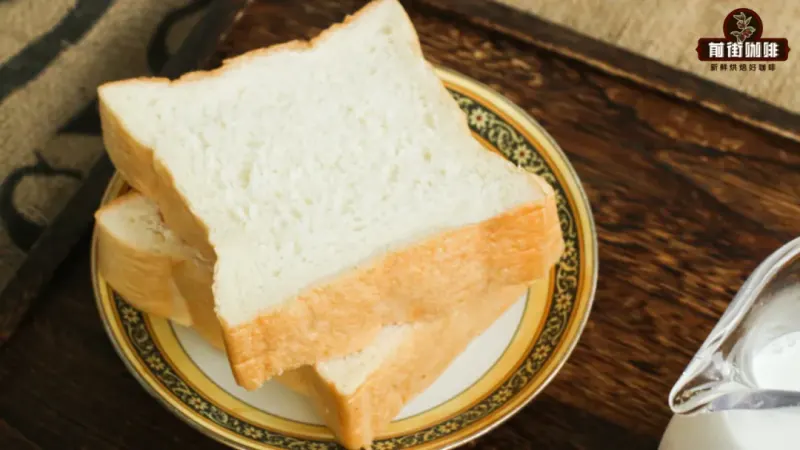
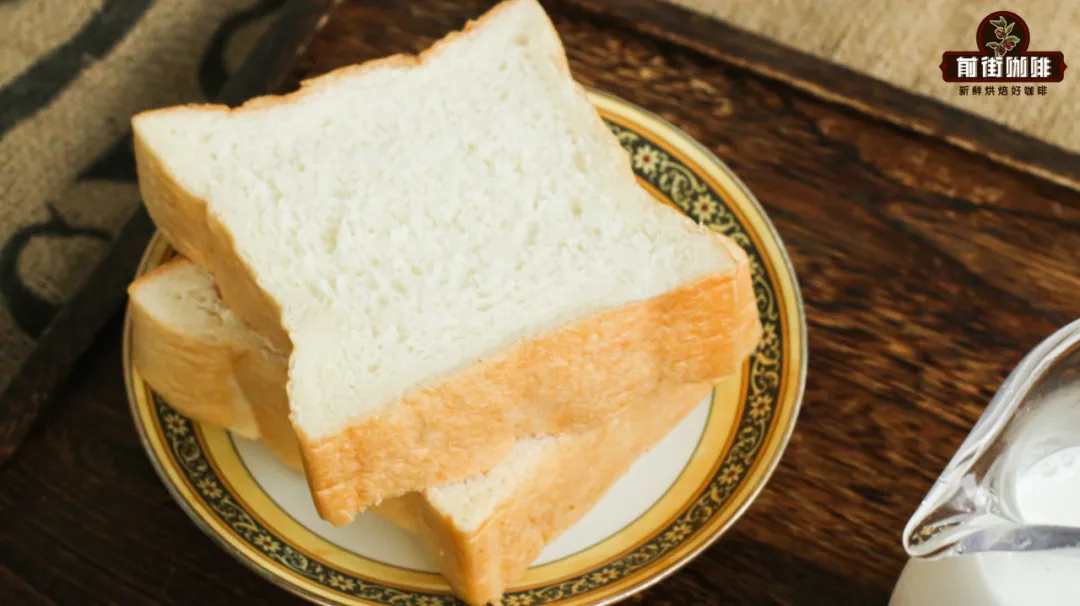
First, we need to choose a toast with a relatively strong aroma to provide flavor to the milk. Here, Front Street chose raw toast. Made with ingredients such as butter and light cream, it can give the milk more aroma and texture. For the soaking ratio, Front Street chose 1:5 (1 part bread, 5 parts milk). This ratio won't be too thick. Because the toast will absorb a certain amount of milk during soaking, the final milk obtained will be a little less than what was poured in, so we need to add a bit more milk to have enough to make a full cup of Dirty.
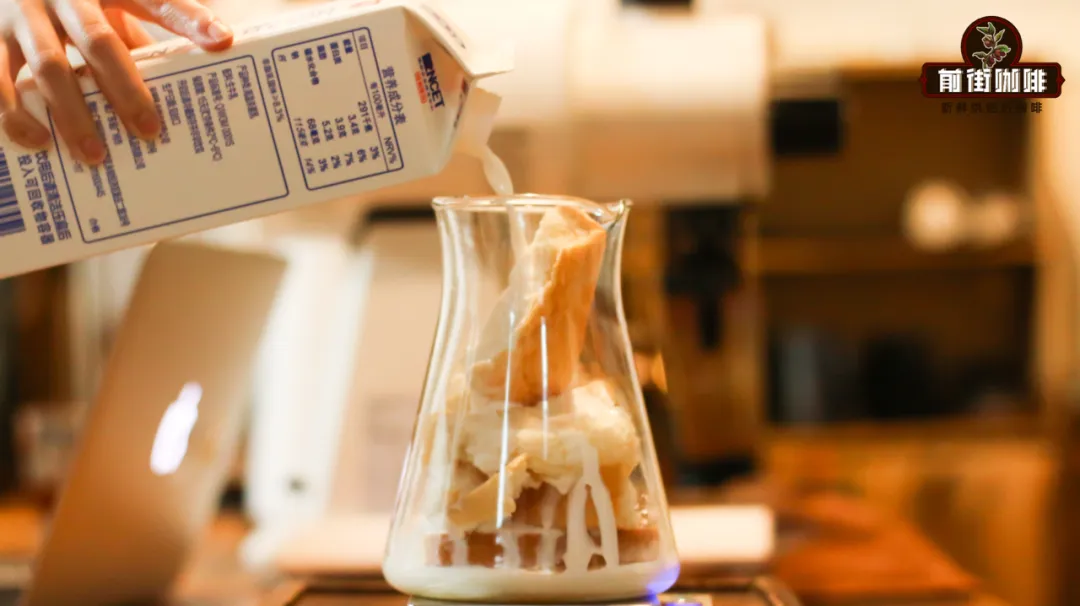
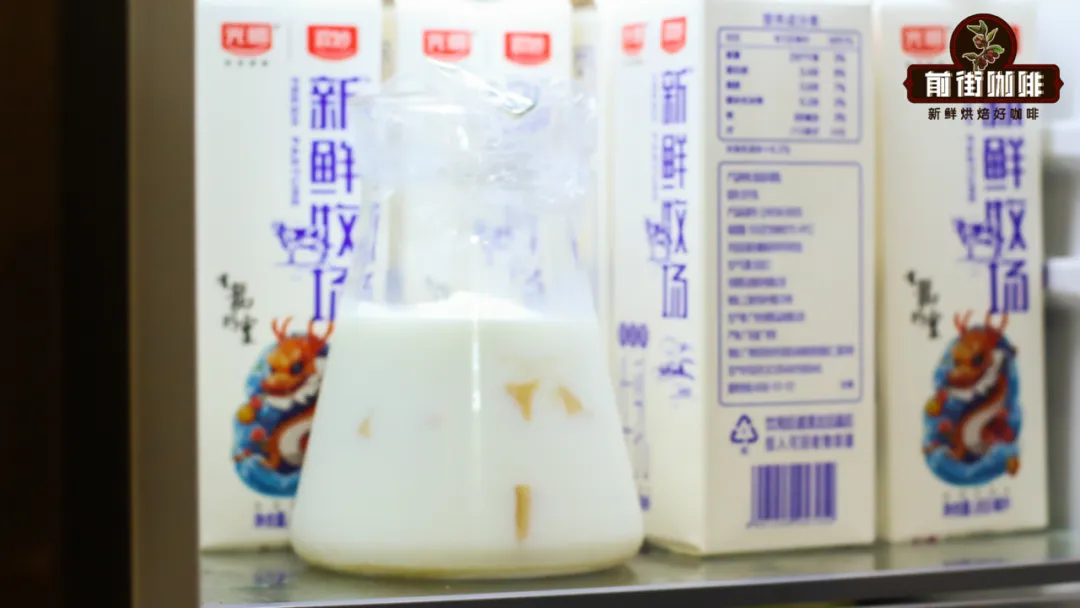
The specific steps are very simple. First, take out a sterilized sealed jar, then tear the toast into pieces and throw them in. Then pour in the milk, seal it, and put it in the refrigerator to soak for 4 hours.

After 4 hours, take it out, then use a strainer to filter out the bread crumbs. That's it—a portion of "toast milk" is ready!
Front Street took a quick taste. It really has a very obvious toasted bread aroma, and the overall mouthfeel is richer than regular milk, closer to the texture of purified milk. Then we take out a pre-chilled ice cup and start making the Dirty. Here, Front Street uses 160ml of milk, and 40ml of espresso.
The coffee beans used by Front Street this time are the Front Street specialty blend from the Front Street bean list, with flavor notes of nuts, chocolate, and butter cookies. The extraction parameters are: 20g of grounds extracted for 30 seconds to yield 40ml of coffee liquid. Once the milk is in place, simply place the cup under the espresso outlet.
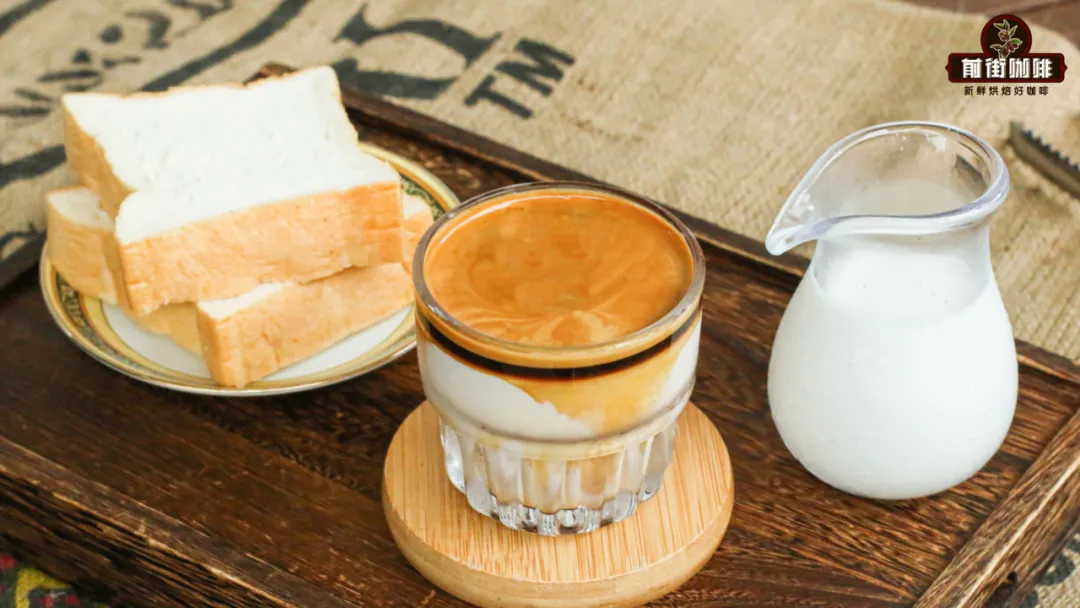
When the coffee liquid reaches the target volume, we can stop the extraction. A cup of White Toast Dirty with a clear black-and-white separation is now complete. After taking a quick photo, Front Street began tasting.
With one big sip, you can very clearly feel the warm espresso and the cold milk colliding in your mouth, with the contrast maxed out. Then comes the taste experience: the roasted aroma of the espresso and the wheat aroma of the toast milk each show themselves before beginning to blend, going from distinctly stimulating at first to mild and balanced after fusion. After swallowing, there's a finish reminiscent of butter chocolate bread—very nice. The second sip still has a clear contrast in temperature and flavor, but compared to the first sip, because the coffee and milk have blended a little more, the stimulation and contrast are slightly weaker, but it's still very good.
By the third sip, because there isn't much coffee liquid left, the milk flavor takes over. Compared to coffee, it tastes more like a glass of milk with wheat aroma and coffee flavor. But it's still very tasty. So that's all for this Front Street experience sharing of the White Toast Dirty. Overall, it's decent. But as Front Street said, since there are certain safety risks, we don't recommend everyone to replicate it casually, especially friends with less robust stomachs.
- END -
The above content is compiled by CoffeeHunters, a coffee news website.


