








What Sets a Dirty Coffee Apart From an Iced Latte?
A dirty coffee and an iced latte differ mainly in contrast. The dirty coffee puts a shot of espresso on top of cold milk so the first sip hits with heat, bitterness and layered structure, while an iced latte blends milk and coffee into one even, milder drink. Neither is superior; the styles simply deliver different experiences.
The home version often falls flat because the contrast is missing. Getting it right means choosing a medium-dark to dark roast so the espresso reads bitter against the milk's sweetness, using cold milk, and pouring the shot gently over the top to keep the layers separate. With those steps, the dirty latte vs iced latte gap becomes obvious in the glass.
Dirty coffee has attracted many latte lovers in recent years thanks to its striking layers and contrasting hot-cold sensation. However, many people find it hard to replicate the punch of a café version at home. This article will break down the core differences between Dirty and latte, reveal its soul—contrast—and share key tips for making a delicious Dirty coffee, including espresso bean selection, milk choice and temperature control, and layering techniques. It will also recommend Front Street Coffee's medium-dark roast beans to help you easily make a Dirty with strong contrast at home.

Compared with iced latte, the contrast that Dirty delivers hits you more directly. With the first sip, multiple contrasts burst in your mouth at once, creating a truly unique experience. That's why, since Dirty became popular, many latte lovers have switched their preference to it. However, Front Street Coffee isn't saying iced latte is inferior to Dirty—the two are simply different in style and each has its own strengths. Dirty isn't actually complicated to make: as its layered appearance suggests, you just need to let the espresso float on top of the milk.
Even so, many people feel that when they make Dirty at home, it doesn't have the intense punch they get in a café. The reason is actually simple—they didn't grasp the essence of Dirty when making it. What is Dirty's soul? Contrast is exactly where Dirty's soul lies. It isn't only reflected in appearance; the milk and coffee also need to form a sharp contrast in temperature and flavor. Therefore, to achieve a qualified cup of Dirty, you not only need to layer the milk and coffee, but also create a wide enough gap in temperature and flavor. Next, Front Street Coffee will explain how to make a delicious Dirty.
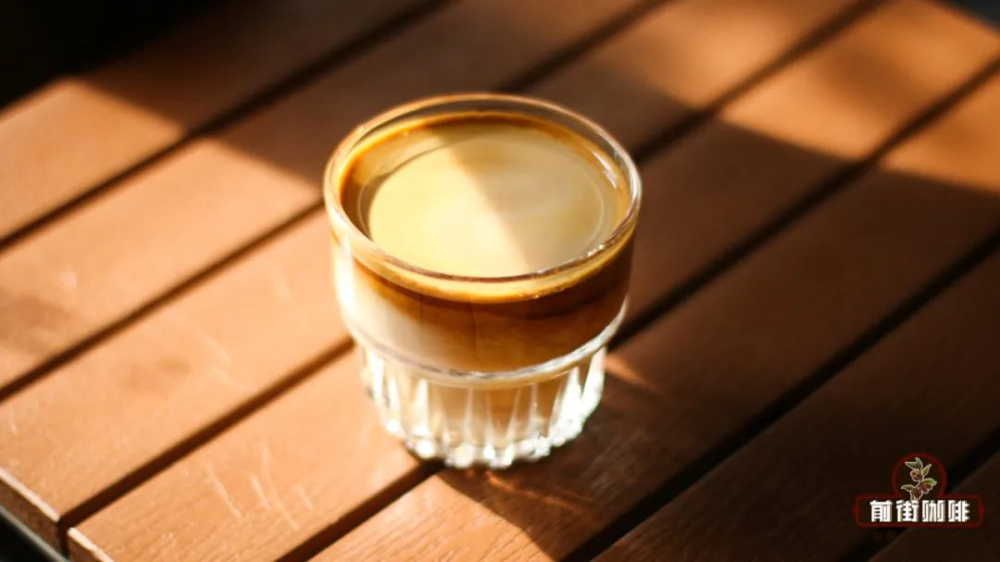
Dirty coffee's requirements for espresso It can be said that Dirty's sense of contrast is mainly led by the espresso. Because when drinking Dirty, the first thing we come into contact with is inevitably the espresso, and only after that the milk, so the flavor of the espresso is crucial.
The key to determining espresso flavor lies in the coffee beans used. The lighter the roast, the more prominent the coffee's acidity; the darker the roast, the heavier the bitterness. The main flavor of milk can be summed up in one word—"sweet"—so the core flavor of the beans we choose is best set in opposition to it, namely "bitter." Front Street Coffee relatively recommends using medium-dark roasted coffee beans, so that the extracted espresso will neither have obvious acidity nor be excessively bitter. Just the right amount of bitterness is enough to create a strong contrast with the milk, while not making you frown when tasting the espresso because the bitterness is too heavy. Dirty coffee's requirements for milk Milk is the only other ingredient in Dirty, so the choice of milk is equally critical. To form a sharp contrast with the coffee, the milk needs to go to the other "extreme."

The espresso is bitter, so the milk should be sweet. The level of solids in milk determines its richness. When the content of protein, fat, lactose, and other components is higher, the milk tastes fresher and sweeter, and its density is also higher, making it easier to maintain the layered effect with the espresso. Therefore, when choosing milk, the richer the milk, the stronger the contrast in the Dirty you make; in other words, the Dirty will perform better. Of course, going too extreme is not recommended. When the milk contains too many solids, it brings out a cheese-like salty flavor. When paired with a rich espresso, the overall taste becomes too heavy and somewhat burdensome to drink.
Next is temperature. Temperature difference is a very important source of contrast in Dirty coffee. The solution is also simple—the espresso is hot, so the milk should be ice-cold. Milk kept refrigerated exactly meets this need, so there's no need to worry too much about this aspect. But maintaining the milk's temperature does require attention. Besides density difference, temperature is also an important factor determining how long the layering lasts. If you don't want the Dirty to lose its layered effect too early, the choice of cup is very important.
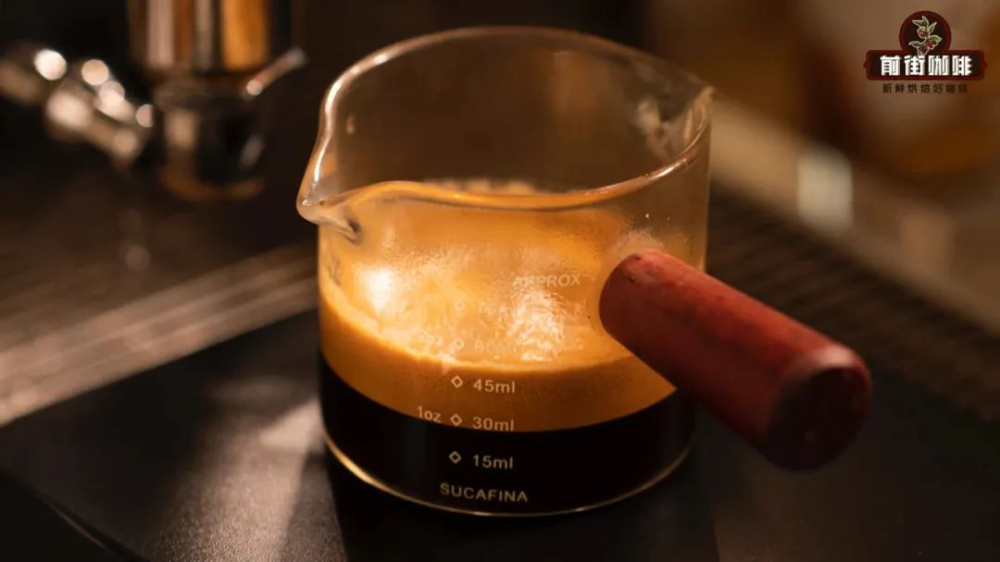
When the cup is at room temperature, the colder milk will continuously absorb heat from the cup wall until its own temperature approaches that of the cup. In other words, a room-temperature cup will speed up the milk's warming. Therefore, it's best to chill the cup in advance before making Dirty, so that the Dirty can maintain its contrast for a long time. Notes during preparation Once the ingredients are ready, you can start assembling. Though it's called assembling, it's really just extracting the espresso onto the surface of the milk, but there are still many techniques involved.
If the impact force during espresso extraction is too strong, the coffee liquid will shoot directly into the milk and merge with it, resulting in an iced latte. To avoid this, you need to bring the espresso closer to the milk surface and reduce the impact force, so that a clear layer can form. Bringing the milk surface close to the espresso outlet, or using a spoon against the milk surface to break the impact of the espresso, are both feasible methods; which one to use is up to personal choice. - END -
The above content is compiled by CoffeeHunters, a coffee news website.


