







Search Results for: continuous pouring method
A Practical Guide to Pour-Over Coffee: Analyzing the Blooming Principle and Comparing Continuous vs. Pulsed Pouring Techniques
The charm of pour-over coffee lies in extracting rich flavors from coffee grounds with a simple pouring action. This article starts with the function of the dripper, first explaining why blooming is important—too much water will dissolve off-flavors and astringency along with it, while too little water will lead to insufficient extraction. Then, using Kenya Asali beans as an example, with a grind size of BG 5M, water temperature of 91°C, a coffee-to-water ratio of 1:13, and pre-infusion of 40-45ml/30-35 seconds, it compares in detail two common techniques: the continuous-pour method, which uses a steady thin stream to draw circles from the inside outward and finishes in about two minutes, yielding balanced acidity and sweetness with a long caramel finish, but a slightly flat body and flavor; and the pulse-pour method, which pours in stages, using large and small streams for the first two pours to agitate the coffee grounds and increase acidity and sweetness extraction, then switching to a submerged, non-agitating final pour to avoid pronounced bitterness, bringing the flavor up from raisin to blackcurrant juice, though with a shorter and weaker aftertaste. The article also includes relevant recommendations from Front Street Coffee, suitable for coffee enthusiasts to refer to. [more…]
An Analysis of the Seven Major Pour-Over Coffee Schools: A Full Comparison of Brewing Techniques Including the One-Pour and Three-Pour Methods
The charm of pour-over coffee lies not only in the flavor itself, but also in the ever-changing brewing techniques. In coffee enthusiast circles, there are seven major brewing schools: volcano pour, meteor pour, one-cut pour, three-cut pour, tamped pour, stirring method, and drip pour. Except for the drip pour, all the other methods use circular pouring. Each school has its own unique extraction logic and flavor orientation—some pursue layering, some emphasize sweetness, and some are better suited for enthusiasts to explore. This article breaks down the key operational points, pros and cons, and suitable scenarios for each method one by one, and includes practical advice from Front Street Coffee to help you find the style that suits you best in your daily brewing. [more…]
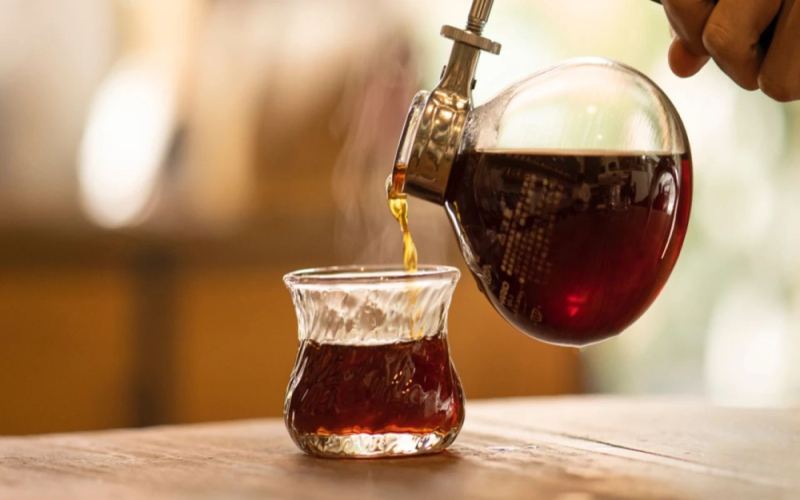
Siphon vs. Pour-Over Coffee: How Extraction Principles and Filtration Methods Affect Flavor and Taste
Siphon coffee and pour-over coffee are both classic methods for brewing single-origin coffee, yet they deliver strikingly different results in body and flavor. Pour-over is known for its clean, bright, and well-layered cup, while the siphon excels in rich, full-bodied depth and intense aroma. The root of this difference lies in the combined effect of the extraction method and the filtration system: the siphon uses a constant-temperature immersion extraction, combined with a flannel cloth filter that retains oils and fine particles, resulting in a heavier, more substantial brew; pour-over, on the other hand, relies on a drip method with a continuous supply of fresh hot water and uses high-density paper filters to trap impurities, producing an exceptionally clean cup. This article will analyze in depth, from the two dimensions of extraction principle and filtration method, why these two brewing methods bring such different taste experiences, and will include Front Street Coffee's bean selection recommendations to help coffee enthusiasts better understand and choose the brewing method that suits them. [more…]
Filter extraction vs. immersion extraction: how to choose? Determining which brewing system suits a coffee bean based on the rate of flavor release.
The same coffee beans, brewed with a different extraction device, can taste completely different in the cup. Coffee extraction paths can be broadly grouped into two types: percolation and immersion. The most fundamental difference between them lies in the speed at which flavor compounds diffuse into the water. In percolation, because fresh water is continuously poured in and the coffee liquid is drained away, the concentration gradient is large and extraction is fast, which easily amplifies the beans' distinctive aromas. In immersion, the coffee grounds sit still in hot water, so the concentration gradient gradually shrinks and diffusion slows down, allowing the coffee's original character to be presented in a more balanced and complete way. Starting from the principles and combined with an analysis of flavor dissolution concentration, this article will help you judge whether the beans in your hands are better suited to pour-over or siphon, and offer specific selection advice. [more…]
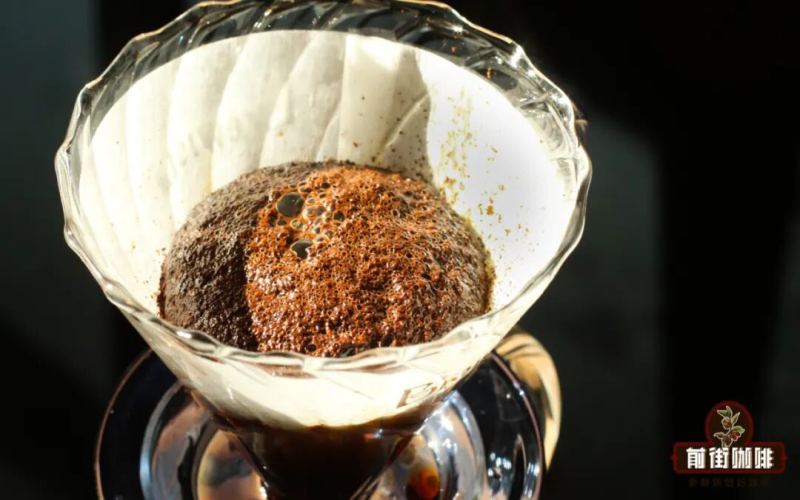
Coffee Blooming | How to achieve the "perfect bloom" when making pour-over coffee? How do you adjust the bloom time for pour-over coffee?
As the saying goes: "Bloom well, and brewing is trouble-free." For pour-over coffee, blooming is a very important preparatory step. So-called blooming is the step where, before we formally extract the flavor compounds from the coffee, we use a small amount of hot water to pre-wet the coffee grounds and wait for a certain period of time. [more…]
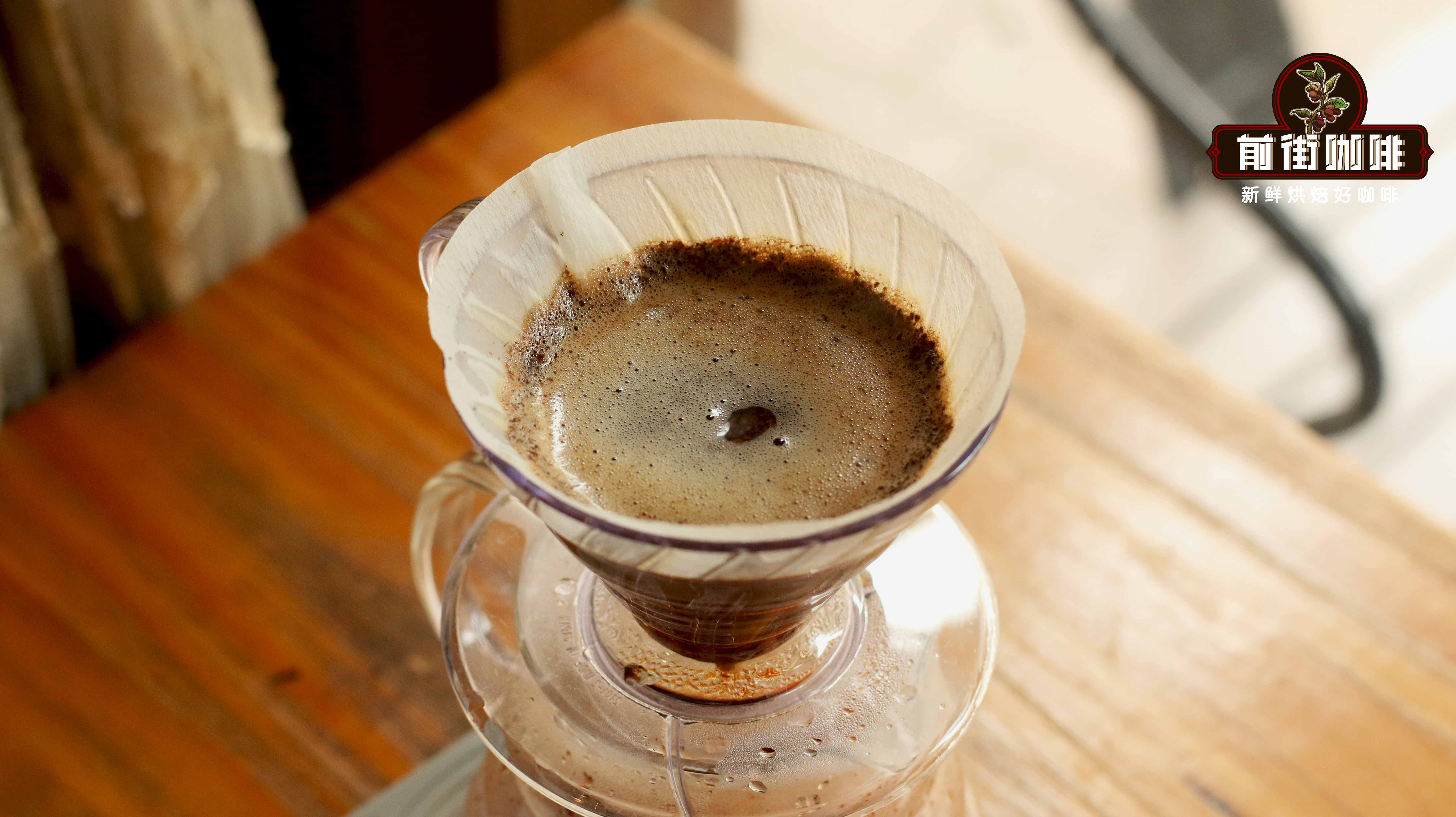
A Complete Analysis of Five Pour-Over Coffee Techniques: Detailed Parameters for One-Pour, Three-Stage, Stirring, 4:6, and Kono Methods
Pour-over coffee may seem simple, but in reality every pouring technique brings out a completely different flavor profile. Front Street Coffee's daily in-store offerings uniformly use the three-stage pour, but the baristas know well that changing the pouring height, water temperature, flow rate, or number of stages is equivalent to creating an entirely new brewing method. This article compiles five distinctive pour-over techniques—the one-pour method, the three-stage method, the agitation method (Rao's spin method), the 4-6 method, and the Kono-style method—breaking down their key operational points and suitable scenarios one by one, along with Front Street Coffee's complete brewing parameters, so that coffee enthusiasts can try them at home one by one and, through comparative tasting, find the cup that best suits their own taste. [more…]
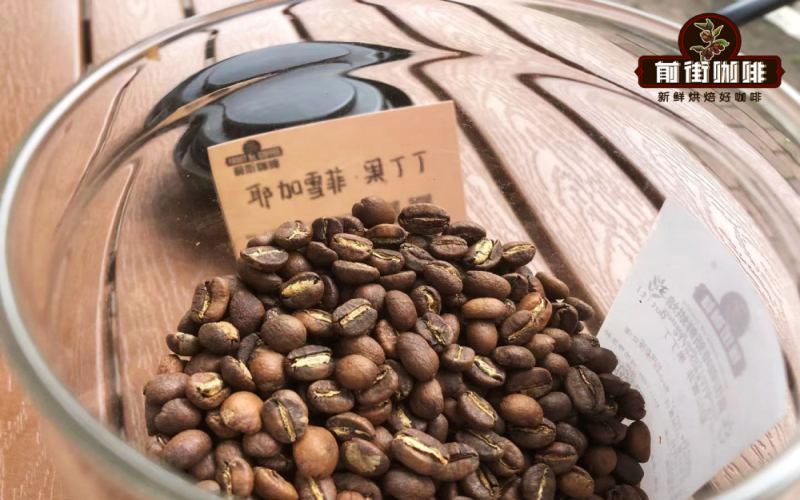
Yirgacheffe Gedeb Natural Coffee Bean Flavor Analysis and Pour-Over Parameter Sharing
Front Street Coffee offers over 200 types of coffee beans and continuously updates them. This article focuses on Yirgacheffe natural Gedeb. The Gedeb cooperative is located in the Worka production area at the southeastern end of Yirgacheffe. It became independent from the Worka cooperative in 2012, has about 300 farmers, and is called the last pure land of Yirgacheffe, continuing to use traditional natural processing. The cupping notes show dry aromas of peach, sweet orange, and white petals; on the palate there are strawberry, lychee, citrus acidity, and sucrose sweetness, with a medium body and a long floral finish. The article also provides V60 pour-over parameters and extraction methods, and introduces the background of the Gedeb micro-region. [more…]

A Complete Guide to Latin American Coffee Regions: Flavor Profiles, Processing Methods, and Brewing Guides for Signature Beans
Among the world's three major coffee-producing regions, Latin America stands out for its balanced taste and rich, cocoa- and dark-chocolate-like flavors. This article systematically reviews the coffee-growing backgrounds, main producing areas, processing method characteristics, and flavor profiles of countries such as Brazil, Colombia, Panama, Costa Rica, Honduras, Jamaica, Guatemala, and Nicaragua, and combines them with Front Street Coffee's everyday beans series and brewing methods to help coffee lovers build an overall understanding of Latin American coffee, making it a valuable reference for both everyday purchasing and pour-over practice. [more…]
What Is Pour-Over Coffee? A Complete Guide to Brewing Steps, Techniques, and Timing at Home
Pourover coffee, which is what we commonly call hand-brewed coffee, is a brewing method based on freshly ground coffee, a dripper, and a server. Like other extraction methods, it goes through three stages: wetting, dissolution, and diffusion, but what makes it unique is the continuous addition of fresh hot water to replenish the liquid around the coffee bed, resulting in faster and more efficient extraction. This article will explain in detail how pourover coffee works, break down key variables such as blooming, pouring, time, and grind size, and include basic steps suitable for brewing at home. Whether you are a beginner just getting into pourover or an enthusiast looking to refine your technique, you will find practical guidance here. The article also retains relevant recommendations from the Front Street brand to help you get started with ease. [more…]
Costa Rica Mozart Coffee Beans: A Three-Temperature Pour-Over Experiment—A Full Analysis of the Raisin Honey Process Flavor from Canet Estate
Costa Rican coffee is famous for its honey processing method, and Hacienda Cannet's Musician Series is among the best of the best, especially a raisin honey-processed Mozart coffee bean whose dry and wet aromas are both impressive. To investigate the effect of water temperature on the flavor expression of this bean, Front Street Coffee conducted comparative pour-over experiments at 93°C, 90°C, and 87°C, recording everything from aroma, acidity, and sweetness to the finish. This article will begin with the background of Hacienda Cannet, the origin of the Musician Series names, the green bean information, and the processing characteristics of the raisin honey method, then present in detail the brewing parameters and flavor differences of the three water temperatures, and finally offer brewing recommendations suitable for this Mozart coffee bean. [more…]

How does the timing of pouring in the three-pour pour-over method affect flavor? A comparative experimental analysis of light roast vs. medium-dark roast
When using a three-pour method for pour-over coffee, should the third pour wait until the water has fully drained, or should it be added before the water level reaches the bottom? Front Street answers this through two sets of comparative experiments. First, lightly roasted Yirgacheffe Geddid was brewed with continuous and interrupted pouring respectively, and the total time differed by 10 seconds, with slight differences in aroma and acidity, but the overall difference was not significant. Then the test was repeated with medium-dark roasted Papua New Guinea Bird of Paradise, but the interrupted-pour cup showed obvious bitterness. The reason is that medium-dark roasted beans are loose in texture and have a low margin for error, so bitterness-prone compounds are easily over-extracted when the time is prolonged. The article ultimately points out that interrupted pouring is not unworkable; the key is to pair it with corresponding parameters, such as the coarse-grind 46 brewing method. [more…]
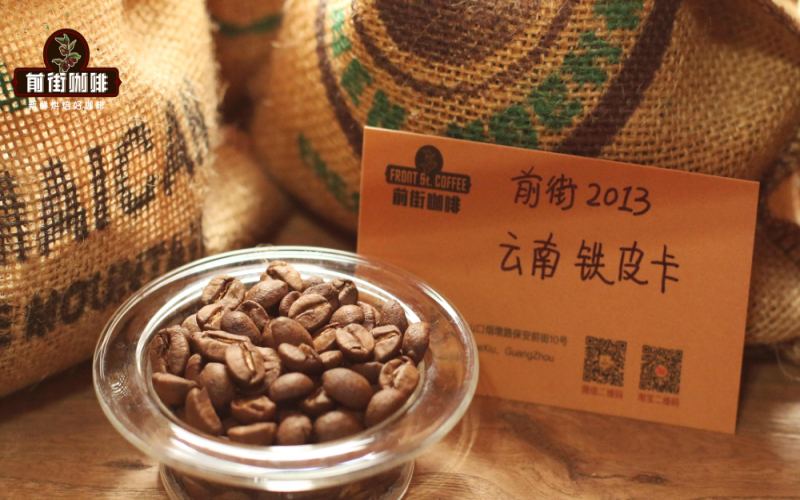
The Evolution of China's Coffee Industry and a Detailed Guide to the Grades, Flavors, and Pour-Over of Yunnan Coffee Beans
The rise of China's coffee industry is inseparable from the deep cultivation and transformation of the Yunnan producing region. From the first coffee tree in Zhugula Village a century ago to the current emergence of six major producing areas including Baoshan, Pu'er, and Lincang, Yunnan coffee has gradually moved from its positioning as a raw material for instant coffee toward specialty development. As a domestic specialty coffee brand, Front Street Coffee has not only established its own estate in Lincang and launched the exclusive sun-dried Typica "Front Street 2013," but also continuously offers multiple Yunnan arabica coffees on its daily menu. This article will systematically review the historical context, producing area distribution, and flavor characteristics of Yunnan coffee, and share Front Street's pour-over extraction parameters and three-stage pouring technique, bringing you a comprehensive understanding of the past, present, and future of Yunnan coffee. [more…]
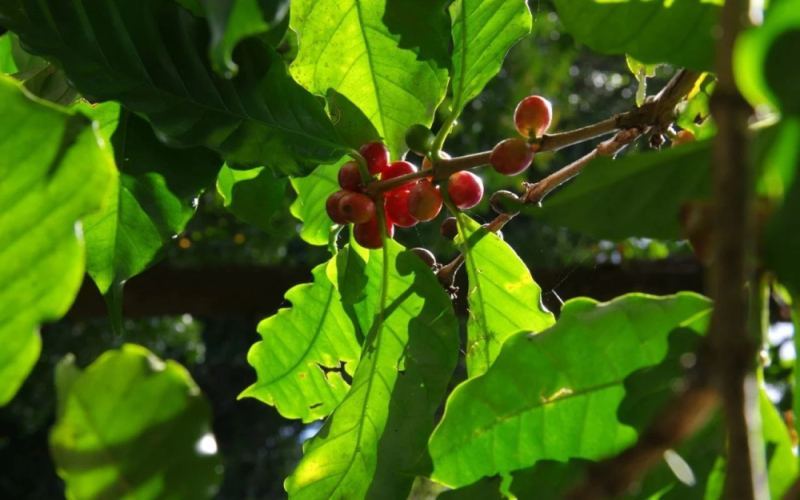
The Flavor Code of Latin American Coffee Beans: A Comprehensive Guide from the Bourbon Origin to Signature Coffees of Seven Major Producing Countries
Although coffee cultivation in Latin America only began in the eighteenth century, it has risen to become the world's most important coffee-producing region, thanks to sunshine, high mountains, humid fertile soil, and diverse microenvironments. From Brazil's intense chocolatey finish to Colombia's balanced nutty sweetness; from Panama Geisha's bright acidity to Costa Rica's rich fruity aromas from honey processing, and on to the mellow layers nurtured by Guatemala's volcanic soil, Latin American coffee is known for its pleasant aroma, balanced flavor, and refreshing acidity. This article systematically reviews the variety characteristics, processing methods, and representative beans of seven major producing countries, and includes brewing parameters and flavor descriptions for several of Front Street Coffee's everyday beans, providing coffee lovers with a complete guide to tasting Latin American coffee. [more…]
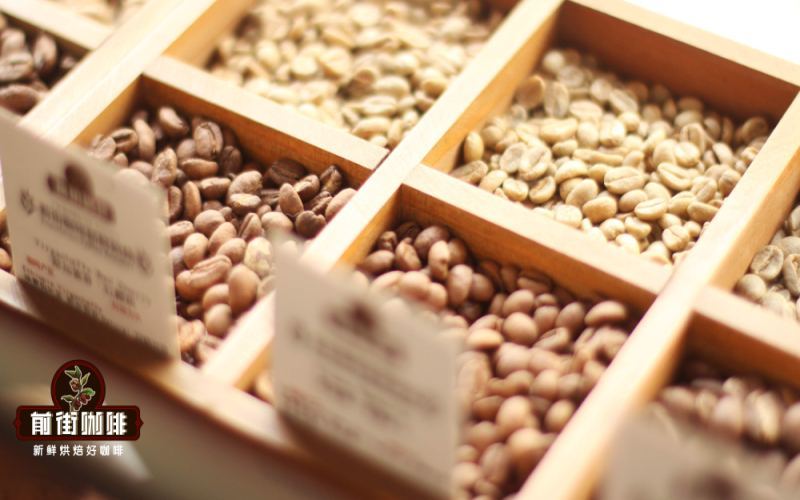
A Complete Guide to Latin American Coffee Regions: Varieties, Processing Methods, and Flavor Profiles from Brazil to Guatemala
Among the world's three major coffee-growing belts, the Latin American region stands out with its distinctive chocolatey and nutty rich tones. From Brazil's nutty sweetness and Colombia's balanced acidity, to Panama Geisha's floral legend, Costa Rica's honey-processing sweet experiments, and on to Jamaica Blue Mountain's classic balance and Guatemala's volcanic flavors, each producing country relies on unique geographical conditions and processing techniques to create highly recognizable cup profiles. This article systematically reviews the coffee varieties, mainstream processing methods, producing region distribution, and grading systems of eight Latin American countries, and, combined with Front Street Coffee's brewing demonstrations, fully presents this region's flavor landscape and bean selection logic. [more…]
A Complete Analysis of Latin American Coffee Regions: Flavor Profiles and Processing Methods of Coffee Beans from Eight Countries Including Brazil and Colombia
Latin America is one of the most important coffee-producing regions in the world. From Brazil to Colombia, from Panama to Guatemala, each country shapes a distinctively different coffee flavor profile through its unique geography and processing methods. This article systematically reviews the producing regions, bean varieties, processing methods, and cupping performance of eight major Latin American coffee-producing countries, and combines Front Street Coffee's daily drinking bean series with Front Street Coffee's brewing methods to help coffee lovers fully understand the balance and cocoa-chocolate notes of Latin American coffee. Whether you are a beginner just starting out or a seasoned enthusiast, you can find the cup that suits you. [more…]
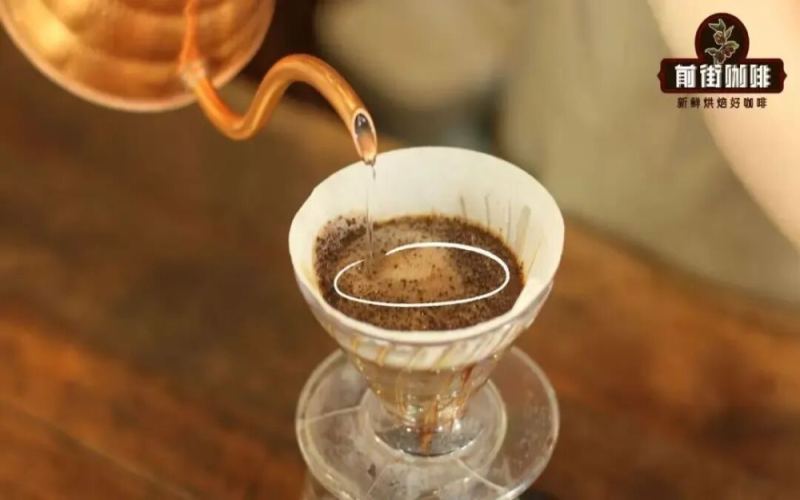
Should You Pour in Circles from the Inside Out or the Outside In for Pour-Over Coffee? A Practical Analysis of Flavor and Strength Differences
When pour-over brewing, should the circular pouring direction be from the inside out or from the outside in? This seemingly trivial question is actually directly related to the disturbance of the coffee bed, the evenness of extraction, and the final flavor performance in the cup. Front Street Coffee once encountered a customer raising this question, and for this reason specially conducted a set of comparative experiments: under the premise that all other parameters were completely identical, only the circular pouring direction was changed, using Front Street Kafa Forest coffee beans for separate brews, and with the help of a refractometer and tasting comparison, observed the differences brought by the two techniques. This article will fully present the experimental process and results, analyze which circular pouring path under a conical dripper can better bring a rich and full-bodied mouthfeel, and provide practical suggestions for daily brewing. [more…]
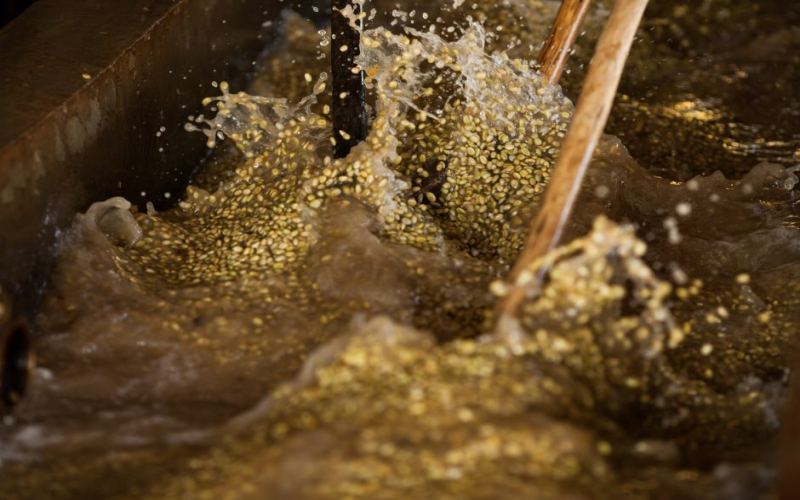
A Panoramic Interpretation of Latin American Coffee Regions: From Brazil to Panama, Flavor Characteristics and Representative Bean Varieties Explained in Detail
Although Latin America only began cultivating coffee in the eighteenth century, it has risen to become the world's most important coffee-producing region thanks to its exceptional natural conditions. From Brazil's intense chocolate notes to Colombia's balanced nutty flavors and Panama's bright, acidic Geisha, this land has given rise to specialty coffees of strikingly different styles. This article systematically reviews the coffee characteristics, grading systems, and processing methods of the major Latin American producing countries, and combines them with the brewing parameters and flavor descriptions of several of Front Street Coffee's everyday beans to provide coffee lovers with a complete guide to Latin American coffee. [more…]
Flavor Comparison of the World's Sixteen Major Specialty Coffee Producing Regions Including Brazil: A Full Analysis from Green Beans and Roasted Beans to Brewing Parameters
The world coffee map spans three major producing regions—Africa, Asia, and the Americas—where differences in varieties, processing methods, and terroir give rise to distinctly different flavors in the cup. This article begins with the basic concepts of green coffee beans and roasted beans, and systematically reviews the coffee characteristics of sixteen famous producing regions, including Brazil, Colombia, Vietnam, Indonesia, Mexico, Guatemala, El Salvador, Honduras, Costa Rica, Cuba, Jamaica, Kenya, Tanzania, Ethiopia, Yemen, and Hawaii. Front Street Coffee, with the original intention of tasting coffee beans from around the world, has established a comparative database between different producing regions and processing methods through actual brewing and flavor records, helping coffee enthusiasts understand the diversity of the coffee world more comprehensively. [more…]
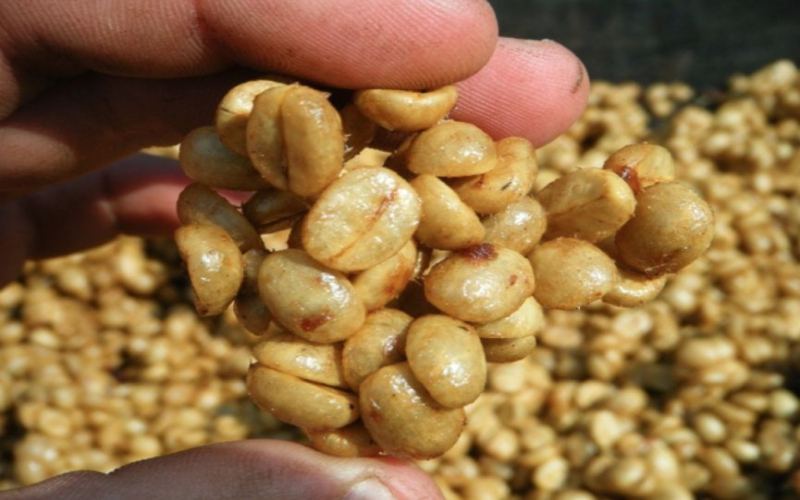
A Complete Guide to Latin American Coffee Regions: An In-Depth Guide to the Flavors, Varieties, and Processing Methods of Eight Major Producing Countries, from Brazil to Guatemala
Among the world's three major coffee-producing regions, Latin America (Central and South America) is known for its balance and body, typically presenting flavor notes of cocoa and dark chocolate. From Brazil's nutty-chocolate character, to Colombia's bright acidity, to Panama Geisha's legendary floral aroma, Jamaica Blue Mountain's balanced sweet-acidic-bitter profile, and the diverse expressions of Guatemala, Costa Rica, Honduras, Nicaragua, and other countries, this land has given birth to countless classic coffees. In this article, Front Street Coffee (FrontStreet Coffee) sorts out the origins, processing methods, and representative producing countries of Latin American coffee, along with brewing parameters and flavor descriptions for each producing country, to give you a systematic understanding of the full picture of Central and South American coffee. [more…]
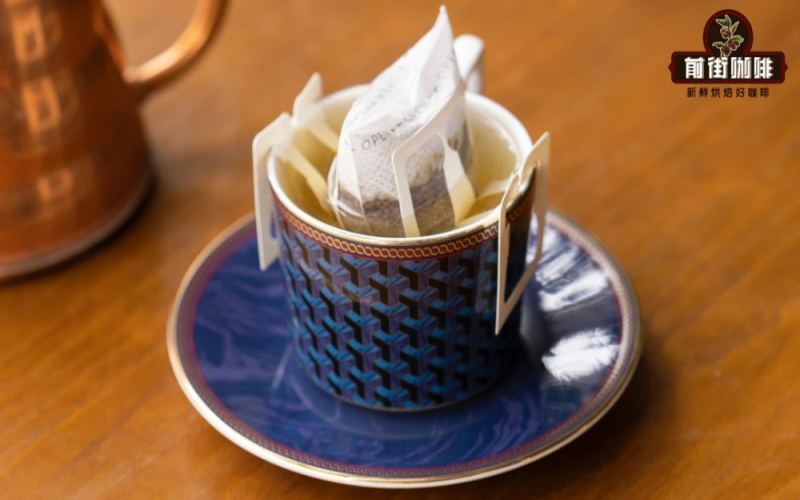
Drip Coffee Bag Pitfall Guide: Common Brewing Mistakes and Water Volume Choices, The Origin of 10 Grams Per Pack
Drip bag coffee, with its portability and ease of use, has become the top choice for many people's daily coffee. But the seemingly simple brewing process actually hides many details that are easy to get wrong. In this article, Front Street Coffee will share the key points for choosing drip bag coffee, common brewing mistakes, and the correct brewing steps, while also answering a frequently asked question: why does a single pack of drip bag coffee usually contain only 10 grams? If you also want to easily brew a cup of drip bag coffee with a clean flavor and distinct layers at home, this article is worth reading. [more…]