







Search Results for: cold brew brewing parameters
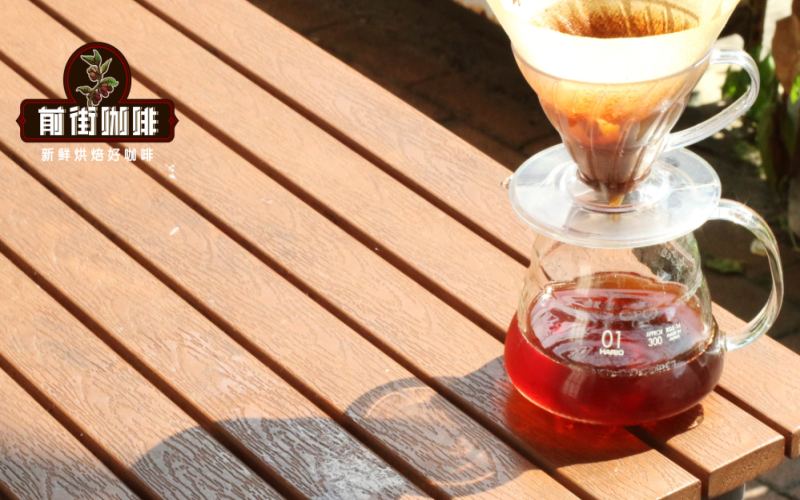
The Complete Guide to Cold Brew Coffee: A Detailed Explanation of the Three Key Parameters—Grind Ratio and Steeping Time
Cold brew coffee, with its light body and sweet-tart flavor profile from low-temperature extraction, has become a favorite among many coffee lovers. Making cold brew isn't complicated—all you need is ground coffee, water, an airtight container, and a refrigerator. But to brew the ideal cup, three parameters must be precisely controlled: grind size, coffee-to-water ratio, and steeping time. This article will systematically explain the principles and practical steps of making cold brew, and using Front Street Mozart coffee beans as an example, provide a complete parameter plan and workflow to help you easily make a cup of cold brew full of juicy fruitiness at home. [more…]
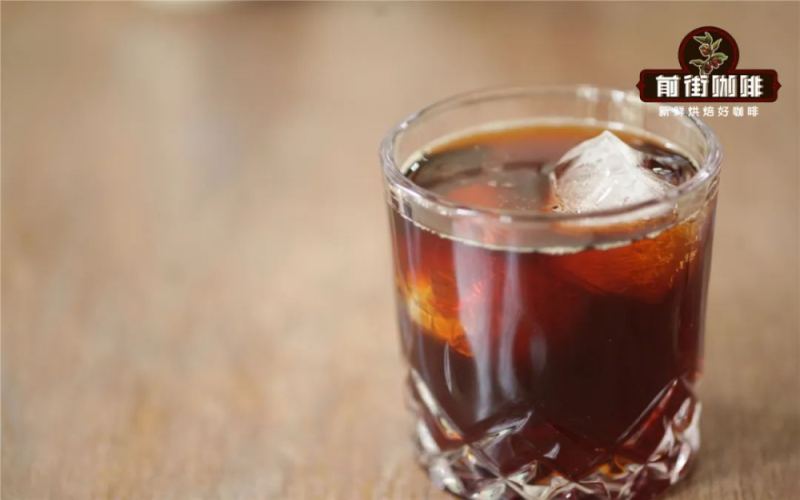
A Detailed Explanation of the Flavor Differences Between Ice Drip, Cold Brew, and Cold Steep Coffee, Plus a Cold Brew Production Parameter Guide
Ice drip coffee, cold brew coffee, and cold steeped coffee are popular types of iced coffee in summer, but many people still cannot tell the differences between them. Front Street Coffee will systematically sort out the characteristics of these three types of iced coffee from the perspectives of production principles, flavor performance, and raw material selection, helping coffee enthusiasts clarify their understanding. At the same time, this article will also share the specific brewing parameters for cold brew coffee and explore the different flavor directions that the same coffee beans present under the two methods of ice drip and cold brew. Whether you want to understand the essential difference between ice drip and cold brew, or want to try making cold brew coffee at home, this article can provide practical reference. [more…]
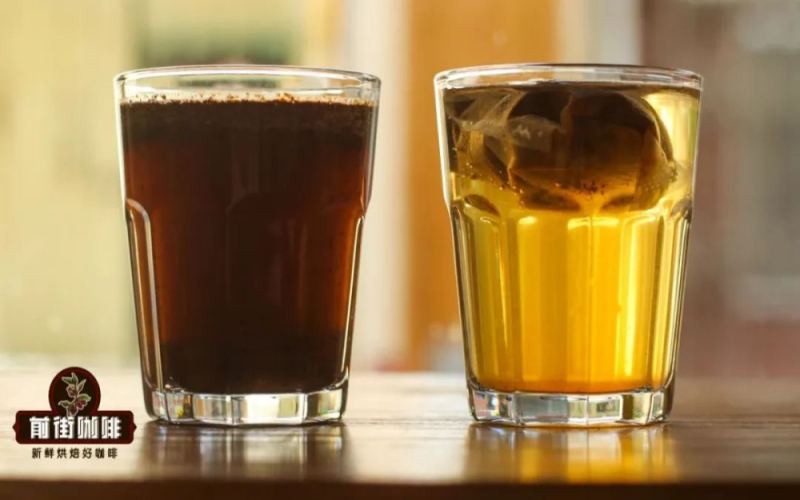
The Complete Guide to Cold Brew Coffee: From Bean Selection to Parameters, Teaching You to Make Clean and Sweet Iced Coffee
On a scorching summer day, a glass of icy, clean cold brew coffee is undoubtedly a refreshing treat. Unlike iced coffee drinks such as cold drip or affogato, cold brew is made by steeping coffee grounds in cold water for an extended period and then filtering—simple to make, yet full of subtle details. This article will systematically explain how to make cold brew coffee from the perspectives of bean selection, grind size, coffee-to-water ratio, brewing temperature, and time, while sharing Front Street Coffee's practical parameters and troubleshooting experience for common issues, helping you easily craft a balanced, richly flavored homemade cold brew. [more…]
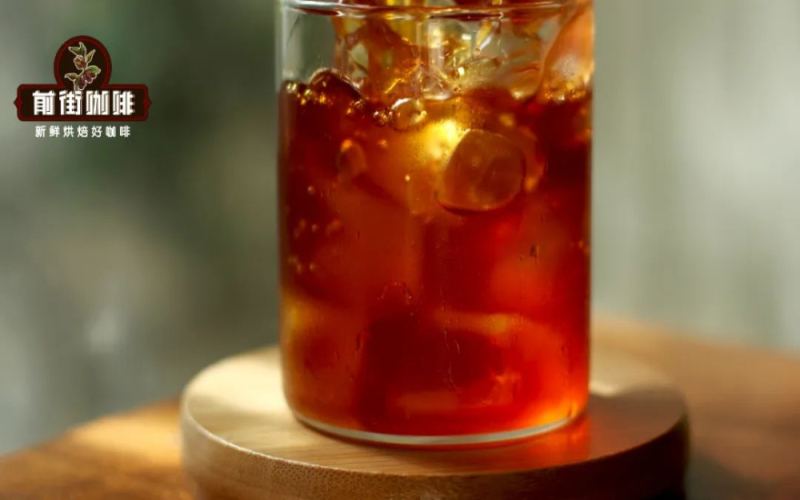
A Complete Guide to Cold Brew, Ice Drip, and Iced Coffee: Brewing Principles, Historical Origins, and Front Street Coffee's Cold Brew Practical Parameters
In the family of cold-extracted black coffee, the three names cold brew, ice drip, and ice brew often confuse people. What exactly is the difference between them? Why is ice drip also called Dutch coffee or Kyoto coffee? How can you make cold brew coffee so that it is consistently good? This article, from the perspective of Front Street, sorts out the definitions, historical context, and brewing logic of these three coffees, and includes the complete parameters and step-by-step instructions for Front Street Mozart cold brew, helping you understand the ins and outs of cold-extracted coffee in one go. [more…]

How do you make cold brew coffee taste great? Master the three key parameters: grind size, coffee-to-water ratio, and steeping time.
Cold brew, put simply, is made by mixing ground coffee with water and letting it sit in the refrigerator. The barrier to entry isn't high. So why does the cold brew so many people make always come out thin and flavorless? The problem usually lies in imprecise parameters. Grind size, coffee-to-water ratio, and steeping time—these three variables directly determine the strength and flavor direction of a cup of cold brew. Grind too coarse and the flavor won't extract; add too much water and the concentration gets diluted; not enough time and the compounds won't dissolve sufficiently. This article will break down how to set these three core parameters one by one, and offer guidance on choosing beans—for a juicy character, choose a light roast; for more concrete, vivid flavors, choose a heavily fermented process; for a heavier mouthfeel, choose a medium-dark or dark roast. I'll also share a little trick: dark-roast beans with osmanthus. [more…]
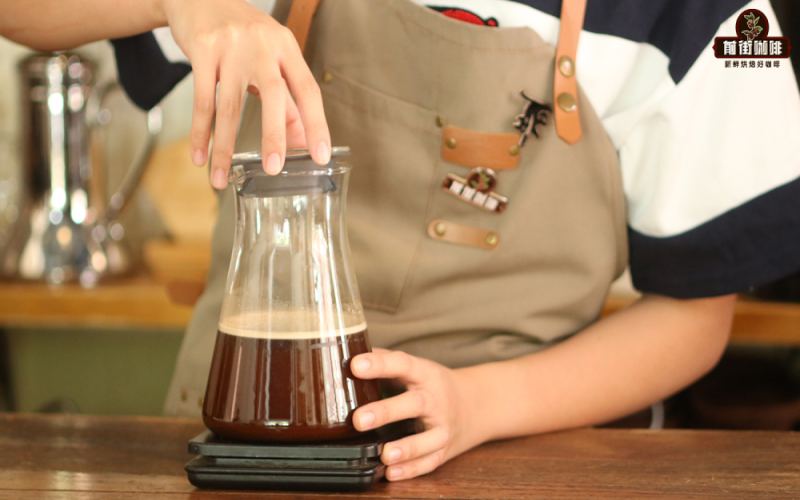
A Complete Guide to Cold Brew Coffee Parameters: How Coffee-to-Water Ratio, Grind Size, and Steeping Time Affect Flavor
As June arrives and temperatures climb, a refreshing glass of cold brew coffee becomes the go-to choice for many coffee lovers looking to beat the heat. Cold brew is made by steeping coffee grounds in cold water for an extended period and then filtering to obtain a clean liquid. It seems simple, but in reality, details such as grind size, coffee-to-water ratio, and steeping time all influence the final flavor. This article draws on the hands-on experience of Front Street Coffee to systematically break down the parameter choices, brewing process, and common pitfalls of cold brew coffee, helping you consistently reproduce a fragrant, clear-bodied iced coffee at home. [more…]
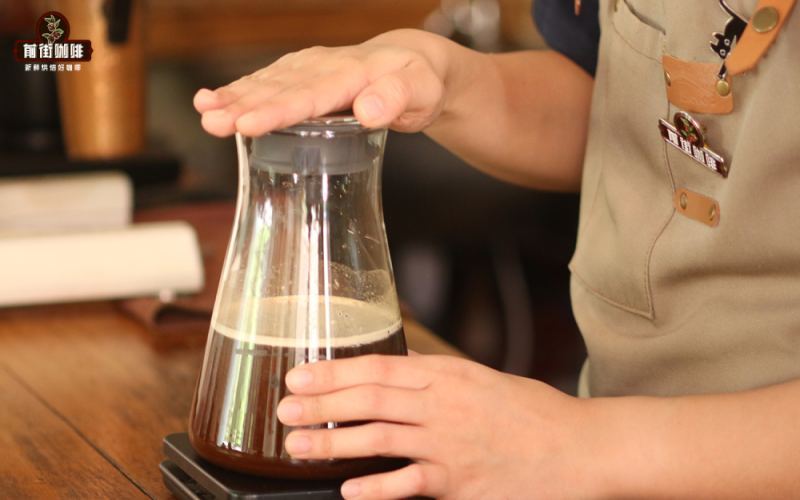
Cold Brew Coffee Shelf Life Fully Explained: Home Methods for Ice Drip and Cold Brew, Extraction Parameters, and Grind Size Recommendations
On a hot summer day, cold brew coffee becomes a favorite for many people. But how long can prepared cold brew be stored? What details should be noted when making ice drip and cold brew at home? This article provides a detailed explanation of the shelf life of cold brew coffee, the role of refrigerated aging, the flavor differences brought by different bean varieties, and the extraction parameters and grind size for ice drip and cold brew. At the same time, Front Street Coffee also gives specific suggestions based on the cold brew performance of its own beans such as Kenya, Strawberry Candy, and Gitiding Cooperative. Whether you are a beginner or a seasoned enthusiast, you can find practical references here. [more…]

Cold Brew, Ice Drip, and Cold Brewing: What's the Difference? Key Production Points and Analysis of Huakui Coffee Bean Parameters
A glass of iced coffee in summer always brings coolness and comfort, but the iced coffee family actually has many members—cold brew, ice drip, and cold steep each have their own particularities. From the perspective of Front Street Coffee, this article systematically sorts out the definition of cold brew coffee, its historical origins, and its two major production styles, compares its essential differences with hot-brewed iced coffee, and shares the specific parameters for making Huakui coffee beans with ice drip, along with practical suggestions on grinding, time, and coffee-to-water ratio. Whether you want to try cold steep at home or want to understand the logic behind the ice drip offerings at specialty coffee shops, you can find clear answers and actionable methods here. [more…]
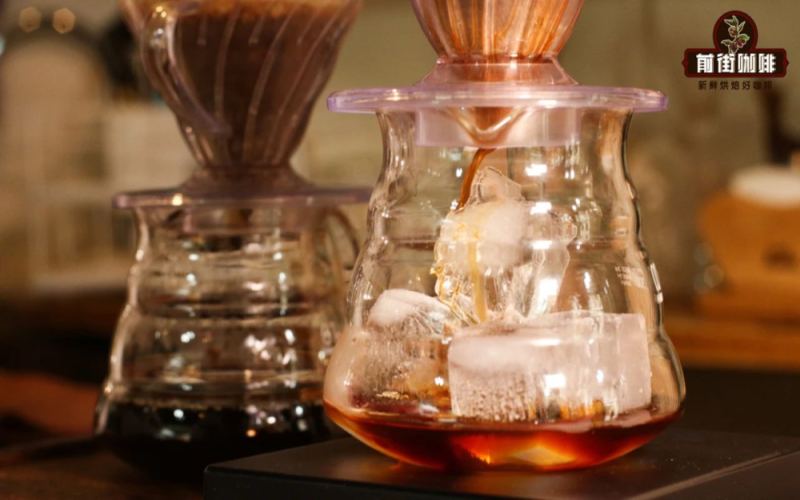
Cold Brew, Ice Drip, and Iced Americano: A Flavor Difference Analysis, Plus Beginner Cold Brew Coffee Steps and Parameters
As the weather warms up, iced coffee becomes a daily choice for many people. Besides the common iced Americano, cold brew and ice drip—two low-temperature extraction methods—are also attracting attention. Iced Americano is made quickly with espresso and ice water, while cold brew and ice drip require hours or even a full day of waiting. In a low-temperature environment, small-molecule flavors—the sweet and sour notes—are extracted first, while large-molecule bitter compounds remain inside the coffee, so the finished cup tastes mellower, more refreshing, and rounder, with noticeably less bitterness. Because ice drip equipment is relatively expensive, cold brew made by direct immersion is more suitable for home use. This article compares the taste characteristics of the three iced coffees and, using Front Street Coffee beans at light, medium, and dark roast levels as examples, provides a set of cold brew parameters and a step-by-step process suitable for beginners, helping you easily make a delicious cup of cold brew coffee at home. [more…]
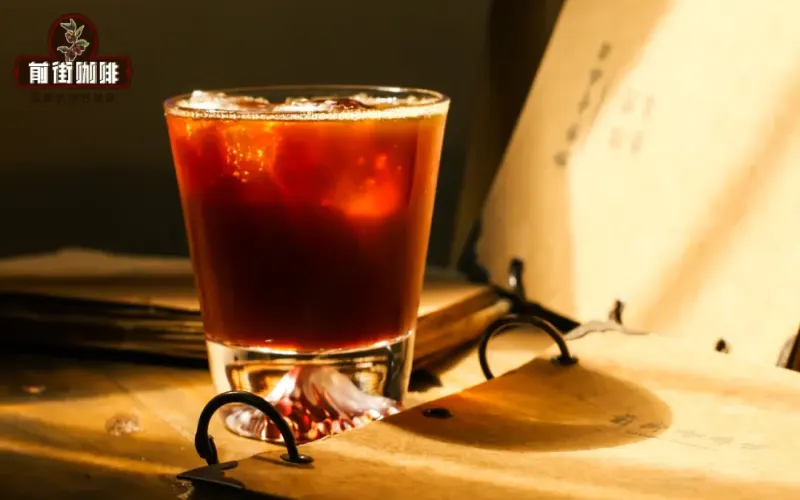
How to Make Cold Brew Coffee at Home: A Full Guide to Coffee-to-Water Ratio, Grind Size, Steeping Time, and Bean Selection
As the weather warms up, iced cold brew has once again become a favorite among many coffee lovers. But if you want to make a full-flavored pitcher of cold brew at home, grind size, coffee-to-water ratio, steeping time, and bean selection all directly affect the final taste. This article starts from practical operation, sorts out the key parameters of cold brew coffee, explains why the grind is not as fine as possible, why the water amount should be more restrained than pour-over, and provides a bean list reference suitable for fruity profiles and rich, acid-free styles. Finally, it also includes a complete brewing process using Front Street Coffee Granja Geisha as an example to help you easily recreate a delicious pitcher of cold brew. [more…]
Cold Brew Coffee Guide: How Grind Size, Coffee-to-Water Ratio, and Steeping Time Affect Flavor
Cold brew coffee, with its refreshing and clean taste, has become one of the most popular coffee categories in summer. Its brewing method seems simple—just soak coffee grounds in cold water and then filter—but parameters such as grind size, coffee-to-water ratio, and steeping time all directly affect the final flavor. This article will start with coffee bean selection, introduce in detail three beans recommended by Front Street Coffee that are suitable for cold brew, and analyze key parameters one by one, including grind coarseness, coffee-to-water ratio, extraction temperature, and time. At the same time, Front Street Coffee also combines experimental data to summarize the most common misunderstandings and self-check points when making cold brew at home, helping you make a cup of iced coffee with rich aroma and a full-bodied taste. [more…]
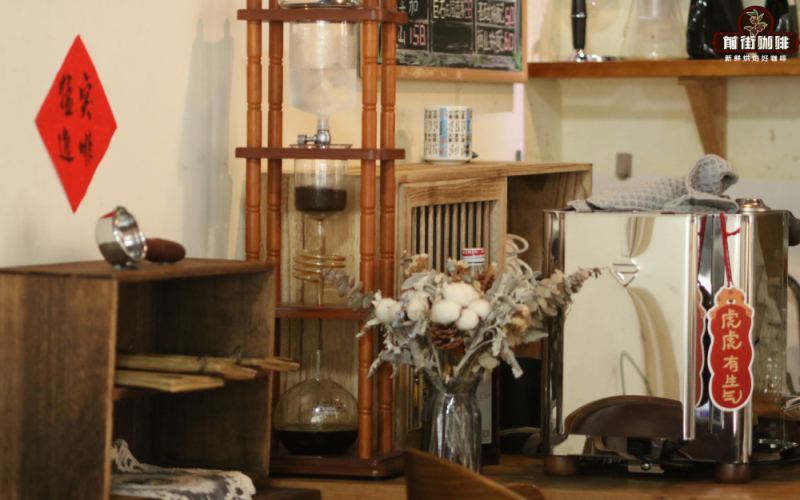
What Exactly Is Cold Brew Coffee? A Detailed Explanation of the Differences Between Ice Drip and Cold Brew, Brewing Parameters, and Shelf Life
On a scorching summer day, a glass of cold brew coffee is almost every coffee lover's first choice for beating the heat. But many people's understanding of cold brew coffee still stops at the level of "iced coffee," and some even lump iced pour-over and iced Americano together with cold brew. In fact, the core of cold brew coffee lies in using low-temperature water throughout the entire extraction process, and depending on the method, it can be divided into two major categories: cold steep and ice drip. Starting from the definition, this article will sort out the essential differences between cold brew and iced coffee, analyze the types of coffee beans suitable for making cold brew, and, using Honduran Sherry beans as an example, introduce in detail Front Street Coffee's ice drip brewing parameters and process. Finally, it will answer the question of cold brew coffee's shelf life, helping you gain a comprehensive understanding of cold brew coffee. [more…]
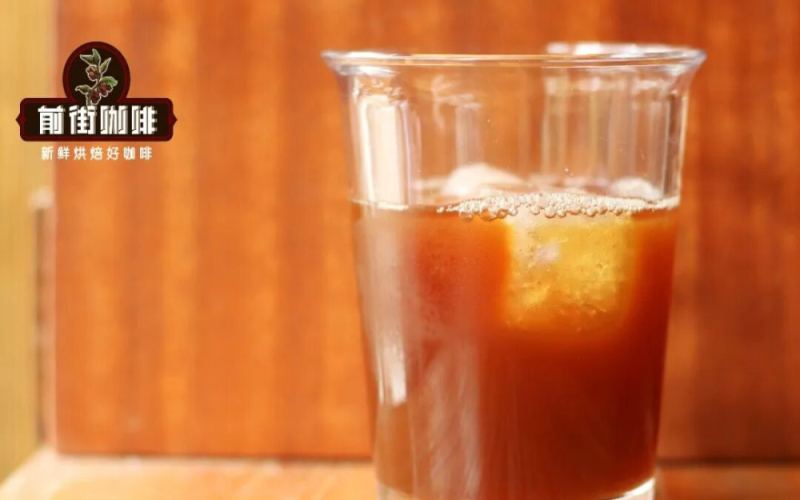
The Complete Process of Making Cold Brew Coffee at Home Using a Mineral Water Bottle: Parameters, Bean Selection, and Practical Tips
When the weather gets hot, cold brew becomes the go-to lifesaver for many coffee lovers. To enjoy cold brew, you don't necessarily need a dedicated cold brew pitcher—an ordinary plastic water bottle can just as easily produce a clean-tasting black coffee. This article explores the feasibility, cost, water usage, and extraction results of making cold brew with a plastic water bottle, along with specific details such as the coffee-to-water ratio, grind parameters, and steeping time. It also offers recommendations for coffee beans suitable for cold brew and tips to enhance the flavor. Using a 300ml plastic water bottle paired with Front Street Coffee's Fruit Ding Ding coffee beans as an example, the article provides a complete demonstration of the process from pouring water, grinding, adding coffee grounds, refrigerated steeping, to filtering and drinking, helping you easily make a budget-friendly and refreshing cold brew black coffee at home. [more…]
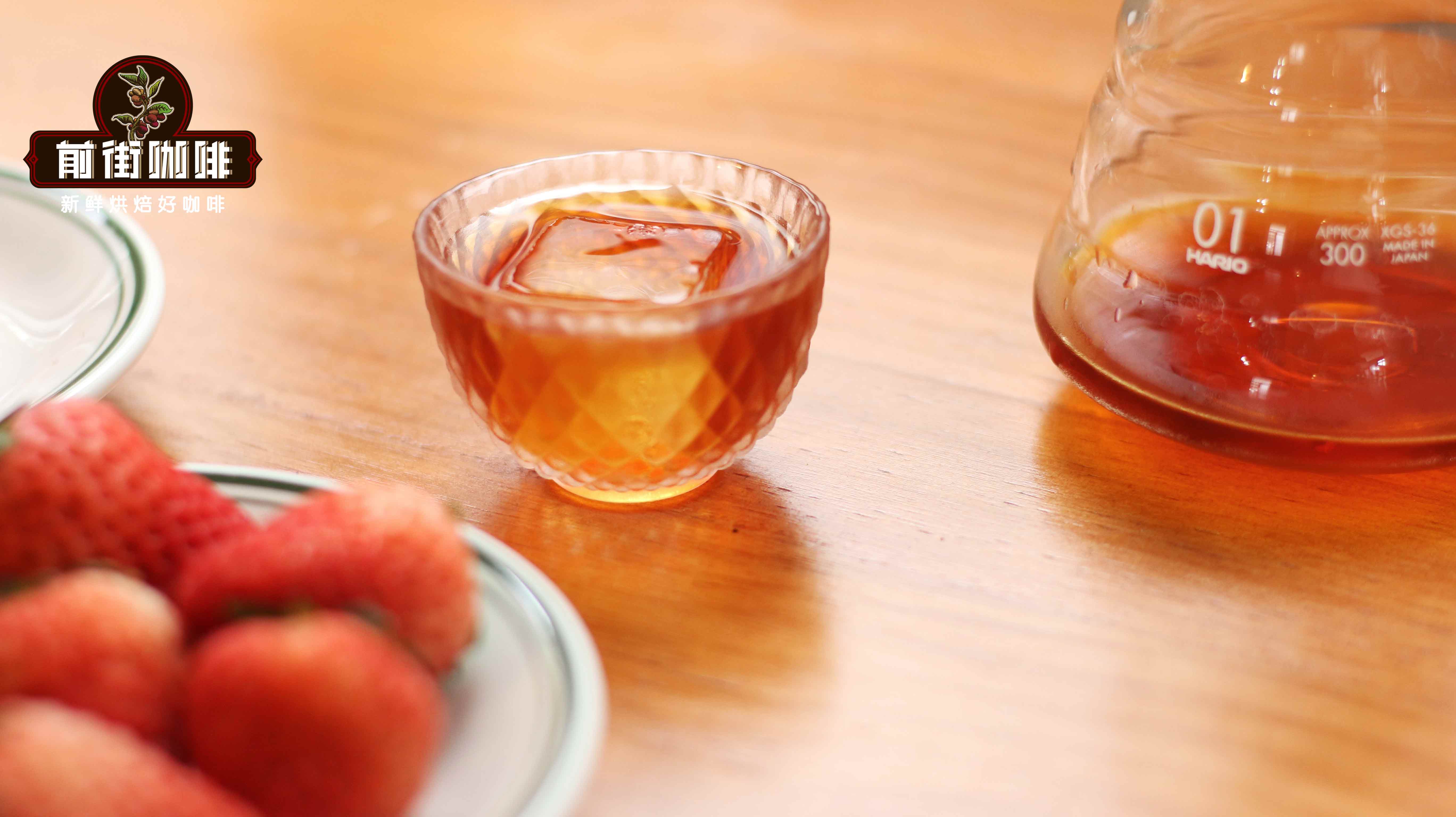
Drip Bag Coffee Can Also Make Iced Drinks: A Detailed Guide to Simple Home Brewing Parameters for Hand-Poured Iced Coffee and Cold Brew Coffee
On a scorching summer day, a glass of iced coffee always brings a refreshing, invigorating coolness. But for coffee lovers without professional equipment, is it still possible to easily make delicious iced coffee? The answer is yes. This article will use the most convenient drip bag coffee as a starting point to explain in detail two home methods for making iced coffee—iced pour-over coffee and cold brew coffee. From bean selection and parameter adjustment to specific operating steps, Front Street will break down the key points one by one, including core parameters such as water temperature, coffee-to-water-to-ice ratio, and grind size, as well as how to compensate for the limitation that drip bag coffee cannot adjust grind size by changing the brewing strategy. Whether you want to quickly get a refreshing glass of iced pour-over or are willing to spend time waiting for a pot of rich cold brew, you can find practical operating guidance in this article. [more…]
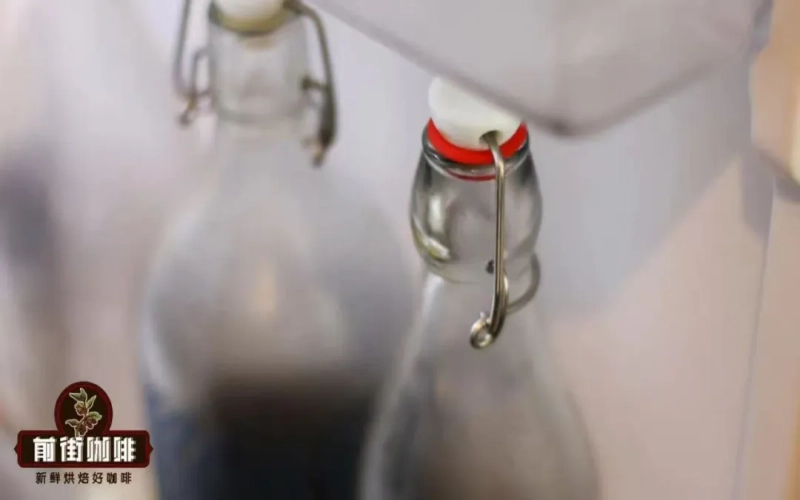
How to Make Delicious Cold Brew Coffee: Single-Origin Bean Selection Ideas and Brewing Parameters Explained
Cold brew coffee is made in a special way and needs to be prepared a day in advance, so cafes usually do not offer as many bean choices as they do for pour-over. This article focuses on the brewing method and water-to-coffee ratio parameters for cold brew, starting with Front Street Coffee's cold brew procedure: using 50 grams of coffee grounds as the base, with a grind size referencing an 85% pass rate through a No. 20 standard sieve, paired with 400 milliliters of room-temperature water and 200 grams of hard ice cubes, at a coffee-to-water ratio of 1:12, left to steep in the refrigerator for 12 to 24 hours before filtering, then refrigerated for about 4 hours before drinking. It then combines the characteristics of cold brew—not bitter, mildly acidic, mellow in flavor, and with a low-temperature aging and fermentation feel—to share directions for selecting single-origin beans suitable for cold brew, including washed process and Geisha (T2722), and gives specific recommendations from Front Street Coffee's bean list. [more…]
How to determine the coffee-to-water ratio for cold brew? A comparison of actual tests from 1:8 to 1:15 and an analysis of the parameters.
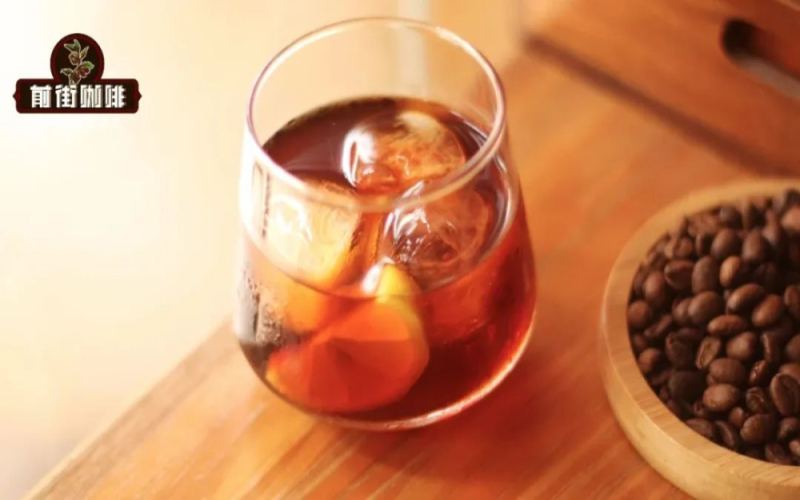
The coffee-to-water ratio for cold brew has always been a hot topic among enthusiasts. Some prefer the intensity of 1:8, others are used to the lightness of 1:15, while Front Street Coffee's daily offerings mostly use 1:10. Which ratio is actually the most suitable? Starting from the principles of extraction, this article systematically analyzes the impact of coffee-to-water ratio on cold brew flavor, and shares key parameters such as grind size, steeping time, and water quality selection. At the same time, using Kenya AA washed beans as an example, it conducts actual taste tests of the differences among four ratios—1:8, 1:10, 1:12, and 1:15—to help you make a cup of cold brew coffee at home with balanced acidity and sweetness and clear flavor. [more…]
Cold Brew Coffee Brewing Parameters | How to Distinguish Ice Drip from Cold Brew? What Are the Flavor Differences Between Ice Drip and Cold Brew Coffee? Why Is Ice Drip More Expensive Than Cold Brew?
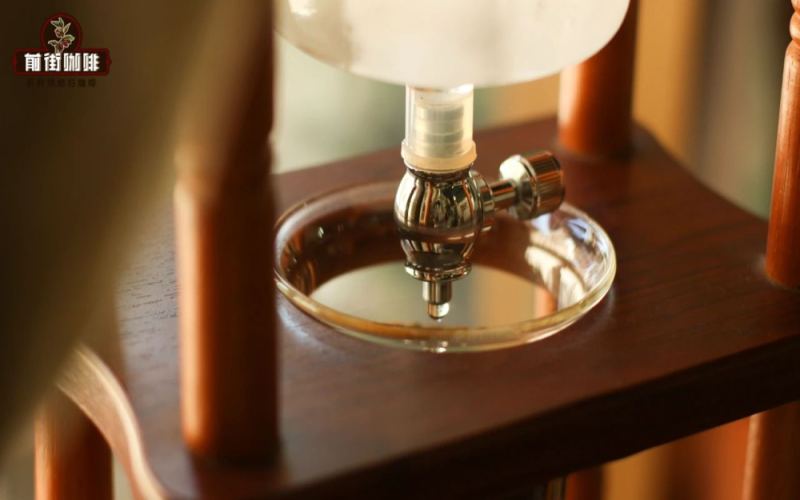
Ice drip coffee and cold brew coffee are both relatively common types of iced coffee. Many friends still haven't clearly distinguished between them, so Front Street Coffee is here to share some relevant knowledge. The shared characteristic of ice drip coffee and cold brew coffee is low-temperature extraction, and both take a relatively long time to make, so it's basically impossible to make them to order. However, their extraction methods [more…]
Cold Brew Vienna Coffee Making Guide: Bean Selection Key Points, Cream Handling, and Detailed Parameters & Ratios
On a scorching summer day, a glass of iced coffee always brings a rare moment of cool comfort. If you top cold brew with a layer of velvety cream, you get the Cold Brew Vienna, which has become quite popular in recent years. This drink is not complicated to make and can easily be recreated at home, but if you want it to reach its best flavor, the choice of coffee beans and the way the cream is handled are the two key steps. Based on Front Street Coffee's hands-on experience, this article sorts out the roast levels suitable for pairing with cream, recommended specific bean options, and the differences between milk caps and whipped cream along with suggestions for choosing between them, and it also includes complete preparation parameters and drinking methods to help you make a cup of Cold Brew Vienna at home with distinct layers and a striking contrast in texture. [more…]
Cold Brew Coffee Parameters Fully Explained: How to Set the Coffee-to-Water Ratio, Grind Size, and Time, with Front Street Cold Brew Bean Recommendations
Want to enjoy smooth, sweet cold brew coffee at home this summer, but unsure how to set the coffee-to-water ratio, grind size, and extraction time? Drawing on Front Street's hands-on experience, this article systematically breaks down the parameter settings, preparation steps, and storage methods for both ice drip and cold brew immersion methods, and answers the common question of whether cold brew has less caffeine than iced Americano. Front Street will also share ideas for choosing coffee beans suitable for cold brew, with a special recommendation for Huakui coffee beans, letting you experience a cold brew flavor as refreshing and captivating as berry juice. [more…]
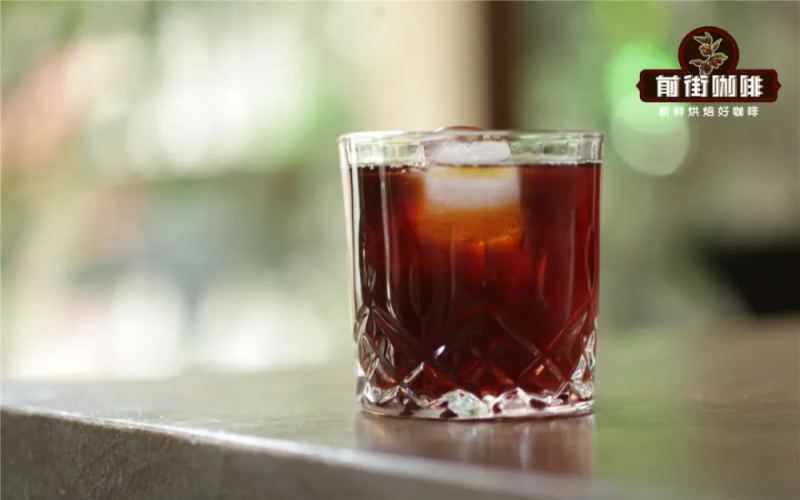
Analyzing the Flavor Differences Between Ice-Drip and Cold Brew Coffee: A Complete Guide from Extraction Principles to Make-Ahead Preparation
When the hot summer days meet a coffee craving, cold drip and cold brew become the two most talked-about low-temperature extraction methods in cafés. Both are refreshingly cool, yet they have completely different personalities: one drips out a clean, translucent vinous aroma, while the other steeps out a full, rich fruitiness. Starting from a real comparison at Front Street's store, this article takes you through a careful tasting of the flavor emphases of cold drip and cold brew, helps you understand the key differences in their production details, and presents the complete extraction parameters used by Front Street. In addition, we will answer a common question—why does wanting to drink cold drip coffee sometimes require booking two days in advance? [more…]